Support our educational content for free when you buy through links on our site. Learn more
🏋️ ♀️ 4 Essential Exercise Types for Total Health (2026)
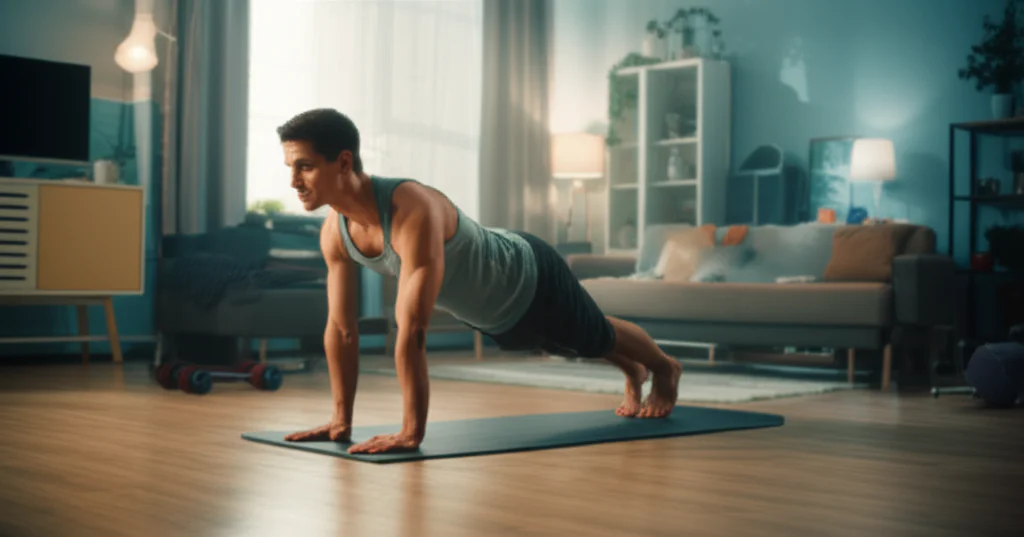
You need to master four distinct exercise types—aerobic, strength, flexibility, and balance—to truly transform your health, not just three. Most people skip the balance piece, leaving a critical gap in their fitness armor that leads to injury and lost independence later in life.
Imagine trying to build a house with only a hammer, ignoring the saw, the level, and the paintbrush. That’s exactly what happens when you focus solely on running or lifting weights. According to the National Institute on Aging, neglecting just one of these pillars can significantly limit your physical potential and longevity.
Did you know that only 23% of Americans meet the federal guidelines for both aerobic and muscle-strengthening activity? This gap exists because many don’t realize that “exercise” isn’t a single activity but a diverse toolkit.
By integrating all four categories into your weekly routine, you unlock a level of vitality that isolated workouts simply cannot provide. Let’s dive into how you can build this complete picture of health.
Key Takeaways
- The Big Four Rule: True fitness requires a mix of aerobic conditioning, strength training, flexibility work, and balance drills.
- Balance is Non-Negotiable: Often overlooked, balance exercises are critical for fall prevention and maintaining independence as you age.
- Synergy Over Isolation: Combining these exercise types creates a synergistic effect that boosts metabolism, protects joints, and improves mental clarity more effectively than any single mode.
- Consistency Beats Intensity: A balanced routine performed regularly is far superior to an extreme, one-dimensional workout done sporadically.
Table of Contents
- ⚡️ Quick Tips and Facts
- 📜 From Stone Age to Smart Gym: A Brief History of Human Movement
- 🏃 ♂️ The Big Four: Mastering the Core Categories of Exercise Types
- 1. 🌬️ Aerobic Conditioning: Getting Your Heart Pumping and Lungs Burning
- 2. 💪 Strength and Resistance Training: Building Muscle, Bone, and Metabolic Fire
- 3. 🧘 Flexibility and Mobility Work: Unlocking Your Range of Motion
- 4. ⚖️ Balance and Stability Drills: The Secret to Staying Upright for Decades
- 🧠 Functional Fitness: Training for Real-Life Movements, Not Just Gym Reps
- 🔥 High-Intensity Interval Training (HIT): The Time-Cruncher’s Best Friend
- 🧘 ♀️ Mind-Body Disciplines: Yoga, Pilates, and the Mental Edge
- 🏊 ♂️ Low-Impact and Water-Based Activities: Joint-Friendly Power Moves
- 🏋️ ♀️ Sport-Specific Training: Tailoring Your Routine to Your Passion
- 👶 Exercise for Every Age: From Todlers to Golden Years
- 🛠️ Building Your Perfect Weekly Workout Mix: A Practical Guide
- 🚫 Common Mistakes to Avoid When Mixing Exercise Types
- 📝 The Ultimate Workout Workbook: Templates and Trackers
- 🏆 Conclusion: Why Variety is the Spice of Life (and Fitness)
- 🔗 Recommended Links
- ❓ FAQ: Your Burning Questions About Exercise Types Answered
- 📚 Reference Links
⚡️ Quick Tips and Facts
Before we dive into the nitty-gritty of getting sweaty, let’s hit the fast-forward button on the most critical takeaways. You don’t need a PhD in kinesiology to get moving, but you do need to know the rules of the road to avoid crashing.
- Variety is Non-Negotiable: Doing only cardio might give you a heart of gold, but it won’t save your bones. Doing only weights might make you strong, but you’ll move like a rusty robot. You need the Big Four: Aerobic, Strength, Flexibility, and Balance.
- The “150-Minute” Myth: The CDC and Harvard recommend 150 minutes of moderate activity per week. That sounds like a lot, but it’s just 20 minutes a day. Yes, really.
- Age is Just a Number (Unless You Ignore It): The older you get, the more critical balance exercises become. It’s not about looking cool; it’s about not breaking a hip.
- Rest is Work: Muscles don’t grow in the gym; they grow while you sleep. Skipping rest days is like trying to build a house without letting the concrete dry.
- Form Over Ego: Lifting heavy with bad form is a one-way ticket to the orthopedic surgeon’s office. Proper technique always trumps heavy weight.
Looking for the absolute best way to shed pounds while building muscle? You might want to check out our deep dive on 🏆 15 Best Exercise Types for Weight Loss (2026) to see how these categories stack up for fat loss.
📜 From Stone Age to Smart Gym: A Brief History of Human Movement

Ever wonder why we have to “exercise” at all? It’s a bit of a modern invention. For most of human history, movement wasn’t a chore; it was survival. Our ancestors didn’t have treadmills; they had hunting, gathering, and running from saber-tothed tigers.
The Evolution of Movement
- The Hunter-Gather Era: Movement was functional. You climbed, carried, sprinted, and squatted to survive. There was no separation between “work” and “workout.”
- The Agricultural Shift: Farming introduced repetitive, one-sided movements. While it built endurance, it also introduced new types of strain and injury.
- The Industrial Revolution: This is where things went sideways. Machines took over the heavy lifting. Suddenly, humans sat for 8 hours a day. The concept of “exercise” was born out of necessity to counteract the sedentary lifestyle.
- The Modern Era: Enter the AI-powered virtual personal trainer. We’ve come full circle. We now use technology to simulate the varied, functional movements our ancestors did naturally, but with the precision of data analytics.
“In reality, we should all be doing aerobics, stretching, strengthening, and balance exercises.” — Harvard Medical School
The history of fitness is a history of us trying to recapture the movement patterns we lost when we stopped chasing mamoths. But here’s the kicker: not all movement is created equal. That’s why we need to categorize them.
🏃 ♂️ The Big Four: Mastering the Core Categories of Exercise Types
If you only remember one thing from this article, let it be this: Fitness is not a monolith. It’s a symphony, and you need every instrument to play in tune. Most people focus one section and ignore the rest, leading to imbalances and injuries.
According to the Harvard Medical School, a comprehensive routine must include these four pillars. Let’s break them down.
| Category | Primary Goal | Key Benefit | Frequency Recommendation |
|---|---|---|---|
| Aerobic | Heart & Lung Health | Burns fat, lowers BP, boosts mood | 150 mins/week (moderate) |
| Strength | Muscle & Bone Density | Increases metabolism, prevents sarcopenia | 2-3 times/week |
| Flexibility | Range of Motion | Prevents injury, reduces pain | Daily or 3-4x/week |
| Balance | Stability & Fall Prevention | Protects joints, improves posture | 2-3 times/week |
Why do we separate them? Because your body adapts specifically to the stress you place on it. If you only run, you get good at running. If you only lift, you get good at lifting. To be a well-rounded human, you need to stress all systems.
1. 🌬️ Aerobic Conditioning: Getting Your Heart Pumping and Lungs Burning
Aerobic exercise, often called cardio, is the engine of your fitness machine. It involves rhythmic, continuous movement that raises your heart rate and breathing.
Why It Matters
- Cardiovascular Health: It strengthens the heart muscle, making it more efficient at pumping blood.
- Metabolic Fire: It’s the king of calorie burning during the activity.
- Mental Clarity: Ever heard of the “runner’s high”? That’s endorphins and dopamine flooding your brain.
Types of Aerobic Exercise
- Low Impact: Swimming, cycling, elliptical. Great for those with joint issues.
- High Impact: Running, jumping rope, HIT. Excellent for bone density but harder on joints.
- Recreational: Dancing, hiking, team sports. Fun factor is high, which improves adherence.
Pro Tip: You don’t need to run a marathon. Brisk walking is one of the most underrated aerobic exercises. It’s accessible, low-risk, and highly effective.
Specific Move: Marching in Place
- Technique: Stand tall, feet together. Bend elbows, swing arms, and lift knees alternately.
- Progression: Start slow. Once comfortable, lift knees higher or add arm pumps.
- Modification: Hold onto a chair if balance is an issue.
For a visual guide on how to perfect your cardio form, check out our Exercise Demonstrations category.
2. 💪 Strength and Resistance Training: Building Muscle, Bone, and Metabolic Fire
If cardio is the engine, strength training is the chassis. It’s what holds you together. Many people fear “getting bulky,” but for 9% of the population, strength training is about functional longevity.
The Science of Strength
- Bone Density: Weight-bearing stress signals bones to become denser, fighting osteoporosis.
- Metabolism: Muscle tissue burns more calories at rest than fat tissue. More muscle = higher BMR.
- Joint Support: Strong muscles act as shock absorbers for your joints.
Methods of Resistance
- Free Weights: Dumbells, barbells. Require stabilization, engaging more muscle fibers.
- Machines: Isolate specific muscles, great for beginners.
- Resistance Bands: Portable, versatile, and provide variable resistance.
- Bodyweight: Push-ups, squats, lunges. No equipment needed.
Specific Move: The Squat
- Technique: Feet shoulder-width apart. Hips back as if sitting in a chair. Keep chest up, back straight. Lower until thighs are parallel (or as low as mobility allows). Drive through heels to stand.
- Reps: 8–12 times.
- Modification: Sit on a chair, stand up, and sit down with control.
Did You Know? A study on Parkinson’s patients showed that resistance training was the only group to significantly improve muscle strength, while treadmill groups improved cardiovascular fitness. This proves you need specific tools for specific jobs.
3. 🧘 Flexibility and Mobility Work: Unlocking Your Range of Motion
Flexibility is the ability of a muscle to lengthen. Mobility is the ability of a joint to move through its full range of motion. You can have one without the other, but you need both to move freely.
Why It’s Often Skipped
Most people skip stretching because they don’t feel the “burn” immediately. But skipping it is like driving a car with the parking brake on.
Types of Stretching
- Dynamic Stretching: Moving while stretching (e.g., leg swings). Best for warm-ups.
- Static Stretching: Holding a position. Best for cool-downs.
- PNF (Proprioceptive Neuromuscular Facilitation): Involves contracting and relaxing muscles. Highly effective but usually requires a partner.
Specific Move: Single Knee Rotation
- Technique: Lie on your back. Bend one knee, place foot on the opposite thigh. Grasp the knee and gently pull across your body.
- Duration: Hold for 10–30 seconds.
- Warning: Never bounce. Stretch to mild tension, not pain.
For more on how to integrate flexibility into your routine, explore our Fitness Guides.
4. ⚖️ Balance and Stability Drills: The Secret to Staying Upright for Decades
Balance is the unsung hero of fitness. It’s the glue that holds your other exercises together. As we age, our balance systems (vision, inner ear, proprioception) degrade. Balance training is the only way to reverse this.
Why It Matters
- Fall Prevention: The #1 cause of injury in older adults is falls.
- Core Strength: Balance exercises engage the deep core muscles (transverse abdominis).
- Proprioception: Improves your body’s awareness of its position in space.
Simple Balance Exercises
- Single Leg Stand: Stand one leg for 30 seconds.
- Hel-to-Toe Walk: Walk in a straight line, placing the heel of one foot directly in front of the toes of the other.
- Tai Chi: Often called “meditation in motion,” it’s a gold standard for balance.
Specific Move: Standing Knee Lift
- Technique: Stand tall, hands on hips. Lift one knee to hip height. Hold for 5 seconds. Lower slowly.
- Reps: 3–5 times per leg.
- Modification: Hold a chair for support.
🧠 Functional Fitness: Training for Real-Life Movements, Not Just Gym Reps
Functional fitness isn’t a specific exercise type; it’s a philosophy. It asks: “Does this movement help me do something in real life?”
- Squating helps you pick up your kids.
- Lunging helps you climb stairs.
- Overhead pressing helps you reach high shelves.
- Carying helps you move groceries.
Unlike isolation exercises (like bicep curls), functional movements often involve multiple joints and muscle groups working together. This mimics the way our bodies were designed to move.
Virtual Personal Trainer™ Insight: Our AI algorithms analyze your daily activities and suggest functional movements that target your specific weak points. If you struggle with getting out of a chair, we prioritize squat variations.
🔥 High-Intensity Interval Training (HIT): The Time-Cruncher’s Best Friend
Have 15 minutes? HIT might be your new best friend. It alternates short bursts of maximum effort with brief recovery periods.
The HIT vs. Steady State Debate
- Steady State: 30-60 minutes of moderate cardio. Good for endurance, burns calories during the workout.
- HIT: 15-20 minutes of alternating sprints/rest. Burns calories during and after the workout (EPOC effect).
Study Insight: A study on Parkinson’s patients found that Higher-Intensity Treadmill Exercise improved cardiovascular fitness significantly, but Lower-Intensity Treadmill was better for gait speed. This suggests that intensity should be tailored to your specific goals.
Pros:
- Time-efficient.
- Boosts metabolism for hours post-workout.
- Improves VO2 max quickly.
Cons:
- High risk of injury if form breaks down.
- Not suitable for absolute beginners or those with heart conditions.
- Requires significant recovery time.
🧘 ♀️ Mind-Body Disciplines: Yoga, Pilates, and the Mental Edge
These disciplines bridge the gap between physical exertion and mental clarity. They are often overlooked as “just stretching,” but they are rigorous strength and balance challenges.
- Yoga: Focuses on flexibility, balance, and breath control. Styles range from gentle Hatha to intense Ashtanga.
- Pilates: Focuses on core strength, posture, and controlled movement. Excellent for back pain and rehabilitation.
- Tai Chi: Slow, flowing movements that enhance balance and reduce stress.
Fun Fact: The first video on this topic highlights Tai Chi as ancient practice that promotes harmony and health. It’s not just for grandmas; it’s a potent tool for fall prevention and stress management.
🏊 ♂️ Low-Impact and Water-Based Activities: Joint-Friendly Power Moves
If your knees are screaming, or you have arthritis, low-impact exercises are your savior. They reduce stress on the joints while still providing a fantastic workout.
- Swimming: The ultimate full-body workout. Water supports your weight, eliminating impact.
- Water Aerobics: Combines resistance (water is 12x denser than air) with cardio.
- Cycling: Whether stationary or outdoor, it builds leg strength without pounding your joints.
- Elliptical: Mimics running motion without the impact.
Brand Spotlight:
- NordicTrack: Known for high-quality ellipticals and treadmills with low-impact modes.
- Hydrow: A rowing machine that offers a low-impact, full-body workout.
👉 Shop
- NordicTrack: Amazon | Official Site
- Hydrow: Amazon | Official Site
🏋️ ♀️ Sport-Specific Training: Tailoring Your Routine to Your Passion
Why train generally when you can train specifically? Sport-specific training mimics the movements of your favorite sport.
- Runers: Focus on single-leg stability and hip mobility.
- Golfers: Focus on rotational core strength and flexibility.
- Basketball Players: Focus on plyometrics (jumping) and lateral agility.
- Martial Artists: Focus on explosive power and core stability.
Video Insight: The first video mentions CrossFit and High-Intensity Functional Training (HIFT) as systems that combine various movements. While great for general fitness, sport-specific athletes should tailor their training to avoid overuse injuries.
👶 Exercise for Every Age: From Todlers to Golden Years
Fitness isn’t a one-size-fits-all. Your exercise type should evolve as you age.
- Children (5-17): Focus on play, running, climbing, and developing motor skills.
- Young Adults (18-64): Mix of cardio, strength, and flexibility. Peak performance years.
- Older Adults (65+): Prioritize balance, functional strength, and low-impact cardio. The goal is independence.
Key Stat: Only 3 out of 10 American adults are active enough for health. This gap widens with age, making early adoption of diverse exercise types crucial.
🛠️ Building Your Perfect Weekly Workout Mix: A Practical Guide
How do you put it all together? Here is a sample week for a balanced individual:
| Day | Focus | Activity | Duration |
|---|---|---|---|
| Monday | Strength | Full Body Resistance Training | 45 mins |
| Tuesday | Cardio | Brisk Walk or Cycle | 30 mins |
| Wednesday | Mobility | Yoga or Dynamic Stretching | 20 mins |
| Thursday | Strength | Upper Body Focus | 45 mins |
| Friday | Cardio | HIT or Dance | 20 mins |
| Saturday | Fun/Functional | Hiking, Sports, or Gardening | 60 mins |
| Sunday | Rest | Light Walking + Static Stretching | 15 mins |
Pro Tip: Use our AI In Fitness Industry tools to generate a custom plan based on your schedule and goals.
🚫 Common Mistakes to Avoid When Mixing Exercise Types
Even the best plans can fail if you make these errors:
- Skipping Warm-ups: Jumping straight into heavy lifting or high-intensity cardio is a recipe for injury.
- Ignoring Recovery: Doing strength training every day leads to burnout and overtraining.
- Focusing Only on “Mirror Muscles”: Working only chest and abs while ignoring back and glutes leads to poor posture.
- Neglecting Balance: Waiting until you fall to start balance training is too late.
- Inconsistency: The best workout is the one you actually do.
📝 The Ultimate Workout Workbook: Templates and Trackers
Tracking your progress is the secret sauce. Without data, you’re just guessing.
- Log Your Lifts: Write down weights, reps, and sets. Aim to beat your previous numbers (progressive overload).
- Track Your Mood: Note how you feel before and after. Exercise is a powerful mood stabilizer.
- Measure Progress: Take photos, measure waist circumference, or track how long you can hold a plank.
Downloadable Resources:
🏆 Conclusion: Why Variety is the Spice of Life (and Fitness)
So, we’ve covered the Big Four, the history, the science, and the specific moves. But here’s the question we left hanging at the start: Can you really get fit doing just one thing?
The answer is a resounding no.
If you only run, you’ll be a great runner but weak and stiff. If you only lift, you’ll be strong but stiff and prone to injury. If you only stretch, you’ll be flexible but weak. The magic happens in the combination.
Our Recommendation:
- Start Small: Pick one activity from each of the four categories.
- Listen to Your Body: Pain is a signal, not a challenge.
- Embrace Variety: Boredom is the enemy of consistency. Switch up your routine every 4-6 weeks.
- Use Technology: Leverage AI tools like Virtual Personal Trainer™ to keep your plan dynamic and personalized.
Remember, the goal isn’t to be perfect; it’s to be consistent. Whether you’re marching in place in your living room or lifting heavy in the gym, you’re building a better version of yourself.
🔗 Recommended Links
Ready to get started? Here are some top-rated products and resources to support your journey:
- Resistance Bands Set: Perfect for home strength training.
- Amazon | Walmart
- Yoga Mat (Non-Slip): Essential for balance and flexibility work.
- Amazon | Lulemon Official
- Adjustable Dumbells: Space-saving strength solution.
- Amazon | Bowflex Official
- Book: Strength and Power Training for Older Adults (Harvard Health Publishing)
- Amazon
- Book: The Workout Workbook (Harvard Health Publishing)
- Amazon
❓ FAQ: Your Burning Questions About Exercise Types Answered

Can a virtual online coach powered by AI provide guidance on proper form and technique for various exercise types?
Yes. Modern AI coaches use computer vision and motion tracking to analyze your form in real-time. They can detect if your back is rounding during a deadlift or if your knees are caving in during a squat, providing instant audio or visual corrections. This is a massive leap forward from static video tutorials.
What are the most effective exercise types for building muscle mass with a customized AI-powered workout plan?
Strength and Resistance Training is the primary driver. An AI plan will prioritize progressive overload (gradually increasing weight or reps) and ensure you hit every muscle group with sufficient volume. It will also adjust your rest periods and exercise selection based on your recovery data.
How do I know which exercise type is best for improving cardiovascular health with the help of a virtual coach?
A virtual coach can analyze your resting heart rate, heart rate variability (HRV), and fitness goals to prescribe the right aerobic intensity. They might suggest Zone 2 training for base building or HIT for peak performance, adjusting the plan as your fitness improves.
What are some low-impact exercise types suitable for beginners or people with injuries?
Swimming, water aerobics, cycling, and elliptical training are excellent low-impact options. Tai Chi and Yoga (specifically gentle or restorative styles) are also fantastic for mobility and balance without stressing the joints.
Can a virtual online coach powered by AI help me choose the right exercise type for my fitness goals?
Absolutely. By inputing your goals (e.g., weight loss, muscle gain, injury rehab), the AI can generate a balanced mix of the Big Four. It ensures you aren’t neglecting any critical area, which is a common pitfall for self-guided exercisers.
What are the benefits of high-intensity exercise types for overall fitness?
HIT offers time efficiency and the EPOC effect (burning calories after the workout). It also improves VO2 max and insulin sensitivity faster than steady-state cardio. However, it requires a solid base of fitness to perform safely.
Read more about “What are the benefits of high-intensity exercise types for overall fitness?”
How can I create a personalized exercise plan with a virtual online coach?
Simply input your current fitness level, available equipment, time constraints, and goals. The AI will generate a weekly schedule that balances strength, cardio, flexibility, and balance, adjusting dynamically based on your feedback and performance.
Read more about “How can I create a personalized exercise plan with a virtual online coach?”
What are the best exercise types for weight loss?
A combination of Strength Training (to build metabolism-boosting muscle) and Aerobic Exercise (to burn calories) is most effective. HIT can accelerate results, but consistency in any form of movement is key.
Read more about “What are the best exercise types for weight loss?”
What are the three major types of exercise?
Traditionally, these are Aerobic (Cardio), Strength (Resistance), and Flexibility. However, modern guidelines often add Balance as a critical fourth pillar, especially for older adults.
Read more about “What are the three major types of exercise?”
What are the five types of physical activity?
This can vary by classification, but commonly includes: Aerobic, Muscle-Strengthening, Bone-Strengthening, Balance, and Flexibility.
Read more about “Types of Physical Fitness … 💪”
What are the 6 types of workouts?
This often refers to specific modalities: HIT, Steady State Cardio, Strength Training, Pilates, Yoga, and Functional Training.
Read more about “🚀 Data Integrated Strength Conditioning: The 2026 Playbook for Peak Performance”
What are the 5 types of fitness training?
These usually align with the components of fitness: Cardiorespiratory Endurance, Muscular Strength, Muscular Endurance, Flexibility, and Body Composition.
Read more about “What are the 5 types of fitness training?”
What are the 4 exercise groups?
Referring to the Big Four: Aerobic, Strength, Flexibility, and Balance.
Read more about “🥗 The 4 Healthy Diets That Actually Work (2026)”
What are the 6 types of physical fitness?
Similar to the 5 types, but often includes Agility or Power as a distinct component, especially in athletic training.
Read more about “What are the 6 types of physical fitness?”
What are the 4 types of exercises?
Again, the Big Four: Aerobic, Strength, Flexibility, and Balance.
Read more about “🏋️ ♀️ 20 Different Types of Exercises to Master Your Body (2026)”
📚 Reference Links
- Harvard Medical School: The 4 Most Important Types of Exercise
- National Institute on Aging: Three Types of Exercise Can Improve Your Health and Physical Ability
- PubMed: Exercise Types for Parkinson Disease
- Centers for Disease Control and Prevention (CDC): Physical Activity Basics
- American College of Sports Medicine (ACSM): Exercise Guidelines
- NordicTrack: Official Website
- Hydrow: Official Website
- Bowflex: Official Website