Support our educational content for free when you buy through links on our site. Learn more
🔥 Top 12 Best Exercise Types for Weight Loss (2025) Revealed!
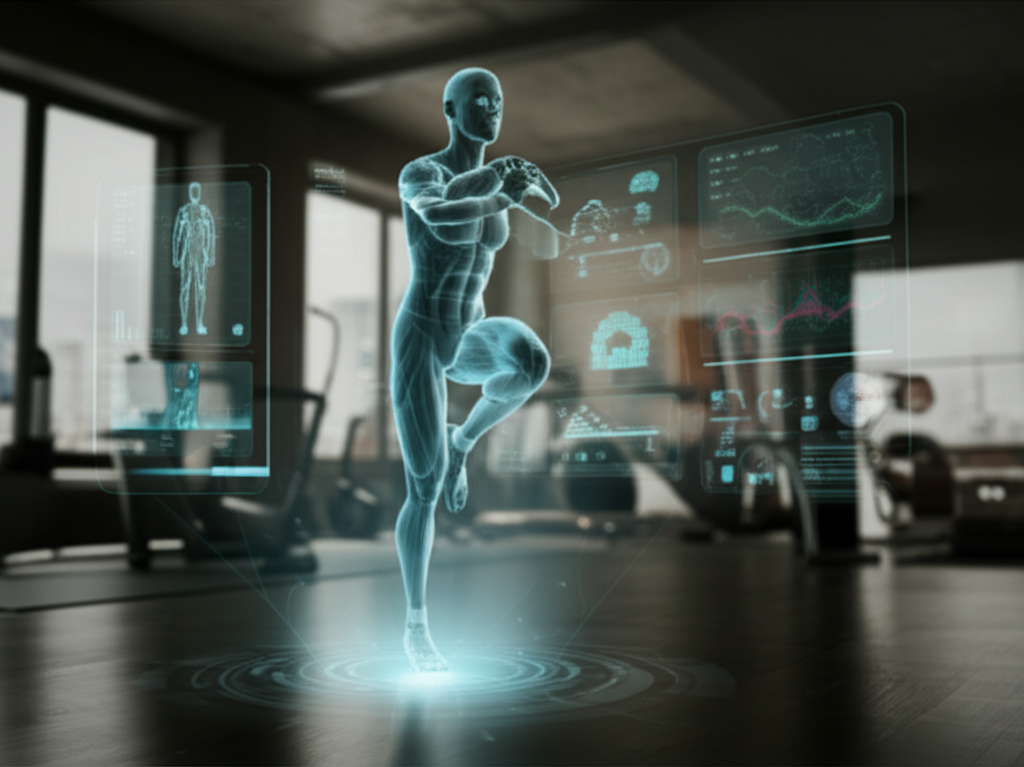
Looking for the ultimate workout that actually melts fat and keeps the weight off? You’re in the right place! While you might’ve seen lists boasting “The 8 Best Exercises for Weight Loss,” we’re bringing you a power-packed top 12 that covers everything from HIIT to hiking — and even jump rope! Whether you’re a gym rat, a home workout warrior, or someone who just wants to move more without hating it, this guide will help you find the perfect fit.
Did you know that High-Intensity Interval Training (HIIT) can burn up to 30% more calories per minute than steady-state cardio? Or that strength training revs up your metabolism long after your workout ends? We’ll break down the science, share real success stories, and give you insider tips from our expert Virtual Personal Trainer™ team. Ready to discover which exercises torch fat fastest and how to build a plan you’ll actually stick with? Let’s dive in!
Key Takeaways
- No single “best” exercise exists; the best workout is the one you enjoy and can do consistently.
- HIIT, strength training, and cardio (like running, cycling, and swimming) top the list for maximum fat burn and metabolism boost.
- Muscle-building exercises increase your resting calorie burn, making strength training essential for lasting weight loss.
- Mixing different exercise types keeps your body guessing and prevents plateaus.
- Tracking progress beyond the scale—photos, measurements, and performance—gives a fuller picture of success.
- Virtual coaching and fitness tech can personalize your plan and keep motivation high.
👉 Shop top fitness gear and wearables:
- Fitbit Charge 6: Amazon | Fitbit Official
- Concept2 RowErg Rower: Amazon | Concept2 Official
- Peloton Bike: Amazon | Peloton Official
Ready to transform your workouts and your body? Keep reading to find your perfect fat-burning fit!
Table of Contents
- ⚡️ Quick Tips and Facts on Exercise Types for Weight Loss
- 🏋️♂️ The Science Behind Exercise and Weight Loss: How It Really Works
- 🔥 12 Best Exercise Types for Maximum Fat Burn and Weight Loss
- 1. High-Intensity Interval Training (HIIT)
- 2. Strength Training and Muscle Building
- 3. Running and Jogging
- 4. Cycling: Indoor and Outdoor
- 5. Swimming: Full-Body Fat Burner
- 6. Walking: The Underrated Fat Loss Hero
- 7. Rowing: Cardio and Strength Combo
- 8. Jump Rope: Quick and Effective
- 9. Group Fitness Classes: Zumba, Spin, and More
- 10. Yoga and Pilates for Weight Loss and Flexibility
- 11. Circuit Training: Mix It Up for Fat Loss
- 12. Hiking and Outdoor Adventures
- 💡 How to Choose the Right Exercise Type for Your Weight Loss Goals
- ⏱️ Exercise Duration and Frequency: What Science Recommends for Weight Loss
- 🍎 Combining Exercise with Nutrition for Faster Weight Loss Results
- 🛠️ Tools and Tech: Best Apps and Wearables to Track Your Weight Loss Workouts
- ⚠️ Common Mistakes to Avoid When Exercising for Weight Loss
- 📈 Tracking Progress: How to Measure Your Weight Loss Success Effectively
- 🏥 When to Consult a Professional: Personal Trainers, Nutritionists, and Doctors
- 🌟 Real Success Stories: How Different Exercises Transformed Lives
- 🤔 Frequently Asked Questions About Exercise and Weight Loss
- 📚 Recommended Links for Further Reading and Resources
- 🔗 Reference Links and Scientific Studies
- 🎯 Conclusion: Your Ultimate Exercise Plan for Weight Loss Success
Here is the body of the article, written according to your instructions.
⚡️ Quick Tips and Facts on Exercise Types for Weight Loss
Welcome to the ultimate guide from your team at Virtual Personal Trainer™! Before we dive deep, let’s get your heart pumping with some rapid-fire facts. Think of this as your pre-workout stretch for your brain.
- Consistency > Intensity: A 30-minute walk every day is far more effective for long-term weight loss than one brutal, hour-long workout a week that leaves you hating life. Find what you love, and you’ll never “work out” a day in your life.
- You Can’t Outrun a Bad Diet: We’ve seen it a thousand times. Exercise is the co-pilot, but diet is the pilot on your weight loss journey. As the Mayo Clinic wisely states, “To lose weight… you need to eat less and move more.”
- Muscle is a Calorie-Burning Machine: For every pound of muscle you build, your body burns more calories at rest. This is why strength training is non-negotiable for sustainable weight loss.
- The “Afterburn Effect” is Real: High-Intensity Interval Training (HIIT) revs up your metabolism so much that you continue to burn calories for hours after you’ve finished your workout. It’s the gift that keeps on giving!
- Sleep is Your Secret Weapon: Skimping on sleep can sabotage your weight loss efforts by messing with hunger hormones. Aim for 7-9 hours of quality sleep per night. It’s a crucial part of your Health and Wellness plan.
- Variety is the Spice of Fitness: Doing the same workout over and over leads to plateaus. Keep your body guessing by mixing different exercise types to challenge different muscles and energy systems.
🏋️♂️ The Science Behind Exercise and Weight Loss: How It Really Works
Alright, let’s put on our lab coats for a second. Why does running on a treadmill or lifting a dumbbell actually make the numbers on the scale go down? It’s not magic, it’s science, and it’s fascinating!
The Calorie Deficit Equation
At its core, weight loss is about creating a calorie deficit. This means you burn more calories than you consume. Think of your body as a bank account for energy (calories).
- Deposits: The food and drinks you consume.
- Withdrawals: The energy your body uses for basic functions (like breathing and thinking), daily activities, and, you guessed it, exercise.
When you exercise, you dramatically increase your “withdrawals,” helping you get into that deficit zone where your body starts using stored fat for energy. It’s that simple, and that complex.
Your Metabolism: The Body’s Engine
Your metabolism is the engine that burns these calories. Exercise does two amazing things to this engine:
- It revs the engine during the workout. The more intense the exercise, the faster the engine runs and the more fuel (calories) it burns.
- It can upgrade the engine’s size. This is where strength training comes in. Building lean muscle mass increases your Basal Metabolic Rate (BMR)—the number of calories your body burns at complete rest. More muscle means a bigger, more efficient engine that’s burning calories even when you’re binge-watching your favorite show.
The Afterburn: EPOC Explained
Ever felt hot and sweaty long after your workout ended? That’s Excess Post-exercise Oxygen Consumption (EPOC), or the “afterburn effect.” After intense workouts like HIIT or heavy lifting, your body has to work hard to return to its normal state. It needs to replenish oxygen, repair muscle tissue, and rebalance hormones. All this “housekeeping” requires energy, meaning you continue to burn extra calories for hours. As Healthline notes, HIIT can burn 25–30% more calories per minute than other forms of cardio, and a lot of that benefit comes from this powerful afterburn.
🔥 12 Best Exercise Types for Maximum Fat Burn and Weight Loss
So, what’s the magic bullet? The one exercise to rule them all? Spoiler alert: it doesn’t exist. The “best” exercise is the one you’ll actually do. But some are definitely more efficient at torching calories and building metabolism-boosting muscle. Here’s our team’s breakdown of the top 12 contenders.
1. High-Intensity Interval Training (HIIT)
HIIT is the undisputed king of efficiency. It involves short, all-out bursts of intense effort followed by brief recovery periods. Think sprinting for 30 seconds, then walking for 60 seconds, and repeating.
- Why it works: HIIT creates a massive oxygen debt, leading to the EPOC (afterburn effect) we just talked about. You get a huge metabolic spike in a short amount of time.
- Getting Started: You can apply HIIT principles to almost any cardio exercise: running, cycling, rowing, or even bodyweight exercises like burpees and jump squats. A great starting point is a 1:2 work-to-rest ratio.
- Trainer’s Take: “I had a client, Mark, who hated long, boring cardio sessions. We switched him to two 20-minute HIIT sessions a week. He not only lost more weight but said he felt more energized and actually started looking forward to his workouts!”
- ✅ Pros: Extremely time-efficient, massive calorie burn, boosts metabolism for hours.
- ❌ Cons: High-impact and intense, not suitable for absolute beginners or those with certain injuries. WebMD correctly advises that it shouldn’t be done daily to allow for recovery.
2. Strength Training and Muscle Building
If HIIT is the king, strength training is the queen. Lifting weights, using resistance bands, or doing bodyweight exercises like push-ups and squats is crucial.
- Why it works: It builds lean muscle mass. Muscle tissue is metabolically active, meaning it burns more calories at rest than fat tissue. The more muscle you have, the higher your BMR.
- Getting Started: Begin with a full-body routine 2-3 times a week. Focus on compound movements that work multiple muscle groups at once (squats, deadlifts, bench press, rows). Check out our Exercise Demonstrations to perfect your form.
- Trainer’s Take: “So many people, especially women, fear getting ‘bulky.’ It’s a myth! Building functional strength transforms your body composition, making you look leaner and more toned, not bigger. It’s the key to keeping the weight off for good.”
- ✅ Pros: Boosts resting metabolism, sculpts the body, improves bone density, increases functional strength.
- ❌ Cons: Can have a steeper learning curve to ensure proper form and avoid injury. Requires access to weights or equipment for progression.
3. Running and Jogging
The classic, accessible, and incredibly effective calorie-burner. Whether on a treadmill or the open road, running gets your heart rate up and the sweat pouring.
- Why it works: It’s a high-impact, weight-bearing exercise that engages large muscle groups, leading to a significant calorie burn. A 160-pound person can burn over 600 calories in an hour of running at a moderate pace, according to the Mayo Clinic.
- Getting Started: If you’re new, start with a walk/jog program. Jog for 1 minute, walk for 2, and repeat. Gradually decrease the walking time and increase the jogging time.
- Trainer’s Take: “The ‘runner’s high’ is real! It’s not just about the calories; it’s a huge stress-reliever. Find a good playlist or a podcast, invest in a good pair of shoes from a brand like Brooks or Hoka, and just get out there.”
- ✅ Pros: High calorie burn, requires minimal equipment, great for cardiovascular health, can be done anywhere.
- ❌ Cons: High-impact on joints (knees, hips, ankles), which can be a barrier for some.
4. Cycling: Indoor and Outdoor
Whether you’re hitting the trails or joining a high-energy spin class, cycling is a fantastic low-impact option for torching fat.
- Why it works: It’s a killer cardiovascular workout that’s easy on the joints. You can vary the intensity dramatically, from a leisurely ride to an all-out sprint, burning anywhere from 400 to over 750 calories per hour.
- Getting Started: At-home options like the Peloton Bike or NordicTrack S22i offer motivating classes. Or, simply get a traditional bike and explore your neighborhood.
- Trainer’s Take: “Spin classes are my secret weapon for clients who say they get bored easily. The music, the instructor’s energy, the group atmosphere… it’s a party on a bike! You’ll be so distracted you won’t even realize you’re working that hard.”
- ✅ Pros: Low-impact, great for all fitness levels, builds lower body strength, fun and engaging.
- ❌ Cons: Can be expensive to get started (bike, gym membership), primarily a lower-body workout unless you’re actively engaging your core.
5. Swimming: Full-Body Fat Burner
Swimming is the ultimate full-body workout that feels more like play than work. The water provides resistance for your muscles while supporting your body, making it virtually zero-impact.
- Why it works: You’re using your arms, legs, and core to propel yourself through water, which is about 800 times denser than air. This resistance provides a unique combination of cardio and strength training.
- Getting Started: Most community pools offer lap swimming hours. Start with a comfortable stroke like freestyle or breaststroke. Focus on completing a few laps, resting as needed, and gradually build your endurance.
- Trainer’s Take: “I recommend swimming to anyone with joint pain or those recovering from an injury. It’s a safe, effective way to burn a ton of calories without any pounding. A client with arthritis lost 30 pounds by swimming three times a week; it was the only exercise she could do without pain.”
- ✅ Pros: Zero-impact, full-body workout, improves cardiovascular health and lung capacity, refreshing and meditative.
- ❌ Cons: Requires access to a pool, can be intimidating for non-swimmers.
6. Walking: The Underrated Fat Loss Hero
Never, ever underestimate the power of a good walk! It’s the most accessible, sustainable, and foundational form of exercise there is.
- Why it works: While it doesn’t burn calories as quickly as running, it’s incredibly easy to incorporate into your day and stick with long-term. A brisk 30-minute walk can burn around 150 calories, as noted by WebMD. That adds up to over 1,000 calories a week!
- Getting Started: Just… walk! Walk to the store, take the stairs, walk during your lunch break, or go for a dedicated power walk in the evening. Use a fitness tracker to aim for 7,000-10,000 steps a day.
- Trainer’s Take: “Walking is my go-to prescription for clients who are just starting their fitness journey. It builds a base of fitness and, more importantly, it builds the habit of being active. It’s the gateway drug to a healthier lifestyle.”
- ✅ Pros: Free, accessible to everyone, low-impact, easy to incorporate into daily life, great for mental health.
- ❌ Cons: Lower calorie burn per minute compared to more intense exercises.
7. Rowing: The Total-Body Torcher
Often overlooked, the rowing machine is one of the most effective pieces of equipment in the gym for weight loss.
- Why it works: A single rowing stroke engages about 86% of your muscles—hitting your legs, core, back, and arms. It’s a killer combination of cardio and strength training that’s also low-impact.
- Getting Started: Form is key to prevent back strain. Watch some tutorials (we have great ones in our Home-based Workouts section!) and focus on the “legs, core, arms” sequence on the drive, and “arms, core, legs” on the recovery.
- Trainer’s Take: “The Concept2 RowErg is the gold standard for a reason. It’s a beast of a workout. I challenge clients to a 2,000-meter row for time. It’s humbling, but the results in terms of fat loss and conditioning are undeniable.”
- ✅ Pros: Full-body workout, low-impact, high calorie burn, builds both strength and endurance.
- ❌ Cons: Requires a rowing machine, proper technique is crucial to avoid injury.
👉 Shop Rowing Machines on:
- Concept2 RowErg: Amazon | Concept2 Official Website
- Hydrow Rower: Amazon | Hydrow Official Website
8. Jump Rope: The Calorie-Crushing Classic
This isn’t just for the playground. A jump rope is a cheap, portable, and incredibly potent tool for weight loss.
- Why it works: It’s a high-intensity, high-coordination exercise. Just 10 minutes of jumping rope can burn as many calories as a 30-minute jog. It torches calories while improving agility, balance, and bone density.
- Getting Started: Get a decent speed rope. Start with short intervals, like 30 seconds of jumping followed by 30 seconds of rest. Focus on small hops, staying on the balls of your feet.
- Trainer’s Take: “I love giving clients a jump rope. They can take it anywhere. It’s perfect for a quick HIIT session when you’re short on time or traveling. It’s humbling at first, but once you get the rhythm, it’s addictive.”
- ✅ Pros: Inexpensive, portable, extremely high calorie burn, improves coordination and cardiovascular fitness.
- ❌ Cons: High-impact, can be frustrating to learn the rhythm.
9. Group Fitness Classes: Zumba, Spin, and More
Sometimes, the best motivation comes from a room full of people sweating alongside you.
- Why it works: The combination of a structured workout, an energetic instructor, and upbeat music can make you push harder than you would on your own. Classes like Zumba, Les Mills BODYPUMP, or a local spin class make exercise feel like a social event.
- Getting Started: Check the schedule at your local gym or community center. Don’t be afraid to try a few different types of classes to find one that clicks with your personality.
- Trainer’s Take: “The accountability of a group class is huge. When you know your friends are waiting for you in Zumba, you’re much more likely to show up. The fun factor is off the charts, and you’ll burn hundreds of calories without even watching the clock.”
- ✅ Pros: High motivation and accountability, fun and social, structured workouts designed by experts.
- ❌ Cons: Can be costly (gym membership), class times might not fit your schedule, quality can vary by instructor.
10. Yoga and Pilates for Weight Loss and Flexibility
Wait, yoga for weight loss? Absolutely. While not the biggest calorie-burner on this list, the benefits of practices like Yoga and Pilates extend far beyond the mat.
- Why it works: More active forms like Vinyasa or Power Yoga can definitely get your heart rate up. But the real magic is in the mind-body connection. Healthline’s research summary points out that yoga promotes mindful eating, helping you recognize hunger and fullness cues, which is critical for weight management. Pilates builds incredible core strength, improving posture and creating a leaner-looking physique.
- Getting Started: There are countless free videos on YouTube (like Yoga with Adriene) or apps like Peloton Digital that offer guided classes for all levels.
- Trainer’s Take: “I tell all my high-stress clients to add yoga or Pilates to their routine. Stress leads to high cortisol levels, which promotes belly fat storage. These practices lower stress, which in turn helps with weight loss. It’s the holistic approach.”
- ✅ Pros: Reduces stress, improves flexibility and posture, builds core strength, promotes mindfulness.
- ❌ Cons: Lower direct calorie burn compared to intense cardio, may not be enough on its own for significant weight loss without being paired with other exercises.
11. Circuit Training: The Best of Both Worlds
Circuit training is the ultimate fitness mashup. You move quickly from one exercise to the next, typically alternating between strength and cardio moves with minimal rest.
- Why it works: It keeps your heart rate elevated for the entire workout, combining the muscle-building benefits of strength training with the calorie-burning benefits of cardio. It’s a fantastic way to bust through a weight loss plateau.
- Getting Started: Create a circuit of 5-8 exercises. For example: Squats -> Push-ups -> Jumping Jacks -> Lunges -> Plank -> High Knees. Perform each for 45 seconds with 15 seconds of rest to transition to the next. Repeat the whole circuit 3-4 times. Our Fitness Guides have tons of circuit ideas.
- Trainer’s Take: “Circuits are my go-to for clients who get bored easily. The constant change keeps them engaged, and the workout flies by. It’s an incredibly efficient way to get a full-body workout in 30 minutes.”
- ✅ Pros: Time-efficient, combines cardio and strength, highly customizable, keeps workouts interesting.
- ❌ Cons: Can be chaotic in a crowded gym, requires some planning to set up your circuit.
12. Hiking and Outdoor Adventures
Take your workout into the great outdoors! Hiking is walking’s more rugged, adventurous, and calorie-torching cousin.
- Why it works: Walking on uneven terrain and up and down hills engages more muscles (especially glutes and hamstrings) and burns significantly more calories than walking on a flat surface. Plus, the mental health benefits of being in nature are immense.
- Getting Started: Use an app like AllTrails to find trails near you suited to your fitness level. Start with a shorter, flatter trail and work your way up to more challenging climbs.
- Trainer’s Take: “A client of mine hated the gym. Hated it. But he loved being outside. We made hiking his primary cardio. He lost 50 pounds in a year and discovered a passion that completely changed his life. Exercise doesn’t have to be in a gym.”
- ✅ Pros: Great calorie burn, strengthens legs and core, huge mental health benefits, can be a social activity.
- ❌ Cons: Dependent on weather and location, requires some planning and proper gear (good shoes are a must!).
💡 How to Choose the Right Exercise Type for Your Weight Loss Goals
Feeling overwhelmed by the options? Don’t be! The perfect workout plan for you is a cocktail, not a single shot. Here’s how to mix your perfect drink.
- What Do You Genuinely Enjoy? This is the most important question. If you despise running, no amount of science will make you stick with it. If you love dancing, Zumba is a no-brainer. The best exercise is the one you’ll do consistently.
- What’s Your Current Fitness Level? Be honest with yourself. If you’re starting from zero, jumping into daily HIIT sessions is a recipe for injury and burnout. Start with walking, swimming, or beginner strength training.
- What Are Your Physical Limitations? Got bad knees? High-impact exercises like running and jumping rope might be out. Opt for swimming, cycling, or the elliptical. As the Mayo Clinic points out, “Losing weight with diet alone and without physical activity can make people weaker,” so finding a safe way to move is paramount.
- What’s Your Schedule and Budget? If you have 30 minutes a day and a small budget, a jump rope and bodyweight circuits at home are perfect. If you have more time and resources, a gym membership with classes and equipment opens up more possibilities.
Our recommendation? Create a weekly plan that includes a mix of:
- 2-3 days of Strength Training: To build that calorie-burning muscle.
- 2-3 days of Cardio: Choose from the list above! Mix it up—maybe one HIIT session and two longer, steady-state sessions like jogging or cycling.
- 1-2 days of Active Recovery: This could be a gentle walk, stretching, or a relaxing yoga session.
⏱️ Exercise Duration and Frequency: What Science Recommends for Weight Loss
“How much do I really have to work out?” We get this question all the time. Let’s break down the official recommendations and what they mean for you.
The U.S. Department of Health and Human Services provides a great baseline, which is echoed by top health institutions.
| Activity Level | Weekly Recommendation | What It Looks Like |
|---|---|---|
| Moderate Aerobic Activity | 150-300 minutes | 30-60 minutes of brisk walking, 5 days a week. |
| Vigorous Aerobic Activity | 75-150 minutes | 25-50 minutes of running or HIIT, 3 days a week. |
| Strength Training | 2+ sessions | Full-body workouts hitting all major muscle groups, twice a week. |
For weight loss, you should aim for the higher end of these ranges—closer to 300 minutes of moderate activity or 150 minutes of vigorous activity per week.
But remember the Mayo Clinic’s wise words: “Even small amounts of physical activity can be helpful.” Don’t have 30 minutes? Three 10-minute walks are just as good! The goal is to make movement a consistent part of your life.
🍎 Combining Exercise with Nutrition for Faster Weight Loss Results
Let’s be brutally honest for a moment. You could have the most perfect workout plan on the planet, designed by us, the world’s greatest (and most humble) virtual trainers. But if you’re fueling your body with junk, you will not see the weight loss results you want. Period.
Exercise and nutrition are a team. They work together. Trying to lose weight with just one is like trying to row a boat with one oar—you’ll just go in circles.
Why Diet Has the Edge for Losing Weight
Think about it: to burn off the calories in a single slice of pizza (around 300 calories), you’d have to walk briskly for nearly an hour. It’s far, far easier to simply not eat that slice of pizza in the first place. This is why creating a calorie deficit primarily through your diet is the most efficient way to initiate weight loss.
Why Exercise is King for Keeping It Off
This is where exercise shines. As we’ve discussed, it builds muscle, which boosts your metabolism 24/7. It improves insulin sensitivity, helping your body manage blood sugar better. And it creates a psychological buffer—when you work hard for your body, you’re less likely to sabotage it with poor food choices.
For a deep dive into creating a sustainable eating plan, check out our comprehensive guides on Diet and Nutrition.
🛠️ Tools and Tech: Best Apps and Wearables to Track Your Weight Loss Workouts
In the digital age, you have a wealth of tools at your fingertips to help you on your journey. These gadgets and apps can provide data, motivation, and accountability. Here are our top picks:
Fitness Wearables
A good fitness tracker is like having a mini-coach on your wrist. It tracks steps, heart rate, calories burned, and sleep, giving you a holistic view of your activity levels.
| Feature | Fitbit Charge 6 | Apple Watch SE | Garmin Venu 3 |
|---|---|---|---|
| Best For | All-around fitness & sleep tracking | iPhone users, seamless integration | Serious athletes, in-depth data |
| Heart Rate Tracking | Excellent | Excellent | Excellent |
| GPS | Built-in | Built-in | Built-in |
| Key Feature | Industry-leading sleep analysis | Huge app ecosystem, safety features | “Body Battery” energy monitoring |
| Battery Life | Up to 7 days | Up to 18 hours | Up to 14 days |
👉 Shop Fitness Wearables on:
- Fitbit Charge 6: Amazon | Walmart | Fitbit Official Website
- Apple Watch SE: Amazon | Walmart | Apple Official Website
- Garmin Venu 3: Amazon | Walmart | Garmin Official Website
Essential Apps
- MyFitnessPal: The undisputed champion of calorie and macro tracking. Its massive food database makes logging your meals a breeze.
- Strava: The social network for athletes. It’s perfect for tracking your runs, rides, and hikes, and competing with friends (or yourself).
- Nike Training Club: Offers a huge library of free guided workouts, from strength training to yoga, led by Nike’s world-class trainers.
⚠️ Common Mistakes to Avoid When Exercising for Weight Loss
We’ve seen it all. Here are the most common tripwires that can derail your progress. Dodge these, and you’ll be miles ahead of the pack.
- ❌ The “Reward” Mentality: “I ran 3 miles, so I’ve earned this donut!” This is a dangerous trap. You can’t out-exercise a bad diet, and you’ll likely consume more calories in the “reward” than you burned during the workout.
- ❌ Doing Only Cardio: The “cardio bunny” syndrome. Spending hours on the elliptical while neglecting strength training is a classic mistake. You’ll burn calories, yes, but you won’t build the metabolism-boosting muscle needed for long-term success.
- ❌ Going Too Hard, Too Soon: Enthusiasm is great, but starting with seven intense workouts in your first week is a one-way ticket to injury, exhaustion, and quitting by week three. Start slow and build momentum.
- ❌ Inconsistency: Working out like a maniac for one week and then doing nothing for the next two won’t get you anywhere. Consistency is the secret ingredient. A “good enough” workout that you do consistently is infinitely better than a “perfect” workout you do sporadically.
- ❌ Ignoring Rest Days: Your muscles don’t get stronger during the workout; they get stronger during the recovery period afterward. Skipping rest days leads to overtraining, plateaus, and potential injury.
📈 Tracking Progress: How to Measure Your Weight Loss Success Effectively
The number on the scale is just one piece of a very large puzzle, and frankly, it’s not even the most interesting piece. Here’s how to get the full picture of your amazing progress.
- Progress Photos: Take photos from the front, side, and back in the same lighting and clothing every 4 weeks. When you feel like you’re not making progress, comparing these photos can be a jaw-dropping revelation.
- Body Measurements: Use a simple tape measure to track your waist, hips, chest, and thighs. Muscle is denser than fat, so you might lose inches even if the scale isn’t moving much.
- How Your Clothes Fit: Is that old pair of jeans finally buttoning up? Is your shirt a little looser around the shoulders? These are undeniable signs of success.
- Performance Gains: Are you lifting heavier weights than you were a month ago? Can you run a mile faster? Can you hold a plank for 30 seconds longer? These are huge wins that the scale will never tell you about.
- Energy and Mood Levels: Are you sleeping better? Do you have more energy to play with your kids? Do you feel less stressed? These quality-of-life improvements are the real prize.
Focus on these non-scale victories. They tell a much richer and more motivating story of your journey.
🏥 When to Consult a Professional: Personal Trainers, Nutritionists, and Doctors
While our guides are comprehensive, sometimes you need a personalized touch. Here’s when to call in the experts:
- See Your Doctor: Always consult your physician before starting any new, strenuous exercise program, especially if you have pre-existing conditions like heart disease, diabetes, or severe joint issues. They can give you the green light and provide specific limitations.
- Hire a Certified Personal Trainer (like us! 😉): If you’re new to the gym, unsure about proper form, or need accountability and a customized plan, a CPT is an invaluable investment. We can ensure you’re exercising safely and effectively to maximize your results.
- Consult a Registered Dietitian (RD): If you struggle with your relationship with food, have complex dietary needs, or want a scientifically-backed nutrition plan, an RD is the gold standard. They can help you navigate the confusing world of nutrition and create a plan that works for you.
🌟 Real Success Stories: How Different Exercises Transformed Lives
These aren’t just theories; we see these principles change lives every single day. Here are a couple of stories from our Virtual Personal Trainer™ family.
-
Sarah’s Strength Transformation: Sarah, a 45-year-old office worker, came to us wanting to lose 20 pounds. She was a self-proclaimed “cardio bunny,” spending hours on the treadmill with minimal results. We created a plan that cut her cardio time in half and introduced her to strength training three times a week. At first, she was hesitant, fearing she’d get “bulky.” Six months later, she was down 25 pounds, but more importantly, she’d lost 4 inches from her waist. She told us, “I feel so strong and capable! I never thought I’d love lifting weights, but seeing the definition in my arms is more rewarding than any number on the scale.”
-
David’s Hiking Journey: David, 58, was pre-diabetic and his doctor told him he needed to lose weight and get active. He loathed the idea of a gym. We asked him what he did enjoy, and he mentioned he used to love camping. We suggested he try hiking. He started with short, flat trails and, using the AllTrails app, gradually worked his way up to challenging mountain hikes. A year later, he had lost 60 pounds, his blood sugar was in the normal range, and he had summited three major peaks. “Hiking saved my life,” he said. “It wasn’t a workout; it was an adventure that got me healthy.”
These stories show that the “best” exercise is truly the one that fits your life and sparks a passion for movement. What will your story be?
🎯 Conclusion: Your Ultimate Exercise Plan for Weight Loss Success

Phew! What a journey we’ve been on together. From the science of calorie burn to the best exercises for fat loss, and from tech tools to real-life success stories, you’ve now got the full arsenal to conquer your weight loss goals.
Here’s the bottom line: there is no one-size-fits-all exercise for weight loss. The best workout is the one you enjoy, can do consistently, and that fits your lifestyle. Whether it’s HIIT, strength training, hiking, or even yoga, each has unique benefits that contribute to your overall success.
Remember Sarah and David? Their stories prove that when you find your passion and pair it with smart, sustainable habits, weight loss becomes a rewarding lifestyle transformation—not a punishing chore.
If you’re wondering how to start, here’s our expert advice:
- Mix it up: Combine cardio, strength, and flexibility workouts throughout your week.
- Be consistent: Even short, daily movement beats sporadic marathon sessions.
- Fuel smart: Pair your workouts with a balanced diet tailored to your needs.
- Track progress: Use photos, measurements, and performance gains—not just the scale.
- Seek support: Whether from a virtual coach, a personal trainer, or a community, accountability is key.
And if you’re ready to take it up a notch, consider integrating AI-powered virtual coaching from Virtual Personal Trainer™ to get personalized plans, real-time feedback, and motivation tailored just for you.
Your weight loss journey is a marathon, not a sprint. Lace up, stay curious, and enjoy the ride!
📚 Recommended Links for Further Reading and Resources
Ready to gear up and dive deeper? Here are some top picks to help you on your way:
Fitness Equipment & Wearables
- Fitbit Charge 6: Amazon | Walmart | Fitbit Official Website
- Apple Watch SE: Amazon | Walmart | Apple Official Website
- Concept2 RowErg Rower: Amazon | Concept2 Official Website
- Hydrow Rower: Amazon | Hydrow Official Website
- Peloton Bike: Amazon | Peloton Official Website
Books to Inspire and Educate
- “The New Rules of Lifting for Life” by Lou Schuler & Alwyn Cosgrove — A fantastic guide on strength training for all ages and goals. Amazon
- “Burn the Fat, Feed the Muscle” by Tom Venuto — A classic on fat loss and muscle building with science-backed nutrition advice. Amazon
- “The HIIT Advantage” by Irene Lewis-McCormick — Everything you need to know about high-intensity interval training. Amazon
🤔 Frequently Asked Questions About Exercise and Weight Loss
How can I create a personalized workout plan for weight loss with the help of an online coach?
Creating a personalized workout plan starts with understanding your unique goals, fitness level, schedule, and preferences. An online coach—especially an AI-powered one like Virtual Personal Trainer™—can analyze your data, recommend exercises from our extensive library, and adjust your plan dynamically based on your progress and feedback. This tailored approach ensures you’re working efficiently and safely, maximizing fat loss while minimizing injury risk. Plus, virtual coaching offers flexibility and accountability without the need for in-person sessions.
What are the most effective exercises for burning belly fat and how can I incorporate them into my routine?
While you can’t spot-reduce fat, exercises that boost overall fat loss will help reduce belly fat. HIIT, strength training, and cardio exercises like running, cycling, and rowing are particularly effective. Incorporate these 3-5 times per week, mixing moderate steady-state cardio with intense intervals and resistance training. Pair this with a balanced diet and stress management (like yoga) to optimize fat loss around the midsection.
Can an AI-powered virtual coach help me track my progress and stay motivated during my weight loss journey?
Absolutely! AI coaches use data from wearables, workout logs, and even your mood inputs to provide real-time feedback, celebrate milestones, and adjust your plan to keep you challenged but not overwhelmed. They can send reminders, suggest modifications, and provide motivational nudges tailored to your personality and habits. This personalized support can significantly improve adherence and results compared to generic plans.
What are the best cardio exercises for weight loss and how often should I do them to see results?
The best cardio exercises are those you enjoy and can perform consistently. Running, cycling, swimming, rowing, and HIIT top the list for calorie burn. Aim for at least 150 minutes of moderate-intensity or 75 minutes of vigorous-intensity cardio weekly, as recommended by the U.S. Department of Health and Human Services. For accelerated weight loss, increase to 300 minutes of moderate or 150 minutes of vigorous cardio per week, combined with strength training.
How can I use a virtual online coach to develop a healthy diet and exercise plan tailored to my lifestyle and goals?
Virtual coaches integrate your dietary preferences, allergies, schedule, and fitness goals to create a holistic plan. They can recommend meal plans, track your calorie and macronutrient intake, and sync with your workout schedule to optimize energy levels and recovery. This personalized approach helps you build sustainable habits rather than quick fixes, increasing long-term success.
What are the benefits of using a virtual coach powered by AI for weight loss, compared to traditional in-person coaching methods?
AI-powered virtual coaches offer unmatched flexibility—you can train anytime, anywhere, with instant feedback. They analyze large datasets to personalize your plan continuously, something even the best human coaches can’t do at scale. Plus, they’re often more affordable and accessible. However, some people may still prefer the personal touch and motivation of in-person coaching. The best approach depends on your preferences and needs.
How can I use artificial intelligence to identify the most effective exercise types for my body type and fitness level, and create a customized weight loss plan?
AI algorithms analyze your input data—such as age, weight, fitness history, injury history, and even genetic markers if available—to recommend exercises that maximize calorie burn while minimizing injury risk. They can simulate different training scenarios, track your response to workouts, and adapt your plan in real-time. This precision helps you avoid trial-and-error, speeding up your progress and keeping you motivated.
🔗 Reference Links and Scientific Studies
- Mayo Clinic: Exercise for weight loss: Calories burned in 1 hour
- WebMD: Exercises for Weight Loss Slideshow
- Healthline: The 8 Best Exercises for Weight Loss
- U.S. Department of Health and Human Services: Physical Activity Guidelines
- Fitbit Official Website: https://www.fitbit.com
- Apple Watch SE: https://www.apple.com/apple-watch-se/
- Concept2 RowErg: https://www.concept2.com/ergs/rowerg
- Peloton: https://www.onepeloton.com/bike
- Hydrow: https://www.hydrow.com/
- Zumba: https://www.zumba.com/
- Les Mills BODYPUMP: https://www.lesmills.com/us/workouts/fitness-classes/bodypump/
- AllTrails Hiking App: https://www.alltrails.com/
We hope this guide lights your path to a healthier, happier you. Remember, Virtual Personal Trainer™ is here to support every step, jump, and lift along the way!