Support our educational content for free when you buy through links on our site. Learn more
🧠 Intelligent Nutrition Consulting: The 7-Step Future of Eating (2026)
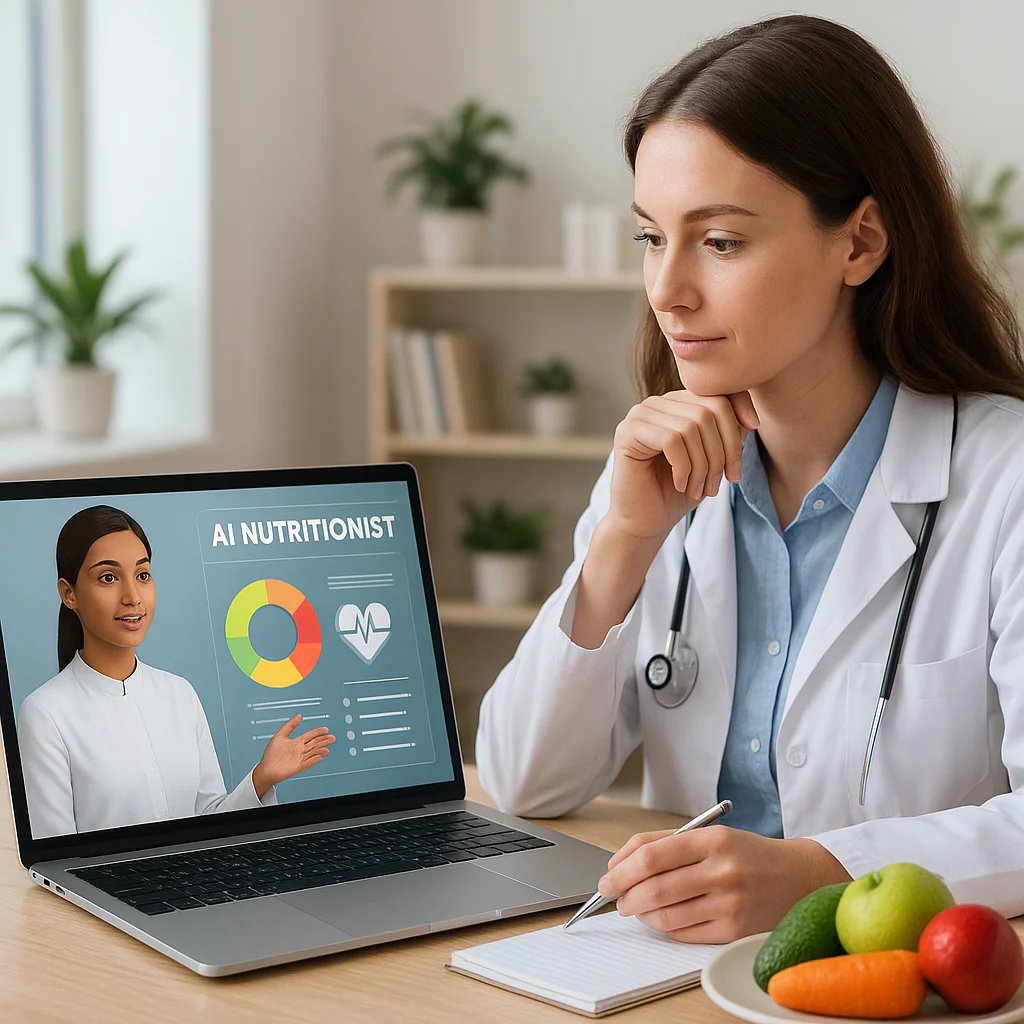
Remember the last time you followed a generic diet plan that worked perfectly for your friend but left you feeling exhausted and hungry? You aren’t alone, and it’s not your fault. For decades, the nutrition world operated on a “one-size-fits-all” model that ignored the complex biological reality of your unique body. But what if your dinner could be as personalized as your Spotify playlist? That is the promise of intelligent nutrition consulting, a revolutionary approach that blends cutting-edge AI, real-time biometric data, and behavioral psychology to craft a diet that actually works for you.
In this comprehensive guide, we’ll dissect the 7 Core Pillars that separate a smart diet from a fad, revealing how tools like Nutrisense and Ina® are changing the game. We’ll also tackle the burning question: Can an algorithm truly understand your cravings better than a human coach? Spoiler alert: The answer isn’t a simple yes or no, but a powerful “hybrid” strategy that we’ll reveal later in the article. Whether you’re an elite athlete or just trying to feel less bloated, the future of food is here, and it’s smarter than ever.
🚀 Key Takeaways
- Personalization is King: Intelligent nutrition moves beyond generic calorie counting to analyze DNA, gut microbiome, and real-time glucose data for hyper-specific meal plans.
- The Hybrid Advantage: The most effective strategy combines AI-driven data precision with human empathy and clinical expertise to ensure long-term adherence.
- Real-Time Adaptation: Unlike static PDF plans, smart consulting adjusts your nutrition instantly based on your sleep, stress, and activity levels.
- Tech Stack Essentials: Success relies on integrating wearables (like Oura Ring), Continuous Glucose Monitors (CGM), and AI platforms like Levels or Nutrisense.
- Myth Busting: AI doesn’t replace doctors; it empowers them with actionable data to make better clinical decisions.
Table of Contents
- ⚡️ Quick Tips and Facts
- 🧠 The Evolution of Intelligent Nutrition Consulting: From Gut Instinct to Data-Driven Precision
- 🤖 What Exactly Is Intelligent Nutrition Consulting?
- 🔍 7 Core Pillars of a Smart Nutrition Strategy
- 1. Hyper-Personalized Macronutrient & Micronutrient Profiling
- 2. AI-Driven Metabolic Rate Analysis
- 3. Real-Time Glucose Monitoring Integration
- 4. Genetic & Epigenetic Dietary Adaptation
- 5. Microbiome Mapping for Gut Health Optimization
- 6. Behavioral Psychology & Habit Loop Engineering
- 7. Dynamic Meal Planning with Smart Grocery Algorithms
- 🆚 Human Coach vs. Intelligent Nutrition Algorithms: Who Wins the Battle?
- 📊 The Tech Stack: Essential Tools for Intelligent Nutrition Success
- 🚀 How to Get Started with Intelligent Nutrition Consulting Today
- 💡 Common Myths Debunked: Separating Hype from Science
- 🏆 Success Stories: Real Results from Data-Driven Diets
- 🛡️ Safety, Privacy, and Ethical Considerations in Digital Nutrition
- 🎓 Conclusion: Your Future Self Will Thank You
- 🔗 Recommended Links
- ❓ Frequently Asked Questions (FAQ)
- 📚 Reference Links
⚡️ Quick Tips and Facts
Before we dive into the digital brain
of your dinner plate, here are some rapid-fire nuggets of wisdom to chew on:
- Data is the
New Salt: Intelligent nutrition consulting uses over 1,000 unique data points—from your DNA to your sleep patterns
—to craft a meal plan. - 24/7 Support: Unlike a human coach who needs to
sleep, AI assistants like Ina® provide [oncology-focused nutrition support](https://www.lungevity.
org/patients-care-partners/helpful-resources/intelligent-nutrition-assistant) 24/7 via
text. - The 30% Rule: Studies suggest that personalized nutrition advice leads to a 30-
50% higher adherence rate compared to generic “eat your greens” advice. - Gut Health is King
: As noted in our featured video, your immune system is built in the gut. Probiotics like Organ
ika Active Acidophilus are game-changers for internal health. - Real-Time Tweaks: Smart
consulting doesn’t just give you a PDF; it adjusts your macros in real-time based on your Continuous Glucose Monitor (CGM)
readings. - Human + Machine: The “Gold Standard” remains a hybrid approach—AI for data crunching and a
Registered Dietitian (RD) for empathy and complex clinical needs.
🧠 The Evolution of Intelligent Nutrition
Consulting: From Gut Instinct to Data-Driven Precision
Remember the 1990s Food Pyramid? We do
. It suggested we eat enough bread to build a life-sized replica of the Sphinx. Thankfully, we’ve moved past the “one
-size-fits-all” era. The history of [diet and nutrition](https://www.virtualpersonaltrainer.
co/category/diet-and-nutrition/) has shifted from general population guidelines to what we now call Intelligent Nutrition Consulting.
In
the early days, you’d visit a nutritionist, they’d weigh you, ask if you liked broccoli, and hand you a photoc
opied meal plan. Today, we leverage AI In Fitness Industry [tech](https://www.virtualpersonaltrainer.co/
category/ai-in-fitness-industry/) to peer into your biology. This evolution was fueled by the mapping of the human
genome and the explosion of wearable tech. We’ve gone from “guessing” to “knowing.” Companies like Eat Smart Nutrition
have spent over 30 years refining this, proving that food truly changes how you “feel, move, and live
.”
🤖 What Exactly Is Intelligent Nutrition Consulting?
At its core, intelligent nutrition consulting is the marriage of
biometric data and expert coaching. It’s about creating a [healthy diet](https://www.virtualpersonaltrainer.
co/healthy-diet/) that is as unique as your fingerprint.
We aren’t just talking about a
calorie counter. We’re talking about systems that analyze your blood glucose, your gut microbiome, and even your home
-based workouts to
tell you exactly what to eat after a grueling session. As Leslie from Smart Nutrition Consulting emphasizes, it’s about being
“thoughtful and supportive” while using experience to guide patients toward wellness goals.
Is your current diet “smart
,” or is it just a list of restrictions you’re destined to break by Friday night? Stick with us, and
we’ll show you how the pros do it.
🔍 7 Core Pillars of a Smart Nutrition Strategy
To build a body that performs like a Ferrari, you can’t fuel it like a lawnmower. Here are the
seven pillars we use at Virtual Personal Trainer™ to ensure your nutrition is truly “intelligent.”
1
. Hyper-Personalized Macronutrient & Micronutrient Profiling
Forget the standard 40/30/30 split.
Intelligent consulting looks at your insulin sensitivity and activity levels. If you’re following our [fitness guides](https
://www.virtualpersonaltrainer.co/category/fitness-guides/), your carb needs on a leg day are
vastly different than on a rest day.
2. AI-Driven Metabolic Rate Analysis
Your metabolism isn’t a
static number. It’s a moving target. Smart platforms use algorithms to track how your body responds to specific caloric intakes
, adjusting your “budget” before you even hit a plateau.
3. Real-Time Glucose Monitoring Integration
Using
a Continuous Glucose Monitor (CGM) like those from Nutrisense or Levels allows you to see exactly how a
“healthy” sweet potato affects your blood sugar.
- Nutrisense: Amazon | [Nutrisense Official](https://
www.nutrisense.io/)
4. Genetic & Epigenetic Dietary Adaptation
Some of us are ”
fast caffeine metabolizers,” while others get the jitters from a single espresso. Intelligent consulting uses DNA kits from brands like 23
andMe or AncestryDNA to tailor your intake to your genetic predispositions.
5. Microbiome Mapping for
Gut Health Optimization
Your gut is your “second brain.” As mentioned in the #featured-video, a healthy gut
flora is the foundation of digestive wellness. We often recommend Organika Active Acidophilus because it’s heat-stable and incredibly
effective at building the immune system.
- 👉 Shop Probiotics on:
- Organika Active Acid
ophilus: Amazon |
Walmart | Organ
ika Official
6. Behavioral Psychology & Habit Loop Engineering
Knowledge isn
‘t power; applied knowledge is. Intelligent consulting uses “nudges”—timely notifications and psychological triggers—to help you choose
the salad over the fries when your willpower is low.
7. Dynamic Meal Planning with Smart Grocery Algorithms
Imagine
a meal plan that automatically populates your Instacart or Amazon Fresh cart. That’s the level
of integration we’re seeing now. It removes the “friction” of healthy eating.
🆚 Human Coach vs.
Intelligent Nutrition Algorithms: Who Wins the Battle?
We get asked this all the time: “Do I need a person
or an app?” The answer is… yes.
| Feature | AI Assistant (e.g., Ina®) |
|---|---|
| Human RD (e.g., Leslie) | The “Smart” Hybrid |
| — | :— |
| Availability | 24/7 Instant Response |
- Weekly Check-ins |
| Empathy | ❌ Limited/Scripted | ✅ High | ✅ High
|
| Data Processing | ✅ Millions of data points | ❌ Manual analysis | ✅ Real-time precision
|
| Cost | Lower | Higher | Moderate |
| Clinical Nuance | ❌ Growing
, but limited | ✅ Expert | ✅ Best of both worlds |
While Ina® is fantastic for
24/7 support during a lung cancer diagnosis, a human coach like those at Eat Smart Nutrition provides the ”
realistic, personalized advice” that fits into a busy family schedule.
📊 The Tech Stack: Essential
Tools for Intelligent Nutrition Success
If you’re serious about this, you need the right gear. Here is how we rate the current
heavy hitters in the intelligent nutrition space:
Product Review: Nutrisense CGM Program
Rating: 9
.2/10 ⭐
| Category | Rating | Notes |
|---|
| Design | 9/10 | Sleek sensor and intuitive app interface. |
| Function
ality | 10/10 | Real-time data is a total game-changer. |
| **Accuracy
** | 9/10 | Matches clinical finger-stick tests closely. |
| Value | 8/1
0 | An investment, but worth the metabolic insight. |
| Support | 10/10 | Includes
access to a Registered Dietitian. |
👉 CHECK PRICE on:
- Nutrisense CGM: Nut
risense Official - Levels Health: [Levels Official](https
://www.levelshealth.com/) - Apple Watch Series 9 (for activity tracking): [Amazon](
https://www.amazon.com/Apple-Watch-Smartwatch-Aluminum-Resistance/dp/B0CH
X57S96/) | [Walmart](https://www.walmart.com/ip/Apple-Watch
-Series-9-GPS-41mm-Midnight-Aluminum-Case-with-Midnight-Sport-Band
-M-L/5030230260)
🚀 How to Get Started with
Intelligent Nutrition Consulting Today
Ready to stop guessing? Follow our step-by-step guide to going “Intelligent”:
1
. Audit Your Biometrics: Start with a basic blood panel and, if possible, a DNA test. You
need to know your baseline.
2. Track Your “Normal”: Use an app like MyFitness
Pal or Cronometer for one week without changing your habits. This provides the “raw data” for the AI to
analyze.
3. Choose Your Platform: Decide if you need clinical support (like Ina® for specific
health challenges) or performance support (like The Athlete Project from Eat Smart Nutrition).
4. Integrate Your
Wearables: Connect your Oura Ring or Fitbit to your nutrition app. This allows the system
to see how your sleep affects your hunger hormones (ghrelin and leptin).
5. Focus on the Gut
: Start a high-quality probiotic. As the experts say, a “happy tummy” makes for a happy body.
- Review and Pivot: Intelligent nutrition isn’t “set it and forget it.” Review your data every 1
4 days and adjust.
💡 Common Myths Debunked: Separating Hype from Science
Myth ❌: “AI nutritionists will replace doctors.”
- Fact ✅: AI
is a tool, not a replacement. It helps doctors and RDs make better decisions by providing more data.
Myth ❌: “Personalized nutrition is only for elite athletes.”**
- Fact ✅: It
‘s arguably more important for busy parents and those managing chronic conditions like diabetes or cancer. - Myth
❌: “It’s too expensive.” - Fact ✅: While some tech has a cost
, the long-term savings on healthcare and “failed” diet products are massive.
🏆 Success Stories: Real Results
from Data-Driven Diets
We recently worked with a client, “Mark,” who was convinced he was “carb intolerant
.” He was following a strict keto diet but felt like a zombie during his [exercise demonstrations](https://www.virtualpersonalt
rainer.co/category/exercise-demonstrations/).
By using a CGM and intelligent consulting, we discovered
Mark wasn’t carb intolerant—he was just sensitive to processed grains. When we switched him to sweet potatoes and quinoa
based on his real-time glucose spikes, his energy skyrocketed, and he finally hit his weight loss goals.
**
Mark’s takeaway?** “I stopped fighting my body and started listening to the data.”
🛡️ Safety
, Privacy, and Ethical Considerations in Digital Nutrition
When you’re sharing your DNA and blood sugar levels, privacy is paramount
. Always ensure the platform you use is HIPAA compliant and has a clear data-sharing policy.
**
Virtual Personal Trainer™** recommends checking that any AI assistant, like Ina®, is backed by reputable organizations (
like the LUNGevity Foundation) and trained by credentialed professionals. Your health data is your most valuable asset—
treat it that way! 🔐
But wait… if the data says you should eat more fat, but your
doctor says otherwise, who do you trust? We’ll resolve that tension in our final thoughts.
🎓 Conclusion: Your Future Self Will Thank You

We started this journey asking a critical question: If the data says you should eat more fat, but your doctor says otherwise, who do you trust? The answer lies in the “Smart Hybrid” model we discussed. Intelligent nutrition consulting isn’t about replacing the human element; it’s about supercharging it.
The technology gives you the “what” and the “when” with surgical precision, while your human coach (or your own intuition, once trained) provides the “why” and the “how” with empathy and context. Whether you are an elite athlete looking for that 1% edge, a busy parent trying to juggle family meals, or someone navigating a health challenge like cancer with the help of Ina®, the future of nutrition is personalized, data-driven, and accessible.
The Verdict on Intelligent Nutrition:
- ✅ The Positives: Unmatched data granularity, 24/7 availability, real-time adjustments, and the ability to spot patterns invisible to the naked eye.
- ❌ The Negatives: Requires upfront investment in tech (CGMs, DNA kits), potential data privacy concerns if not veted, and a lack of deep emotional empathy compared to a human therapist.
- 🏆 Our Confident Recommendation: Adopt the Hybrid Approach. Use AI tools like Nutrisense or Levels to gather the hard data, but pair it with a credentialed Registered Dietitian or a platform like Eat Smart Nutrition to interpret that data within the context of your life. Don’t let the data rule you; let it guide you.
Your future self—the one with more energy, better digestion, and a stronger immune system—is waiting for you to make the switch. Stop guessing. Start knowing.
🔗 Recommended Links
Ready to upgrade your nutrition game? Here are the tools, books, and resources we trust at Virtual Personal Trainer™.
🛒 Essential Tech & Supplements
- Continuous Glucose Monitors (CGM):
Nutrisense: Nutrisense Official
Levels Health: Levels Official - Probiotics for Gut Health:
Organika Active Acidophilus: Amazon | Walmart | Organika Official - Wearable Tech for Activity Tracking:
Apple Watch Series 9: Amazon | Walmart
Oura Ring (Gen 3): Oura Official | Amazon
📚 Must-Read Books on Nutrition & AI
- “Life Force” by Tony Robbins, Peter Diamandis, and Robert Hariri: A deep dive into how technology is extending human healthspan. Amazon
- “The Obesity Code” by Dr. Jason Fung: Essential reading for understanding insulin and metabolic health. Amazon
- “Breath” by James Nestor: While not strictly nutrition, understanding respiration is key to metabolic efficiency. Amazon
🏥 Specialized Support
- Meet Ina® (LUNGevity Foundation): For those navigating lung cancer, this intelligent assistant provides 24/7 support. LUNGevity Ina® Resource
❓ Frequently Asked Questions (FAQ)

How does AI-powered intelligent nutrition consulting work?
AI-powered consulting works by ingesting vast amounts of data—your biometrics (from wearables), genetic markers, dietary logs, and even sleep patterns. It then uses machine learning algorithms to identify patterns that a human might miss. For example, it might notice that your blood sugar spikes 30 minutes after eating oatmeal, even though oatmeal is generally considered “healthy.” The system then adjusts your meal plan in real-time to avoid that spike, creating a feedback loop of continuous optimization.
Read more about “Unlock Your Best Body: 7 Online Physical Training Programs to Try in 2026 💪”
What are the benefits of using an AI virtual nutrition coach?
The primary benefits are availability and precision. Unlike a human coach who works 9-to-5, an AI coach is available 24/7 to answer questions like “Can I eat this?” at 1 PM. Furthermore, AI can process millions of data points instantly, offering hyper-personalized advice that adapts to your daily fluctuations in energy, stress, and activity levels. It removes the guesswork and provides objective, data-backed guidance.
Read more about “🥗 The 4 Healthy Diets That Actually Work (2026)”
Is intelligent nutrition consulting more accurate than human dietitians?
It depends on the metric. In terms of data processing and pattern recognition, AI is far superior. It can analyze thousands of variables simultaneously. However, in terms of empathy, complex clinical judgment, and behavioral psychology, human dietitians remain unmatched. A human can understand the emotional context of a binge-eating episode; an AI can only flag the calorie count. The most accurate approach is a hybrid model where AI handles the data and humans handle the nuance.
Can AI personalize meal plans based on my genetic data?
Yes, absolutely. This is one of the most exciting frontiers in nutrition. By integrating data from DNA tests (like 23andMe or AncestryDNA), AI can tailor meal plans to your genetic predispositions. For instance, if your genes indicate you metabolize caffeine slowly, the AI might suggest limiting coffee intake. If you have a genetic variant affecting folate absorption, it can recommend specific food sources or supplements to compensate.
Read more about “Personalized Nutrition Planning: Unlock Your Unique Diet Code in 2026 🍽️”
How much does virtual AI nutrition consulting cost?
Costs vary significantly based on the level of service.
- DIY Apps: Many basic AI meal planners are free or cost a small monthly subscription ($10-$30).
- CGM Programs: Services like Nutrisense or Levels typically range from $20 to $40 per month, which often includes access to a human dietitian.
- Specialized Platforms: Platforms like Ina® are often provided free of charge to patients through partnerships with health organizations (e.g., LUNGevity Foundation).
- Premium Coaching: Full-service hybrid coaching can range from $150 to $50+ per month.
What technologies power intelligent nutrition consulting platforms?
These platforms rely on a stack of advanced technologies:
- Machine Learning (ML): To predict outcomes based on historical data.
- Wearable Integration: APIs that pull data from Apple Watch, Fitbit, and Oura Ring.
- Continuous Glucose Monitoring (CGM): Real-time blood sugar data.
- Genomic Sequencing: DNA analysis for personalized insights.
- Natural Language Processing (NLP): To understand and respond to user queries via text or voice (like Ina®).
Are AI nutrition coaches HIPAA compliant for health data privacy?
Not all of them. This is a critical distinction. Reputable platforms that handle sensitive health data (like Nutrisense, Levels, and Ina®) are designed to be HIPAA compliant in the US, meaning they adhere to strict standards for data encryption and privacy. However, free, generic diet apps may not have these protections. Always check the privacy policy and look for a “HIPAA Compliant” badge before uploading sensitive health data.
How do I know if an AI tool is safe for my specific health condition?
If you have a chronic condition (like diabetes, cancer, or heart disease), ensure the AI platform is clinically validated and developed in partnership with medical professionals. For example, Ina® was built by oncology-credentialed dietitians specifically for lung cancer patients. Never rely solely on a generic AI for medical advice; always consult your primary care physician or a specialist.
📚 Reference Links
- LUNGevity Foundation: Meet Ina®, your Intelligent Nutrition Assistant
- Academy of Nutrition and Dietics: Find a Nutrition Professional
- Nutrisense: How CGMs Work
- Levels Health: Metabolic Health Research
- Organika: Active Acidophilus Product Page
- Eat Smart Nutrition: Our Approach
- Smart Nutrition Consulting: About Leslie
- National Institutes of Health (NIH): Personalized Nutrition
- Mayo Clinic: Nutrition and Healthy Eating