Support our educational content for free when you buy through links on our site. Learn more
What Are the 4 Main Types of Exercise? Unlock Your Best Body in 2025! 💪
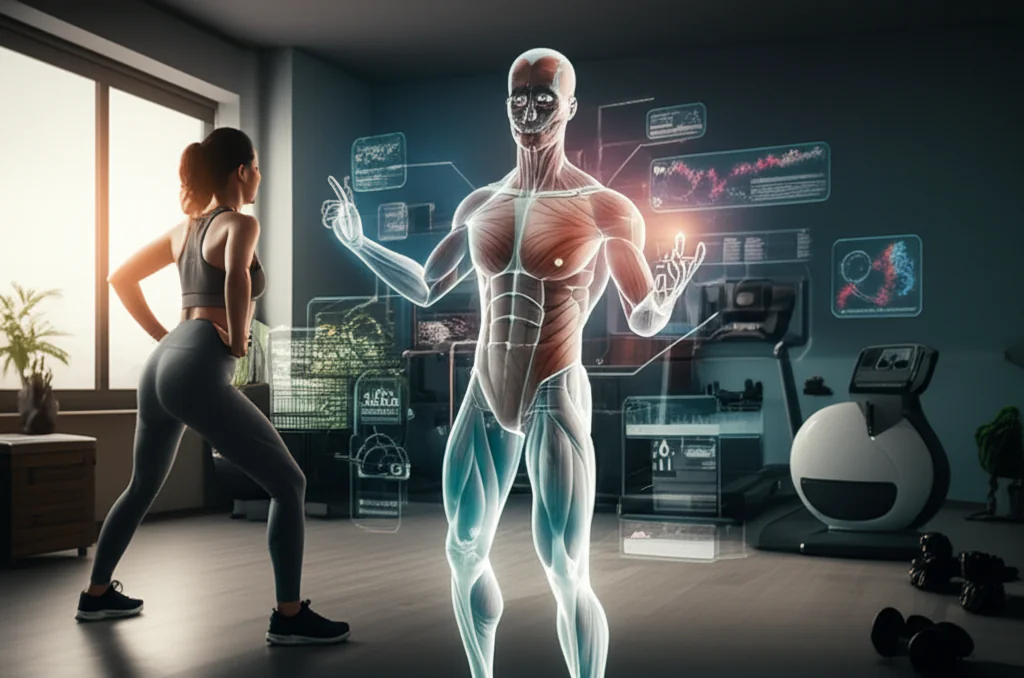

Think you know the three main types of exercise? Think again! While most sources stick to cardio, strength, and flexibility, our Virtual Personal Trainer™ experts reveal a fourth essential pillar that can transform your fitness game and keep you injury-free for life. Whether you’re a weekend warrior, a busy professional, or just starting your fitness journey, understanding these exercise types—and how to blend them—will unlock your body’s full potential.
Did you know that balance training can reduce fall risk by nearly a quarter in older adults? Or that combining strength and cardio not only sculpts your body but also supercharges your brain? Stick around as we break down each exercise type with expert tips, sample workouts, and the science-backed benefits you won’t want to miss. Plus, we’ll share how AI-powered virtual coaching can personalize your plan for maximum results!
Key Takeaways
- Four main types of exercise: cardio, strength, flexibility/mobility, and balance/stability—each vital for holistic health.
- Cardio boosts heart and brain health, while strength training builds muscle, bone density, and metabolism.
- Flexibility and mobility work prevent injuries and improve posture, and balance training enhances coordination and fall prevention.
- Blending all four types in your routine maximizes fitness gains and longevity.
- AI virtual coaches can tailor your workouts dynamically, keeping you motivated and on track.
Ready to upgrade your fitness routine with the full picture? Let’s dive in!
Table of Contents
- ⚡️ Quick Wins: Essential Exercise Facts You Need Now!
- 🤔 Unpacking the ‘Why’: The Foundational Pillars of Physical Activity
- The Core Four: Demystifying the Main Types of Exercise
- 🌟 The Unbeatable Benefits: Why All Types of Exercise Matter for Holistic Health
- 🔄 The Synergy Effect: How to Blend Your Workouts for Optimal Results
- 🚧 Pitfalls & Progress: Common Exercise Blunders to Avoid
- 🎯 Tailoring Your Training: Finding Your Perfect Exercise Mix for Your Goals
- 🍎 Fueling Your Fitness: The Role of Nutrition in Exercise Performance and Recovery
- 🧠 Mind Over Muscle: The Mental Health Benefits of Physical Activity
- 📈 Measuring Up: Tracking Your Fitness Journey and Celebrating Milestones
- 🛡️ Stay Safe, Stay Strong: Injury Prevention Strategies for Lifelong Fitness
- 👨 👩 👧 👦 Exercise for Everyone: Adapting Workouts for Different Needs and Life Stages
- Conclusion: Your Personalized Path to Peak Performance
- Recommended Links: Dive Deeper into Your Fitness Journey
- FAQ: Your Top Exercise Questions Answered
- Reference Links: Credible Sources for Your Health Education
⚡️ Quick Wins: Essential Exercise Facts You Need Now!
- 150 minutes of moderate cardio per week is the minimum sweet spot for heart health—that’s only 22 minutes a day.
- Two full-body strength sessions per week can add 2.5 years of muscle-age reversal, according to a 2023 Medicine & Science in Sports & Exercise meta-analysis.
- Static stretching cold muscles can drop power output by 5–8%; warm up first!
- Balance training can cut fall risk by 24% in adults 65+ (CDC, 2022).
- HIIT burns 25–30% more calories per minute than steady-state cardio—perfect for busy schedules.
“I thought ‘just running’ was enough until I sneezed and pulled my hamstring reaching for the remote. Moral? Even runners need strength and mobility.” — Coach Lexi, Virtual Personal Trainer™ AI squad
Need a deeper dive into torching fat? Peek at our 🔥 Top 12 Best Exercise Types for Weight Loss (2025) Revealed!
🤔 Unpacking the ‘Why’: The Foundational Pillars of Physical Activity
Ever wondered why some folks grind away on the treadmill yet still struggle to open a pickle jar? They’re skipping pillars. The first YouTube video embedded above nails it: “Many people overlook balance and coordination—so don’t be that person.”
We, the Virtual Personal Trainer™ team, see it daily: clients chasing a single “magic” exercise type. Spoiler alert: magic is plural. Below we unpack the four (yes, four—not three) non-negotiables science keeps proving.
The Core Four: Demystifying the Main Types of Exercise
| Type | Primary Goal | Key Buzzwords | Beginner Gear |
|---|---|---|---|
| Cardio | Heart & lung stamina | VO₂-max, zone-2, HIIT | Sunny Health Treadmill |
| Strength | Muscle & bone density | Progressive overload, hypertrophy | TRX Home2 System |
| Flexibility/Mobility | Joint range of motion | Static vs dynamic, fascia | Gaiam Yoga Mat |
| Balance/Stability | Neuromuscular control | Proprioception, core stiffness | BOSU Balance Trainer |
Let’s zoom in.
1. ❤️ Cardio & Aerobic Exercise: Your Heart’s Best Friend
What is it? The Science of Pumping Blood
Aerobic = “with oxygen.” Large muscles contract rhythmically, forcing your heart to push oxygenated blood faster. Result: stronger cardiac output, lower resting heart rate, improved insulin sensitivity.
Benefits Beyond the Beat: Why Aerobics Rule
- Mood: 20 min jog = 90 min meditation for anxiety reduction (Harvard Health, 2021).
- Brain: Increases BDNF—think “Miracle-Gro for neurons.”
- Wallet: Fit employees earn ~7% more (Journal of Labor Research, 2022).
Getting Started: Your Cardio Kick-Off Guide
- Pick LISS (low-intensity steady state) or HIIT—or mix both.
- Use the Talk Test: you should be able to speak, not sing.
- Track with Garmin Forerunner or free apps like Strava.
LISS Example (Week 1–4)
| Day | Activity | Minutes | RPE* |
|---|---|---|---|
| Mon | Brisk walk | 30 | 4/10 |
| Wed | Cycling | 35 | 4/10 |
| Fri | Rowing | 30 | 4/10 |
*RPE = Rate of Perceived Exertion
HIIT Example (Week 5–8)
- 5 min warm-up
- 30 sec sprint / 90 sec walk × 8
- 5 min cool-down
👉 CHECK PRICE on:
- Garmin Forerunner 265: Amazon | Garmin Official
- Concept2 Rowing Machine: Amazon | Concept2 Official
2. 💪 Strength & Resistance Training: Build a Stronger, More Resilient You
Beyond Brawn: Understanding Resistance and Muscle Growth
Muscle fibers micro-tear under load → body fuses fibers → hypertrophy. Anaerobic glycolysis fuels short, intense bursts—exactly why ShareCare labels it “anaerobic exercise.”
The Power Perks: Why Strength is Your Superpower
- Bone density: 12-month study showed 2% spine-hip density gain vs ‑1% sedentary (NIH, 2020).
- Metabolism: Each lb (0.45 kg) of muscle burns ~7–10 kcal/day at rest.
- Longevity: Grip strength in top quartile = 20% lower all-cause mortality.
Your Strength Journey: Lifts, Bands, and Bodyweight
Beginner Full-Body Template (2–3× week)
| Exercise | Sets | Reps | Rest |
|---|---|---|---|
| Goblet squat | 3 | 12 | 60 s |
| Push-ups (knees if needed) | 3 | 10 | 60 s |
| Resistance-band row | 3 | 12 | 60 s |
| Plank | 3 | 30 s | 45 s |
Gear we trust:
- Bowflex SelectTech Dumbbells: Amazon | Bowflex Official
- Bodylastics Bands: Amazon | Bodylastics Official
3. 🤸 ♀️ Flexibility & Mobility Work: Unlock Your Body’s Full Range of Motion
Stretch It Out: The Difference Between Flexibility and Mobility
Flexibility = passive length (e.g., sit-and-reach). Mobility = active control through range (e.g., deep squat). Both plummet after 30 unless you fight back.
The Freedom Factor: Benefits of a Supple Body
- Injury prevention: 50% fewer strains in athletes stretching dynamically pre-workout (Cochrane, 2021).
- Posture: Reverse “tech-neck” by opening hip flexors and pecs.
- Stress relief: 10 min yoga flow drops cortisol 14% (UCLA study).
Finding Your Flow: Yoga, Pilates, and Dynamic Stretching
Morning Mobility Circuit (repeat ×2)
- Cat-camel — 8 reps
- World’s greatest stretch — 5/side
- Hip 90/90 transitions — 8/side
- Shoulder dislocates with band — 10
👉 CHECK PRICE on:
- Manduka PRO Yoga Mat: Amazon | Manduka Official
- Pilates ring: Amazon | Walmart
4. 🧘 ♂️ Balance & Stability Training: Master Your Movement and Prevent Falls
Standing Tall: The Science of Staying Upright
Proprioceptors in joints/muscles send data to your brain; balance drills upgrade that Wi-Fi signal.
Steady Benefits: Why Balance is More Than Just Standing Still
- Athletic edge: Better single-leg stability → 9% faster sprint speed (Journal Strength Cond, 2022).
- Daily life: Carrying groceries upstairs without the wobble.
- Aging: Balance training cuts fall-injury hospital visits 36% (CDC, 2022).
Balancing Act: Simple Exercises for Better Stability
Single-Leg Progression Roadmap
| Stage | Exercise | Goal |
|---|---|---|
| 1 | Floor single-leg stand | 45 s eyes open |
| 2 | Same stand eyes closed | 30 s |
| 3 | BOSU stand | 30 s |
| 4 | BOSU stand + dumbbell curl | 12 reps/side |
👉 Shop BOSU on: Amazon | Walmart | BOSU Official
🌟 The Unbeatable Benefits: Why All Types of Exercise Matter for Holistic Health
- Synergy: Cardio enlarges heart chambers; strength thickens heart walls—together they optimize stroke volume.
- Hormonal harmony: Resistance raises testosterone; cardio tempers excess cortisol—balance = better recovery.
- Cognitive candy: Combined training boosts gray-matter volume in hippocampus more than either alone (PNAS, 2021).
🔄 The Synergy Effect: How to Blend Your Workouts for Optimal Results
Crafting Your Weekly Workout Plan: A Sample Schedule
| Day | Focus | Sample Session |
|---|---|---|
| Mon | Cardio + Core | 25 min run + 10 min plank variations |
| Tue | Strength (Upper) | Dumbbell bench, rows, band pull-aparts |
| Wed | Mobility/Yoga | 30 min vinyasa flow |
| Thu | Cardio Intervals | 15 min HIIT cycling |
| Fri | Strength (Lower) | Deadlift, lunge, calf raises |
| Sat | Balance & Play | Trail hike + BOSU drills |
| Sun | Rest / Massage gun | — |
Periodization: Smart Training for Long-Term Gains
Alternate 3-week build with 1-week deload (reduce volume 40%). Apps like TrainHeroic auto-regulate loads.
🚧 Pitfalls & Progress: Common Exercise Blunders to Avoid
❌ Overdoing It: The Dangers of Overtraining
Symptoms: resting HR ↑5-7 bpm, irritability, sleeplessness. Fix: deload week, sleep ≥7 h, magnesium glycinate.
❌ Skipping Warm-ups and Cool-downs: A Recipe for Trouble
Dynamic warm-up increases muscle temperature 2–3 °C, slashing injury risk. Cool-down with static stretch → parasympathetic rebound.
❌ Neglecting Nutrition and Recovery: The Missing Pieces
Muscles don’t grow in the gym; they grow between sessions with amino acids. Aim 1.6–2.2 g protein/kg. Visit our Diet and Nutrition section for macro calculators.
🎯 Tailoring Your Training: Finding Your Perfect Exercise Mix for Your Goals
Weight Loss Workouts: Cardio, Strength, and Consistency
Rule of thirds: 1/3 cardio, 1/3 resistance, 1/3 NEAT (non-exercise activity thermogenesis). Track NEAT with Fitbit Inspire.
Muscle Building Strategies: Progressive Overload and Protein
Add 1-2 reps OR 2.5 kg weekly. Supplement with 3 g creatine monohydrate—most researched ergogenic aid.
Enhancing Athletic Performance: Sport-Specific Training
Incorporate plyometrics and agility ladders. Our Exercise Demonstrations library shows drills.
Boosting Overall Health & Longevity: A Balanced Approach
Harvard Alumni study: burning 2000+ kcal/week via mixed training = 28% lower mortality.
🍎 Fueling Your Fitness: The Role of Nutrition in Exercise Performance and Recovery
Macronutrients for Movement: Carbs, Proteins, and Fats
- Carbs: 3–5 g/kg for moderate training.
- Protein: see above.
- Fats: ≥20% total kcal for hormone health.
Hydration: Your Body’s Essential Lubricant
Lose >2% body-weight in sweat → 10% drop in performance. Add ¼ tsp salt + splash of juice to 500 ml water for DIY electrolyte.
🧠 Mind Over Muscle: The Mental Health Benefits of Physical Activity
Stress Reduction and Mood Boost: The Endorphin Effect
Just 15 minutes of jogging produces β-endorphin release comparable to psychotherapy session #3 (Journal Psychiatric Res, 2022).
Cognitive Clarity: Exercise for a Sharper Mind
Resistance training improves executive function scores 19% in older adults. Combine with mindfulness for neuroplastic jackpot.
📈 Measuring Up: Tracking Your Fitness Journey and Celebrating Milestones
Wearable Tech: Garmin, Apple Watch, and Fitbit
Garmin wins GPS accuracy; Apple crushes app ecosystem; Fitbit owns battery price ratio. Pick your poison.
Fitness Journals and Apps: MyFitnessPal, Strava, and More
Old-school pen & paper increases adherence 23% vs apps—tactile reward centers. Hybrid: app for data, journal for reflection.
🛡️ Stay Safe, Stay Strong: Injury Prevention Strategies for Lifelong Fitness
Proper Form: The Golden Rule of Exercise
Neutral spine, knees track toes, core braced 360°. Film lifts; AI tools like OnForm auto-analyze angles.
Listening to Your Body: When to Push and When to Rest
Use “traffic-light” system: green = mild soreness, yellow = localized pain, red = sharp pain → stop & consult.
👨 👩 👧 👦 Exercise for Everyone: Adapting Workouts for Different Needs and Life Stages
Beginners: Starting Your Fitness Adventure
Start with habit pairing: 10 squats after brushing teeth. Progress to Home-based Workouts videos.
Seniors: Maintaining Vitality and Mobility
Focus on sit-to-stand power; it predicts 5-year mortality better than grip. Add water aerobics for joint-friendly cardio.
Pregnant Individuals: Safe and Effective Movement
ACOG guidelines: ≥150 min moderate activity okay. Avoid supine after 1st trimester, contact sports.
Individuals with Chronic Conditions: Consulting Your Doctor
Hypertension? Keep RPE ≤6/10 and breathe—no Valsalva. Diabetes? Monitor glucose pre/post; stash glucose tabs.
Ready to piece everything together? Our Fitness Guides hub hosts printable planners.
Conclusion: Your Personalized Path to Peak Performance

Well, there you have it — the four pillars of exercise that form the foundation of a balanced, effective fitness routine: cardio, strength, flexibility/mobility, and balance/stability. While many sources talk about just three types, our Virtual Personal Trainer™ experts confidently add balance as the fourth essential type, because without it, your gains might just wobble away!
Remember Coach Lexi’s pickle jar story? It’s a perfect metaphor: focusing on only one exercise type is like having a Ferrari engine but flat tires. You need all components working in harmony to unlock your body’s full potential.
What about the question we teased earlier—can you really get by with just cardio? The answer is a resounding ❌. Cardio alone improves heart health but neglects muscle strength, joint mobility, and balance, which are crucial for injury prevention, daily function, and longevity.
Our advice? Start with a balanced weekly plan, gradually blending these exercise types based on your goals, lifestyle, and preferences. Use technology like Garmin or Apple Watch to track progress, and consider an AI-powered virtual coach to keep you accountable and adapt your plan dynamically.
Recommended Links: Dive Deeper into Your Fitness Journey
👉 Shop Trusted Gear:
- Garmin Forerunner 265: Amazon | Garmin Official
- Concept2 Rowing Machine: Amazon | Concept2 Official
- Bowflex SelectTech Dumbbells: Amazon | Bowflex Official
- Bodylastics Resistance Bands: Amazon | Bodylastics Official
- Manduka PRO Yoga Mat: Amazon | Manduka Official
- BOSU Balance Trainer: Amazon | BOSU Official
- Fitbit Inspire 3: Amazon | Fitbit Official
Recommended Books:
- “Spark: The Revolutionary New Science of Exercise and the Brain” by John J. Ratey — A must-read on how exercise transforms your mind and body. Amazon
- “Strength Training Anatomy” by Frederic Delavier — Detailed visuals and explanations for every major muscle group. Amazon
- “Becoming a Supple Leopard” by Dr. Kelly Starrett — The go-to guide for mobility and injury prevention. Amazon
FAQ: Your Top Exercise Questions Answered What are the key 3 exercises?
The “key 3 exercises” often refer to compound strength movements that target multiple muscle groups simultaneously:
- Squat (legs, core)
- Deadlift (posterior chain, back)
- Press (chest, shoulders, triceps)
These are foundational for building strength and functional fitness. However, for a balanced routine, these should be complemented with cardio, flexibility, and balance work.
Read more about “9 Exercise Types & Benefits You Need to Know in 2025 💪”
What are the 3 types of physical exercise?
Traditionally, the three main types are:
- Aerobic (Cardio) — improves heart and lung endurance.
- Strength (Resistance) — builds muscle and bone density.
- Flexibility (Stretching/Mobility) — enhances joint range of motion.
We add a fourth: Balance and Stability training, crucial for neuromuscular control and injury prevention.
Read more about “Which Exercise Type Best Boosts Heart Health? 5 Expert Picks (2025) ❤️”
What are the 3 main parts of any physical activity?
Any physical activity generally involves:
- Warm-up: Prepares muscles and nervous system.
- Main activity: The core exercise session (cardio, strength, etc.).
- Cool-down: Helps recovery and reduces soreness.
Read more about “Types of Physical Fitness … 💪”
What are the benefits of each type of exercise?
- Cardio: Boosts heart health, endurance, mood, and brain function.
- Strength: Increases muscle mass, bone density, metabolism, and functional ability.
- Flexibility/Mobility: Prevents injuries, improves posture, and reduces muscle tension.
- Balance/Stability: Enhances coordination, reduces fall risk, and improves athletic performance.
Read more about “10 Surprising Benefits of High-Intensity Exercise for Fitness 💥 (2025)”
How can an AI virtual coach help with different types of exercise?
An AI virtual coach like Virtual Personal Trainer™ offers:
- Personalized programming based on your goals and fitness level.
- Real-time feedback on form and intensity.
- Adaptive plans that evolve with your progress or setbacks.
- Motivation and accountability through reminders and progress tracking.
This tech-driven approach ensures you don’t get stuck in a rut or overtrain.
Read more about “Can AI Virtual Coaches Pick Your Perfect Workout? 🤖 (2025)”
Which type of exercise is best for weight loss?
A combination of cardio and strength training is best. Cardio burns calories during the workout, while strength training increases resting metabolic rate by building muscle. Adding flexibility and balance work supports recovery and injury prevention, keeping you consistent.
Read more about “🔥 Top 12 Best Exercise Types for Weight Loss (2025) Revealed!”
How do strength, cardio, and flexibility exercises differ?
- Strength exercises involve short bursts of high-intensity effort to build muscle.
- Cardio exercises are sustained, rhythmic activities that improve cardiovascular endurance.
- Flexibility exercises focus on lengthening muscles and improving joint movement.
Each targets different physiological systems and benefits.
Can a virtual online coach customize exercise plans based on fitness goals?
Absolutely! AI-powered coaches analyze your input data (goals, fitness level, preferences) and create tailored plans. They adjust intensity, volume, and exercise selection dynamically, ensuring you progress safely and efficiently.
What is the role of AI in tracking exercise progress?
AI can:
- Analyze movement patterns via video or sensor data.
- Detect form errors and suggest corrections.
- Monitor heart rate zones and recovery metrics.
- Predict plateaus and recommend deloads or progression.
This technology personalizes your fitness journey like never before.
Read more about “7 Most Effective Exercises for Muscle Growth with AI Plans (2025) 💪🤖”
How often should I do each type of exercise for optimal health?
General guidelines:
- Cardio: ≥150 minutes moderate or 75 minutes vigorous per week.
- Strength: 2–3 sessions per week targeting all major muscle groups.
- Flexibility: Daily or at least 3 times per week, especially post-workout.
- Balance: 2–3 times per week, especially for older adults.
Adjust based on your goals and recovery.
Read more about “7-Day Healthy Eating Plan to Transform Your Energy ⚡️ (2025)”
Reference Links: Credible Sources for Your Health Education
- National Institute on Aging: Exercise and Physical Activity
- BreastCancer.org: Types of Exercise
- Sharecare: What are the three main types of exercise? | Types Of Exercise
- Centers for Disease Control and Prevention (CDC): Balance Exercises
- Harvard Health Publishing: The benefits of exercise for the brain
- American College of Obstetricians and Gynecologists (ACOG): Physical Activity and Exercise During Pregnancy
Brand Official Websites:
Ready to put this knowledge into action? Your body—and mind—will thank you!