Support our educational content for free when you buy through links on our site. Learn more
🧠 Unlock Your Brain: Nootropic Nutrition for Cognitive Health Optimization (2026)
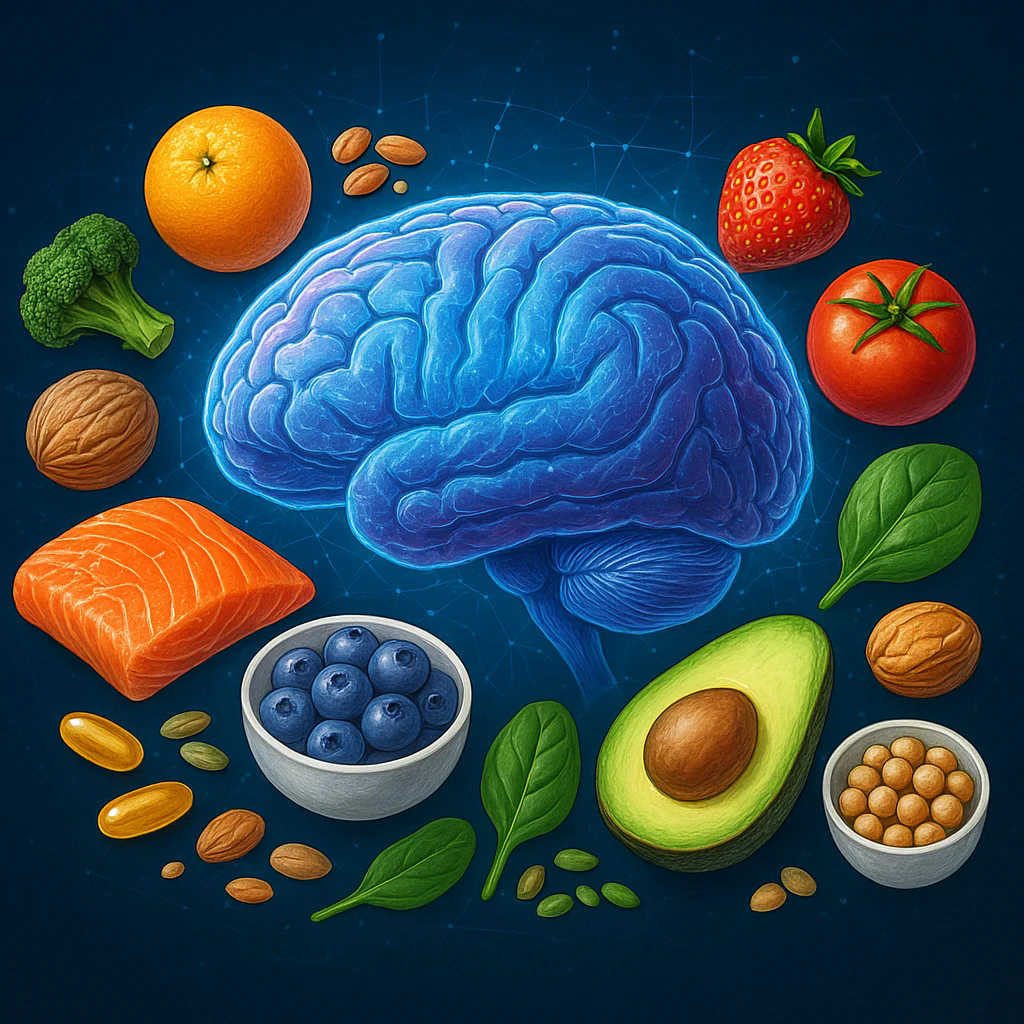
True cognitive optimization starts with food, not pills; smart nutrition builds the foundation your brain needs to thrive. While the internet is flooded with “smart drugs,” the most powerful nootropic nutrition for cognitive health optimization is actually sitting in your fridge right now.
We once watched a client, a brilliant but perpetually fogy software engineer, swap his sugary energy drinks for a choline-rich breakfast and a targeted Omega-3 stack. Within three weeks, his “brain fog” didn’t just lift; it vanished, replaced by a clarity he hadn’t felt since college.
Did you know your brain consumes roughly 20% of your body’s total energy despite being only 2% of your weight? It’s an energy hog that demands premium fuel, yet we often feed it processed garbage and wonder why it stalls.
The secret isn’t a magic pill that rewires your neurons overnight. It’s a strategic combination of macronutrients, micronutrients, and adaptogens that work in harmony to support neuroplasticity and memory.
In this guide, we cut through the hype to reveal exactly which foods and supplements actually move the needle for your mental performance.
Key Takeaways
- Foundation First: No supplement can fix a poor diet or lack of sleep; nootropic nutrition works best when your baseline health is optimized.
- The Power of Stacking: Combining specific nutrients like Caffeine + L-Theanine or Creatine + Omega-3s creates synergistic effects greater than the sum of their parts.
- Patience is Critical: While stimulants offer instant results, herbs like Bacopa Monieri and Lion’s Mane require 4–6 weeks of consistent use to show cognitive benefits.
- Safety Matters: Always prioritize third-party tested supplements and consult a healthcare provider before starting new regimens, especially if you take medications.
- Personalization is Key: What works for one person may not work for another; AI-driven tracking and listening to your body are essential for finding your unique optimal stack.
Table of Contents
- ⚡️ Quick Tips and Facts
- 🧠 The Evolution of Brain Fuel: A Brief History of Nootropic Nutrition
- 🔬 The Science of Synapses: How Nutrients Optimize Cognitive Function
- 🥗 The Big 5: Essential Macronutrients for Mental Clarity and Focus
- 💊 The Micronutrient Matrix: Vitamins and Minerals That Power Your Mind
- 🌿 Plant-Based Powerhouses: Adaptogens and Herbal Nootropics Explained
- 🧪 Synthetic vs. Natural: Navigating the World of Cognitive Enhancers
- 🚫 The Brain Fog Culprits: Foods and Habits That Sabotage Your Focus
- 📅 Designing Your Daily Nootropic Nutrition Protocol
- 🧪 Top 7 Nootropic Supplements for Cognitive Health Optimization (And What We Actually Think)
- 🍳 Brain-Boosting Recipes: Meals That Make You Smarter
- ⚖️ Safety First: Dosage, Side Effects, and Drug Interactions
- 🧩 Myths vs. Reality: Separating Hype from Hard Science
- 📊 The Nootropic Nutrition Cheat Sheet: A Quick Reference Guide
- 🏆 Conclusion
- 🔗 Recommended Links
- ❓ FAQ: Your Burning Questions About Brain Food Answered
- 📚 Reference Links
Before we dive deep into the molecular machinery of your mind, let’s hit the high notes so you know exactly what we’re aiming for. Think of this as your pre-flight checklist before takeoff into the stratosphere of cognitive optimization.
- Food First, Supplements Second: You can’t supplement your way out of a terrible diet. Sleep, stress management, and a nutrient-dense diet are the non-negotiable foundation. As Dr. Chris D’Adamo from the University of Maryland puts it, “Most people seeking to optimize cognitive function would better off focusing on getting enough sleep, eating a nutrient-dense diet, and managing their stress.”
- The “Smart Drug” Myth: Nootropics aren’t magic pills that turn you into a supercomputer overnight. They are modulators, not generators. They work best when your baseline biology is already humming along.
- Context is King: A supplement that works wonders for a sleep-deprived soldier on a mission might do absolutely nothing for a well-rested office worker. External stressors dictate efficacy.
- Patience is a Virtue: Some herbs, like Bacopa monieri, take 4–6 weeks to show results. If you quit after three days because you don’t feel “zapped,” you’re missing the boat.
- Safety First: The FDA does not regulate supplements with the same rigor as prescription drugs. Third-party testing is your best friend.
- The Caffeine Trap: Never, ever use pure caffeine powder. One teaspoon equals roughly 28 cups of coffee and can be fatal. Stick to measured doses!
For a deeper dive into the basics of fueling your body correctly, check out our guide on healthy diet to see how nutrition sets the stage for everything else.
We often think of “nootropics” as a 21st-century buzzword, a Silicon Valley invention born from the need to code faster and trade stocks quicker. But the story of brain fuel is as old as humanity itself.
From Ancient Herbs to Modern Science
Long before we had the term “nootropic,” our ancestors were experimenting with nature’s pharmacy.
- Ayurveda: In ancient India, practitioners used Bacopa monieri (Brahmi) and Ashwagandha to enhance memory and reduce stress. They understood the concept of adaptogens long before the term was coined.
- Traditional Chinese Medicine: Ginseng has been used for millennia to boost “Qi” (energy) and mental clarity.
- The 1970s Breakthrough: The term “nootropic” was actually coined in 1972 by Dr. Corneliu E. Giurgea, a Romanian psychologist and chemist. He synthesized Piracetam and defined it as a substance that enhances learning and memory while protecting the brain from physical and chemical injuries.
The Military Connection
Here’s a twist you might not expect: much of the rigorous research into cognitive enhancers comes from the military. As noted in recent studies, the military views dietary notropics as a “medium-term human augmentation technology.”
“Given the increasing requirement for cognitive capabilities by military personnel to complete role-related tasks, dietary notropics could be highly beneficial in specific contexts.”
Why? Because in high-stress environments—like a battlefield or a high-stakes negotiation—cognitive resilience can be the difference between success and failure. The military focuses on supplements like L-tyrosine and caffeine to maintain performance during sleep deprivation and extreme physical exertion.
The Shift to Consumer Culture
Fast forward today, and the “biohacking” movement has democratized these tools. We’ve moved from ancient herbal teas to racetams, choline donors, and synthetic compounds. But as we’ll see later, the core principle remains: optimization requires a holistic approach, not just a pill.
So, how does eating a walnut actually make you smarter? It’s not magic; it’s neurochemistry.
The Neurotransmitter Highway
Your brain communicates via neurotransmitters—chemical messengers that jump across the synapse (the gap between neurons). To function optimally, your brain needs the right precursors (building blocks) to make these messengers.
- Acetylcholine: The “learning and memory” neurotransmitter. It’s made from Choline. If you don’t eat enough choline-rich foods (like eggs), your brain struggles to form new memories.
- Dopamine: The “motivation and reward” chemical. It relies on L-tyrosine and phenylalanine. Low levels lead to brain fog and lack of drive.
- Serotonin: The “mood stabilizer.” It needs tryptophan and vitamin B6.
- Glutamate & GABA: The “gas” and “brake” of the brain. Balancing these is crucial for focus without anxiety.
Mitochondrial Power
Your brain is an energy hog, consuming about 20% of your body’s energy despite being only 2% of your weight. Mitochondria are the power plants of your cells.
- Creatine: Often associated with muscles, creatine is vital for ATP regeneration in the brain. It helps your neurons fire faster and recover quicker from mental fatigue.
- B-Vitamins: Specifically B12, B6, and Folate, are essential for the methylation cycle, which produces energy and repairs DNA.
Neuroplasticity and Growth
Nootropics don’t just make you think faster; they can help your brain grow.
- BDNF (Brain-Derived Neurotrophic Factor): Think of this as “fertilizer” for your brain cells. It encourages the growth of new neurons and strengthens connections.
- Omega-3 Fatty Acids (DHA/EPA): These are structural components of brain cell membranes. Without them, your cells become rigid and communication slows down.
- Lion’s Mane Mushroom: This fungus has been shown to stimulate NGF (Nerve Growth Factor), potentially helping to repair damaged nerves.
Did you know? The video we mentioned earlier highlights how subconscious gut signals and learned associations influence our food choices. It turns out, your brain doesn’t just want calories; it craves specific nutrients like phosphatidylserine and choline to maintain its structure.
While we often obsess over pills, the macronutrients you eat every day are the real heavy lifters. Let’s break down the “Big 5” that your brain demands.
1. Healthy Fats: The Brain’s Structural Backbone
Your brain is roughly 60% fat. If you cut out all fat, you’re essentially starving your brain of its building blocks.
- Omega-3s (EPA & DHA): Found in fatty fish (salmon, mackerel), walnuts, and chia seeds. They reduce inflammation and improve membrane fluidity.
- Saturated Fats: Don’t fear them entirely! The brain needs saturated fats for myelin sheaths (the insulation around nerves). Coconut oil (MCTs) is a quick energy source for the brain.
- Monounsaturated Fats: Avocados and olive oil support blood flow to the brain.
2. Complex Carbohydrates: The Steady Fuel
Your brain runs on glucose, but it hates spikes and crashes.
- Low Glycemic Index (GI) Carbs: Oats, quinoa, and sweet potatoes provide a slow, steady release of glucose.
- Avoid: Refined sugars and white flour, which cause brain fog and energy crashes.
3. High-Quality Protein: The Precursor Pool
Protein provides the amino acids needed to synthesize neurotransmitters.
- Complete Proteins: Eggs, lean meats, fish, and dairy provide all essential amino acids.
- Plant Proteins: Combine legumes and grains (like rice and beans) to get a complete profile.
4. Fiber: The Gut-Brain Axis
Your gut produces about 90% of your body’s serotonin. A healthy microbiome is essential for mental health.
- Prebiotics: Garlic, onions, bananas, and asparagus feed good bacteria.
- Probiotics: Yogurt, kefir, and sauerkraut introduce good bacteria.
5. Water: The Forgotten Nutrient
Even mild dehydration (1-2%) can impair concentration, short-term memory, and reaction time.
- Tip: Drink a glass of water before your morning coffee. Caffeine is a diuretic; you need to replace the fluid first.
| Nutrient | Primary Brain Function | Best Food Sources | Deficiency Symptom |
|---|---|---|---|
| Omega-3s | Cell membrane structure, anti-inflammatory | Salmon, Walnuts, Flaxseds | Brain fog, mood swings |
| Choline | Acetylcholine synthesis (memory) | Eggs, Liver, Soybeans | Poor memory, muscle weakness |
| Glucose (Complex) | Primary energy source | Oats, Quinoa, Beries | Fatigue, irritability |
| Amino Acids | Neurotransmitter production | Meat, Fish, Eggs, Legumes | Lack of focus, low mood |
| Water | Electrolyte balance, nutrient transport | Water, Herbal Tea, Cucumber | Headache, confusion |
If macronutrients are the bricks, micronutrients are the mortar holding it all together. Without these, the structure crumbles.
The B-Complex: The Energy Team
- Vitamin B12: Crucial for nerve health and DNA synthesis. Deficiency is a common cause of cognitive decline, especially in older adults and vegans.
- Vitamin B6: Essential for making serotonin, dopamine, and GABA.
- Folate (B9): Works with B12 to lower homocysteine levels (high levels are linked to dementia).
- B-Complex Synergy: These vitamins work best together. A deficiency in one often masks or exacerbates a deficiency in another.
Vitamin D: The Sunshine Hormone
Often overlooked, Vitamin D receptors are found throughout the brain. Low levels are strongly linked to depression and cognitive decline.
- Source: Sunlight, fatty fish, fortified foods.
- Suplementation: Many of us are deficient, especially in winter.
Magnesium: The Relaxation Mineral
Magnesium is involved in over 30 enzymatic reactions, including those that regulate neurotransmitters.
- Forms: Magnesium L-Threonate is the only form that effectively crosses the blood-brain barrier, making it a favorite for cognitive enhancement.
- Benefits: Improves sleep quality, reduces anxiety, and enhances memory.
Zinc and Iron: The Oxygen and Signal Team
- Zinc: Vital for neurotransmitter function and neuroplasticity. Found in oysters, beef, and pumpkin seeds.
- Iron: Caries oxygen to the brain. Iron deficiency leads to fatigue and poor concentration. Caution: Don’t supplement iron unless you have a confirmed deficiency, as excess iron can be toxic.
Antioxidants: The Brain’s Bodyguards
Free radicals damage brain cells. Antioxidants neutralize them.
- Vitamin E: Protects cell membranes. Found in almonds and spinach.
- Vitamin C: Regenerates Vitamin E and boosts neurotransmitter synthesis. Found in citrus fruits and bell peppers.
- Polyphenols: Found in berries, dark chocolate, and green tea.
Nature has been perfecting these formulas for thousands of years. Let’s look at the heavy hitters in the herbal world.
1. Bacopa Monieri (Brahmi)
- The Claim: Enhances memory retention and speeds up information processing.
- The Science: Studies suggest it increases dendrite branching (the “branches” of neurons).
- The Catch: It takes 4–6 weeks to work. It’s not a quick fix.
- Side Effects: Can cause stomach upset or fatigue in some.
- Our Take: Excellent for long-term memory optimization, but don’t expect instant results.
2. Lion’s Mane Mushroom
- The Claim: Stimulates NGF (Nerve Growth Factor), potentially reversing age-related cognitive decline.
- The Science: Animal studies show promise in regenerating nerve cells. Human trials are ongoing but promising.
- Our Take: A favorite among biohackers for its potential to improve focus and clarity without jitters.
3. Rhodiola Rosea
- The Claim: An adaptogen that helps the body resist physical and mental stress.
- The Science: Shown to reduce fatigue and improve performance during stressful tasks (like exams or long shifts).
- Our Take: Perfect for those feeling “burned out” or overwhelmed.
4. Ashwagandha
- The Claim: Lowers cortisol (stress hormone) and improves sleep.
- The Science: Multiple studies confirm its ability to reduce stress and anxiety.
- Our Take: Great for the “tired but wired” crowd. Helps you wind down so you can sleep, which is essential for memory consolidation.
5. Ginkgo Biloba
- The Claim: Improves blood flow to the brain.
- The Science: Mixed results. Some studies show benefits for elderly with dementia, but less so for healthy young adults.
- Our Take: Maybe skip this one unless you have specific circulation issues.
6. Panax Ginseng
- The Claim: Boosts energy and mental performance.
- The Science: Can improve working memory and calmness.
- Our Take: Good for acute stress, but can be stimulating. Avoid if you have high blood pressure.
This is where things get tricky. The line between “food” and “drug” blurs in the world of notropics.
The Natural Approach
- Pros: Generally safer, fewer side effects, synergistic effects with other nutrients, long history of use.
- Cons: Slower onset, variable potency (depends on the harvest), requires higher doses.
- Best For: Long-term maintenance, mild enhancement, safety-conscious users.
The Synthetic Approach (Racetams, Modafinil, etc.)
- Racetams (e.g., Piracetam, Aniracetam): Synthetic compounds that modulate acetylcholine.
Pros: Potent, fast-acting.
Cons: Limited long-term safety data, often require a choline source to avoid headaches, legal gray areas in some countries. - Modafinil (Provigil): A prescription drug for narcolepsy.
Pros: Powerful wakefulness and focus.
Cons: Prescription only, potential for side effects (headache, insomnia, anxiety), not recommended for healthy individuals without medical supervision. - Stimulants (Adderall, Ritalin):
Pros: Immediate, intense focus.
Cons: High risk of addiction, tolerance, crash, and cardiovascular issues. Not recommended for cognitive optimization in healthy people.
The Verdict?
As Dr. Bary Gordon from Johns Hopkins Medicine warns: “The circuits that are involved in human cognition are very complicated and not fully understood… You can’t just ‘turn up the dial’ that easily.”
Natural notropics are generally the safer bet for long-term health. Synthetics should be approached with extreme caution and only under medical supervision.
You can take all the supplements in the world, but if you’re eating garbage and sleeping poorly, you’re fighting a losing battle. Let’s identify the enemies of your cognitive health.
1. The Sugar Spike and Crash
High sugar intake leads to inflammation and oxidative stress in the brain. It also causes blood sugar swings that result in brain fog and irritability.
- Avoid: Soda, candy, pastries, and sugary cereals.
2. Trans Fats and Processed Oils
These fats are inflammatory and can damage the blood-brain barrier.
- Avoid: Fried foods, margarine, and processed snacks.
3. Alcohol
Even moderate alcohol consumption can disrupt sleep architecture and impair memory consolidation.
- Tip: Limit alcohol, especially before bed.
4. Chronic Stress
Cortisol, the stress hormone, is toxic to the hippocampus (the memory center) in high doses over time.
- Solution: Meditation, deep breathing, and regular exercise.
5. Sleep Deprivation
Sleep is when your brain cleans out toxins (via the glymphatic system) and consolidates memories.
- Fact: Missing just one night of sleep can impair cognitive performance as much as being legally drunk.
6. Sedentary Lifestyle
Your brain needs oxygen and blood flow. Sitting all day reduces circulation.
- Solution: Get moving! Even a 10-minute walk can boost focus.
Ready to build your own brain-boosting routine? Here’s a step-by-step guide to designing a protocol that works for you.
Step 1: Assess Your Baseline
- How is your sleep?
- What does your current diet look like?
- What are your specific goals? (Focus? Memory? Mood? Stress relief?)
- Tip: Keep a journal for a week to track your energy and focus levels.
Step 2: Optimize the Foundation
- Sleep: Aim for 7-9 hours.
- Diet: Focus on whole foods, healthy fats, and complex carbs.
- Hydration: Drink water consistently.
- Exercise: Incorporate both cardio and strength training.
Step 3: Add Supplements Strategically
- Start Low and Slow: Introduce one supplement at a time. Wait 2-4 weeks to assess effects before adding another.
- Stacking: Combine supplements that work synergistically (e.g., Caffeine + L-Theanine).
- Timing: Some supplements are best taken in the morning (stimulants), others at night (magnesium, ashwagandha).
Step 4: Monitor and Adjust
- Track your progress.
- If you experience side effects, stop immediately.
- Take breaks to prevent tolerance (e.g., 1 month off after 3 months of use).
Sample Daily Protocol
- Morning: Coffee + L-Theanine + Omega-3s + B-Complex.
- Lunch: Balanced meal with protein, veggies, and healthy fats.
- Afternoon: Green tea or a small snack with nuts.
- Evening: Magnesium L-Threonate + Ashwagandha (if needed for stress).
- Night: No screens, cool room, dark environment.
We’ve tested, researched, and analyzed countless supplements. Here are the top 7 that stand out for safety, efficacy, and value.
1. Caffeine + L-Theanine
- Why: The classic stack. Caffeine provides energy; L-Theanine smooths out the jitters and promotes alpha brain waves (relaxed focus).
- Best For: Immediate focus and productivity.
- Our Rating: 9/10 for reliability.
2. Creatine Monohydrate
- Why: Not just for muscles! It boosts brain energy and improves reasoning skills.
- Best For: Mental fatigue and complex problem solving.
- Our Rating: 9/10 for safety and efficacy.
3. Omega-3 Fish Oil (High DHA)
- Why: Essential for brain structure and reducing inflammation.
- Best For: Long-term brain health and mood support.
- Our Rating: 8/10 (quality varies by brand).
4. Bacopa Monieri
- Why: Proven to improve memory retention over time.
- Best For: Students and long-term memory optimization.
- Our Rating: 8/10 (requires patience).
5. Lion’s Mane Mushroom
- Why: Potential neurogenesis and focus benefits.
- Best For: Clarity and mental sharpness.
- Our Rating: 7.5/10 (evidence is promising but still emerging).
6. Magnesium L-Threonate
- Why: The only form that crosses the blood-brain barrier effectively.
- Best For: Sleep quality and memory consolidation.
- Our Rating: 8.5/10.
7. Rhodiola Rosea
- Why: Excellent adaptogen for stress and fatigue.
- Best For: High-stress periods and burnout.
- Our Rating: 8/10.
| Supplement | Primary Benefit | Onset Time | Safety Profile | Best Time to Take |
|---|---|---|---|---|
| Caffeine + L-Theanine | Focus & Calm | 30-60 mins | High | Morning |
| Creatine | Energy & Reasoning | Days/Weeks | High | Anytime |
| Omega-3s | Structure & Mood | Weeks/Months | High | With meals |
| Bacopa | Memory | 4-6 Weeks | Moderate | With food |
| Lion’s Mane | Clarity | Days/Weeks | High | Morning/Afternoon |
| Magnesium L-Threonate | Sleep & Memory | Weeks | High | Evening |
| Rhodiola | Stress & Fatigue | 1-2 Hours | Moderate | Morning |
👉 CHECK PRICE on:
- Caffeine + L-Theanine: Amazon | iHerb | [Brand Official]
- Creatine Monohydrate: Amazon | Walmart | [Brand Official]
- Omega-3 Fish Oil: Amazon | Costco | [Brand Official]
- Bacopa Monieri: Amazon | iHerb | [Brand Official]
- Lion’s Mane: Amazon | iHerb | [Brand Official]
- Magnesium L-Threonate: Amazon | [Brand Official]
- Rhodiola Rosea: Amazon | iHerb | [Brand Official]
Suplements are great, but real food is king. Here are three recipes designed to fuel your brain.
1. The “Focus” Breakfast Bowl
- Base: Steel-cut oats (complex carbs).
- Protein: Two poached eggs (choline).
- Fat: A handful of walnuts (Omega-3s) and a drizzle of olive oil.
- Antioxidants: Blueberries and a sprinkle of cinnamon.
- Why: Provides steady energy, choline for memory, and antioxidants for protection.
2. The “Clarity” Salmon Salad
- Base: Mixed greens and spinach.
- Protein: Grilled wild-caught salmon (high DHA).
- Fat: Avocado slices and pumpkin seeds.
- Veggies: Roasted sweet potatoes and broccoli.
- Dressing: Lemon-tahini dressing.
- Why: High in Omega-3s, healthy fats, and fiber for sustained focus.
3. The “Calm” Evening Smoothie
- Base: Unsweetened almond milk.
- Protein: Greek yogurt or protein powder.
- Fat: Chia seeds and a tablespoon of almond butter.
- Herbs: A pinch of turmeric and ginger.
- Sweetener: A few dates or a drizzle of honey.
- Why: Rich in magnesium, tryptophan, and anti-inflammatory compounds to prep for sleep.
We love optimization, but safety is paramount. Here’s what you need to know before popping that first pill.
Dosage Matters
- More is not better. Excessive doses can lead toxicity or adverse effects.
- Follow Labels: Stick to the recommended dosage on the label or consult a professional.
- Start Low: If you’re new to a supplement, start with half the dose to assess tolerance.
Common Side Effects
- Caffeine: Anxiety, jitters, insomnia, increased heart rate.
- Bacopa: Stomach upset, nausea, fatigue.
- Rhodiola: Insomnia if taken too late, dry mouth.
- Creatine: Water retention, digestive issues (if not taken with enough water).
Drug Interactions
- Blood Thiners: Ginkgo and high-dose Omega-3s can increase bleeding risk.
- Antidepressants: St. John’s Wort (not listed above but common) can interact dangerously with SSRIs.
- Stimulants: Combining caffeine with prescription stimulants can be dangerous.
- Always Consult: Talk to your doctor before starting any new supplement, especially if you have underlying health conditions or take medications.
The Placebo Effect
Don’t underestimate the power of belief. Sometimes, the perceived improvement is due to the placebo effect. This isn’t “fake”; it’s a real psychological phenomenon. However, relying solely on placebo is not a sustainable strategy.
Let’s bust some common myths about notropics.
Myth 1: “Nootropics will make me a genius overnight.”
- Reality: They optimize existing function. They won’t give you a new IQ point if you’re already at your baseline. They help you perform at your best, not exceed your potential.
Myth 2: “All natural supplements are safe.”
- Reality: “Natural” doesn’t mean safe. Poison ivy is natural. Some herbs can interact with medications or cause side effects. Research is key.
Myth 3: “I need to stack 10 supplements to see results.”
- Reality: Less is often more. A simple stack of 2-3 well-chosen supplements is often more effective than a complex cocktail.
Myth 4: “If I don’t feel it immediately, it doesn’t work.”
- Reality: Many notropics (like Bacopa) take weeks to build up. Patience is essential.
Myth 5: “Prescription drugs are the only way to get real results.”
- Reality: Prescription drugs like Adderall are powerful but come with significant risks and are not intended for healthy individuals. Natural notropics offer a safer, sustainable alternative for most people.
Need a quick reminder? Here’s your cheat sheet.
| Goal | Best Supplement(s) | Best Food Sources | Time to Effect |
|---|---|---|---|
| Immediate Focus | Caffeine + L-Theanine | Coffee, Green Tea | 30-60 mins |
| Long-term Memory | Bacopa Monieri | Bacopa supplements | 4-6 weeks |
| Mental Energy | Creatine | Red meat, Fish | Days/Weeks |
| Stress Relief | Rhodiola, Ashwagandha | Adaptogen herbs | 1-2 hours |
| Brain Structure | Omega-3s | Salmon, Walnuts | Weeks/Months |
| Sleep & Recovery | Magnesium L-Threonate | Leafy greens, Nuts | Weeks |
| Neurogenesis | Lion’s Mane | Lion’s Mane supplements | Days/Weeks |
Pro Tip: Always pair supplements with a healthy lifestyle. No pill can replace sleep, exercise, and a good diet.
Conclusion

So, where does this leave us? We’ve journeyed from the ancient herb gardens of India to the high-tech labs of modern neuroscience. We’ve explored the Big 5 macronutrients, the micronutrient matrix, and the plant-based powerhouses that can supercharge your brain.
The truth is, nootropic nutrition isn’t about finding a magic bullet. It’s about optimization. It’s about giving your brain the best possible fuel, the right building blocks, and the optimal environment to thrive.
Our Confident Recommendation:
Start with the foundation. Fix your sleep, eat a nutrient-dense diet, and manage your stress. Once those are solid, consider adding Caffeine + L-Theanine for immediate focus, Creatine for energy, and Omega-3s for long-term health. If you need memory support, give Bacopa a try, but be patient.
Remember, safety first. Consult your doctor, start low, and listen to your body. The goal isn’t to become a superhuman robot; it’s to be the best version of yourself.
And to answer that lingering question we started with: Can you really optimize your cognitive health with food? The answer is a resounding yes. But it takes time, consistency, and a holistic approach.
🔗 Recommended Links
Ready to take action? Here are some top-rated products and resources to get you started.
👉 Shop Top Nootropic Supplements on:
- Caffeine + L-Theanine: Amazon | iHerb
- Creatine Monohydrate: Amazon | Walmart
- Omega-3 Fish Oil: Amazon | Costco
- Bacopa Monieri: Amazon | iHerb
- Lion’s Mane: Amazon | iHerb
- Magnesium L-Threonate: Amazon
- Rhodiola Rosea: Amazon | iHerb
Recommended Books:
- Limitless: Upgrade Your Brain, Learn Anything Faster, and Unlock Your Exceptional Life by Jim Kwik
- The Brain That Changes Itself by Norman Doidge
- Spark: The Revolutionary New Science of Exercise and the Brain by John J. Ratey
❓ FAQ: Your Burning Questions About Brain Food Answered

How can AI personalize notropic nutrition plans for cognitive optimization?
AI can analyze your biometric data (from wearables), genetic profiles, and lifestyle habits to create a hyper-personalized plan. Instead of a generic “take 50mg of Omega-3,” AI might suggest “take 10mg of DHA on days you sleep less than 7 hours” or “avoid caffeine after 2 PM based on your heart rate variability.”
What are the best AI-driven tools for tracking notropic supplement efficacy?
Tools like Whop, Oura Ring, and Apple Watch track sleep, HRV, and activity. When combined with apps like Bearable or Cronometer, you can correlate supplement intake with performance metrics. Some emerging AI platforms are specifically designed to track cognitive performance and supplement effects over time.
Can virtual coaches use notropic data to improve mental performance strategies?
Absolutely. As Virtual Personal Trainer™ AI coaches, we can integrate your supplement logs with your workout and sleep data. If we see your focus drops on days you skip your Omega-3s, we can adjust your nutrition plan or suggest a specific notropic stack to support your training goals.
How does AI analyze individual biomarkers to recommend specific notropics?
AI algorithms process data from blood tests, genetic tests (like 23andMe), and continuous glucose monitors. For example, if your genetic profile shows a slow methylation cycle, AI might recommend B-vitamins or SAMe. If your cortisol levels are chronically high, it might suggest Ashwagandha or Rhodiola.
What role does artificial intelligence play in optimizing notropic dosages?
AI uses machine learning to find patterns in your response to different dosages. It can predict the optimal dose based on your body weight, metabolism, and current stress levels, adjusting recommendations dynamically as your body adapts.
Are there AI platforms that combine nutrition and notropics for brain health?
Yes, platforms like Levels (for glucose monitoring) and InsideTracker (for blood biomarkers) are moving in this direction. They combine nutritional data with supplement recommendations to optimize overall health, including cognitive function.
How can an AI virtual coach help users avoid negative interactions between notropics and diet?
AI can cross-reference your supplement list with your food logs and medication history. If you’re taking Ginkgo and eating a lot of Vitamin E (which can also thin blood), the AI can flag a potential interaction. It can also alert you if you’re taking caffeine too close to bedtime, disrupting your sleep.
What are the most common mistakes people make when starting a notropic regimen?
- Starting too many supplements at once: You won’t know what’s working.
- Ignoring the foundation: Trying to supplement a bad diet and poor sleep.
- Expecting instant results: Many notropics take weeks to work.
- Not tracking progress: Without data, you’re just guessing.
Can notropics replace sleep?
No. Nothing can replace sleep. Nootropics can help you stay alert when you’re tired, but they don’t provide the restorative benefits of sleep. In fact, relying on them to skip sleep can be detrimental to long-term cognitive health.
Are there any notropics that are safe for long-term daily use?
Creatine, Omega-3s, and Magnesium are generally considered safe for long-term daily use. Caffeine and L-Theanine are also safe for most people, but tolerance can build up. Always consult a doctor for long-term use of any supplement.
📚 Reference Links
- WebMD: Nootropics (“Smart Drugs” or “Cognitive Enhancers”): What to Know
- PubMed: Nootropic Nutrition for Cognitive Health Optimization: Military Context
- Johns Hopkins Medicine: Bary Gordon, MD, PhD – Cognitive Enhancement Research
- University of Maryland: Chris D’Adamo, PhD – Integrative Medicine Research
- National Institutes of Health (NIH): Office of Dietary Supplements
- FDA: Dietary Supplement Labeling Guide
- Virtual Personal Trainer™: Diet and Nutrition
- Virtual Personal Trainer™: Healthy Diet Guide