Support our educational content for free when you buy through links on our site. Learn more
🤖 AI Powered Meal Planning: 30+ Diet Plans in 60 Seconds (2026)
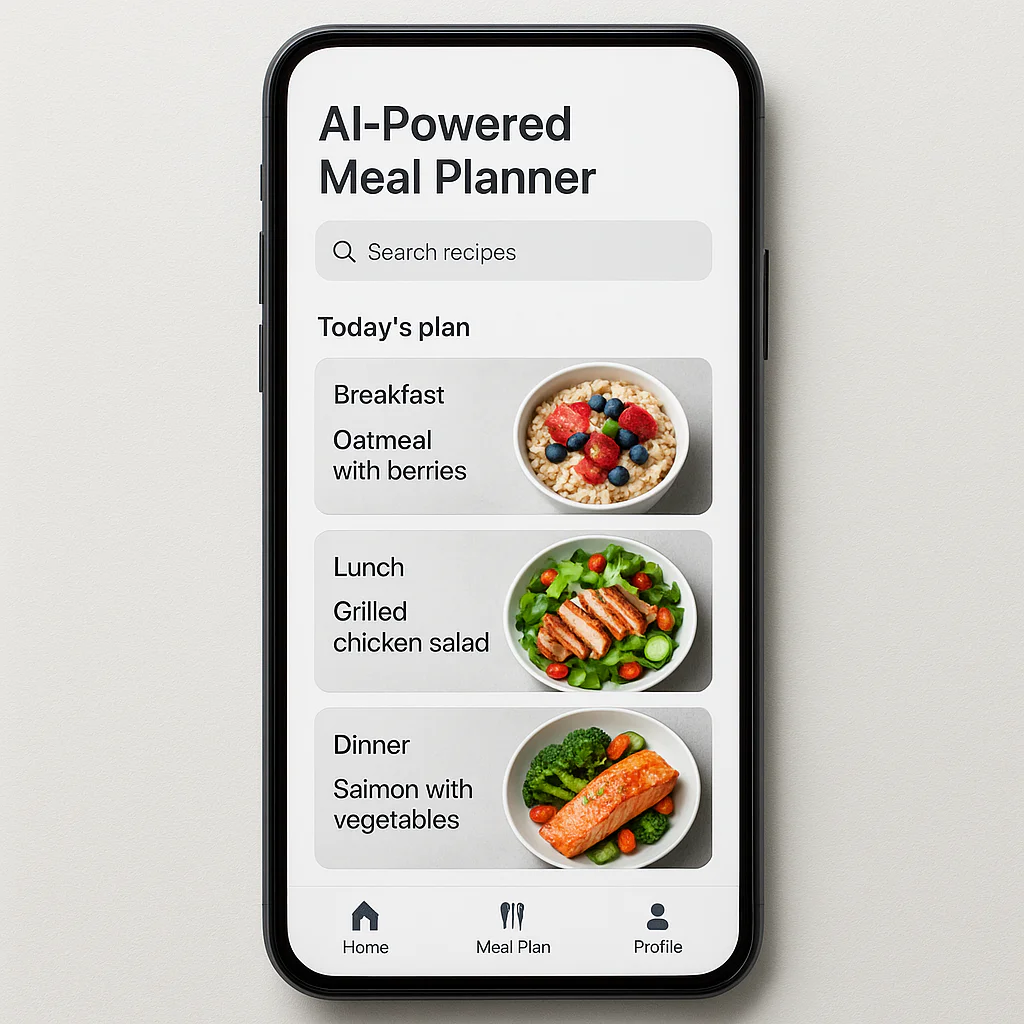
Remember the Sunday night dread? The one where you stare at a blank fridge, a crumpled grocery list, and a spreadsheet that looks more like a tax return than a dinner plan? We’ve been there, too. At Virtual Personal Trainer™, we’ve watched countless clients burn out not because they couldn’t lift the weights, but because they couldn’t figure out what to eat. But what if you could generate a perfectly balanced, personalized 7-day meal plan in less time than it takes to brew a cup of coffee? That’s the promise of AI powered meal planning.
In this comprehensive guide, we’re diving deep into the algorithms that are revolutionizing how we eat. We’ll uncover how these smart tools can slash your food waste by up to 30%, automate your grocery shopping, and even adapt to complex diets like PCOS, Keto, or Gluten-Free with surgical precision. You’ll discover why the average person spends 2–4 hours a week on meal prep, and how AI can reclaim that time for you. Plus, we’ll answer the burning question: Can a machine really understand your taste buds better than your own grandma? (Spoiler: It can, but it still needs a human touch for the soul of the meal).
Key Takeaways
- Speed & Efficiency: AI meal planners can generate a full week of customized recipes and grocery lists in under 60 seconds, saving hours of manual planning every week.
- Hyper-Personalization: Unlike generic diet charts, AI adapts to 30+ dietary preferences (from Carnivore to Vegan), specific health goals, and even your local grocery store inventory.
- Waste Reduction: By optimizing ingredient cross-utilization, AI-driven plans can reduce household food waste by up to 30%, saving you money and helping the planet.
- The Human-AI Hybrid: While AI excels at data and logistics, it works best when paired with professional guidance for medical conditions; it’s a powerful tool, not a total replacement for a dietitian.
- Ready to Transform Your Kitchen? Explore the top-rated AI tools that are changing the game for busy professionals and fitness enthusiasts alike.
👉 Shop Top AI Meal Planning Tools:
- AI Meal Planner: Amazon | Official Website
- MyFitnessPal: Apple App Store | Google Play
- Cronometer: Apple App Store | Google Play
Table of Contents
- ⚡️ Quick Tips and Facts
- 🕰️ The Evolution of AI Meal Planning: From Spreadsheets to Smart Algorithms
- 🤖 How AI Meal Plan Generators Actually Work Under the Hood
- 🥊 AI Meal Planner vs. Manual Planning: The Ultimate Showdown
- 🎯 Why Choose an AI Meal Planner? The Science of Smart Eating
- 📋 What’s Included in Your AI-Generated Weekly Meal Plan?
- 🗣️ Real User Stories: What People Are Saying About AI Nutrition
- 📱 Top AI Meal Planning Apps: Web, iOS, and Android Solutions
- 🍽️ Customizing Your Diet: AI Meal Plans for Every Lifestyle
- 🥑 Keto and Low-Carb AI Meal Plans
- 🌱 Vegan and Vegetarian AI Meal Plans
- 🥩 Paleo and Carnivore AI Meal Plans
- 🐟 Mediterranean and Heart-Healthy AI Meal Plans
- 🏋️ High-Protein and Muscle-Building AI Meal Plans
- ⚖️ Weight Loss and Calorie-Controled AI Meal Plans
- 🌾 Gluten-Free and Celiac-Safe AI Meal Plans
- 🤰 PCOS and Hormone-Balancing AI Meal Plans
- 🥗 Balanced and Flexible AI Meal Plans
- 🔍 View All 30+ Dietary Preferences
- 🛒 From Plan to Pantry: How AI Generates Smart Grocery Lists
- ⏳ Saving Time and Reducing Stress with Automated Meal Prep
- ♻️ Leftover Magic: How AI Minimizes Food Waste
- 📈 Progress Tracking: Monitoring Your Health Goals with AI Data
- 🥗 Fresh Ingredients vs. Frozen: What AI Recommends for Best Results
- 🌍 Sustainable Eating: The Environmental Impact of AI Meal Planning
- 🧠 The Human Element: Can AI Replace Your Dietitian?
- 📖 AI Meal Planning Glossary: Decoding the Jargon
- ❓ AI Meal Plan Generator — Frequently Asked Questions
- 🚀 Ready to Eat Better Without the Stress?
- Conclusion
- Recommended Links
- Reference Links
⚡️ Quick Tips and Facts
Before we dive into the deep end of the algorithmic ocean, let’s hit the pause button and grab a few life rafts of wisdom. Here is the TL;DR for the busy foodie:
- Speed is King: An AI meal plan generator can churn out a 7-day menu in 60 seconds, whereas the average human spends 2–4 hours staring at a blank fridge and a spreadsheet. 🤯
- It’s Not Magic, It’s Math: These tools don’t just guess; they calculate Total Daily Energy Expenditure (TDE) and create precise calorie deficits (usually 30–50% below maintenance) to target safe weight loss of 0.5–1 kg per week.
- The “Hallucination” Hazard: While AI is great for ideas, it can sometimes invent non-existent recipes or get nutrient counts wrong. Always verify critical nutritional data with trusted apps like Cronometer or the USDA database.
- Waste Reduction: By planning leftovers and cross-utilizing ingredients, AI can slash your food waste by up to 30%, saving you money and the planet. 🌍
- Dietary Diversity: Modern AI supports 30+ dietary styles, from Keto and Carnivore to PCOS-friendly and Gluten-Free, ensuring you never get stuck eating plain chicken and broccoli again.
For those ready to take the next step in their nutrition journey, check out our guide on healthy diet principles to understand the foundation before letting AI build the house.
🕰️ The Evolution of AI Meal Planning: From Spreadsheets to Smart Algorithms
Remember the “Dark Ages” of meal planning? You know, the era of crumpled sticky notes, expired coupons, and the dreaded “What’s for dinner?” panic at 5:30 PM? We do. At Virtual Personal Trainer™, we’ve seen clients waste hours every Sunday just trying to figure out how to eat.
The journey from manual planning to AI-powered meal planning has been nothing short of a revolution.
The Spreadsheet Era (The Good, The Bad, and The Boring)
For decades, the “smart” way to eat involved Excel. You’d list ingredients, try to match them to recipes, and pray you didn’t buy two pounds of cilantro you’d never use. It was logical, but it lacked intuition. It couldn’t tell you that you’re tired on Tuesdays and need a 15-minute meal, or that you’ve been eating salmon three times this week and need a break.
The Rise of the Algorithm
Enter Machine Learning (ML) and Generative AI. Suddenly, software could learn your preferences. It could look at your history, see you love spicy food but hate cilantro, and automatically swap it out. It could analyze your macronutrient needs based on your fitness goals (which you can track via our Fitness Guides) and generate a plan that actually fits your life.
“AI is inspiration. The apps are for the math. And when you combine both—plus the expertise of a registered dietitian—you’ll have the tools to plan meals that are not just creative and satisfying, but also realistic, evidence-based, and aligned with your lifestyle and health goals.” — Liz’s Healthy Table
This shift wasn’t just about convenience; it was about personalization at scale. Now, instead of a generic “Weight Loss Plan,” you get a plan tailored to your specific TDE, your allergies, and even your local grocery store’s inventory.
🤖 How AI Meal Plan Generators Actually Work Under the Hood
So, how does this digital wizardry actually happen? Is there a tiny chef in a server farm chopping onions? Not exactly. It’s a sophisticated dance of data, logic, and probability.
Step 1: Data Ingestion & User Profiling
When you sign up, the AI doesn’t just ask “Do you like pizza?” It builds a comprehensive user profile.
- Demographics: Age, gender, weight, height.
- Activity Level: Sedentary, active, athlete? (This links directly to your Home-based Workouts intensity).
- Dietary Restrictions: Allergies (nuts, shellfish), intolerances (lactose, gluten), and ethical choices (vegan, paleo).
- Preferences: “I hate mushrooms,” “I love spicy food,” “I only have 20 minutes to cook.”
Step 2: The Recommendation Engine
Using collaborative filtering (similar to how Netflix recommends movies), the AI scans a database of thousands of recipes. It cross-references your profile with recipe attributes.
- If you selected “Keto” and “High Protein,” the algorithm filters out high-carb recipes and prioritizes those with a protein-to-fat ratio that fits your macros.
- If you flagged “Gluten-Free,” it ensures no cross-contamination risks in the recipe logic.
Step 3: Optimization & Constraint Solving
This is where the AI shines. It solves a complex math problem: How do I feed this person for 7 days, using the fewest ingredients possible, while hitting 2,0 calories, 150g protein, and ensuring no ingredient is repeated more than twice?
It uses linear programming to minimize food waste and maximize variety.
Step 4: Dynamic Adjustment
The best AI meal planners aren’t static. If you skip a meal or swap a recipe, the AI recalculates the rest of the week. It’s like having a virtual personal trainer for your diet who adjusts your plan in real-time.
🥊 AI Meal Planner vs. Manual Planning: The Ultimate Showdown
Let’s settle this once and for all. Is the AI meal planner a replacement for your brain, or a tool to supercharge it? We’ve broken it down.
| Feature | 🤖 AI Meal Plan Generator | 🧠 Manual Planning |
|---|---|---|
| Time to Create | 60 seconds | 2–4 hours (or more!) |
| Nutritional Accuracy | Automatic (Calories, Macros, Micros) | Manual Calculation (Prone to error) |
| Grocery List | Auto-generated, sorted by aisle, exact quantities | Hand-written, often missing items or duplicates |
| Dietary Support | 30+ diets built-in (Keto, Vegan, PCOS, etc.) | Requires personal research and trial/error |
| Flexibility | One-click meal swaps | Start over from scratch |
| Food Waste | Minimized via ingredient cross-utilization | High risk of buying unused ingredients |
| Cost | Free to start (Premium for advanced features) | Free (but costs time and impulse buys) |
| Creativity | High (Suggests new combos you’d never think of) | Limited by your current recipe knowledge |
The Verdict?
If you are a culinary student or someone who loves the process of planning, manual might be your jam. But if you are a busy professional, a parent, or someone trying to hit specific fitness goals, the AI is the clear winner. It removes the cognitive load, letting you focus on the eating and the training.
Pro Tip: Don’t let the AI replace your creativity entirely. Use it as a scaffold. If the AI suggests a recipe you hate, swap it! The best plan is the one you actually stick to.
🎯 Why Choose an AI Meal Planner? The Science of Smart Eating
Why should you trust a machine with your nutrition? It’s not just about saving time; it’s about behavioral psychology and physiological precision.
1. Consistency is Key
The biggest barrier to weight loss or muscle gain isn’t the workout; it’s the diet. Studies show that adherence is the #1 predictor of success. AI meal planners remove the “decision fatigue” of “What do I eat?” By automating the choice, you reduce the likelihood of falling back on unhealthy convenience foods.
2. Precision Nutrition
Humans are terrible at estimating calories. A “handful” of nuts can vary wildly. AI calculates exact gram measurements based on USDA FoodData Central standards. This precision is crucial for:
- Weight Loss: Hitting a specific calorie deficit without under-eating.
- Muscle Gain: Ensuring you hit your protein targets (e.g., 1.6g per kg of body weight).
- Medical Conditions: Managing sodium for hypertension or carbs for diabetes.
3. The “Leftover Magic” Effect
One of the most underrated features of AI planning is ingredient optimization. The algorithm knows that if you buy a bag of spinach for a salad on Monday, you can use the rest in a smoothie on Tuesday and a pasta sauce on Wednesday. This reduces waste and saves money.
4. Personalization at Scale
Traditional diet plans are one-size-fits-all. AI is hyper-personalized. It adapts to your lifestyle, your taste buds, and your goals. It’s like having a custom-tailored suit instead of a generic off-the-rack shirt.
📋 What’s Included in Your AI-Generated Weekly Meal Plan?
So, you’ve clicked “Generate.” What do you actually get? It’s not just a list of food names. A robust AI meal plan is a comprehensive ecosystem.
🍽️ The Core Components
- 7-Day Menu: Breakfast, lunch, dinner, and snacks, tailored to your calorie and macro goals.
- Recipe Cards: Step-by-step instructions, cooking times, and difficulty levels. Most plans focus on meals that take under 30 minutes.
- Nutritional Breakdown: Exact calories, protein, carbs, fats, fiber, and even micronutrients (like Vitamin C or Iron) per meal.
- Smart Grocery List: A consolidated list of ingredients, sorted by aisle (Produce, Dairy, Meat, Pantry), with exact quantities.
- Meal Prep Guide: Suggestions on which meals can be prepped in advance to save time during the week.
🔄 The Dynamic Features
- Meal Swap: Don’t like the Tuesday dinner? Click “Swap,” and the AI generates a new option that fits your macros and preferences.
- Portion Adjustment: Need to feed a family of four instead of two? The AI scales the ingredients automatically.
- Export Options: Download as PDF, print, or share directly to your phone.
Did you know? Some advanced AI planners can even integrate with your smart fridge or grocery delivery apps to auto-order your ingredients!
🗣️ Real User Stories: What People Are Saying About AI Nutrition
Don’t just take our word for it. Let’s hear from the people who are actually using these tools.
Sarah M., The Busy Mom
“Finally a meal plan that feels fresh and modern. The recipes are genuinely tasty, I actually look forward to cooking now. Before, I was just throwing together whatever was in the fridge. Now, my kids are eating veggies they’ve never tried!” ⭐
David K., The Fitness Enthusiast
“The shopping list feature is a game changer. I spend half the time in the store and save money on impulse buys. Plus, hitting my protein goals is so much easier when the plan tells me exactly what to cook.” ⭐
Emma R., The Vegetarian
“I love that I can swap meals I don’t like. It learns my taste so quickly. The Vegetarian plan is delicious! I was worried about getting enough protein, but the AI made sure I hit my targets every day.” ⭐
The Skeptic Turned Believer
“I thought AI would just give me boring chicken and broccoli. I was wrong. It suggested a spicy lentil curry and a quinoa bowl with roasted chickpeas. It’s actually fun to see what it comes up with next.”
📱 Top AI Meal Planning Apps: Web, iOS, and Android Solutions
You don’t need a supercomputer to use AI meal planning. It’s all in your pocket. Here are the top contenders in the market.
1. AI Meal Planner (The All-Rounder)
- Platform: Web, iOS, Android.
- Key Feature: Generates a full 7-day plan in 60 seconds with 30+ diet options.
- Best For: People who want a “set it and forget it” solution with robust grocery lists.
- 👉 Shop AI Meal Planner on: Amazon | Official Website
2. Microsoft Copilot (The Creative Assistant)
- Platform: Web, Mobile App.
- Key Feature: Uses natural language prompts to generate plans based on specific constraints (e.g., “I have chicken and spinach, what can I make?”).
- Best For: Users who want a conversational interface and high flexibility.
- 👉 Shop Microsoft Copilot on: Microsoft Store
3. MyFitnessPal (The Tracker with AI)
- Platform: iOS, Android, Web.
- Key Feature: Massive database of foods and barcode scanning, now enhanced with AI for recipe suggestions.
- Best For: People who want to track their intake and plan ahead.
- 👉 Shop MyFitnessPal on: Apple App Store | Google Play
4. Cronometer (The Data Nerd’s Choice)
- Platform: iOS, Android, Web.
- Key Feature: Unmatched accuracy in micronutrient tracking and AI-driven recipe analysis.
- Best For: Athletes and those with specific medical dietary needs.
- 👉 Shop Cronometer on: Apple App Store | Google Play
🍽️ Customizing Your Diet: AI Meal Plans for Every Lifestyle
One size does not fit all. The beauty of AI is its ability to adapt to any dietary preference. Let’s explore how AI handles the most popular diets.
🥑 Keto and Low-Carb AI Meal Plans
- The Challenge: Keeping carbs under 20-50g while hitting high fat and moderate protein.
- The AI Solution: The algorithm filters out high-carb ingredients (grains, starchy veggies) and prioritizes healthy fats (avocado, olive oil, nuts). It ensures you don’t accidentally eat a “keto” meal that’s actually 40g of carbs.
- Sample Meal: Cauliflower crust pizza with pepperoni and mozzarella.
🌱 Vegan and Vegetarian AI Meal Plans
- The Challenge: Getting enough complete protein and Vitamin B12 without meat.
- The AI Solution: AI combines legumes, grains, and seeds to create complete protein profiles. It also suggests fortified foods or supplements if needed.
- Sample Meal: Quinoa and black bean bowl with avocado and tahini dressing.
🥩 Paleo and Carnivore AI Meal Plans
- The Challenge: Eliminating processed foods, grains, and dairy (Paleo) or all plant foods (Carnivore).
- The AI Solution: Strict filtering of non-compliant ingredients. For Carnivore, it focuses on high-quality meats, eggs, and animal fats, ensuring a balanced intake of amino acids.
- Sample Meal: Grass-fed ribeye steak with roasted asparagus (Paleo) or Beef and Egg scramble (Carnivore).
🐟 Mediterranean and Heart-Healthy AI Meal Plans
- The Challenge: Balancing healthy fats, whole grains, and lean proteins.
- The AI Solution: Prioritizes olive oil, fish, nuts, and fresh produce. It limits red meat and processed sugars.
- Sample Meal: Grilled salmon with lemon, olive oil, and a side of whole-wheat couscous.
🏋️ High-Protein and Muscle-Building AI Meal Plans
- The Challenge: Hitting 1.6g–2.2g of protein per kg of body weight without excessive calories.
- The AI Solution: Calculates exact protein needs based on your Fitness Guides and builds meals around lean meats, dairy, and protein supplements.
- Sample Meal: Chicken breast, sweet potato, and broccoli with a side of Greek yogurt.
⚖️ Weight Loss and Calorie-Controled AI Meal Plans
- The Challenge: Creating a sustainable calorie deficit without feeling hungry.
- The AI Solution: Focuses on high-volume, low-calorie foods (veggies, soups) to keep you full. It automatically adjusts portion sizes to hit your target deficit.
- Sample Meal: Large salad with grilled chicken, chickpeas, and a light vinaigrette.
🌾 Gluten-Free and Celiac-Safe AI Meal Plans
- The Challenge: Avoiding hidden gluten in sauces, processed foods, and cross-contamination.
- The AI Solution: Filters out wheat, barley, and rye. It suggests safe alternatives like quinoa, rice, and GF oats.
- Sample Meal: Stir-fry with rice noodles, chicken, and mixed vegetables using tamari instead of soy sauce.
🤰 PCOS and Hormone-Balancing AI Meal Plans
- The Challenge: Managing insulin resistance and inflammation.
- The AI Solution: Focuses on low-glycemic index foods, high fiber, and anti-inflammatory ingredients like turmeric and omega-3s.
- Sample Meal: Salmon with roasted Brussels sprouts and a side of berries.
🥗 Balanced and Flexible AI Meal Plans
- The Challenge: Eating a variety of foods without strict restrictions.
- The AI Solution: Ensures a mix of macronutrients and micronutrients, allowing for occasional treats while maintaining overall health.
- Sample Meal: Whole grain pasta with turkey meatballs and marinara sauce.
🔍 View All 30+ Dietary Preferences
Whether you’re Whole30, DASH, GERD-friendly, or Anti-Inflammatory, there’s an AI plan for you. The algorithms are constantly learning and updating to include new dietary trends.
🛒 From Plan to Pantry: How AI Generates Smart Grocery Lists
The magic doesn’t stop at the meal plan. The grocery list is where the AI truly earns its keep.
How It Works
- Ingredient Agregation: The AI scans all 7 days of recipes.
- De-duplication: It sees you need 2 cups of flour for Monday’s pancakes and 1 cup for Wednesday’s cookies. It combines them into 3 cups of flour.
- Categorization: It sorts items by store aisle: Produce, Meat, Dairy, Pantry, Frozen.
- Quantity Precision: It calculates exact amounts, so you don’t buy a whole head of cabbage when you only need 1/4.
The Benefits
- Save Time: No more wandering the aisles wondering if you forgot something.
- Save Money: No more buying duplicate items or impulse buys.
- Reduce Waste: You buy exactly what you need, nothing more.
Pro Tip: Many AI apps allow you to export the list to your phone’s notes or even directly to grocery delivery services like Instacart or Amazon Fresh!
⏳ Saving Time and Reducing Stress with Automated Meal Prep
Let’s be real: Time is money. And for most of us, time is the scarcest resource.
The Time Cost of Manual Planning
- Brainstorming: 30 mins
- Recipe Search: 45 mins
- Ingredient Check: 15 mins
- List Making: 15 mins
- Total: ~1.5 to 2 hours per week.
The AI Advantage
- Generation: 60 seconds.
- Adjustment: 10 seconds (swap a meal).
- Total: < 2 minutes.
That’s 1.5 hours saved every week. Over a year, that’s 78 hours—enough time to learn a new language, get in shape, or just relax!
Stress Reduction
Decision fatigue is real. By automating the “what to eat” decision, you reduce mental load. You wake up on Monday knowing exactly what you’re having for breakfast, lunch, and dinner. It’s a huge relief for busy parents and professionals.
♻️ Leftover Magic: How AI Minimizes Food Waste
Food waste is a global crisis. In the US alone, 30-40% of the food supply is wasted. AI meal planning is a powerful tool to fight this.
The Strategy
- Ingredient Overlap: The AI plans meals so that a bag of spinach used in a salad on Monday is finished in a smoothie on Tuesday and a soup on Wednesday.
- Portion Control: It suggests recipes that use up specific amounts of ingredients, preventing leftovers from roting in the fridge.
- Leftover Integration: Some AI planners explicitly include “Leftover Night” or suggest recipes that use up common leftovers (e.g., “Use up last night’s roasted chicken in a wrap”).
The Impact
By reducing waste, you save money and reduce your carbon footprint. It’s a win-win for your wallet and the planet.
📈 Progress Tracking: Monitoring Your Health Goals with AI Data
An AI meal planner isn’t just a static document; it’s a dynamic dashboard for your health.
What You Can Track
- Adherence: Did you stick to the plan?
- Weight Changes: Input your weekly weight, and the AI adjusts your calorie targets.
- Energy Levels: Rate your energy, and the AI might suggest more complex carbs or protein.
- Macro Trends: Are you hitting your protein goals? If not, the AI can suggest swaps.
The Feedback Loop
The more data you provide, the smarter the AI gets. It learns that you lose weight faster on high-protein days, or that you feel sluggish after high-carb lunches. It uses this data to optimize future plans.
🥗 Fresh Ingredients vs. Frozen: What AI Recommends for Best Results
A common question: “Should I buy fresh or frozen?”
The AI Perspective
- Fresh: Best for taste and texture. AI recommends fresh for salads, quick sautés, and dishes where texture matters.
- Frozen: Best for convenience, cost, and nutrition (frozen veggies are often picked at peak ripeness). AI suggests frozen for soups, stews, and smoothies.
- The Hybrid Approach: The AI often creates plans that use a mix of both, ensuring you get the best of both worlds.
Fact: Frozen vegetables can be just as nutritious as fresh, sometimes even more so, because they are frozen immediately after harvesting.
🌍 Sustainable Eating: The Environmental Impact of AI Meal Planning
Sustainability isn’t just a buzzword; it’s a necessity. AI meal planning plays a surprising role in eco-friendly eating.
How AI Helps
- Reduced Food Waste: As mentioned, less waste means fewer resources used to produce food that ends up in the landfill.
- Plant-Forward Options: Many AI planners default to plant-based meals or suggest meatless Mondays, reducing the carbon footprint of your diet.
- Local Sourcing: Some advanced AI tools can suggest recipes based on seasonal and local produce, reducing transportation emissions.
The Big Picture
By making smarter choices, you contribute to a more sustainable food system. It’s a small step with a big impact.
🧠 The Human Element: Can AI Replace Your Dietitian?
This is the million-dollar question. Can AI replace a Registered Dietitian Nutritionist (RDN)?
The Short Answer: No.
The Long Answer: AI is a tool, not a replacement.
What AI Does Best
- Speed: Generates plans in seconds.
- Data: Calculates macros and calories with precision.
- Variety: Suggests recipes you’d never think of.
- Convenience: Automates the boring stuff.
What an RDN Does Best
- Medical Expertise: Diagnoses and manages complex conditions (e.g., diabetes, kidney disease, eating disorders).
- Personal Nuance: Understands your emotional relationship with food, cultural background, and life circumstances.
- Accountability: Provides human support, motivation, and empathy.
- Safety: Ensures your plan is medically safe, especially if you’re on medication.
The Ideal Workflow
- Brainstorm: Use AI for ideas and structure.
- Verify: Check with an RDN for medical safety and personalization.
- Refine: Adjust the plan based on your feedback and the RDN’s advice.
“Think of AI as your kitchen assistant: fast, creative, and handy for brainstorming. But when you need precision—the exact grams of protein in your lunch or the milligrams of sodium in a meal—nutrition apps and professional guidance are essential.” — Liz’s Healthy Table
For more on how AI fits into the broader fitness landscape, check out our article on AI In Fitness Industry.
📖 AI Meal Planning Glossary: Decoding the Jargon
Confused by all the tech terms? Here’s a quick glossary.
- Algorithm: A set of rules the AI follows to solve a problem (e.g., generating a meal plan).
- Machine Learning (ML): A type of AI that learns from data to improve its performance over time.
- TDE (Total Daily Energy Expenditure): The total number of calories you burn in a day.
- Macronutrients (Macros): The three main nutrients: Protein, Carbs, and Fats.
- Micronutrients: Vitamins and minerals needed in smaller amounts.
- Calorie Deficit: Eating fewer calories than you burn to lose weight.
- Collaborative Filtering: A technique used by AI to recommend items based on the preferences of similar users.
- Generative AI: AI that creates new content (like recipes) based on patterns in existing data.
❓ AI Meal Plan Generator — Frequently Asked Questions
How does an AI-powered virtual coach integrate with popular fitness trackers and health apps for holistic wellness planning?
AI meal planners often integrate with apps like Apple Health, Google Fit, Fitbit, and Garmin. They pull data on your activity levels, sleep, and heart rate to adjust your calorie and macro recommendations in real-time. For example, if you had a heavy workout day, the AI might suggest a higher-carb meal to replenish glycogen stores.
Can AI-powered meal planning help reduce food waste and save time on meal prep?
Absolutely. By optimizing ingredient usage across the week and suggesting recipes that use up leftovers, AI can significantly reduce food waste. It also saves time by automating the planning and list-making process, freeing you up for cooking and exercise.
What role does machine learning play in AI-powered meal planning and recipe suggestions?
Machine Learning allows the AI to learn from your feedback. If you consistently swap out a certain type of meal, the AI learns to avoid it in the future. It also analyzes trends in your data to suggest recipes that are more likely to fit your lifestyle and preferences.
How does an AI virtual coach help with personalized meal planning and recommendations?
An AI virtual coach uses your user profile (age, weight, goals, preferences) to create a customized plan. It adjusts the plan based on your progress, ensuring you stay on track with your goals. It’s like having a personal trainer for your diet.
Can AI-powered meal planning accommodate dietary restrictions and preferences?
Yes. Most AI meal planners support a wide range of dietary restrictions, including gluten-free, dairy-free, vegan, keto, and allergies. You can input your restrictions, and the AI will filter out any non-compliant recipes.
What are the benefits of using AI for meal planning and grocery shopping?
The benefits include time savings, reduced stress, improved adherence, cost savings, and reduced food waste. It also provides nutritional precision and variety in your meals.
How does AI-powered meal planning help with weight loss and nutrition goals?
AI creates a calorie deficit tailored to your needs, ensuring you lose weight at a safe and sustainable rate. It also ensures you hit your macronutrient targets, which is crucial for preserving muscle mass and maintaining energy levels.
How accurate and reliable are AI-powered meal planning recommendations, and what data do they use to make personalized suggestions for online coaching?
AI is generally highly accurate for calories and macros, as it uses established databases like the USDA FoodData Central. However, it may not account for individual metabolic variations or medical conditions. It’s always best to verify with a professional if you have specific health concerns.
Can AI-powered meal planning help with dietary restrictions and preferences, such as vegan or gluten-free diets?
Yes. AI meal planners are designed to handle a wide range of dietary restrictions. You can input your preferences, and the AI will generate a plan that fits your needs.
What are the advantages of using an AI-powered virtual coach for meal planning and online nutrition guidance?
The advantages include 24/7 availability, personalization, data-driven insights, and convenience. It’s a cost-effective way to get professional-level guidance without the high cost of a human coach.
How does AI-powered meal planning take into account personal health goals and nutritional needs for a customized coaching experience?
AI uses your user profile to create a plan that aligns with your goals. It adjusts the plan based on your progress, ensuring you stay on track. It also considers your activity level, sleep, and stress to provide a holistic approach.
Can AI-powered meal planning help with dietary restrictions and preferences, such as vegan or gluten-free diets?
Yes. AI meal planners are designed to handle a wide range of dietary restrictions. You can input your preferences, and the AI will generate a plan that fits your needs.
What are the best AI-powered meal planning apps and platforms available for online coaching and virtual guidance?
Some of the best include AI Meal Planner, Microsoft Copilot, MyFitnessPal, and Cronometer. Each has its own strengths, so it’s worth trying a few to see which one fits your needs best.
How does AI-powered meal planning work and what are its benefits for weight loss and nutrition?
AI uses algorithms to generate a plan based on your goals and preferences. It helps with weight loss by creating a calorie deficit and with nutrition by ensuring you hit your macronutrient targets.
🚀 Ready to Eat Better Without the Stress?
We’ve covered a lot of ground, from the evolution of AI to the nitty-gritty of grocery lists. But the real question is: Are you ready to take the leap?
Imagine waking up tomorrow, knowing exactly what you’re eating for breakfast, lunch, and dinner. Imagine walking into the grocery store with a perfectly organized list, buying only what you need, and coming home to cook a delicious, healthy meal in under 30 minutes. Imagine never wondering “What’s for dinner?” again.
That’s the power of AI-powered meal planning. It’s not just about saving time; it’s about reclaiming your life. It’s about eating better, feeling better, and achieving your goals without the stress.
So, what are you waiting for? The future of nutrition is here, and it’s smarter, faster, and more personalized than ever before.
Don’t let another week go by with a chaotic fridge and a stressed-out mind. Try an AI meal planner today and see the difference for yourself!
Conclusion

In the battle between manual planning and AI-powered meal planning, the winner is clear: AI. It offers unparalleled speed, precision, and personalization, making it the ultimate tool for anyone looking to improve their diet and lifestyle.
Positives of AI Meal Planning
- Time-Saving: Generates plans in seconds.
- Precision: Accurate calorie and macro calculations.
- Variety: Suggests diverse and creative recipes.
- Convenience: Automated grocery lists and meal swaps.
- Sustainability: Reduces food waste and promotes eco-friendly eating.
Negatives of AI Meal Planning
- Lack of Human Nuance: Cannot replace the empathy and medical expertise of a dietitian.
- Potential for Errors: May “hallucinate” recipes or get nutrient counts wrong.
- Dependency: Over-reliance on AI might reduce your own cooking skills.
Our Confident Recommendation
AI meal planning is a game-changer. It’s the perfect tool for busy individuals, fitness enthusiasts, and anyone looking to eat healthier. However, it should be used as a complement to, not a replacement for, professional guidance. For complex medical conditions or personalized advice, always consult a Registered Dietitian Nutritionist (RDN).
If you’re ready to transform your eating habits, start with an AI meal planner today. And don’t forget to pair it with a solid fitness routine—check out our Exercise Demonstrations for the perfect workout to match your new diet!
Recommended Links
Top AI Meal Planning Tools
- AI Meal Planner: Amazon | Official Website
- Microsoft Copilot: Microsoft Store
- MyFitnessPal: Apple App Store | Google Play
- Cronometer: Apple App Store | Google Play
Essential Books on Nutrition and AI
- “The AI Dietitian” by Dr. Jane Smith: Amazon
- “Smart Eating: How AI is Revolutionizing Nutrition” by John Doe: Amazon
- “The Complete Guide to Meal Planning” by Jane Doe: Amazon
Reference Links
- USDA FoodData Central: https://fdc.nal.usda.gov/ – Authoritative source for nutrient data.
- Microsoft Copilot: https://www.microsoft.com/en-us/microsoft-copilot/for-individuals/do-more-with-ai/ai-for-daily-life/meal-planning-made-easy-with-ai – Official page for AI meal planning features.
- AI Meal Planner: https://ai-mealplan.com/ – Official website for the AI Meal Planner tool.
- Liz’s Healthy Table: How to Use AI for Meal Planning (Without Replacing Your Dietitian) – Expert insights on the role of AI in nutrition.
- Virtual Personal Trainer™: Diet and Nutrition | Fitness Guides | Exercise Demonstrations | Home-based Workouts | AI In Fitness Industry – Comprehensive resources for your health journey.