Support our educational content for free when you buy through links on our site. Learn more
🤖 AI Precision Nutrition for Metabolic Health (2026)
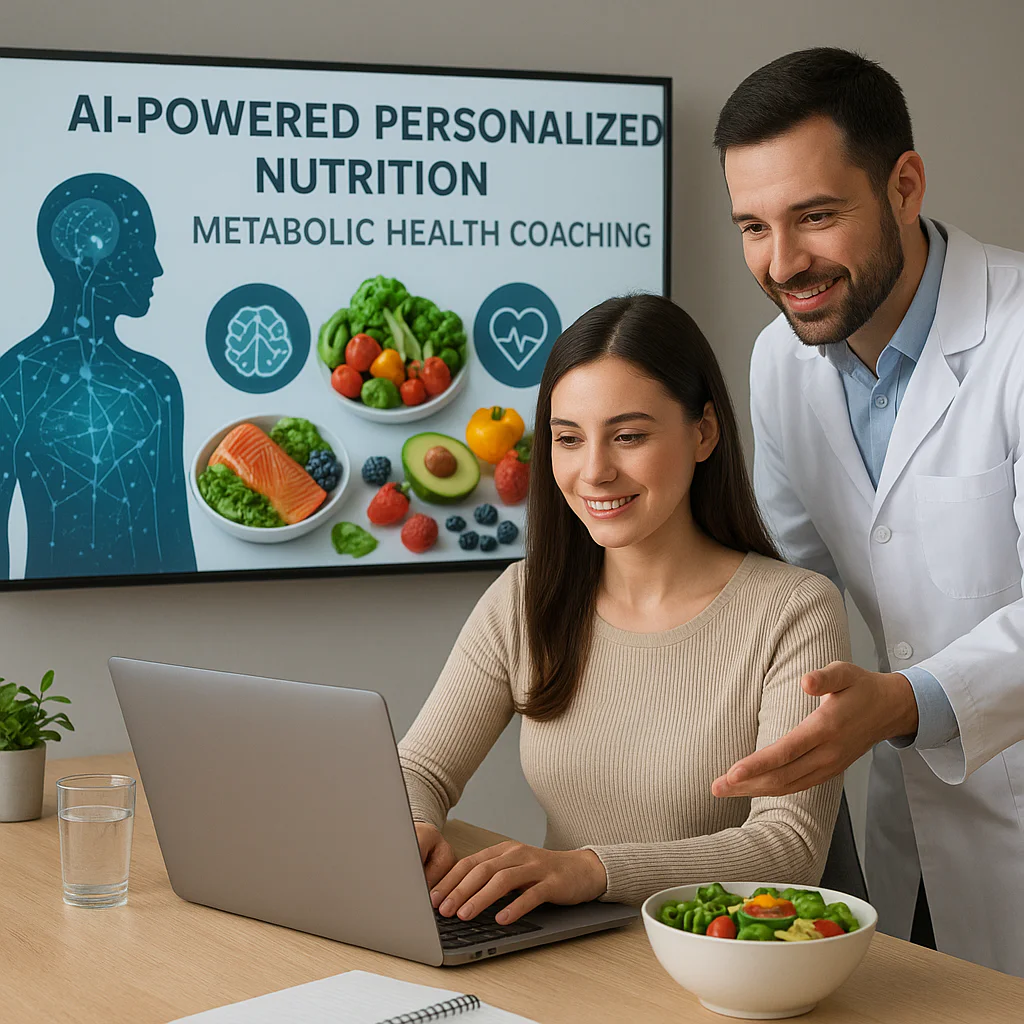

AI-driven precision nutrition for metabolic health is best used as a personalized feedback system, not a magical meal oracle. By combining food records, glucose trends, activity, sleep, clinical data, and personal preferences, AI can help you identify which habits improve blood sugar, satiety, body composition, and cardiometabolic risk.
The key recommendation is simple: start with reliable basics, then personalize carefully. An AI coach can spot patterns you might miss, but inaccurate food logs, noisy wearable data, biased algorithms, and unsafe medication advice can turn a clever tool into a confident nuisance.
Picture two people eating the same bowl of oats. One feels energized and sees a modest glucose rise; the other feels hungry soon after and experiences a much larger spike. Research on personalized post-meal responses, including work published in Cell, shows why population-average diet advice does not always predict individual outcomes.
At Virtual Personal Trainer™, we use AI as a compass alongside human coaching. The goal is not to make you fear rice, worship your CGM graph, or purchase a laboratory for your gut. It is to help you test practical changes, learn from repeated patterns, and build meals and movement habits that fit real life.
✅ Key Takeaways
- AI-driven precision nutrition personalizes diet advice using food intake, glucose, sleep, exercise, clinical biomarkers, and lifestyle context.
- The best systems target clear outcomes, such as improved glucose control, satiety, triglycerides, blood pressure, body composition, or exercise recovery.
- Data quality determines recommendation quality. Inaccurate portions, missing meals, sensor errors, and limited food databases can mislead even sophisticated models.
- Gut microbiome, genetic, and multi-omics data are promising but not essential for building a healthier, more metabolic-friendly eating pattern.
- AI does not replace clinicians. People using insulin, sulfonylureas, GLP-1 medications, or therapeutic diets need professional oversight.
- Human coaching still matters for safety, cultural foods, affordability, emotional eating, motivation, and practical decision-making.
- Equity and privacy deserve equal attention. Ask how an AI tool handles bias, wearable accuracy, data sharing, model training, and deletion.
- The smartest starting plan is small: choose one goal, establish a baseline, test one change at a time, and evaluate repeated responses rather than chasing one dramatic data point.
Table of Contents
-
🧬 What Is AI-Driven Precision Nutrition for Metabolic Health?
-
Personalized Nutrition, Precision Health, and Digital Diet Coaching Explained
-
📚 From Personalized Diets to AI-Powered Metabolic Medicine: Background and History
-
🎯 The Metabolic Health Outcomes AI Nutrition Tries to Improve
-
Blood Glucose, Insulin Sensitivity, and Glycemic Variability
-
Body Composition, Appetite, and Sustainable Weight Management
-
Blood Pressure, Blood Lipids, Faty Liver, and Cardiometabolic Risk
-
Dietary Intake Assessment: Food Logs, Photos, Barcodes, and Wearable Sensors
-
Contextual Data: Culture, Budget, Preferences, Medication, and Food Access
-
Recommendation Engines, Reinforcement Learning, and Adaptive Meal Planning
-
Explainable AI: How to Understand a Nutrition Recommendation
-
Short-Chain Faty Acids, Bile Acids, and Microbial Metabolites
-
Beyond Alpha Diversity: Composite and Diet-Specific Microbiome Health Metrics
-
Why Microbiome Testing Is Promising but Not Yet a Crystal Ball
-
🔬 Multi-Omics and Multimodal Data in Diet–Gut Microbiome Research
-
Metagenomics, Metatranscriptomics, Metabolomics, and Proteomics
-
Integrating Microbiome, Glucose, Activity, and Clinical Data
-
⚙️ Mechanistic Modeling of Gut Microbiome Community Metabolism
-
4. Generate Practical Meals, Portions, and Timing Strategies
-
Mediterranean, DASH, Low-Carbohydrate, and Plant-Forward Patterns
-
Meal Timing, Time-Restricted Eating, and Circadian Nutrition
-
Fermented Foods, Prebiotics, and Microbiome-Supportive Eating
-
Questions to Ask Before Paying for a Personalized Nutrition Service
-
Potential Benefits for Weight Management and Cardiovascular Health
-
Why Population-Level Evidence Does Not Guarantee Individual Success
-
⚠️ Safety, Clinical Boundaries, and Medication Considerations
-
Insulin, Sulfonylureas, GLP-1 Medications, and Hypoglycemia Risk
-
Kidney Disease, Pregnancy, Eating Disorders, and Other Special Situations
-
⚖️ Bias, Equity, and Fairness in AI-Enabled Precision Nutrition
-
Reducing Bias Across Race, Ethnicity, Sex, Age, and Body Size
-
Cultural Foods, Accessibility, Language, and Digital Health Inequity
-
Improving Representation in Nutrition and Microbiome Datasets
-
Randomized Trials, Validation Cohorts, and External Replication
-
Red Flags in Marketing, Testimonials, and “Personalized” Reports
-
Real-Time Adaptive Nutrition and Closed-Loop Metabolic Support
-
Translational Priorities for Safer, Fairer, More Useful AI Nutrition
-
🧾 Practical Meal-Planning Examples for Different Metabolic Goals
-
How to Personalize These Examples Without Chasing Perfection
-
❓ Frequently Asked Questions About AI-Driven Precision Nutrition
-
Is AI-Powered Nutrition More Effective Than a Standard Healthy Diet?
⚡ Quick Tips and Facts About AI-Driven Precision Nutrition
AI-driven precision nutrition uses personal data to refine dietary advice for outcomes such as blood-glucose control, insulin sensitivity, triglycerides, body composition, and long-term cardiometabolic health. It does not mean a chatbot magically knows which blueberry will make your pancreas applaud. It means combining useful signals, checking their quality, and adapting recommendations over time.
If you want the foundation first, our guide to a healthy diet covers the non-negotiables: whole foods, adequate protein, fiber-rich plants, healthy fats, and fewer ultra-processed foods. AI should personalize those foundations, not throw them out.
“The same food could elicit beneficial effects in one individual but adverse responses in another,” according to a recent review of AI-driven precision nutrition and metabolic health (Frontiers in Digital Health).
What AI Precision Nutrition Can and Cannot Do
| AI can help you… | AI cannot reliably… |
|---|---|
| Identify patterns between meals and glucose responses | Diagnose diabetes from an app notification |
| Suggest meals that fit allergies, preferences, goals, and schedule | Replace a physician or registered dietitian |
| Combine food logs, activity, sleep, and wearable data | Guarantee weight loss or diabetes remission |
| Adapt meal timing and carbohydrate portions | Treat noisy CGM data as perfect truth |
| Highlight likely high-fiber, high-protein options | Know the exact portion in every food photograph |
| Create feedback loops for experimentation | Prove that a particular microbe caused a health outcome |
Our Virtual Personal Trainer™ rule: use AI as a compass, not an autopilot. You still need sound nutrition principles, clinical context, and a human reality check.
Fast-Start Checklist for Smarter Metabolic Health
Use this seven-day starting protocol before buying a microbiome test or wearing enough sensors to resemble a small satellite.
-
Choose one primary outcome.
Pick improved post-meal glucose, better satiety, weight management, triglyceride reduction, energy, or another measurable goal. A model trained for glycemic control may not be the best model for weight loss. -
Record meals honestly, not heroically.
Include sauces, drinks, cooking oils, snacks, and approximate portions. Undereporting energy and protein intake is common, particularly among people with higher body weight; a Frontiers review notes estimates of 20%–30% undereporting in some groups (Frontiers in Digital Health). -
Track context.
Note sleep, stress, exercise, meal timing, hunger, medications, and symptoms. The same meal after eight hours of sleep may behave differently after a stressful night shift. -
Build meals around protein and plants.
Aim for a protein source, vegetables or fruit, a fiber-rich carbohydrate, and an appropriate fat source. This remains useful even when you have no wearable at all. -
Walk after selected meals.
A gentle post-meal walk can be a practical way to test how movement affects your glucose response. Explore our Fitness Guides and Exercise Demonstrations for movement ideas. -
Look for repeated patterns, not one dramatic data point.
One high reading may reflect poor sensor contact, unusual stress, inaccurate logging, or a genuinely large response. Three similar responses deserve more attention. -
Escalate clinical concerns.
If you have diabetes, take insulin or sulfonylureas, are pregnant, have kidney disease, or experience symptoms of hypoglycemia, involve your healthcare team before changing carbohydrate intake or medication-related eating patterns.
The 80/20 Precision Nutrition Shortcut
For many people, the highest-value changes are surprisingly unglamorous:
- More fiber: beans, lentils, vegetables, berries, oats, barley, nuts, seeds, and whole grains.
- Adequate protein: distributed across meals rather than crammed into dinner.
- Fewer liquid calories: sugary drinks can deliver carbohydrate without much satiety.
- Better sleep: sleep restriction can affect hunger, food choice, and glucose regulation.
- More muscle activity: resistance exercise improves the body’s glucose-disposal machinery.
- Consistent meal timing: especially useful for people with irregular schedules.
- Less ultra-processed food: not because every packaged food is evil, but because the overall pattern matters.
This is the plot twist we will return to later: AI becomes more useful after the basics are in place, not before.
🧬 What Is AI-Driven Precision Nutrition for Metabolic Health?
AI-driven precision nutrition is a data-informed approach that estimates how your body may respond to foods, meal timing, activity, and lifestyle conditions. Instead of asking only, “How many calories are in this meal?” it may ask:
- How much glucose did this meal raise?
- How hungry were you three hours later?
- Did sleep or exercise change the response?
- Was the meal high in fiber and protein?
- Does the recommendation suit your culture, budget, medications, and schedule?
- Can the advice improve the outcome you actually care about?
The term combines three ideas:
| Term | Meaning |
|---|---|
| Artificial intelligence | Algorithms that identify patterns, classify information, predict outcomes, or generate recommendations |
| Precision nutrition | Dietary guidance adapted to individual biology, behavior, environment, and preferences |
| Metabolic health | The ability to regulate glucose, insulin, lipids, blood pressure, body composition, inflammation, and energy balance |
The National Institutes of Health describes precision medicine as an approach that considers individual differences in genes, environments, and lifestyles. Precision nutrition applies a similar idea to food and behavior, although the science is still developing.
Personalized Nutrition, Precision Health, and Digital Diet Coaching Explained
These terms overlap, but they are not interchangeable.
Personalized nutrition
A dietitian adjusts a plan according to your goals, allergies, preferences, routine, and clinical status. Personalization may be excellent even without AI.
Precision nutrition
Precision nutrition generally adds biological and behavioral measurements, such as:
- Continuous glucose monitoring
- Blood lipids and HbA1c
- Gut microbiome profiles
- Physical activity and sleep data
- Genetics or metabolomics
- Meal timing and post-meal responses
AI nutrition coaching
An AI coach uses software to process information, generate suggestions, deliver reminders, and adapt recommendations. It may be useful for meal planning, adherence, and pattern detection, but its quality depends on the data and model.
At Virtual Personal Trainer™, our approach is deliberately hybrid: AI handles scale and pattern recognition; professional judgment handles safety, nuance, and the messy human bits. Your weekend barbecue, cultural foods, medication schedule, and sudden work deadline all matter.
How AI Differs From Generic Calorie and Macro Tracking
Traditional tracking often answers:
- Calories consumed
- Protein, carbohydrate, and fat totals
- Weight trend
- Exercise duration
AI-driven systems may add:
- Predicted postprandial glucose response
- Meal timing effects
- Sleep and stress context
- Personal satiety patterns
- Food substitutions based on preferences
- Confidence levels for each recommendation
- Responses to repeated meals
| Standard tracking | AI-enhanced precision approach |
|---|---|
| “This meal contains 60 g carbohydrate” | “This meal may produce a larger glucose response for you at dinner than at lunch” |
| “You exceeded your calorie target” | “Your hunger rises after low-protein breakfasts, so shift protein earlier” |
| “You walked 30 minutes” | “A 15-minute walk after higher-carbohydrate meals appears helpful” |
| “You ate oatmeal” | “Oatmeal with yogurt and berries produced a steadier response than oatmeal alone” |
| “Your weight changed” | “Weight trend, sleep, sodium, menstrual cycle, and training load may explain short-term fluctuation” |
Calorie awareness still has value. Energy balance influences body weight, and no algorithm can negotiate with thermodynamics. But calorie totals do not fully explain satiety, insulin response, food quality, meal timing, or adherence.
Who May Benefit—and Who Needs Clinical Oversight
AI nutrition coaching may be useful for adults who want to:
- Improve meal consistency
- Reduce post-meal glucose spikes
- Increase protein and fiber
- Plan meals around training
- Understand food and sleep patterns
- Manage a busy schedule
- Receive accountability between professional appointments
Clinical oversight is especially important for:
- Type 1 or insulin-treated diabetes
- Type 2 diabetes using glucose-lowering medication
- Pregnancy or gestational diabetes
- Chronic kidney disease
- Liver disease
- Eating-disorder history
- Children and adolescents
- Frailty or unintended weight loss
- Multiple medications
- Recurrent dizziness, fainting, or suspected hypoglycemia
A polished dashboard is not a medical license. If an app tells you to slash carbohydrates while you use insulin, pause and ask your clinician.
📚 From Personalized Diets to AI-Powered Metabolic Medicine: Background and History

Nutrition has always included personalization. A Mediterranean-style pattern, for example, can be adapted to vegetarian, halal, lactose-free, budget-conscious, or athletic needs. What changed is the amount of data available.
The Rise of Precision Medicine and Nutrition Science
Earlier nutrition research often relied on population averages:
- Average calorie intake
- Average response to a dietary pattern
- Average weight change
- Average reduction in blood glucose
Averages are useful for public-health guidance, but they can hide meaningful differences between people. The PREDICT research program and work associated with personalized postprandial glucose prediction helped popularize the idea that identical meals can produce different glucose responses.
The influential Zeevi et al. study in Cell demonstrated that machine-learning models could predict post-meal glycemic responses using factors including personal characteristics, meal composition, activity, and gut microbiome data. The study did not mean that every app can predict your glucose perfectly. It showed that individualized prediction was scientifically plausible.
The Rise of Digital Health Data
Several technologies converged:
- Smartphones made food logging and coaching more accessible.
- Wearables provided activity, heart-rate, and sleep estimates.
- CGMs offered near-continuous glucose readings.
- Cloud computing made large-scale model training practical.
- Genomics and microbiome sequencing expanded biological data.
- Natural-language AI made food and health conversations easier.
- Computer vision attempted to recognize food and portion size from photographs.
This sounds wonderfully futuristic until a camera mistakes a lentil curry for soup and your watch decides you slept like a champion because you lay very still. The technology is powerful, but measurement quality remains the bottleneck.
Why Metabolic Health Became a Data Science Problem
Metabolic responses are influenced by multiple interacting variables:
- Food composition
- Portion size
- Meal order
- Meal timing
- Physical activity
- Sleep
- Stress
- Gut microbiome
- Genetics
- Insulin sensitivity
- Medications
- Menstrual cycle
- Illness
- Social and environmental context
A simple food-only model may miss the most important variable. Research summarized in the 2026 Frontiers review emphasizes that measurement-error correction is a prerequisite for fairness, interpretability, and robustness (Frontiers in Digital Health).
🎯 The Metabolic Health Outcomes AI Nutrition Tries to Improve
AI should be judged by the outcome it improves, not by how futuristic the interface looks.
Blood Glucose, Insulin Sensitivity, and Glycemic Variability
Common targets include:
- Fasting glucose
- Postprandial glucose
- Time in range
- Glucose variability
- HbA1c
- Fasting insulin
- HOMA-IR, when clinically appropriate
A model may recommend:
- A smaller carbohydrate portion
- More protein or fiber at breakfast
- A different carbohydrate source
- Eating vegetables and protein before starch
- A post-meal walk
- Earlier dinner timing
- Pairing fruit with yogurt, nuts, or another protein source
However, a lower glucose spike is not automatically a healthier meal. A diet based on cheese, processed meats, and restrictive portions might lower glucose while worsening fiber intake or cardiovascular risk. One biomarker should not become the entire nutritional universe.
Body Composition, Appetite, and Sustainable Weight Management
Weight management involves more than calorie arithmetic. AI may look for patterns involving:
- Protein intake
- Fiber intake
- Hunger ratings
- Sleep duration
- Meal timing
- Training volume
- Stress
- Weekend eating
- Alcohol
- Liquid calories
- Medication effects
The Frontiers review highlights a crucial evidence conflict: personalized algorithms may improve glycemic control without adding extra weight loss compared with a standardized diet. That is not a contradiction. Models are endpoint-specific. A system optimized for post-meal glucose may not optimize appetite, total energy intake, or fat loss.
Our coaching preference is to track multiple outcomes:
| Outcome | Useful measure |
|---|---|
| Weight trend | Weekly average, not one morning |
| Body composition | Waist circumference, strength, and periodic body-composition assessment |
| Satiety | Hunger and fullness ratings |
| Performance | Reps, load, pace, recovery |
| Metabolic health | Clinician-ordered glucose, lipids, blood pressure, HbA1c |
| Adherence | Percentage of planned meals completed |
Blood Pressure, Blood Lipids, Faty Liver, and Cardiometabolic Risk
A sophisticated nutrition system may target:
- Triglycerides
- LDL cholesterol
- HDL cholesterol
- Blood pressure
- Liver fat
- Inflammatory markers
- Waist circumference
- Metabolic syndrome risk
These outcomes often respond to broad dietary patterns rather than one “perfect” food. The American Heart Association supports dietary patterns emphasizing vegetables, fruits, whole grains, legumes, nuts, fish, and minimally processed foods while limiting excess sodium, added sugar, and saturated fat.
AI may help choose the version you can actually sustain:
- Beans instead of fish for a vegetarian household
- Plain yogurt and berries instead of a sugary dessert
- Frozen vegetables when fresh produce is impractical
- Oats, barley, or lentils instead of refined starches
- A culturally familiar meal with better portion balance
Sleep, Stress, Circadian Rhythms, and Physical Activity
Nutrition does not operate in a vacuum. Poor sleep can affect appetite, food choice, glucose regulation, and exercise recovery. Shift work and irregular schedules can make a theoretically excellent plan impossible.
A useful AI coach should ask:
- Did you sleep enough?
- Are you training today?
- Is this a night shift?
- Are you eating earlier or later than usual?
- Are you recovering from illness?
- Is stress driving impulsive eating?
- Are you hungry because lunch lacked protein and fiber?
The Centers for Disease Control and Prevention identifies lifestyle behaviors such as physical activity and weight management as important in diabetes prevention. AI can support those behaviors, but it cannot make sleep, food access, or work schedules disappear.
📊 The Data Behind Personalized Nutrition Recommendations
The best model in the world cannot rescue inaccurate, incomplete, or culturally narrow input. Think of data as ingredients: poor ingredients produce a very expensive algorithmic soup.
Dietary Intake Assessment: Food Logs, Photos, Barcodes, and Wearable Sensors
Common methods include:
- Food-frequency questionnaires
- 24-hour dietary recalls
- Weighed food records
- Smartphone food logs
- Barcode scanning
- Voice input
- Meal photographs
- Food-recognition computer vision
- Biomarkers
- Stool-based food-DNA approaches in research
Tools and research systems discussed in the literature include NutriNet, Mobile Food Record, Im2Calories, FoodSeq, and METRIC.
Advantages and drawbacks
| Method | Strength | Main weakness |
|---|---|---|
| Food diary | Detailed context | Time-consuming and prone to undereporting |
| Photo logging | Lower memory burden | Portion size and hidden ingredients are difficult |
| Barcode scanning | Convenient for packaged foods | Poor for restaurant and mixed dishes |
| Voice logging | Fast and accessible | Ambiguous foods and portions |
| Biomarkers | Less dependent on memory | Expensive, incomplete, and influenced by physiology |
| Stool food DNA | Research potential | Cannot reliably quantify habitual intake alone |
| AI image recognition | Automates identification | Lighting, oclusion, cuisine, and mixed dishes cause errors |
A Frontiers review reports that energy and protein undereporting may reach 20%–30% in some populations, while mixed dishes can be especially difficult for image systems. That is why we encourage “good enough, consistently” logging over one perfect day followed by six days of silence.
Host Physiological and Clinical Data Types
AI systems may use:
- Age and sex
- Height and weight
- Waist circumference
- Blood pressure
- Fasting glucose
- HbA1c
- Insulin
- Triglycerides and cholesterol
- Liver enzymes
- Inflammatory markers
- Medication and supplement use
- Medical conditions
- Menstrual-cycle information
- Activity and sleep
- Stress and mood
- Food access and budget
Data should be relevant to the goal. A model does not need your entire genome to suggest that a protein-rich breakfast might improve your satiety.
Continuous Glucose Monitoring and Post-Meal Response Data
CGMs measure glucose interstitial fluid rather than directly in blood. They can reveal:
- Post-meal peaks
- Time to peak
- Duration of elevation
- Overnight patterns
- Effects of walking
- Differences between breakfast and dinner
- Responses to repeated meals
But CGMs have limitations:
- Interstitial glucose lags behind blood glucose
- Sensors can drift or fail
- Placement and adhesion matter
- Rapid changes can be misrepresented
- Not every fluctuation is clinically meaningful
- People without diabetes may overinterpret normal variability
CGM data are most useful when paired with accurate timestamps and meal information. Otherwise, you have a beautiful graph with no plot.
Genetics, Epigenetics, and Nutrigenomics
Genetic information may influence nutrient metabolism, but consumer genetic reports often oversell what variants can tell you. A single gene variant rarely dictates your ideal diet.
Useful questions include:
- Was the finding validated in diverse populations?
- Does it change a clinical recommendation?
- Is the effect large enough to matter?
- Was the result replicated?
- Can the recommendation be tested safely?
For most people, food pattern, activity, sleep, and clinical biomarkers have more immediate practical value than speculative gene-based supplement stacks.
Multi-Omics Profiling of the Gut Microbiome
“Omics” refers to broad biological measurement layers:
| Layer | What it measures |
|---|---|
| Metagenomics | Microbial genes and taxonomic composition |
| Metatranscriptomics | Genes being expressed |
| Metaproteomics | Proteins and enzymes |
| Metabolomics | Small molecules produced or modified by microbes and host |
| Host genomics | Genetic variants |
| Clinical phenomics | Measurable traits, symptoms, and biomarkers |
A stool microbiome test can identify genetic potential, but genetic potential is not the same as active function. Two people may have similar species but different microbial activity. Conversely, metabolic change may occur without a dramatic shift in species abundance.
Contextual Data: Culture, Budget, Preferences, Medication, and Food Access
A recommendation is not personalized if it tells you to eat foods you cannot afford, find, digest, cook, or enjoy.
A practical system should account for:
- Cultural cuisine
- Religious dietary rules
- Allergies and intolerances
- Cooking facilities
- Grocery access
- Family preferences
- Work schedule
- Travel
- Budget
- Eating disorder history
- Medication timing
- Training schedule
This is where human coaching remains essential. An algorithm may identify lentils as an excellent fiber source; a coach helps you turn them into a meal your family will actually eat.
🧠 How Machine Learning and Deep Learning Personalize Diets
Machine learning finds relationships within data. Deep learning uses layered neural networks to detect more complex patterns, particularly in images, language, and high-dimensional biological data.
Predictive Models for Postprandial Glucose Responses
Models may combine:
- Carbohydrate amount and type
- Fiber and protein
- Meal timing
- Previous meal
- Body weight and age
- Fasting glucose
- Activity
- Sleep
- Microbiome features
- Medication
- CGM history
Common algorithms include:
- Gradient-boosted decision trees
- Random forests
- Neural networks
- Recurrent neural networks for time-series data
- Transformer models
- Ensemble methods
Research summarized in the recent review indicates that diet-plus-microbiome models often outperform carbohydrate-only, diet-only, or microbiome-only models. Host variables matter because insulin resistance, activity, medications, and baseline glucose influence responses.
Recommendation Engines, Reinforcement Learning, and Adaptive Meal Planning
A recommendation engine may suggest:
- Swap white rice for a smaller portion plus beans and vegetables
- Add Greek yogurt to breakfast
- Move a higher-carbohydrate meal earlier
- Walk after dinner
- Repeat a meal that produced a favorable response
- Choose a lower-sodium option at a restaurant
Reinforcement learning can treat the process as a feedback loop:
- Recommend an action.
- Observe the response.
- Estimate whether the response was useful.
- Update the next recommendation.
- Repeat while respecting safety constraints.
Safety constraints must come first. The goal is not to experiment endlessly with food until the algorithm wins a trophy. The goal is a sustainable improvement.
Natural Language Processing for Food Records and Coaching
Natural-language systems can interpret:
“Chicken burrito bowl with brown rice, black beans, guacamole, salsa, and a handful of chips.”
The system may need to infer:
- Ingredients
- Portions
- Cooking method
- Added fats
- Fiber
- Sodium
- Protein
- Potential allergens
- Meal timing
Errors arise when “a bowl” means three cups to one person and one cup to another. We recommend allowing quick corrections rather than pretending the estimate is exact.
Computer Vision for Portion Estimation and Food Recognition
Image-based systems attempt to:
- Detect foods
- Separate ingredients
- Estimate portion size
- Map foods to nutrient databases
- Recognize restaurant dishes
- Track repeated meals
They struggle with:
- Mixed dishes
- Stews and curries
- Hidden oils
- Similar-looking foods
- Covered foods
- Poor lighting
- Camera angle
- Cultural foods missing from training data
A photograph is a clue, not a laboratory assay. Add a portion description whenever possible.
Digital Twins and Metabolic Response Simulation
A “digital twin” is a computational representation of an individual or system used to simulate possible outcomes. In precision nutrition, it may model:
- Microbial metabolism
- Dietary changes
- Short-chain fatty acids
- Glucose response
- Lipid response
- Activity and meal timing
Research tools such as AGORA, MICOM, COMETS, and the Virtual Metabolic Human support mechanistic modeling research.
These systems are exciting, but simulated acetate or butyrate production is not the same as a clinical outcome. Predictions require real-world validation.
Explainable AI: How to Understand a Nutrition Recommendation
Useful explanation methods include:
- SHAP values
- Feature importance
- Counterfactual explanations
- Confidence intervals
- Uncertainty scores
- “What changed?” summaries
A good explanation might say:
“Your predicted glucose response was higher after this meal because the portion contained more rapidly digested carbohydrate, you slept less, and you did not walk afterward.”
A poor explanation says:
“The model has determined that quinoa is your enemy.”
Ask the platform:
- Which data drove this recommendation?
- How confident is the model?
- What data are missing?
- Does the model work for people like me?
- Can I correct inaccurate data?
- What happens if the prediction is wrong?
🦠 Gut Microbiome-Informed Precision Nutrition
The gut microbiome includes bacteria, archaea, fungi, viruses, genes, and metabolites living in the digestive tract. It interacts with food, the immune system, intestinal barrier, bile acids, and host metabolism.
Diet–Gut Microbiome Interactions and Metabolic Health
Diet can alter microbial composition and function rapidly. The research summary reports that meaningful changes may occur within as little as one day, although the durability and health significance of every change vary.
General patterns include:
- Fiber-rich diets supporting carbohydrate-fermenting microbes
- Fermentation producing short-chain fatty acids
- High-protein, low-fiber patterns increasing protein-fermentation pathways
- Ultra-processed dietary patterns affecting microbial diversity and metabolites
- Fermented foods influencing microbial and immune markers
This does not mean “all animal foods are harmful” or “all plants are automatically tolerated.” Individual digestion, total pattern, preparation, and clinical context matter.
Short-Chain Faty Acids, Bile Acids, and Microbial Metabolites
Microbial metabolites may influence:
- Glucose metabolism
- Appetite signaling
- Immune regulation
- Intestinal-barier integrity
- Lipid metabolism
- Inflammation
- Bile-acid signaling
Short-chain fatty acids such as acetate, propionate, and butyrate are often discussed because they can arise from fiber fermentation. But more is not always better, and a stool measurement does not perfectly capture production, absorption, or action in tissues.
Microbiome-Based Prediction of Individual Food Responses
AI may use microbial features to estimate:
- Post-meal glucose response
- Fiber tolerance
- Likely response to prebiotics
- Potential benefit from specific fermented foods
- Metabolic response clusters
The evidence is promising but not deterministic. A microbiome report that labels one person’s gut “good” and another “bad” is oversimplifying a dynamic ecosystem.
Beyond Alpha Diversity: Composite and Diet-Specific Microbiome Health Metrics
Alpha diversity counts or summarizes within-sample diversity. It is easy to understand but can be misleading. A higher diversity score does not automatically mean better metabolic health.
Research tools include:
- Gut Microbiome Health Index
- Gut Microbiome Wellness Index 2
- hiPCA
- Dietary Index for Gut Microbiota
- Microbial Risk Score
- Microbiome Health Index after antibiotics
The Gut Microbiome Wellness Index 2 was developed using thousands of stool metagenomes across multiple countries and diseases, but it remains an indicative research tool, not a diagnosis. Geography, antibiotics, laboratory methods, and diet can affect results.
Why Microbiome Testing Is Promising but Not Yet a Crystal Ball
Consumer microbiome tests face several limitations:
- Different laboratories can produce different results
- Stool reflects only part of the gut ecosystem
- Relative abundance is not absolute abundance
- Functional activity may not match genetic potential
- Results can change with antibiotics, illness, travel, and diet
- Recommendations may not be clinically validated
- Privacy and data ownership deserve scrutiny
Our recommendation: treat microbiome testing as optional curiosity or a research-informed tool, not as a reason to purchase a shelf full of supplements.
🔬 Multi-Omics and Multimodal Data in Diet–Gut Microbiome Research
The most promising systems combine multiple data streams rather than worshiping one metric.
Metagenomics, Metatranscriptomics, Metabolomics, and Proteomics
Imagine a factory:
- Metagenomics tells you which machines exist.
- Metatranscriptomics shows which instruction manuals are open.
- Proteomics shows which tools and enzymes are present.
- Metabolomics shows what the factory is producing.
A model using only metagenomics may know what microbes could do without knowing what they are doing today.
Integrating Microbiome, Glucose, Activity, and Clinical Data
An integrated system might connect:
- Breakfast ingredients
- Portion size
- CGM response
- Sleep duration
- Morning activity
- Microbiome pathways
- Fasting glucose
- Medication
- Hunger three hours later
That can reveal more useful patterns than any single source. For example, a high glucose response could reflect portion size, poor sleep, an inaccurate food log, an ill-fitting sensor, or insulin resistance.
Data Quality, Missing Data, and Standardization Challenges
High-dimensional nutrition data are difficult because they are:
- Sparse
- Compositional
- Noisy
- Unequally timed
- Missing non-randomly
- Colected on different devices
- Processed through different laboratories
Researchers use normalization, imputation, batch correction, feature selection, and dimensionality reduction. These technical steps can improve a model, but they do not magically restore information that was never collected.
⚙️ Mechanistic Modeling of Gut Microbiome Community Metabolism
Machine learning asks, “What pattern predicts the outcome?” Mechanistic models ask, “What biological processes could produce the outcome?”
Constraint-Based Models and Microbial Metabolic Networks
Genome-scale metabolic models represent:
- Nutrient uptake
- Metabolic reactions
- Transporters
- Biomass formation
- Cross-feding
- Competition
- Short-chain fatty acid production
- Bile-acid transformation
Tools such as AGORA2, MICOM, COMETS, BacArena, and Virtual Metabolic Human can simulate microbial community behavior under dietary constraints.
Connecting Foods to Metabolites and Host Responses
A mechanistic model may estimate how a person’s microbial community responds to:
- More resistant starch
- Different fibers
- Prebiotics
- Probiotics
- Protein sources
- Fermented foods
- Reduced ultra-processed intake
The output might predict changes in SCFAs or amino-acid-derived metabolites. These predictions can help prioritize clinical experiments, but they are not proof of benefit.
Combining Mechanistic Models With Machine Learning
Hybrid systems can:
- Use biological constraints to reduce implausible predictions
- Speed up computationaly expensive simulations
- Generate pathway-level explanations
- Add uncertainty estimates
- Reduce overfitting
- Identify candidate dietary interventions
This is one of the most exciting directions in the field. It is also where confident marketing can run ahead of evidence, so look for external validation and real human outcomes.
🥗 Building an AI-Powered Precision Nutrition Plan
Here is the Virtual Personal Trainer™ step-by-step framework.
1. Define Your Metabolic Health Goal
Write one primary target:
- Lower post-meal glucose
- Improve HbA1c with clinical guidance
- Reduce triglycerides
- Increase fiber
- Improve satiety
- Lose fat while preserving muscle
- Improve training recovery
- Reduce digestive symptoms
Avoid vague goals such as “optimize everything.” That is how dashboards become crowded and behavior becomes nonexistent.
2. Collect Reliable Baseline Data
For one to two weeks, track:
- Meals and approximate portions
- Meal timing
- Hunger and fullness
- Sleep
- Activity
- Weight trend, if appropriate
- Symptoms
- Relevant glucose data
- Medication timing
Do not dramatically change your diet during baseline collection. Otherwise, you are measuring a moving target.
3. Identify Personal Food and Lifestyle Response Patterns
Look for repeated relationships:
- Breakfast versus dinner responses
- Protein-rich versus low-protein breakfasts
- Refined versus intact carbohydrates
- Meals with and without vegetables
- Sleep-deprived versus well-rested days
- Sedentary versus active afternoons
- Restaurant versus home-cooked meals
A repeated pattern is more useful than a single “bad” food.
4. Generate Practical Meals, Portions, and Timing Strategies
A useful recommendation includes:
- Specific food options
- Portion guidance
- Substitutions
- Preparation method
- Meal timing
- Backup options
- Cultural adaptations
- Budget alternatives
For example:
“Try lentil soup, a side salad, and plain yogurt at lunch. If hunger returns quickly, increase the lentil portion or add a boiled egg. If digestion is uncomfortable, reduce the portion and increase gradually.”
That is better than “eat more fiber,” which is true but not exactly dinner.
5. Test, Measure, Learn, and Adjust
Use a simple N-of-1 experiment:
- Pick one meal.
- Repeat it under similar conditions.
- Compare portion or pairing.
- Record response and satiety.
- Repeat on another day.
- Adjust one variable.
Change one major variable at a time. If you change breakfast, sleep, exercise, coffee, and meal timing simultaneously, your inner scientist will resign.
6. Turn Recommendations Into Habits That Survive Busy Weeks
Create tiers:
- Ideal meal: cooked protein, vegetables, legumes, whole grain
- Good backup: Greek yogurt, fruit, nuts, and oats
- Emergency option: supermarket salad, tuna or tofu, whole-grain side
- Travel option: protein-rich snack plus fruit and water
A plan that only works on a quiet Sunday is a recipe, not a lifestyle.
🍽️ Nutrition Strategies AI Systems Commonly Recommend
Personalized Carbohydrate Quality and Glycemic Load
Carbohydrate quality depends on:
- Fiber
- Degree of processing
- Portion size
- Cooking method
- Food matrix
- Protein and fat pairing
- Meal timing
- Individual response
A practical plate might include:
- Half non-starchy vegetables
- A quarter protein
- A quarter high-fiber carbohydrate
- A small amount of unsaturated fat
This is a starting framework, not a universal prescription.
Protein Distribution, Fiber Intake, and Satiety
Many people eat little protein at breakfast and a mountain of it at dinner. AI may identify that your hunger and snacking are worse when protein is back-loaded.
Useful sources include:
- Eggs
- Greek yogurt
- Cottage cheese
- Fish
- Poultry
- Tofu and tempeh
- Lentils and beans
- Lean meats
- Nuts and seeds
Increase fiber gradually and drink enough fluid. A sudden leap from low fiber to heroic bean consumption may produce a memorable afternoon.
Mediterranean, DASH, Low-Carbohydrate, and Plant-Forward Patterns
| Pattern | Strength | Potential challenge |
|---|---|---|
| Mediterranean | Strong cardiometabolic evidence and flexible foods | Requires adaptation for budget and culture |
| DASH | Useful for blood pressure and overall diet quality | Sodium reduction may require label awareness |
| Low-carbohydrate | Can improve glucose for some people | Medication, fiber, lipid, and adherence issues |
| Plant-forward | High fiber and phytonutrients | Protein and B12 planning may be needed |
| High-protein | May improve satiety and preserve muscle | Kidney disease requires medical guidance |
The American Diabetes Association emphasizes individualized eating patterns rather than a single mandatory diet. AI should help you select and adapt a pattern, not declare dietary allegiance.
Meal Timing, Time-Restricted Eating, and Circadian Nutrition
Meal timing may influence glucose and appetite. The PREDICT findings summarized in the Frontiers review reported that the same meal could produce a postprandial glucose response at lunch that was nearly twice the breakfast response in some circumstances.
Still, timing advice must consider:
- Work shifts
- Medication
- Training
- Sleep
- Pregnancy
- Eating-disorder history
- Social meals
- Total nutrient intake
Time-restricted eating is not automatically superior. A shorter eating window that causes overeating, poor sleep, or inadequate protein is not a metabolic victory.
Fermented Foods, Prebiotics, and Microbiome-Supportive Eating
Potentialy useful foods include:
- Yogurt with live cultures
- Kefir
- Kimchi
- Sauerkraut
- Miso
- Tempeh
- Beans and lentils
- Oats and barley
- Onions, garlic, and leks
- Asparagus
- Berries
- Nuts and seeds
Tolerance varies. People with IBS may need individualized guidance, and those with immune compromise should seek clinical advice about specific products.
Personalizing Restaurant Meals, Snacks, and Social Eating
AI can help create a “restaurant decision tree”:
- Choose protein.
- Add vegetables or legumes.
- Select a high-fiber carbohydrate portion if desired.
- Request sauces on the side.
- Eat slowly.
- Stop when comfortably satisfied.
- Walk afterward if practical.
No, you do not need to bring a food scale to your cousin’s birthday. Precision nutrition should improve life, not turn dinner into a forensic investigation.
📱 AI Nutrition Apps, CGM Platforms, and Wearable Ecosystems
This is not a product review because the keyword describes an approach rather than one specific product. Still, real platforms illustrate the current ecosystem.
What to Look For in an AI Nutrition App
Look for:
- Clear explanation of recommendations
- Manual correction of food entries
- Culturally diverse food databases
- Portion uncertainty
- Integration with wearables
- Medication safety warnings
- Human professional support
- Data deletion controls
- Privacy policy written in plain language
- Clinical evidence beyond testimonials
- Subgroup performance reporting
Avoid platforms that:
- Promise guaranteed diabetes reversal
- Treat a microbiome score as a diagnosis
- Recommend supplements automatically
- Hide uncertainty
- Encourage extreme restriction
- Ignore medication
- Claim one algorithm works equally well for everyone
Food-Tracking and Coaching Platforms
Examples include:
These platforms differ in emphasis:
| Platform type | Best suited to | Watch for |
|---|---|---|
| Food database tracker | Nutrient awareness | Database accuracy and user burden |
| AI coaching app | Habit support and pattern recognition | Quality of generated advice |
| CGM-linked platform | Glucose-response experiments | Sensor limitations and overinterpretation |
| Microbiome-focused platform | Research-informed personalization | Evidence quality and privacy |
| Human-plus-AI coaching | Accountability and context | Professional credentials and escalation pathways |
Consumer experiences vary. Reviews frequently praise convenience and accountability but criticize logging friction, generic recommendations, device integration problems, and subscription fatigue. Treat app-store reviews as clues about usability, not proof of clinical efficacy.
Continuous Glucose Monitoring Services and Integrations
CGM availability and indications differ by country and clinical status. Examples include:
A CGM can be educational, but non-diabetic users may become unnecessarily anxious about normal fluctuations. Discuss use with a qualified professional if you have a medical condition or take glucose-lowering medication.
Smartwatches, Fitness Trackers, and Sleep Devices
Common ecosystems include:
The Frontiers review cautions that device accuracy can vary with skin tone, body composition, placement, activity type, and software. One cited analysis found health predictions based on wearable outputs were 15%–30% less accurate for Black and Hispanic users than for White users. That is not a reason to discard wearables; it is a reason to demand better validation and avoid false precision.
Questions to Ask Before Paying for a Personalized Nutrition Service
- What clinical outcome does the service target?
- Is the evidence randomized or observational?
- How does it handle missing or inaccurate data?
- Does it report uncertainty?
- Can a dietitian or clinician review the plan?
- What happens if the algorithm gives unsafe advice?
- Are cultural foods represented?
- Can you export and delete your data?
- Does it work without expensive hardware?
- Are testimonials being used in place of published evidence?
👉 CHECK PRICE on:
- Dexcom CGM products: Amazon search | Dexcom Official Website
- FreeStyle Libre products: Amazon search | FreeStyle Libre Official Website
- Oura Ring: Amazon search | Oura Official Website
- Fitbit trackers: Amazon search | Fitbit Official Website
- Garmin wearables: Amazon search | Garmin Official Website
✅ Benefits, Limitations, and Real-World Effectiveness
Potential Benefits for Prediabetes and Type 2 Diabetes Risk
Potential benefits include:
- Earlier identification of high-response meals
- Improved meal consistency
- Greater engagement with self-monitoring
- Better carbohydrate distribution
- More targeted physical activity
- More useful conversations with clinicians
Studies summarized in the competitive literature report improvements in postprandial glucose and HbA1c in some personalized interventions, including populations with prediabetes and newly diagnosed type 2 diabetes. However, study populations, algorithms, diets, and outcome definitions vary.
Potential Benefits for Weight Management and Cardiovascular Health
AI may support:
- Portion awareness
- Protein and fiber distribution
- Reduced liquid calories
- Better snack planning
- Activity consistency
- Sleep-informed coaching
- Lower triglycerides
- Improved waist circumference
The evidence is mixed. A personalized glycemic-response diet may improve glucose without producing more weight loss than a standardized low-fat diet at six months. That result does not make personalization useless; it shows that success must be defined precisely.
Where Personalization Adds Value
Personalization is most helpful when:
- You have repeated, measurable responses
- Generic advice has not solved a specific problem
- You need culturally appropriate substitutions
- Your schedule requires adaptive planning
- You benefit from accountability
- A professional can interpret the data
- Recommendations are practical and affordable
Where AI Can Overpromise
Be skeptical of:
- “Perfect diet” claims
- Disease reversal guarantees
- Single-test diagnoses
- Microbiome certainty
- Genetic determinism
- Automated supplement prescriptions
- Claims based only on weight-loss testimonials
- Models tested only in one narrow population
The 2026 Frontiers article puts the issue plainly: the reliability of AI recommendations is fundamentally constrained by input-data quality (Frontiers in Digital Health).
Why Population-Level Evidence Does Not Guarantee Individual Success
A study can show an average benefit while some participants improve, some remain unchanged, and some worsen. Your response may differ because of:
- Baseline metabolic status
- Medication
- Sleep
- Activity
- Microbiome
- Portion size
- Adherence
- Cultural diet
- Measurement error
This is why we recommend a test-and-learn approach with safeguards, not blind obedience to a prediction.
⚠️ Safety, Clinical Boundaries, and Medication Considerations
AI Nutrition and Diabetes Medications
Changing carbohydrate intake can alter medication requirements. Do not independently make major dietary changes while using:
- Insulin
- Sulfonylureas
- Meglitinides
- Some combination therapies
- Other glucose-lowering medications
The American Diabetes Association provides guidance on glucose monitoring and diabetes care, but your personal medication plan belongs with your healthcare professional.
Insulin, Sulfonylureas, GLP-1 Medications, and Hypoglycemia Risk
Potential concerns include:
- Hypoglycemia after reducing carbohydrate intake
- Nausea or reduced intake with GLP-1 medications
- Dehydration
- Inadequate protein during appetite suppression
- Loss of muscle mass during rapid weight loss
- Medication timing changes
- Confusing CGM alarms with clinical diagnosis
Seek urgent care for severe confusion, fainting, seizures, severe chest pain, or other emergency symptoms.
Kidney Disease, Pregnancy, Eating Disorders, and Other Special Situations
AI-generated plans need professional review if you have:
- Chronic kidney disease
- Pregnancy
- Gestational diabetes
- Liver disease
- Gastrointestinal disease
- Food allergies
- Eating-disorder history
- Unintentional weight loss
- Cancer treatment
- Frailty
- Multiple chronic conditions
A high-protein plan that suits one healthy adult may be inappropriate for someone with kidney disease. Personalization means respecting medical constraints, not merely adding more data.
When to Consult a Registered Dietitian or Physician
Consult a professional when:
- Your glucose readings are repeatedly high or low
- You are changing medication
- You have unexplained weight change
- You experience dizziness or fainting
- Your eating becomes rigid or anxiety-driven
- You want to use a CGM for a clinical purpose
- You need a therapeutic diet
- You are pregnant or planning pregnancy
The Academy of Nutrition and Dietics provides a directory for finding registered dietitians in the United States.
🔐 Privacy, Security, Consent, and Ownership of Health Data
How Nutrition Apps Use Personal and Biometric Data
An app may collect:
- Food and beverage logs
- Photos
- Voice recordings
- Weight
- Glucose
- Heart rate
- Sleep
- Location
- Activity
- Medical conditions
- Medication
- Genetic or microbiome data
Read whether information is used for:
- Personalization
- Product improvement
- Advertising
- Research
- Model training
- Third-party partnerships
- Insurance or employer programs
HIPAA, GDPR, Data Brokers, and Third-Party Sharing
Not every consumer wellness app is covered by HIPAA. The U.S. Department of Health and Human Services explains HIPAA privacy rules, while the European Commission provides information about GDPR.
Ask:
- Who owns the data?
- Can you delete it?
- Is deletion permanent?
- Is data sold or shared?
- Are de-identified data reused?
- What happens if the company is acquired?
- Can you export your records?
Questions About Model Training and Data Deletion
Before using an AI coach, look for:
- A plain-language privacy policy
- Consent choices
- Data retention period
- Security standards
- Breach notification process
- Human review policy
- Model-training disclosure
- Data portability
- Account deletion procedure
Convenience should not require surrendering your entire biological biography.
⚖️ Bias, Equity, and Fairness in AI-Enabled Precision Nutrition
Reducing Bias Across Race, Ethnicity, Sex, Age, and Body Size
AI can reproduce bias when training data underepresent certain groups or when devices measure them differently. Potentialy affected variables include:
- Skin tone
- Body size
- Age
- Sex and gender
- Race and ethnicity
- Language
- Disability
- Socioeconomic status
The Frontiers review reports that some wearable-derived health predictions were 15%–30% less accurate for Black and Hispanic users than for White users. The solution is not simply to add a fairness label after deployment. Developers need representative data, subgroup testing, calibration, and continuous monitoring.
Cultural Foods, Accessibility, Language, and Digital Health Inequity
A model trained mostly on Western packaged foods may misclassify:
- Curries
- Stews
- Dumplings
- Flatbreads
- Plantains
- Traditional soups
- Mixed rice dishes
- Home recipes
- Regional ingredients
An equitable system should support:
- Multiple languages
- Low-literacy interfaces
- Voice and text input
- Affordable food substitutions
- Offline or low-bandwidth use
- Culturally familiar meals
- Disability-accessible design
Improving Representation in Nutrition and Microbiome Datasets
Researchers should recruit diverse participants and document:
- Geography
- Cuisine
- Ethnicity
- Age
- Health status
- Antibiotic exposure
- Medication
- Sequencing platform
- Laboratory pipeline
- Food access
The competitive review notes that microbiome reference datasets remain heavily weighted toward people of European ancestry. This limits transportability.
Human Oversight and Accountable Algorithm Design
Fairness requires more than balanced datasets. It also requires:
- Human review
- Transparent explanations
- Uncertainty communication
- Error reporting
- Complaint pathways
- Clinical escalation
- Community participation
- Regular audits
For deeper reading, see Reducing bias and enhancing equity in AI-enabled precision nutrition. The paper’s central message is worth remembering: measurement-error correction supports fairness, interpretability, and robustness.
🧪 How to Evaluate an AI Precision Nutrition Claim
Randomized Trials, Validation Cohorts, and External Replication
Ask whether the evidence includes:
- Randomized controlled trials
- External validation
- Diverse participants
- Long-term follow-up
- Real-world settings
- Clinically meaningful outcomes
- Comparison with standard care
A model performing well in the data used to train it may perform poorly elsewhere. Geography, cuisine, device type, age, medication, and laboratory methods can all cause performance decline.
Clinical Outcomes Versus Engagement Metrics
Engagement is not the same as health improvement.
| Weak evidence | Stronger evidence |
|---|---|
| App opens | HbA1c or blood-pressure improvement |
| Number of logged meals | Sustained dietary adherence |
| Time in app | Improved clinical outcomes |
| User satisfaction alone | Satisfaction plus safety and effectiveness |
| Algorithm accuracy in a lab | External validation in free-living users |
User experience matters, but an attractive dashboard cannot substitute for clinical evidence.
Accuracy, Calibration, Fairness, and Model Drift
Look for:
- Sensitivity and specificity
- Calibration
- Confidence intervals
- Error by subgroup
- Missing-data handling
- Sensor validation
- Model drift monitoring
- Independent replication
A model with 90% accuracy may still be unhelpful if it is wrong for the people who most need support.
Red Flags in Marketing, Testimonials, and “Personalized” Reports
Be cautious when a brand:
- Uses “AI” without explaining the model
- Promises guaranteed outcomes
- Offers a single score with no uncertainty
- Recommends many supplements
- Relies on before-and-after photos
- Cites unpublished internal data
- Treats associations as causes
- Claims a microbiome test diagnoses disease
- Does not disclose conflicts of interest
A testimonial tells you one person’s story. A well-designed trial tells you how often an intervention works, for whom, and under what conditions.
🌍 Translating AI Nutrition Research Into Everyday Care
From Laboratory Models to Primary Care and Telehealth
A useful clinical system might:
- Summarize food and glucose trends
- Flag possible problems
- Suggest questions for the appointment
- Provide culturally appropriate meal options
- Escalate safety concerns
- Reduce administrative burden
It should not quietly change medication or replace clinical decision-making.
Interoperability With Electronic Health Records
For AI to become useful in healthcare, it needs secure integration with:
- Laboratory results
- Medication lists
- Diagnoses
- CGM data
- Activity data
- Nutrition notes
- Patient-reported outcomes
Poor interoperability creates duplicate data entry, which increases errors and frustrates patients and clinicians.
Behavior Change, Human Coaching, and Clinical Workflow
Most people do not struggle because they have never heard that vegetables exist. They struggle with:
- Planning
- Stress
- Time
- Family habits
- Food access
- Emotional eating
- Confusing advice
- Low confidence
- Inconsistent support
AI can offer reminders and personalization. Human coaches provide empathy, accountability, cultural understanding, and clinical judgment.
Our online coaching model combines:
- Personalized nutrition education
- Exercise planning
- Habit tracking
- AI-supported feedback
- Human interpretation
- Progressive resistance and movement guidance
See our AI in the Fitness Industry category for related applications.
Reimbursement, Regulation, and Health System Adoption
Adoption depends on:
- Clinical effectiveness
- Cost-effectiveness
- Data security
- Regulatory classification
- Liability
- Accessibility
- Clinician acceptance
- Patient trust
Software that makes medical claims may fall under regulatory frameworks such as the FDA’s Software as a Medical Device guidance. Wellness apps and medical devices are not regulated identically.
🔭 Future Directions in AI-Driven Precision Nutrition
Federated Learning and Privacy-Preserving Analytics
Federated learning allows models to learn across institutions without pooling all raw data in one location. Other approaches include:
- Differential privacy
- Secure multiparty computation
- Data minimization
- Encryption
- Synthetic data
These methods may improve collaboration while reducing privacy risk, although they do not eliminate all concerns.
Causal AI and Personalized Intervention Trials
Most current models identify associations. Future systems need to answer:
- Will increasing this fiber cause improvement?
- Which food substitution changes triglycerides?
- Does the effect persist?
- Who benefits?
- Who experiences side effects?
N-of-1 trials and adaptive interventions can test personal responses while retaining scientific discipline.
Foundation Models for Food, Health, and Microbiome Data
Large models may eventually integrate:
- Food images
- Voice
- Text
- CGM
- Wearables
- Clinical labs
- Microbiome data
- Genomics
- Lifestyle context
The challenge is ensuring that bigger models are not simply bigger sources of confident mistakes.
Real-Time Adaptive Nutrition and Closed-Loop Metabolic Support
A future closed-loop system could:
- Read a meal photo.
- Estimate ingredients and portions.
- Check sleep and activity.
- Predict glucose response.
- Suggest a portion or post-meal walk.
- Observe the actual response.
- Update the model.
This sounds like science fiction, but pieces already exist. The difficult part is making the system accurate, affordable, culturally useful, safe, and privacy-preserving.
Translational Priorities for Safer, Fairer, More Useful AI Nutrition
Researchers should prioritize:
- Diverse longitudinal cohorts
- Harmonized data collection
- External validation
- Uncertainty quantification
- Measurement-error correction
- Clinically meaningful outcomes
- Pragmatic trials
- Human oversight
- Equity audits
- Cost-effectiveness
- Interoperability
- Transparent reporting
The strongest future systems will not simply be the most technically complex. They will be the ones people can trust and use.
🧾 Practical Meal-Planning Examples for Different Metabolic Goals
These examples are educational frameworks, not prescriptions.
A Blood-Glucose-Friendly Breakfast Framework
Try:
- Plain Greek yogurt
- Berries
- Chia or ground flax
- A small portion of oats or another high-fiber carbohydrate
- Nuts if tolerated
Alternative:
- Eggs or tofu scramble
- Non-starchy vegetables
- One slice of whole-grain toast
- Avocado or olive oil
Test:
- Breakfast alone
- Breakfast plus a short walk
- Different portions
- Earlier versus later timing
A High-Fiber Lunch for Satiety and Stable Energy
Try:
- Lentil or bean salad
- Chicken, tofu, tuna, or tempeh
- Mixed vegetables
- Barley, quinoa, or a modest whole-grain portion
- Olive-oil-based dressing
If digestion is sensitive, increase legumes gradually and monitor symptoms.
A Balanced Dinner After Exercise
Try:
- Salmon, chicken, tofu, tempeh, or beans
- Roasted vegetables
- Potatoes, brown rice, or whole-grain pasta
- Yogurt, tahini, or olive oil-based sauce
After strength training, include sufficient protein and carbohydrate to support recovery. Our Bodyweight Exercises category includes options for training at home.
A Smarter Snack Strategy
Pair at least two of:
- Protein
- Fiber
- Healthy fat
- Fluid
Examples:
- Apple with peanut butter
- Greek yogurt with berries
- Carots with hummus
- Cottage cheese with fruit
- Edame
- Nuts with a piece of fruit
- Whole-grain crackers with tuna or tofu spread
How to Personalize These Examples Without Chasing Perfection
Change one element:
- Portion size
- Protein source
- Carbohydrate source
- Meal timing
- Vegetable volume
- Post-meal movement
Then observe:
- Hunger
- Energy
- Digestive comfort
- Glucose response, if clinically appropriate
- Performance
- Adherence
The meal that is theoretically perfect but abandoned after two days loses to the meal you can repeat.
❓ Frequently Asked Questions About AI-Driven Precision Nutrition
How does AI-driven precision nutrition improve metabolic health?
AI-driven precision nutrition can improve metabolic health by identifying relationships between food, meal timing, activity, sleep, glucose, clinical biomarkers, and personal response patterns.
A model may notice that:
- Large carbohydrate portions produce higher glucose responses
- Protein at breakfast reduces afternoon hunger
- Sleep loss worsens glucose variability
- A short walk after dinner improves post-meal readings
- Certain meals improve triglycerides or satiety
The strongest systems combine multiple data types rather than relying on calories, microbiome composition, or one wearable metric alone. Research summarized in Frontiers in Digital Health emphasizes that input quality and measurement-error correction directly affect fairness and reliability.
Does AI work better than standard nutrition advice?
Sometimes, but not automatically. Personalized glucose-targeting interventions have shown improvements in glycemic outcomes in selected studies, while other trials found no additional weight-loss benefit over standardized diets.
Trust the outcome, not the label. Ask whether the system improves the metric you care about and whether the evidence applies to people like you.
Can a virtual online coach powered by AI create personalized nutrition plans?
Yes. A virtual online coach powered by AI can generate meal suggestions, adjust portions, create shopping lists, adapt recipes, and provide reminders based on:
- Goals
- Dietary preferences
- Allergies
- Schedule
- Activity
- Sleep
- Food logs
- Wearable data
- Glucose patterns
At Virtual Personal Trainer™, we recommend combining AI-generated guidance with professional review when medical conditions, medication, pregnancy, eating disorders, or complex goals are involved.
What should a good AI coach include?
Look for:
- Clear reasoning
- Adjustable recommendations
- Cultural food support
- Uncertainty disclosure
- Human escalation
- Privacy controls
- Safety warnings
- Progress tracking beyond weight
What data does AI use to personalize a metabolic health diet?
Potential data include:
- Food logs and meal photographs
- Portion estimates
- Glucose or CGM readings
- HbA1c and fasting glucose
- Lipids and blood pressure
- Weight and waist circumference
- Sleep
- Activity
- Stress
- Meal timing
- Medication
- Gut microbiome
- Genetics and metabolomics
- Preferences, budget, culture, and food access
You do not need every data type. Start with the smallest set that can answer your question accurately.
Which data are usually most practical?
For many adults:
- Meal timing and rough portions
- Protein and fiber pattern
- Sleep
- Activity
- Hunger and energy
- Clinically relevant laboratory data
Microbiome and genetic testing may add value in research or selected cases, but they are not mandatory for healthy eating.
Can AI nutrition coaching help manage blood sugar and insulin resistance?
It may help by identifying meals and behaviors associated with lower glucose excursions, better meal timing, improved activity, and more consistent dietary habits.
However:
- It does not diagnose insulin resistance by itself.
- It does not replace medication.
- It should not independently change insulin or other glucose-lowering treatment.
- CGM readings can be noisy.
- Lowering one glucose spike does not guarantee improved long-term health.
If you have diabetes or use glucose-lowering medication, involve your healthcare team before making major changes.
What outcomes should be monitored?
Depending on your clinical situation:
- HbA1c
- Fasting glucose
- Time in range
- Post-meal glucose
- Triglycerides
- Weight and waist circumference
- Blood pressure
- Medication needs, only with clinician oversight
How accurate are AI-powered recommendations for precision nutrition?
Accuracy varies by task, dataset, device, and population. Predicting post-meal glucose may be more feasible than estimating the exact calories in a complex restaurant dish.
Accuracy can decline because of:
- Poor food logging
- Incorrect portion estimates
- Sensor drift
- Missing data
- Different cuisines
- Medication changes
- Sleep disruption
- Underepresented populations
- Laboratory batch effects
Look for external validation, subgroup results, calibration, uncertainty estimates, and clinically meaningful outcomes.
Should you trust a single recommendation?
No. Test repeated patterns. One prediction is a hypothesis; a consistent response across similar conditions is more informative.
Can an AI virtual coach adapt meal plans based on wearable health data?
Yes, provided the data are accurate enough and the platform handles uncertainty responsibly. Wearables may provide:
- Activity
- Heart rate
- Sleep duration
- Sleep timing
- Recovery estimates
- Stress proxies
- In some ecosystems, glucose or other health data
The Frontiers review notes that accuracy can vary by skin tone, body composition, placement, device, activity type, and software.
How should wearable data be used?
Use trends, not absolute perfection:
- Compare your own repeated patterns.
- Keep device placement consistent.
- Note non-wear periods.
- Avoid treating recovery scores as diagnoses.
- Confirm concerning symptoms or readings clinically.
What are the benefits of combining AI nutrition coaching with exercise tracking?
Combining the two can reveal how movement changes:
- Post-meal glucose
- Hunger
- Energy
- Sleep
- Body composition
- Training recovery
- Adherence
For example, an AI coach may learn that a 10–15-minute walk after dinner improves your glucose response more reliably than eliminating a food you enjoy.
Exercise tracking also helps avoid a common mistake: assuming nutrition alone explains every change in body weight or metabolic data. Explore Exercise Demonstrations for practical movement options.
Is more exercise always better?
No. Excessive training with inadequate food and sleep can worsen recovery, hunger, stress, and adherence. The best plan matches exercise dose to your goals and recovery capacity.
Is a gut microbiome test necessary for AI-driven precision nutrition?
No. A microbiome test may provide research-oriented information, but it is not required to improve diet quality, glucose control, protein intake, fiber intake, or physical activity.
Microbiome results can be affected by:
- Antibiotics
- Recent illness
- Geography
- Diet
- Laboratory methods
- Stool sampling
- Sequencing depth
Treat consumer results as informative but provisional, not diagnostic.
How can someone protect their privacy when using AI nutrition tools?
Before joining, review:
- Data collection
- Third-party sharing
- Model-training use
- Retention period
- Deletion process
- Export options
- Security practices
- Whether HIPAA applies
Avoid uploading genetic, microbiome, or detailed health data without understanding the terms.
What is the safest way to start AI-driven precision nutrition?
Start with:
- One measurable goal.
- A short baseline period.
- Accurate, simple food logging.
- Sleep and activity context.
- A few repeatable meals.
- One change at a time.
- Professional input when medical risk exists.
The best AI system is still less useful than a sustainable meal, a good night’s sleep, and a walk you actually take.