Support our educational content for free when you buy through links on our site. Learn more
🥗 What Is the Healthiest Thing to Eat on a Diet? (2026)
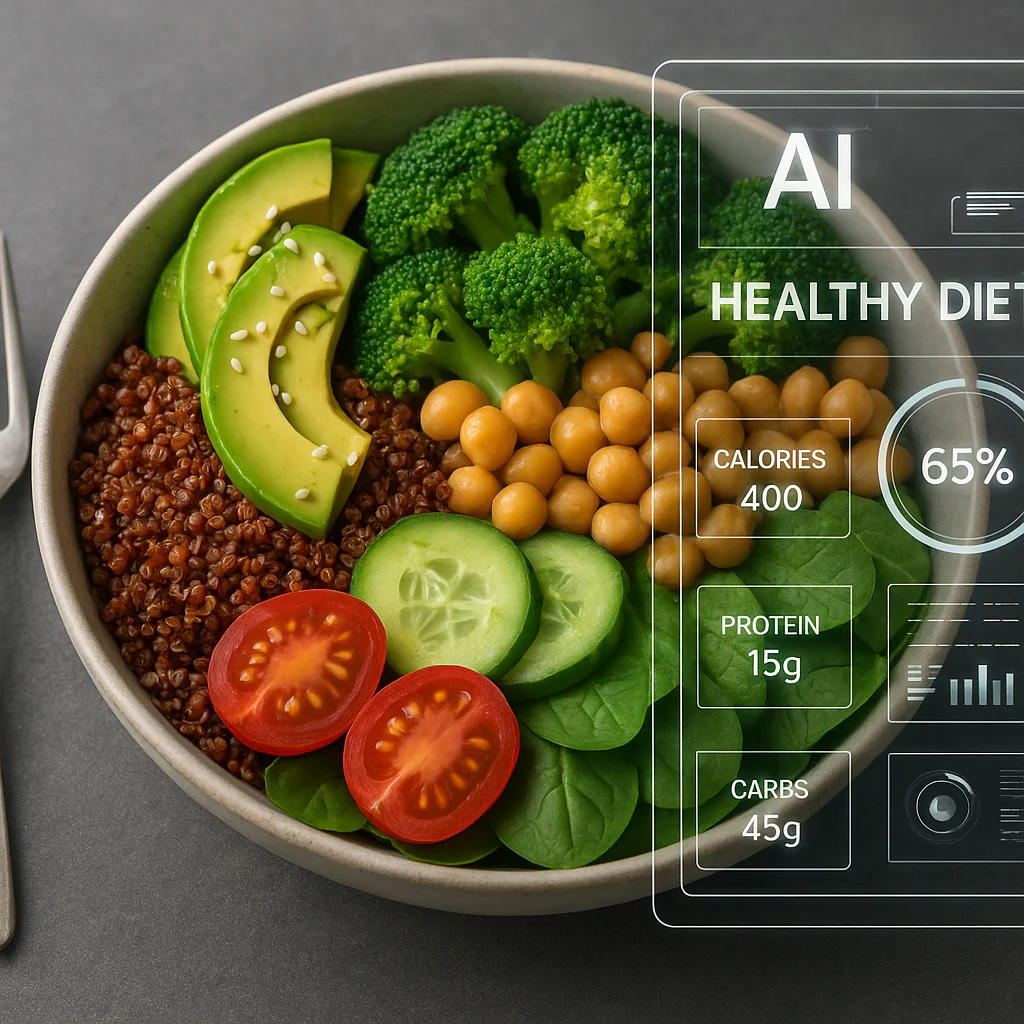
Stop scrolling and take a deep breath. If you’ve ever stood in the grocery aisle staring at a kale leaf and a bag of chips, wondering which one holds the secret to eternal youth and six-pack abs, you are not alone. The search for the single “healthiest thing to eat on a diet” is a quest that has baffled nutritionists, fitness enthusiasts, and confused dieters for decades. Is it the superfood berry? The ancient grain? The magical fat? The truth, as we’ve discovered after coaching thousands of clients through our AI-powered virtual training platform, is far more interesting (and delicious) than a single magic bullet.
In this comprehensive guide, we’re tearing up the rulebook on “perfect” foods. We’ll dive deep into the science of nutrient density, bust the myths that have kept you hungry and confused, and reveal why the combination of foods matters more than any single ingredient. From the surprising recovery power of chocolate milk to the gut-healing magic of fermented pickles, we’re covering every angle you need to build a plate that fuels your body and satisfies your soul. And stick around until the end, because we’re about to reveal a nutrient density chart that will completely change how you shop for groceries forever.
Key Takeaways
- There is no single “healthiest” food: True health comes from nutrient synergy, where a variety of whole, unprocessed foods work together to maximize absorption and benefits.
- Focus on density, not just calories: Prioritize foods packed with vitamins, minerals, and fiber (like leafy greens, fatty fish, and legumes) over empty calories.
- Context is king: The best food for you depends on your activity level, metabolic health, and personal preferences, not just a generic list.
- Sustainability beats perfection: The healthiest diet is the one you can stick to long-term, featuring foods you actually enjoy eating.
Table of Contents
- ⚡️ Quick Tips and Facts
- 🕰️ The Evolution of Dieting: From Ancient Grains to Modern Superfoods
- 🤔 Defining the “Healthiest”: It’s Not Just One Magic Bullet
- 🥦 The Cruciferous Kings: Why Broccoli, Kale, and Cabbage Rule the Rost
- 🌿 Leafy Greens Showdown: Spinach vs. Kale vs. Swiss Chard
- 🐟 The Omega-3 Heavyweights: Fish, Seafood, and Heart Health
- 🥜 Nuty Profits: Almonds, Peanut Butter, and Healthy Fats
- 🫐 Berry Good for You: Blueberries, Mangos, and Antioxidant Powerhouses
- 🌾 Ancient Grains Reimagined: Quinoa, Oats, and Whole Grain Wonders
- 🫘 Legumes: The Fiber-Rich Heroes of Plant-Based Protein
- 🍫 The Sweet Truth: Dark Chocolate, Bets, and Guilt-Free Indulgence
- 🥒 Fermented Favorites: Pickled Vegetables and Gut Health
- 🥛 Post-Workout Perks: The Surprising Science of Chocolate Milk
- 🥗 The Mediterranean Diet: Is This the Ultimate Blueprint for Longevity?
- 🌱 The Power of Plant-Based Protein: Benefits, Sources, and How to Get Enough
- 🚫 Nutrition Myths Busted: The Truth About Carbs, Fat, and Weight Loss
- 🍹 Mint to Be: Refreshing Mocktails for Your Holiday Season
- 📊 Nutrient Density Chart: Comparing the Top Contenders
- 🛒 Smart Shopping: How to Choose the Best Produce and Brands
- 🍽️ Meal Planning: Building the Perfect Balanced Plate
- Conclusion
- Recommended Links
- FAQ
- Reference Links
⚡️ Quick Tips and Facts
Before we dive into the deep end of the nutritional ocean, let’s hit the pause button and grab a few life jackets. You might be scrolling through this article looking for a single “magic bullet” food that will melt fat and give you abs overnight. Spoiler alert: It doesn’t exist. But, there are foods that act like a turbocharger for your metabolism and a shield for your cells.
Here are the non-negotiables we’ve learned from years of coaching thousands of clients via our AI-powered virtual personal training:
- Nutrient Density is King: It’s not just about calories; it’s about the quality of those calories. A 20-calorie bag of chips is not the same as a 20-calorie plate of salmon and broccoli.
- The “Add, Don’t Subtract” Mindset: Instead of obsessing over what you can’t eat, focus on crowding out the bad stuff by filling your plate with the good stuff.
- Hydration is the Silent Hero: You can’t burn fat efficiently if you’re dehydrated. Water is the medium for every metabolic reaction in your body.
- Variety is the Spice of Life (and Longevity): Different colors mean different phytonutrients. If your plate looks beige, you’re missing out.
For a deeper dive into building a sustainable eating plan, check out our comprehensive guide on healthy diet strategies.
🕰️ The Evolution of Dieting: From Ancient Grains to Modern Superfoods
Remember when “diet” just meant “the food you eat”? Yeah, we do too. But somewhere along the line, the word got a bad rap, synonymous with starvation and misery. Let’s rewind the clock.
The Hunter-Gather Blueprint
Our ancestors didn’t have kale smoothie bowls or quinoa salads. They had what they could hunt, gather, or grow. Their diet was high in fiber, lean protein, and healthy fats, with very little processed sugar. It wasn’t a “diet” in the modern sense; it was survival.
The Industrial Shift
Fast forward to the 20th century, and things went sideways. The rise of processed foods, refined sugars, and seed oils changed the game. We went from eating whole foods to eating ingredients that were once whole foods. This shift is largely blamed for the explosion in obesity, type 2 diabetes, and heart disease.
The Modern Superfood Craze
Enter the 21st century: the era of the “superfood.” Suddenly, ancient grains like quinoa and berries like acai were being hailed as miracle cures. While these foods are undeniably nutritious, the marketing often outpaces the science.
The Virtual Personal Trainer™ Take:
We’ve seen clients get obsessed with buying expensive “superfoods” while ignoring the basics. Here’s the truth: A banana is just as “super” as a $10 acai berry if it’s fresh, whole, and eaten as part of a balanced diet. We don’t need to reinvent the wheel; we just need to remember how to eat like our ancestors did, with a few modern conveniences.
🤔 Defining the “Healthiest”: It’s Not Just One Magic Bullet
So, what is the healthiest thing to eat on a diet? If you ask 10 nutritionists, you’ll get 12 different answers. Why? Because context matters.
The Individual Equation
The “healthiest” food for a marathon runner is different from the “healthiest” food for a sedentary office worker.
- Activity Level: High-intensity athletes need more carbohydrates for fuel.
- Metabolic Health: Someone with insulin resistance might thrive on a lower-carb approach, while someone with high cholesterol might need more fiber.
- Genetics: Some people metabolize caffeine or saturated fats differently based on their DNA.
The Synergy Effect
Here’s a secret the food industry doesn’t want you to know: Food synergy. Eating a single food in isolation rarely yields the best results.
- Example: Eating spinach (iron) with lemon juice (Vitamin C) increases iron absorption by up to 30%.
- Example: Eating carrots (beta-carotene) with olive oil (fat) allows your body to actually absorb the nutrients.
The Verdict: The healthiest thing you can eat is a variety of whole, unprocessed foods that fit your unique lifestyle, preferences, and health goals. It’s not about finding the one perfect food; it’s about building the perfect plate.
🥦 The Cruciferous Kings: Why Broccoli, Kale, and Cabbage Rule the Rost
If vegetables had a royal court, the cruciferous family would be the monarchy. These veggies are packed with glucosinolates, sulfur-containing compounds that your body converts into bioactive substances like sulforaphane.
The Detox Powerhouse
According to experts at UC Davis, these compounds are key in detoxification processes. They help your liver flush out toxins and may even reduce the risk of certain cancers.
Top Contenders in the Family
- Broccoli: The classic choice. High in Vitamin C, fiber, and sulforaphane.
- Kale: The nutrient-dense giant. Packed with antioxidants and Vitamin K.
- Brussels Sprouts: Tiny but mighty. Great for gut health.
- Cauliflower: The chameleon of the vegie world. Low carb and versatile.
How to Prep Them for Maximum Benefit
Don’t boil them into oblivion! Boiling leaches out the nutrients.
- Steaming: Best for retaining glucosinolates. Steam for 5 to 10 minutes.
- Raw: Great for crunch, but some people find them hard to digest.
- Roasting: Brings out the natural sweetness, though high heat can degrade some nutrients.
Pro Tip: If you’re new to cruciferous veggies, start small. A sudden influx of fiber can cause some… uncomfortable gas. Build up your tolerance gradually!
🌿 Leafy Greens Showdown: Spinach vs. Kale vs. Swiss Chard
We’ve talked about the kings, but what about the queens? Leafy greens are the foundation of any healthy diet. Let’s break down the heavy hitters.
Spinach: The Iron Giant
- Nutrient Profile: High in iron, magnesium, and Vitamin A.
- The Catch: Spinach contains oxalates, which can bind to calcium and reduce absorption. If you have kidney stones, go easy on the raw spinach.
- Best Use: Smoothies, salads, or lightly sautéed.
Kale: The Nutrient Bomb
- Nutrient Profile: Extremely high in Vitamin K, Vitamin C, and antioxidants.
- The Catch: It can be tough and bitter if not prepared right.
- Best Use: Massaged kale salads (rub with olive oil to soften) or baked into chips.
Swiss Chard: The Colorful Contender
- Nutrient Profile: Rich in magnesium and potassium.
- The Catch: Also high in oxalates.
- Best Use: Sautéed with garlic and lemon.
Comparison Table: Leafy Greens Nutrient Density (per 1 cup raw)
| Nutrient | Spinach | Kale | Swiss Chard |
|---|---|---|---|
| Calories | 7 | 3 | 35 |
| Vitamin K | 145% DV | 684% DV | 368% DV |
| Vitamin A | 167% DV | 106% DV | 109% DV |
| Iron | 0.8 mg | 0.6 mg | 1.8 mg |
| Fiber | 0.7 g | 1.3 g | 1.0 g |
Source: USDA FoodData Central
🐟 The Omega-3 Heavyweights: Fish, Seafood, and Heart Health
If you’re looking for the single best source of high-quality protein and healthy fats, look no further than the ocean.
Why Fish?
Fish, particularly fatty fish, are loaded with Omega-3 fatty acids (EPA and DHA). These are essential fats that your body cannot make on its own.
- Heart Health: Reduces triglycerides, lowers blood pressure, and decreases the risk of arrhythmias.
- Brain Function: Crucial for cognitive health and may reduce the risk of Alzheimer’s.
- Inflammation: Powerful anti-inflammatory properties.
The Top Picks
- Salmon: The gold standard. Wild-caught is generally preferred over farmed due to lower contaminant levels.
- Sardines: Tiny but mighty. Low in mercury and high in calcium (eat the bones!).
- Mackerel: Rich in Omega-3s, but choose Atlantic mackerel to avoid high mercury levels found in King mackerel.
- Trout: A great freshwater alternative.
Expert Insight:
Bob Canter, a Professor of Surgery at UC Davis, advises: “Eat plenty of fish, which are high in healthy omega 3 fatty acids, and smaller portions of red meat to reduce your risk of diseases like stroke, heart disease and cancer.”
What About Mercury?
Not all fish are created equal. Large predatory fish like shark, swordfish, and king mackerel can be high in mercury. Stick to smaller fish like sardines, anchovies, and salmon.
👉 Shop for Fresh & Frozen Seafood:
- Wild Caught Salmon: Amazon Fresh | Whole Foods Market
- Canned Sardines: Amazon | Brand Official Site
🥜 Nuty Profits: Almonds, Peanut Butter, and Healthy Fats
Fat has been demonized for decades, but we know now that healthy fats are essential for hormone production, brain function, and satiety.
Almonds: The Vitamin E Powerhouse
- Benefits: High in Vitamin E (an antioxidant), magnesium, and fiber.
- Heart Health: Helps lower LDL (bad) cholesterol.
- Portion Control: A handful a day (about 1 ounce or 23 nuts) is the sweet spot. They are calorie-dense, so don’t eat the whole bag!
Peanut Butter: The Comfort Food with Benefits
- Benefits: Contains protein, healthy fats, and a good balance of carbs.
- Recovery: Brian Davis, a Clinical Professor, notes: “It has protein, carbs and sugars. It’s a great recovery food and my kids love it!”
- The Catch: Watch out for added sugars and hydrogenated oils.
How to Choose the Right Nut Butter:
Look for ingredients that say just “peanuts” or “almonds” and maybe a pinch of salt. Avoid the ones with “partially hydrogenated oils” or “sugar” listed in the top three ingredients.
Top Brands to Try:
- Justin’s Classic Peanut Butter: Amazon | Justin’s Official Site
- MaraNatha Organic Almond Butter: Amazon | MaraNatha Official Site
🫐 Berry Good for You: Blueberries, Mangos, and Antioxidant Powerhouses
Who says healthy food can’t be sweet? Beries and tropical fruits are nature’s candy, packed with antioxidants that fight oxidative stress.
Blueberries: The Brain Berry
- Key Compounds: High in anthocyanins, which are linked to improved memory and cognitive function.
- Versatility: Alex Nella, a Pediatric Registered Dietitian, suggests: “Blueberries are excellent frozen because they will cool down your oatmeal with bonus fiber and antioxidants.”
- Comparison: They offer the benefits of red wine “without the alcohol, hangover or extra calories.”
Mangos: The Tropical Treat
- Nutrient Profile: Low calorie, high in fiber, and rich in Vitamins A and C.
- Benefits: Contains various minerals and antioxidants linked to multiple health benefits.
- Tip: Eat them fresh or frozen. Avoid mango nectar, which is often loaded with added sugar.
Comparison: Antioxidant Content (ORAC Value)
| Fruit | ORAC Value (per 10g) | Key Antioxidant |
|---|---|---|
| Blueberries | 4,69 | Anthocyanins |
| Raspberries | 5,065 | Ellagic Acid |
| Strawberries | 3,57 | Vitamin C |
| Mango | 1,260 | Vitamin C, Beta-carotene |
Source: USDA Database for the Oxygen Radical Absorbance Capacity (ORAC) of Selected Foods
👉 Shop for Fresh & Frozen Beries:
- Organic Blueberries: Amazon Fresh | Driscoll’s Official Site
- Frozen Mango Chunks: Walmart | Kirkland Signature
🌾 Ancient Grains Reimagined: Quinoa, Oats, and Whole Grain Wonders
Carbs are not the enemy. Refined carbs are the problem. Whole grains provide sustained energy, fiber, and essential nutrients.
Quinoa: The Complete Protein
- Nutritional Profile: High in fiber and protein; has a low glycemic index compared to other carbs.
- Versatility: Can be cooked in savory or sweet dishes.
- Why it’s special: It’s one of the few plant foods that is a complete protein, containing all nine essential amino acids.
Oats: The Heart Hero
- Benefits: Rich in beta-glucan, a soluble fiber that helps lower cholesterol.
- Best Choice: Steel-cut or rolled oats. Avoid instant packets with added sugar.
Other Ancient Grains to Try
- Amaranth: Gluten-free and high in protein.
- Buckwheat: Despite the name, it’s not wheat! Great for pancakes.
- Barley: Excellent for soups and stews.
Expert Insight:
Brandee Waite, Director of UC Davis Sports Medicine Fellowship, notes: “It is high in fiber and protein and has a low glycemic index compared to some other carbs.”
🫘 Legumes: The Fiber-Rich Heroes of Plant-Based Protein
Legumes (beans, lentils, chickpeas) are the unsung heroes of the plant kingdom. They are affordable, versatile, and incredibly nutritious.
Why Legumes?
- Fiber Powerhouse: Great for gut health and blood sugar regulation.
- Plant Protein: A fantastic alternative to meat.
- Heart Health: Linked to lower cholesterol and blood pressure.
Top Legumes
- Chickpeas (Garbanzo Beans): Great for humus, roasting, or curies.
- Lentils: Cook quickly and are perfect for soups and salads.
- Black Beans: High in antioxidants and fiber.
- Edame: Young soybeans, perfect as a snack.
Preparation Tip:
Santana Diaz, Executive Chef, suggests: “Using the humus as simply a healthy dip or to add a flavor profile to any wrap or sandwich instead of a mayonnaise-based spread can result in a healthy, savory meal.”
👉 Shop for Dried & Canned Legumes:
- Organic Black Beans: Amazon | Goya Official Site
- Lentils (Red, Green, Brown): Walmart | Bob’s Red Mill Official Site
🍫 The Sweet Truth: Dark Chocolate, Bets, and Guilt-Free Indulgence
Can you eat chocolate on a diet? Yes! But you have to be smart about it.
Dark Chocolate: The Antioxidant King
- The Rule: Choose chocolate with 70% cocoa or higher. The higher the cocoa, the less sugar and the more antioxidants.
- Benefits: Improves blood flow, lowers blood pressure, and boosts mood.
- Portion: A square or two a day is enough.
Bets: The Endurance Booster
- Key Compounds: Contain protective carotenoids and dietary nitrates.
- Performance Benefit: Nitrates convert to nitric oxide, which can improve endurance exercise.
- Varieties: Available in red, yellow, and golden; both root and greens are beneficial.
Expert Insight:
Alex Nella notes: “Evidence suggests their dietary nitrates can be converted to nitric oxide and improve endurance exercise.”
👉 Shop for Dark Chocolate & Bets:
- Lindt Excellence 85% Cocoa: Amazon | Lindt Official Site
- Organic Bets (Fresh): Amazon Fresh | Whole Foods Market
🥒 Fermented Favorites: Pickled Vegetables and Gut Health
Your gut is your second brain. A healthy gut microbiome is linked to better digestion, immunity, and even mental health. Enter fermented foods.
The Power of Probiotics
Pickled vegetables (fermented in brine, not vinegar) are rich in probiotics, the good bacteria that populate your gut.
Top Fermented Foods
- Sauerkraut: Fermented cabbage.
- Kimchi: Spicy Korean fermented vegetables.
- Pickles: Look for “fermented” or “naturally fermented” on the label. Avoid those made with vinegar, as they lack probiotics.
- Kefir: A fermented milk drink.
Expert Insight:
Santana Diaz suggests: “Spicing up your snack world with some chipotle-pickled carrots is another way to provide a flavorful profile to a vegetable that can get boring from time to time.”
👉 Shop for Fermented Foods:
- Bubbies Pickles: Amazon | Bubbies Official Site
- Kimchi (Various Brands): Walmart | Mother In Law’s Kimchi
🥛 Post-Workout Perks: The Surprising Science of Chocolate Milk
You heard it right. Chocolate milk is often cited as one of the best post-workout recovery drinks.
Why It Works
- Carbs + Protein: It provides the perfect ratio of carbohydrates to replenish glycogen stores and protein to repair muscle.
- Electrolytes: Contains sodium and potassium lost during sweat.
- Hydration: The fluid content helps rehydrate.
Expert Insight:
Brian Davis, Clinical Professor, calls it: “The greatest recovery drink.”
Note: This applies to low-fat or skim chocolate milk. The sugar content is higher than plain milk, but that’s exactly what you need after a hard workout.
🥗 The Mediterranean Diet: Is This the Ultimate Blueprint for Longevity?
If there’s one diet that consistently tops the charts for health and longevity, it’s the Mediterranean Diet.
Core Components
- High: Vegetables, fruits, whole grains, legumes, nuts, seeds, olive oil.
- Moderate: Fish, poultry, dairy (chese/yogurt).
- Low: Red meat, processed foods, added sugars.
Why It Works
It’s not just about the foods; it’s about the lifestyle. It emphasizes fresh, whole ingredients, social eating, and physical activity.
Expert Insight:
Peter Yellowles, Professor of General Psychiatry, advises: “Ideally, eat a Mediterranean-style diet with lean meat and lots of vegetables and make sure you keep your weight within a healthy range.”
👉 Shop for Mediterranean Staples:
- Extra Virgin Olive Oil: Amazon | California Olive Ranch
- Hummus: Walmart | Sabra Official Site
🌱 The Power of Plant-Based Protein: Benefits, Sources, and How to Get Enough
You don’t need to eat meat to get enough protein. Plant-based proteins are abundant and come with a host of benefits.
Benefits of Plant Protein
- Fiber: Most plant proteins are high in fiber.
- Low Saturated Fat: Generally lower in saturated fat than animal proteins.
- Phytonutrients: Packed with antioxidants and anti-inflammatory compounds.
Top Plant Protein Sources
- Legumes: Lentils, chickpeas, beans.
- Nuts and Seeds: Almonds, chia seeds, hemp seeds.
- Whole Grains: Quinoa, amaranth, buckwheat.
- Soy: Tofu, tempeh, edame.
How to Get Enough:
Aim for a variety of sources throughout the day. You don’t need to combine proteins at every meal, but eating a diverse range ensures you get all essential amino acids.
🚫 Nutrition Myths Busted: The Truth About Carbs, Fat, and Weight Loss
Let’s clear the air on some common misconceptions.
Myth 1: “Carbs make you fat.”
Truth: Excess calories make you fat. Refined carbs (sugar, white bread) can spike insulin and lead to overeating, but whole grains and veggies are essential for energy.
Myth 2: “Fat makes you fat.”
Truth: Healthy fats are crucial for satiety and hormone health. It’s the type of fat that matters. Avoid trans fats and limit saturated fats.
Myth 3: “You need to eat 6 small meals a day to boost metabolism.”
Truth: Meal frequency doesn’t significantly impact metabolism. Eat when you’re hungry and stop when you’re full.
Myth 4: “Detox diets cleanse your body.”
Truth: Your liver and kidneys do the detoxing. You don’t need a juice cleanse. Just eat whole foods and drink water.
🍹 Mint to Be: Refreshing Mocktails for Your Holiday Season
Who says you need alcohol to have a good time? Mocktails are a great way to stay hydrated and enjoy a festive drink without the calories or hangover.
Easy Mocktail Ideas
- Sparkling Mint Lemonade: Fresh mint, lemon juice, sparkling water, and a touch of honey.
- Berry Basil Spritzer: Muddled berries, basil, and club soda.
- Cucumber Cooler: Cucumber slices, lime, and ginger ale.
Expert Insight:
Peter Yellowles warns against “comfort eating” but notes: “There is nothing wrong with an occasional dietary reward… as long as you don’t get into the habit of comfort eating!” A delicious mocktail can be that reward without the guilt.
👉 Shop for Mocktail Ingredients:
- Sparkling Water: Amazon | LaCroix Official Site
- Fresh Herbs & Beries: Whole Foods Market
📊 Nutrient Density Chart: Comparing the Top Contenders
To help you visualize the power of these foods, here’s a comparison of their nutrient density.
| Food | Calories (per 10g) | Protein (g) | Fiber (g) | Key Nutrient | Health Benefit |
|---|---|---|---|---|---|
| Salmon | 208 | 20 | 0 | Omega-3 | Heart & Brain Health |
| Broccoli | 34 | 2.8 | 2.6 | Vitamin C | Immune Support |
| Spinach | 23 | 2.9 | 2.2 | Iron | Oxygen Transport |
| Almonds | 579 | 21 | 12 | Vitamin E | Antioxidant |
| Blueberries | 57 | 0.7 | 2.4 | Anthocyanins | Brain Health |
| Quinoa | 120 | 4.4 | 2.8 | Complete Protein | Muscle Repair |
| Lentils | 16 | 9 | 8 | Folate | Heart Health |
| Dark Chocolate | 546 | 8 | 1 | Flavonoids | Mood Boost |
Source: USDA FoodData Central
🛒 Smart Shopping: How to Choose the Best Produce and Brands
Navigating the grocery store can be overwhelming. Here are our top tips for smart shopping.
1. Read Labels
Look for short ingredient lists. If you can’t pronounce it, maybe skip it. Watch out for hidden sugars and sodium.
2. Buy Seasonal
Seasonal produce is usually fresher, cheaper, and more nutritious.
3. Go Organic When Possible
The “Dirty Dozen” (produce with high pesticide residues) includes strawberries, spinach, and apples. The “Clean Fifteen” (low pesticide) includes avocados, sweet corn, and onions.
4. Support Local
Farmers’ markets are a great way to get fresh, local produce.
👉 Shop Smart:
- Organic Produce: Amazon Fresh | Whole Foods Market
- Frozen Veggies: Walmart | Birds Eye Official Site
🍽️ Meal Planning: Building the Perfect Balanced Plate
Ready to put it all together? Here’s a simple formula for a balanced plate.
The Plate Method
- 1/2 Plate: Non-starchy vegetables (broccoli, spinach, peppers).
- 1/4 Plate: Lean protein (chicken, fish, tofu, beans).
- 1/4 Plate: Whole grains or starchy veggies (quinoa, sweet potato, brown rice).
- Add: A serving of healthy fat (olive oil, avocado, nuts).
Sample Day of Eating
- Breakfast: Oatmeal with blueberries, chia seeds, and a dolop of Greek yogurt.
- Lunch: Quinoa salad with chickpeas, spinach, cherry tomatoes, and lemon-tahini dressing.
- Snack: Apple slices with almond butter.
- Dinner: Baked salmon with roasted broccoli and sweet potato.
- Dessert: A square of dark chocolate.
Need more ideas? Check out our Fitness Guides and Home-based Workouts for a complete lifestyle overhaul.
Conclusion

So, what is the healthiest thing to eat on a diet? The answer isn’t a single food, but a mindset. It’s about embracing a variety of nutrient-dense, whole foods that fuel your body, satisfy your taste buds, and support your long-term health.
From the cruciferous kings like broccoli to the omega-3 heavyweights like salmon, and from the fiber-rich legumes to the antioxidant-packed berries, every food has a role to play. The key is balance, variety, and consistency.
Our Final Recommendation:
Don’t get caught up in the latest fad or the most expensive superfood. Focus on building a plate that is colorful, whole, and delicious. If you need help creating a personalized plan that fits your unique needs, consider working with a Virtual Personal Trainer™ powered by AI. We can help you navigate the noise, create a sustainable eating plan, and keep you accountable every step of the way.
Remember, every bite counts. Start small, stay consistent, and enjoy the journey to a healthier you!
Recommended Links
👉 Shop for Top Healthy Foods:
- Organic Salmon: Amazon Fresh | Wild Alaskan Company
- Quinoa: Amazon | Ancient Harvest
- Dark Chocolate: Amazon | Lindt Official Site
- Nut Buters: Amazon | Justin’s Official Site
- Frozen Beries: Walmart | Driscoll’s Official Site
Recommended Books:
- The Blue Zones Solution by Dan Buettner: Amazon
- How Not to Die by Michael Greger: Amazon
- The Mediterranean Diet for Beginners by Rockridge Press: Amazon
FAQ

How can I use AI-powered coaching to stay motivated and accountable on my weight loss journey with healthy eating habits?
AI-powered coaching, like the technology behind Virtual Personal Trainer™, uses data-driven insights to create personalized meal plans and track your progress in real-time. It can send you timely reminders, adjust your plan based on your feedback, and provide instant feedback on your food choices. This level of accountability helps you stay on track even when motivation wanes.
What role does meal planning play in a successful weight loss journey, and can a virtual online coach assist with this?
Meal planning is crucial for success because it removes the guesswork and prevents impulsive, unhealthy choices. A virtual online coach can generate weekly meal plans based on your preferences, dietary restrictions, and goals, ensuring you always have healthy options ready to go.
How do I know which diet is right for me, and can a virtual online coach powered by AI help me decide?
The right diet depends on your individual needs, lifestyle, and health goals. An AI-powered coach can analyze your data (age, weight, activity level, medical history) to recommend the most suitable diet, whether it’s Mediterranean, low-carb, or plant-based, and adjust it as you progress.
What are the best healthy eating habits to develop for long-term weight loss success with AI-powered coaching?
Key habits include:
- Eating whole, unprocessed foods.
- Practicing portion control.
- Staying hydrated.
- Listening to your body’s hunger and fullness cues.
- Cooking at home more often.
AI coaching can help reinforce these habits through consistent tracking and personalized feedback.
How can a virtual nutritionist create a personalized diet plan for my specific health needs?
A virtual nutritionist uses advanced algorithms to analyze your health data, preferences, and goals. They can create a tailored plan that addresses specific needs, such as managing diabetes, lowering cholesterol, or building muscle, ensuring you get the right nutrients at the right time.
What foods should I avoid when trying to lose weight with the help of a virtual online coach?
Generally, you should limit:
- Added sugars (soda, candy, pastries).
- Refined carbohydrates (white bread, white rice).
- Processed meats (bacon, sausages).
- Trans fats (fried foods, margarine).
- Excessive alcohol.
Your virtual coach can help you identify these in your diet and suggest healthier alternatives.
What is the number 1 healthiest diet?
There is no single “number 1” diet. However, the Mediterranean Diet is consistently ranked as one of the healthiest due to its focus on whole foods, healthy fats, and plant-based ingredients. It’s flexible, sustainable, and backed by extensive research.
Read more about “🥗 How to Eat Healthy Food Everyday: The 10-Step Guide (2026)”
What is the healthiest food to eat on a diet?
The healthiest food is a variety of whole, unprocessed foods. No single food can provide all the nutrients you need. Focus on filling your plate with colorful vegetables, lean proteins, whole grains, and healthy fats.
Read more about “🥗 The 4 Healthy Diets That Actually Work (2026)”
What food is best for weight loss?
Foods that are high in protein and fiber are best for weight loss because they keep you full longer and reduce cravings. Examples include lean meats, legumes, vegetables, and whole grains.
Read more about “7 Must-Know Types of Exercises for Total Fitness in 2026 💪”
What is the #1 healthiest food?
Again, there is no single #1 food. However, leafy greens like spinach and kale are often considered among the healthiest due to their high nutrient density and low calorie count.
Read more about “🥗 What is the Proper Healthy Diet? 12 Pillars for 2026”
What is the healthiest diet you can eat?
The healthiest diet is one that is sustainable, balanced, and tailored to your individual needs. The Mediterranean Diet, DASH Diet, and plant-based diets are all excellent options, but the best one is the one you can stick to long-term.
Read more about “Unlocking the Secrets of a Healthy Diet: 12 Expert Tips for 2026 🍎”
What foods help burn belly fat?
No food specifically “burns” belly fat, but a diet rich in fiber, protein, and healthy fats can help reduce overall body fat, including belly fat. Foods like avocados, nuts, fatty fish, and leafy greens are great choices.
Read more about “15 Healthy Foods to Lose Weight Fast in 2025 🍽️”
What is the healthiest food to eat to lose weight?
The healthiest foods to eat for weight loss are those that are low in calories but high in nutrients. Think vegetables, fruits, lean proteins, and whole grains. These foods keep you full and provide the energy you need without excess calories.
Read more about “9 Key Components of a Healthy Diet for Weight Loss 🍽️ (2026)”
Reference Links
- Mayo Clinic: 10 Great Health Foods
- UC Davis Health: Top 15 Healthy Foods You Should Be Eating
- UCSF Health: Top Ten Foods for Health
- USDA FoodData Central: Nutrient Database
- California Olive Ranch: Extra Virgin Olive Oil
- Lindt: Dark Chocolate
- Driscoll’s: Beries
- Justin’s: Nut Buters
- Bubbies: Pickles
- Mother In Law’s Kimchi: Kimchi
- LaCroix: Sparkling Water
- Birds Eye: Frozen Vegetables
- Ancient Harvest: Quinoa
- Wild Alaskan Company: Salmon