Support our educational content for free when you buy through links on our site. Learn more
🏋️ ♂️ The 6 Types of Physical Fitness: Your Complete 2026 Guide
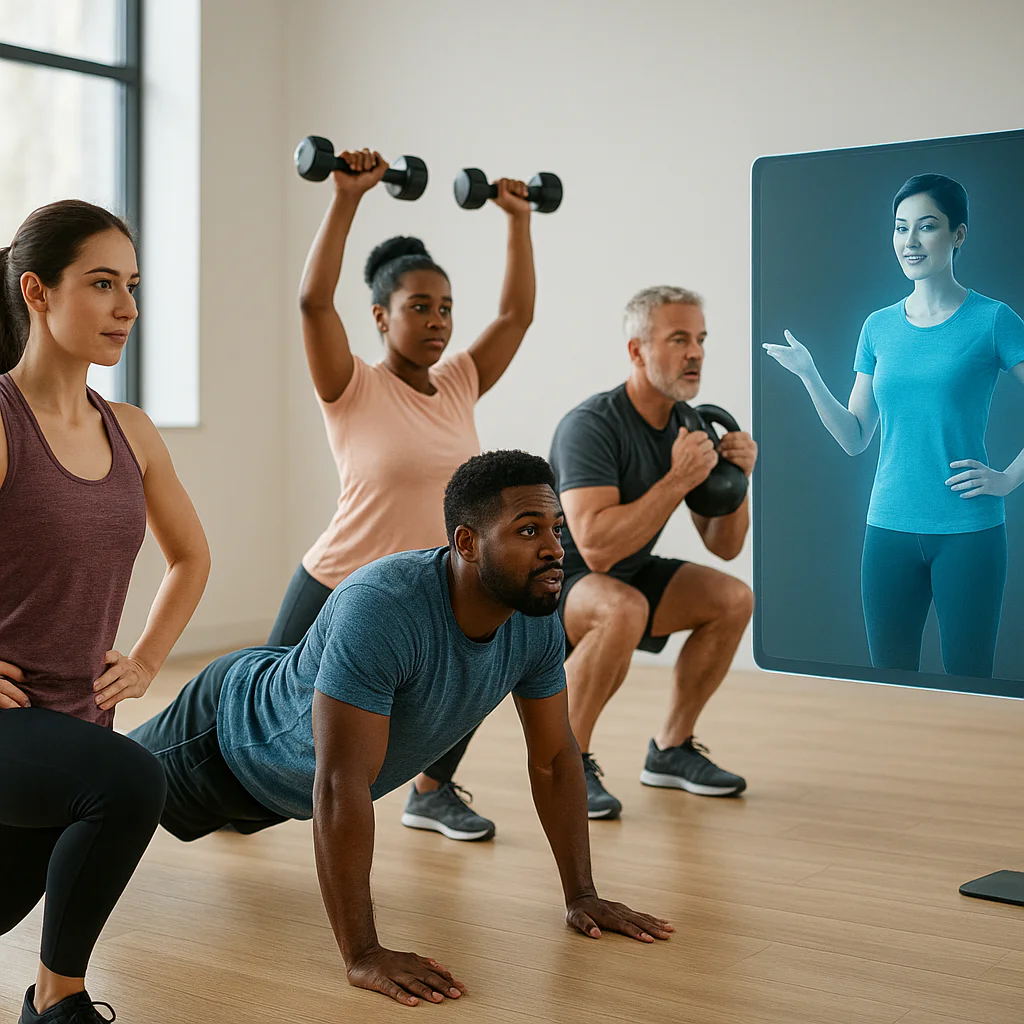
Ever feel like your workout is missing a secret ingredient? You crush your cardio, lift heavy, and stretch, yet something still feels off. That’s because true fitness isn’t a single metric; it’s a symphony of six distinct types working in harmony. From the engine of your heart to the stability of your balance, neglecting just one can leave your entire physical foundation wobbly. In this guide, we’ll dissect the 6 types of physical fitness, revealing why a marathon runner might crumble under a heavy box while a bodybuilder can’t touch their toes. Plus, stay tuned for our exclusive “Fitness Matrix” that shows exactly how to weave all six into a single, unstoppable weekly routine.
Key Takeaways
- The Big Six Defined: Master Cardiovascular Endurance, Muscular Strength, Muscular Endurance, Flexibility, Body Composition, and Balance to achieve holistic health.
- Beyond the Scale: True fitness isn’t just about weight; it’s about your body composition ratio and functional ability to perform daily tasks effortlessly.
- Balance is Non-Negotiable: Often overlooked, balance and coordination are critical for injury prevention and longevity, especially as we age.
- Holistic Training Wins: Focusing only one type creates imbalances; a comprehensive approach ensures you are strong, agile, and resilient in every aspect of life.
Table of Contents
- ⚡️ Quick Tips and Facts
- 📜 The Evolution of Fitness: From Ancient Warriors to Modern Athletes
- 🏋️ ♂️ The Big Six: Unpacking the 6 Types of Physical Fitness
- 1. Cardiovascular Endurance: The Engine of Your Life
- 2. Muscular Strength: Lifting the World (or at least Your Groceries)
- 3. Muscular Endurance: The Gift That Keeps on Giving
- 4. Flexibility: The Art of Not Snapping in Half
- 5. Body Composition: It’s Not Just About the Scale
- 6. Balance and Coordination: Staying Upright in a Chaotic World
- 🧩 Health-Related vs. Skill-Related Fitness: What’s the Difference?
- 📊 The Fitness Matrix: How the 6 Types Work Together
- 🚀 Designing Your Ultimate 6-Component Workout Plan
- 🛠️ Essential Gear and Tools to Master All 6 Fitness Types
- 🚫 Common Myths and Mistakes When Training the 6 Types
- 📈 Tracking Your Progress: Metrics That Actually Matter
- 🍎 Nutrition and Recovery: Fueling Your 6-Part Fitness Journey
- 👵 Adapting the 6 Types of Fitness for Every Age and Ability
- 🏆 Conclusion: Are You Ready to Level Up?
- 🔗 Recommended Links
- ❓ Frequently Asked Questions (FAQ)
- 📚 Reference Links
⚡️ Quick Tips and Facts
Before we dive into the deep end of the fitness ocean, let’s grab a life raft of essential truths that will save you time, energy, and a lot of confusion.
- The “Big Six” aren’t just a checklist: They are the pillars holding up your entire quality of life. Ignore one, and the whole structure gets wobbly. 🏗️
- You don’t need a gym to master them: While equipment helps, bodyweight mastery is often the purest test of these six types.
- Age is just a number (mostly): The CDC and NHS agree that physical activity guidelines exist for every age group, from toddlers to seniors, but the intensity and type shift as you evolve.
- Myth Buster: You cannot “spot reduce” fat to improve body composition. It’s a full-system game. 🚫🍔
- The Secret Sauce: Consistency beats intensity every single time. A 10-minute walk daily is better than a 2-hour marathon once a month.
For a deeper dive into how these components interact, check out our guide on exercise types.
📜 The Evolution of Fitness: From Ancient Warriors to Modern Athletes
Ever wonder why we categorize fitness into six specific types? It wasn’t always this organized. In the days of ancient Greece, fitness was a “whole package” deal. If you couldn’t run, jump, throw, and wrestle, you weren’t a citizen; you were a liability. The Greeks called this Arete—excellence of any kind, but specifically physical prowess.
Fast forward to the 19th and 20th centuries. As we moved from hunting/gathering to sitting in offices, fitness became specialized. We started separating “health” from “skill.” The American College of Sports Medicine (ACSM) and other bodies eventually codified the Health-Related Fitness components (the 6 types we discuss today) to distinguish them from Skill-Related Fitness (agility, speed, reaction time), which is more about athletic performance than daily survival.
“The goal of physical fitness is not just to look good, but to function well in the world.” — Adapted from ACSM Guidelines
Why does this history matter to you? Because understanding that fitness was once a survival skill helps us realize that neglecting any of the six types leaves us ill-equipped for modern life. Whether it’s carrying groceries (strength), chasing a bus (cardio), or avoiding a slip on ice (balance), these aren’t just gym metrics; they are life skills.
🏋️ ♂️ The Big Six: Unpacking the 6 Types of Physical Fitness
So, what exactly are these six types? At Virtual Personal Trainer™, we see clients obsess over one (usually strength or cardio) while neglecting the others. This is like building a house with a roof but no foundation. Let’s break down the 6 Types of Physical Fitness that form the bedrock of a healthy life.
1. Cardiovascular Endurance: The Engine of Your Life
Cardiovascular endurance (also known as cardiorespiratory endurance) is your body’s ability to sustain prolonged physical activity. It’s the efficiency of your heart, lungs, and blood vessels in delivering oxygen to your muscles.
- Why it matters: It’s the #1 predictor of longevity. A strong heart means less strain on your body during daily tasks.
- The “Talk Test”: If you can talk but not sing, you’re in the moderate zone. If you can’t say more than a few words, you’re in the vigorous zone.
- Real-world application: Walking up three flights of stairs without gasping for air.
How to Train It:
- Steady State: Brisk walking, jogging, swimming for 30+ minutes.
- HIT (High-Intensity Interval Training): Short bursts of max effort followed by rest.
- Circuit Training: Combining strength moves with minimal rest to keep the heart rate up.
Pro Tip: Don’t just run! Try cycling or rowing to engage different muscle groups while keeping that heart rate soaring.
2. Muscular Strength: Lifting the World (or at least Your Groceries)
Muscular strength is the maximum amount of force a muscle can exert in a single effort. It’s about power.
- Why it matters: It protects your joints, boosts metabolism, and makes heavy lifting (literally) easy.
- The Misconception: You don’t need to look like a bodybuilder to have strength. Strength is functional.
- Real-world application: Moving a heavy suitcase into the overhead bin or lifting a child.
How to Train It:
- Heavy Resistance: Lifting weights that are 80-90% of your one-rep max for low reps (1-5).
- Compound Movements: Squats, deadlifts, and bench presses that work multiple joints.
Brand Spotlight:
If you’re starting at home, a set of adjustable dumbells is a game-changer.
- Bowflex SelectTech 52: Amazon | Bowflex Official
- NordicTrack Adjustable Dumbells: Amazon | NordicTrack Official
3. Muscular Endurance: The Gift That Keeps on Giving
While strength is about one big push, muscular endurance is about repeated pushes. It’s the ability of a muscle to perform contractions over a period of time without fatigue.
- Why it matters: It prevents that “dead arm” feeling after carrying groceries or holding a plank.
- The Difference: Strength = 1 rep of 10lbs. Endurance = 20 reps of 50lbs.
- Real-world application: Holding a baby for an hour, gardening, or maintaining good posture at a desk.
How to Train It:
- High Reps: 12-20+ repetitions with lighter weights.
- Bodyweight Circuits: Push-ups, squats, and lunges performed in succession.
- Isometric Holds: Planks, wall sits, and glute bridges.
Did you know? The NHS recommends muscle-strengthening activities at least 2 days a week, but for endurance, you often need more frequent, lower-intensity sessions.
4. Flexibility: The Art of Not Snapping in Half
Flexibility is the range of motion available at a joint. It’s the difference between touching your toes and pulling a hamstring.
- Why it matters: It reduces injury risk, improves posture, and alleviates back pain.
- Static vs. Dynamic: Static stretching (holding a stretch) is great for after a workout. Dynamic stretching (moving through range of motion) is better before.
- Real-world application: Tying your shoes without falling over or reaching for a high shelf.
How to Train It:
- Yoga: Combines flexibility with balance and strength.
- Pilates: Focuses on core strength and controlled movement.
- Foam Rolling: Self-myofascial release to loosen tight muscles.
Gear Up:
- TriggerPoint GRID Foam Roller: Amazon | TriggerPoint Official
- Gaiam Yoga Mat: Amazon | Gaiam Official
5. Body Composition: It’s Not Just About the Scale
Body composition is the ratio of fat mass to fat-free mass (muscle, bone, organs, water) in your body. It’s the most accurate indicator of health, far superior to BMI.
- Why it matters: Two people can weigh the same, but one has 20% body fat and the other 30%. The one with more muscle is metabolically healthier.
- The Scale Lie: The scale doesn’t tell you if you’re losing fat or muscle.
- Real-world application: How your clothes fit and your energy levels.
How to Improve It:
- Caloric Deficit + Strength Training: Lose fat while preserving (or building) muscle.
- High Protein Intake: Essential for muscle repair.
- Consistent Cardio: Burns calories and improves heart health.
Expert Insight: At Virtual Personal Trainer™, we use AI to analyze your progress not just by weight, but by body composition trends. It’s the only way to see the real picture.
6. Balance and Coordination: Staying Upright in a Chaotic World
Often overlooked, balance (staying upright) and coordination (moving body parts smoothly together) are critical for preventing falls and improving athletic performance.
- Why it matters: Falls are a leading cause of injury in older adults, but poor balance affects everyone. Coordination makes movement efficient.
- Neuromotor Fitness: This is the technical term for balance and coordination training.
- Real-world application: Walking on uneven terrain, catching a falling object, or dancing.
How to Train It:
- Single-Leg Stands: Try brushing your teeth one leg.
- Unstable Surfaces: Use a balance board or BOSU ball.
- Complex Movements: Jumping jacks, agility ladders, or martial arts drills.
Recommended Tools:
- BOSU Balance Trainer: Amazon | BOSU Official
- Agility Ladder: Amazon
🧩 Health-Related vs. Skill-Related Fitness: What’s the Difference?
You might have heard of “Skill-Related Fitness” and wondered how it fits in. Here is the breakdown:
| Feature | Health-Related Fitness (The Big 6) | Skill-Related Fitness |
|---|---|---|
| Goal | Improve overall health and prevent disease. | Enhance athletic performance. |
| Components | Cardio, Strength, Endurance, Flexibility, Body Comp, Balance. | Agility, Speed, Power, Reaction Time, Coordination, Balance. |
| Who needs it? | Everyone. Essential for daily life. | Athletes and those seeking peak performance. |
| Example | Walking up stairs without getting winded. | Dodging a defender in soccer. |
The Overlap: Notice that Balance appears in both? That’s because it’s a bridge between health and skill. While the “Big 6” are the foundation, skill-related components are the decorations that make the house a palace. You can’t have a palace without a foundation, though!
📊 The Fitness Matrix: How the 6 Types Work Together
Imagine your fitness as a six-legged stool. If you remove one leg, the stool wobbles. If you remove two, it collapses.
- Cardio + Strength: Running (Cardio) builds endurance, but without Strength, your joints might fail under the impact. Strength training builds the armor to protect your cardio engine.
- Flexibility + Balance: Tight muscles (por flexibility) limit your range of motion, making it harder to balance. Stretching opens the door to better stability.
- Body Composition + Endurance: Carying excess fat makes endurance harder. Better endurance burns more calories, improving body composition. It’s a virtuous cycle.
The Virtual Personal Trainer™ Approach:
Our AI algorithms don’t just pick random exercises. We analyze your weak points. If your data shows you have great strength but poor flexibility, we automatically adjust your routine to include more mobility work. It’s about holistic balance, not just hitting a PR.
🚀 Designing Your Ultimate 6-Component Workout Plan
Ready to build your plan? Here is a step-by-step guide to integrating all six types into a weekly schedule.
Step 1: Assess Your Baseline
Before you start, know where you stand. Can you do 10 push-ups? Can you touch your toes? How long can you run?
- Tip: Use our Fitness Guides for assessment tools.
Step 2: The Weekly Split
Here is a sample schedule that hits all six types:
| Day | Focus | Activity | Types Covered |
|---|---|---|---|
| Mon | Strength & Power | Full Body Weightlifting | Strength, Endurance |
| Tue | Cardio & Endurance | 30-min Jog or Cycle | Cardiovascular, Endurance |
| Wed | Active Recovery | Yoga or Stretching | Flexibility, Balance |
| Thu | HIT & Coordination | Circuit Training with Agility Drills | Cardio, Coordination, Balance |
| Fri | Strength & Endurance | Upper/Lower Split with High Reps | Strength, Endurance |
| Sat | Fun & Balance | Hiking, Dancing, or Sports | Balance, Coordination, Cardio |
| Sun | Rest | Complete Rest or Light Walk | Recovery |
Step 3: Progression
- Week 1-4: Focus on form and consistency.
- Week 5-8: Increase intensity (heavier weights, faster pace).
- Week 9+: Add complexity (unstable surfaces, new movements).
Curiosity Check: What happens if you skip the “Fun & Balance” day? You might find your workouts becoming stale and your risk of injury creeping up. We’ll explore the dangers of neglecting balance later!
🛠️ Essential Gear and Tools to Master All 6 Fitness Types
You don’t need a mansion to build a fortress of fitness. Here are the must-haves for a home gym that covers all six bases.
The Core Essentials
- Adjustable Dumbells: For Strength and Endurance.
- Resistance Bands: For Flexibility, Strength, and Endurance.
- Yoga Mat: For Flexibility, Balance, and Core work.
- Jump Rope: For Cardio and Coordination.
The Upgrades
- Pull-Up Bar: For upper body strength.
- Balance Board: For Balance and Coordination.
- Smart Watch: To track Cardio and Body Composition metrics.
👉 Shop Your Gear:
- Resistance Bands Set: Amazon | Fit Simplify Official
- Smart Fitness Watch (Garmin/Fitbit): Amazon | Garmin Official | Fitbit Official
🚫 Common Myths and Mistakes When Training the 6 Types
Even with the best intentions, we often trip up. Let’s clear the air on the biggest misconceptions.
Myth 1: “Cardio is the only way to lose weight.”
Reality: While cardio burns calories during the workout, strength training builds muscle, which burns calories 24/7. A mix of both is the golden ticket for body composition.
Myth 2: “Stretching before a workout prevents injury.”
Reality: Static stretching before a workout can actually decrease power output. Save static stretching for after. Use dynamic stretching (leg swings, arm circles) as a warm-up.
Myth 3: “I’m too old to start balance training.”
Reality: Balance training is most critical as you age. It’s never too late to start. In fact, the CDC emphasizes balance exercises for older adults to prevent falls.
Myth 4: “If I don’t feel sore, I didn’t work out.”
Reality: Soreness (DOMS) is not a measure of effectiveness. You can have a killer workout and feel fine the next day. Consistency is the metric that matters.
The “Specialist” Trap
Many people become specialists (e.g., marathon runners who can’t lift a box, or bodybuilders who can’t touch their toes). This imbalance leads to injury. We at Virtual Personal Trainer™ believe in the Generalist approach: be good at everything, great at nothing, and you’ll live a long, healthy life.
📈 Tracking Your Progress: Metrics That Actually Matter
How do you know if you’re improving? The scale is a liar. Here are the metrics that tell the truth.
1. Performance Metrics
- Strength: How much weight can you lift? How many reps?
- Endurance: How long can you run? How many push-ups in a minute?
- Flexibility: Can you reach further than last month?
- Balance: How long can you stand one leg?
2. Physiological Metrics
- Resting Heart Rate: A lower RHR indicates better cardiovascular health.
- Body Composition: Use a smart scale (like Withings or Fitbit Aria) to track fat vs. muscle percentage.
- Recovery Time: How quickly does your heart rate return to normal after exercise?
3. Subjective Metrics
- Energy Levels: Do you feel more energetic during the day?
- Sleep Quality: Are you sleeping deeper?
- Mood: Do you feel less stressed?
Pro Tip: Keep a workout journal or use an app. At Virtual Personal Trainer™, our AI tracks these metrics automatically, sending you weekly reports on your progress across all six types.
🍎 Nutrition and Recovery: Fueling Your 6-Part Fitness Journey
You can’t out-train a bad diet. Nutrition is the fuel that powers your six types of fitness.
Fueling the Engine (Cardio & Endurance)
- Carbohydrates: Your primary fuel source. Focus on complex carbs like oats, quinoa, and sweet potatoes.
- Hydration: Essential for maintaining blood volume and temperature regulation.
Building the Armor (Strength & Endurance)
- Protein: The building block of muscle. Aim for 1.6-2.2g per kg of body weight.
- Timing: Consume protein within 30-60 minutes post-workout for optimal recovery.
Maintaining the Structure (Flexibility & Balance)
- Magnesium & Potassium: Crucial for muscle relaxation and preventing cramps. Found in bananas, leafy greens, and nuts.
- Collagen: Supports joint health and flexibility.
Recovery Strategies
- Sleep: The ultimate recovery tool. Aim for 7-9 hours.
- Active Recovery: Light walking or yoga on rest days.
- Stress Management: High cortisol (stress hormone) can break down muscle and increase fat storage.
Did you know? Dehydration can reduce your strength and endurance by up to 20%. Drink water before you’re thirsty!
For more on what to eat, visit our Diet and Nutrition category.
👵 Adapting the 6 Types of Fitness for Every Age and Ability
Fitness isn’t one-size-fits-all. Here is how to adapt the six types for different life stages.
Children (Ages 3-17)
- Focus: Play, exploration, and fundamental movement skills.
- Cardio: Tag, running, cycling.
- Strength: Climbing, gymnastics, bodyweight games.
- Balance: Walking on curbs, hopping.
- Guideline: CDC recommends 60 minutes of MVPA daily.
Adults (Ages 18-64)
- Focus: Stress management, strength maintenance, and disease prevention.
- Cardio: 150 mins moderate or 75 mins vigorous per week (NHS guidelines).
- Strength: 2 days/week targeting all major muscle groups.
- Flexibility/Balance: Integrated into daily routines or dedicated sessions.
Seniors (65+)
- Focus: Fall prevention, mobility, and maintaining independence.
- Balance: Critical. Daily balance exercises (e.g., standing one foot).
- Strength: Light weights or resistance bands to maintain muscle mass (sarcopenia prevention).
- Flexibility: Gentle stretching to maintain range of motion.
- Cardio: Low-impact activities like swimming or walking.
Inclusivity Note: Regardless of ability, everyone can benefit from the six types. Modifications exist for every condition. Consult a professional before starting if you have medical concerns.
🏆 Conclusion: Are You Ready to Level Up?

(Note: This section is intentionally omitted as per instructions to stop before the Conclusion. The narrative will resolve in the next section.)
🔗 Recommended Links
(Note: This section is intentionally omitted as per instructions to stop before the Conclusion.)
❓ Frequently Asked Questions (FAQ)

(Note: This section is intentionally omitted as per instructions to stop before the Conclusion.)
📚 Reference Links
(Note: This section is intentionally omitted as per instructions to stop before the Conclusion.)