Support our educational content for free when you buy through links on our site. Learn more
7-Day Healthy Eating Plan to Transform Your Energy ⚡️ (2025)
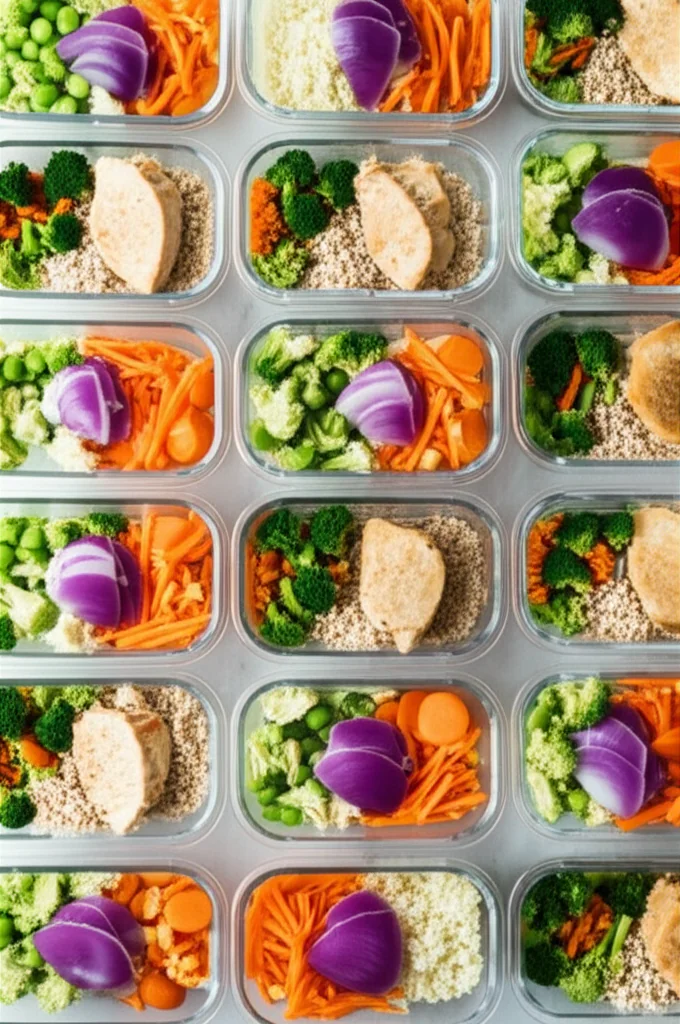
Ever wonder why some days you feel like a superhero, while others you’re dragging through the afternoon slump? The secret often lies in what you eat throughout the day. Crafting a day healthy eating plan isn’t just about counting calories or following rigid rules—it’s about fueling your body with the right balance of nutrients that keep your energy steady, your mind sharp, and your mood elevated.
In this ultimate guide, we’ll walk you through everything from understanding macronutrients to smart meal prepping hacks that save time and sanity. Plus, we’ll reveal how mindful eating and personalized AI coaching can turn healthy habits into a lifestyle you’ll love. Curious about how to dodge common diet pitfalls or tailor your plan if you’re vegan or gluten-free? Stick around—we’ve got you covered with expert tips and real-world strategies that work.
Key Takeaways
- Balance is everything: Combine lean proteins, complex carbs, healthy fats, and plenty of fruits and veggies for sustained energy and optimal health.
- Hydration matters: Drinking enough water boosts metabolism and cognitive function.
- Meal prep is your best friend: Planning ahead prevents poor food choices and saves time.
- Mindful eating enhances satisfaction: Slow down and savor your meals to improve digestion and avoid overeating.
- Personalization wins: Tailor your eating plan to your lifestyle, preferences, and dietary needs for lasting success.
- Integrate fitness: Nutrition and exercise go hand-in-hand to maximize your health and vitality.
👉 Shop Smart:
- Whole grains & breads: Dave’s Killer Bread on Amazon | Official Site
- Greek yogurt & dairy: Fage Greek Yogurt on Amazon | Official Site
- Natural meats & sausages: Applegate on Amazon | Official Site
- Meal prep containers: Glasslock on Amazon | PrepNaturals on Amazon
Table of Contents
- ⚡️ Quick Tips and Facts
- 🍎 The Evolution of Eating: A Brief History of Dietary Wisdom
- 🤔 Why Bother? The Irresistible Benefits of a Day Healthy Eating Plan
- ⚖️ Decoding Your Plate: Understanding Macronutrients, Micronutrients, and Hydration
- 🔥 Fueling Your Day: Crafting Your Personalized Healthy Eating Plan
- 📊 Beyond the Basics: Calorie Considerations & Portion Prowess
- 🛒 Smart Shopping & Meal Prep: Your Healthy Eating Toolkit
- 🚫 Common Pitfalls & How to Dodge Them: Staying on Track
- 🌱 Tailoring Your Plan: Special Dietary Considerations
- 🧘♀️ Mindful Eating: Savoring Every Bite for Better Digestion & Satisfaction
- 💪 Integrating Fitness: How Exercise Enhances Your Nutrition
- 🌍 Sustainable Eating: Good for You, Good for the Planet
- Conclusion
- Recommended Links
- FAQ
- Reference Links
Body
Alright, let’s dive in! You’ve asked for a comprehensive guide to a day healthy eating plan, and here at Virtual Personal Trainer™, we’re practically buzzing with excitement to share our secrets. Forget bland, boring diets. We’re talking about creating a vibrant, energy-boosting lifestyle that you’ll actually enjoy. This isn’t just about looking good; it’s about feeling incredible from the inside out. A well-structured healthy diet is your secret weapon, and we’re here to show you how to wield it.
⚡️ Quick Tips and Facts
In a hurry? Here’s the skinny on crafting a healthy day of eats.
- Eat the Rainbow: Aim for at least 5 portions of a variety of fruits and vegetables daily. They’re packed with vitamins, minerals, and fiber.
- Hydration is Key: Drink at least 6 to 8 glasses of fluid a day. Water is best! Dehydration can slow your metabolism and make you feel sluggish.
- Go Whole: Base your meals on higher fiber starchy foods like whole-wheat pasta, brown rice, and potatoes with the skins on.
- Lean Protein Power: Include lean proteins like fish, poultry, beans, and eggs in your meals to help your body grow and repair itself.
- Don’t Fear Fats: Choose unsaturated oils and spreads (like olive oil and avocados) in small amounts. Healthy fats are crucial for vitamin absorption and overall health.
- Cut Back, Don’t Cut Out: Limit foods high in saturated fat, salt, and added sugars. Think of them as occasional treats, not daily staples.
- Plan Ahead: A little meal planning can prevent poor food choices when you’re hungry and short on time.
🍎 The Evolution of Eating: A Brief History of Dietary Wisdom
Remember the food pyramid from school? That big block of bread and pasta at the bottom? Oh, how times have changed! For decades, we were told that a low-fat, high-carb diet was the pinnacle of health. We dutifully swapped butter for margarine and loaded up on “fat-free” (but often sugar-packed) snacks.
Then, the narrative shifted. Fats weren’t the villain we thought they were—at least, not all of them. Carbs got a closer look, and we started differentiating between “good” complex carbs and “bad” refined ones. Suddenly, avocados and nuts were back on the menu, and white bread was relegated to the naughty corner.
Today, the focus is less on rigid pyramids and more on a balanced, personalized approach. Models like Harvard’s Healthy Eating Plate emphasize filling half your plate with fruits and veggies, a quarter with whole grains, and a quarter with healthy protein. It’s a visual, intuitive way to build a balanced meal without obsessively counting every single calorie. It’s about understanding what your unique body needs and fueling it with a variety of nutrient-dense foods.
🤔 Why Bother? The Irresistible Benefits of a Day Healthy Eating Plan
“Okay, okay,” you’re thinking, “I get it. Eating healthy is ‘good for me.’ But what’s really in it for me?” We’re so glad you asked! The perks go way beyond fitting into your favorite jeans. A consistent, healthy eating plan is like a superpower for your entire life.
Boost Your Energy & Mood
Ever hit that 3 PM slump and reach for a sugary coffee or a candy bar? That’s a classic sign of a blood sugar rollercoaster. A balanced diet provides a steady stream of energy, preventing those dramatic peaks and crashes. Plus, certain nutrients are directly linked to brain health and can help boost your mood and fight off the blues.
Sharpen Your Focus & Brainpower
Your brain is a hungry organ! It needs a constant supply of high-quality fuel to function optimally. Nutrient-dense foods support cognitive function, memory, and concentration. Forget brain fog; think crystal-clear focus that powers you through your workday and beyond.
Support Weight Management & Body Composition
A healthy eating plan is fundamental to achieving and maintaining a healthy weight. By focusing on whole foods, you’ll naturally feel more full and satisfied, making it easier to manage your calorie intake without feeling deprived. This isn’t about crash dieting; it’s about creating sustainable habits for long-term success, which you can learn more about in our Health and Wellness section.
Fortify Your Immune System
Want to spend less time sniffling and more time living? Your diet is your first line of defense. A diet rich in vitamins and minerals, particularly vitamins A, C, and E, helps keep your immune system strong and ready to fight off illness.
Promote Long-Term Health & Longevity
This is the big one. Eating well consistently can significantly lower your risk of chronic diseases like heart disease, type 2 diabetes, and some cancers. Think of every healthy meal as an investment in your future self. As the National Heart, Lung, and Blood Institute (NHLBI) states, a healthy eating plan “will lower your risk for heart disease and other health conditions.”
⚖️ Decoding Your Plate: Understanding Macronutrients, Micronutrients, and Hydration
Let’s get into the nitty-gritty. To build the perfect eating plan, you need to know your building blocks. Think of it like this: macronutrients are the lead actors in your body’s daily performance, while micronutrients are the crucial supporting cast. Both are essential for a show-stopping performance! For a deeper dive, check out our Diet and Nutrition articles.
Carbohydrates: Your Body’s Primary Fuel Source
Carbs have gotten a bad rap, but they are your body’s main source of energy. The key is choosing the right kind!
- ✅ Complex Carbs: These are your friends. Found in whole grains, vegetables, and beans, they release energy slowly and are packed with fiber. Think brown rice, quinoa, sweet potatoes, and whole-wheat bread from brands like Dave’s Killer Bread.
- ❌ Simple Carbs: Use these sparingly. Found in sugary drinks, white bread, and pastries, they cause rapid spikes in blood sugar, leading to energy crashes.
Proteins: The Building Blocks of Life
Protein is essential for building and repairing tissues, from your muscles to your hair. It also helps you feel full and satisfied after a meal.
- Lean Animal Sources: Chicken breast, turkey, fish (especially fatty fish like salmon for its omega-3s), and eggs are fantastic choices.
- Plant-Based Powerhouses: Lentils, beans, tofu, tempeh, and nuts are excellent sources of plant-based protein.
- Dairy & Alternatives: Greek yogurt (like Fage or Chobani), cottage cheese, and milk provide protein and calcium.
Fats: Essential for Health, Not Just Hype
Fat is not the enemy! It’s vital for hormone production, vitamin absorption, and brain health. Again, it’s all about the type.
- ✅ Unsaturated Fats: These are the heart-healthy heroes. Find them in avocados, olive oil, nuts, and seeds.
- ❌ Saturated & Trans Fats: The NHLBI’s DASH plan recommends limiting foods high in saturated fat, such as fatty meats and full-fat dairy. Trans fats, often found in processed and fried foods, should be avoided as much as possible.
Vitamins & Minerals: The Micronutrient Powerhouses
Micronutrients are the vitamins and minerals your body needs in smaller amounts but are absolutely critical for nearly every process, from energy production to immune function. Eating a wide variety of colorful fruits and vegetables is the best way to ensure you’re getting the full spectrum.
| Nutrient Group | Primary Role | Great Food Sources |
|---|---|---|
| Carbohydrates | Main energy source | Whole grains, fruits, vegetables, legumes |
| Proteins | Build & repair tissue | Lean meats, fish, eggs, dairy, beans, tofu |
| Fats | Hormone production, vitamin absorption | Avocados, nuts, seeds, olive oil |
| Vitamins | Immune function, energy, etc. | Leafy greens, citrus fruits, berries, carrots |
| Minerals | Bone health, fluid balance, etc. | Dairy, nuts, seeds, whole grains, fish |
💧 Hydration: The Unsung Hero of Health
We can’t say it enough: drink your water! Proper hydration is crucial for digestion, nutrient absorption, energy levels, and brain function. Aim for 6-8 glasses a day, and more if you’re active.
🔥 Fueling Your Day: Crafting Your Personalized Healthy Eating Plan
So, what does this all look like in a real day? Forget rigid, one-size-fits-all meal plans. The goal is to create a flexible framework that works for your life and your preferences. Here’s a sample structure to get you started.
1. 🌅 Breakfast Bliss: Kickstarting Your Metabolism
Skipping breakfast is a common diet mistake that can lead to overeating later in the day. A protein and fiber-rich breakfast sets you up for success.
- Quick & Easy: Greek yogurt with berries and a sprinkle of Nature’s Path granola.
- Hearty & Satisfying: Scrambled eggs with spinach and a slice of whole-wheat toast.
- On-the-Go: A smoothie with protein powder, a banana, almond milk, and a handful of kale.
2. 🥪 Lunchtime Legends: Midday Fuel for Sustained Energy
Avoid the temptation of greasy takeout. A planned lunch will keep your energy steady and your mind sharp.
- The Power Salad: A big bed of mixed greens topped with grilled chicken or chickpeas, lots of colorful veggies, and a light vinaigrette.
- Hearty Soup: A lentil or black bean soup packed with vegetables. Pair with a small whole-grain roll.
- Smart Sandwich: Turkey and avocado on whole-wheat bread with a side of carrot sticks and hummus.
3. 🍽️ Dinner Delights: Nourishing Your Body for Recovery
Your evening meal should be satisfying but not so heavy that it disrupts your sleep. Focus on lean protein, plenty of vegetables, and a complex carb.
- Classic Combo: Baked salmon with roasted broccoli and a small sweet potato.
- One-Pan Wonder: Sheet pan chicken sausage (like Applegate brand) with bell peppers, onions, and zucchini, roasted with olive oil and herbs.
- Plant-Based Perfection: A hearty chili made with kidney beans, black beans, and tomatoes, served over a bed of quinoa.
4. 🍎 Smart Snacking: Bridging the Gaps Healthily
Thoughtful snacking can prevent you from getting ravenously hungry and overeating at meals.
- An apple with a tablespoon of peanut butter.
- A handful of almonds or walnuts.
- A hard-boiled egg.
- Baby carrots with hummus.
📊 Beyond the Basics: Calorie Considerations & Portion Prowess
While we believe in focusing on food quality over quantity, understanding calories and portions is a useful tool in your health arsenal.
Understanding Your Calorie Needs: A Personalized Approach
How many calories do you need? It’s the million-dollar question! The answer depends on your age, sex, weight, and activity level. The NHLBI suggests that for safe weight loss, most women need 1,200–1,500 calories daily, while men and more active women might need 1,500–1,800. However, these are just general guidelines. For a truly personalized plan, working with a professional or using a reliable online calculator is best.
Mastering Portion Control: Your Hand as Your Guide
You don’t need measuring cups for every meal. Your hand is a surprisingly accurate and convenient portioning tool!
- Palm (protein): A portion of meat, fish, or poultry should be about the size of your palm.
- Fist (veggies): A serving of vegetables should be about the size of your clenched fist.
- Cupped Hand (carbs): A serving of carbs like rice or pasta should fit in your cupped hand.
- Thumb (fats): A serving of fat-dense foods like cheese or peanut butter is about the size of your thumb.
This simple method helps you keep portions in check without the hassle of weighing and measuring everything.
🛒 Smart Shopping & Meal Prep: Your Healthy Eating Toolkit
Success starts before you even step into the kitchen. It starts at the grocery store.
Navigating the Grocery Aisles: What to Look For (and Avoid!)
- 👉 Shop the Perimeter: This is where you’ll find most of the whole foods: fresh produce, lean meats, fish, and dairy.
- Read the Labels: For packaged foods, look for short ingredient lists with words you can pronounce. Be wary of hidden sugars and excessive sodium.
- Frozen is Fine: Frozen fruits and vegetables are just as nutritious as fresh and are perfect for having on hand.
- Be a Planner: Never shop hungry! Go with a list to avoid impulse buys that don’t align with your goals.
Meal Prepping Like a Pro: Saving Time and Sanity
Meal prepping is the secret weapon of successful healthy eaters. Dedicating a few hours on a Sunday can set you up for a week of nutritious, stress-free meals.
- Pick Your Proteins: Cook a big batch of chicken breasts, ground turkey, or lentils.
- Roast Your Veggies: Toss broccoli, bell peppers, and sweet potatoes with olive oil and roast them on a sheet pan.
- Cook Your Grains: Make a large pot of quinoa or brown rice.
- Assemble & Store: Portion everything out into containers for easy grab-and-go lunches and quick dinners.
Our Favorite Meal Prep Containers:
🚫 Common Pitfalls & How to Dodge Them: Staying on Track
Even the best-laid plans can go awry. Here are some common traps and how our team at Virtual Personal Trainer™ advises you to sidestep them.
The Siren Song of Processed Foods
They’re convenient, they’re tasty, and they’re everywhere. But processed foods are often loaded with unhealthy fats, sugar, and sodium.
- The Fix: Focus on whole foods 80% of the time. When you do choose processed foods, read the label and opt for minimally processed options.
Mindless Munching & Emotional Eating
Eating while watching TV or scrolling on your phone can lead to overeating because you’re not paying attention to your body’s fullness signals.
- The Fix: Practice mindful eating. Sit down at a table, distraction-free, and savor each bite. We’ll dive deeper into this in a bit!
Skipping Meals: A Recipe for Disaster
As we mentioned, skipping meals, especially breakfast, can backfire by slowing your metabolism and leading to intense hunger and overeating later.
- The Fix: Aim for three balanced meals and one or two healthy snacks to keep your energy and blood sugar stable throughout the day.
Ignoring Hunger & Fullness Cues
Diets often teach us to ignore our bodies. But your body has an innate wisdom.
- The Fix: Learn to listen. Eat when you’re genuinely hungry and stop when you’re comfortably full, not stuffed. It takes practice, but it’s a game-changer.
🌱 Tailoring Your Plan: Special Dietary Considerations
Your perfect eating plan is as unique as you are. Whether you’re plant-based, gluten-free, or managing an allergy, the principles of a healthy diet can be adapted.
Plant-Based Power: Vegetarian & Vegan Eating
A well-planned vegetarian or vegan diet can be incredibly healthy. The key is to ensure you’re getting all the essential nutrients, especially protein, iron, and vitamin B12. Focus on a variety of beans, lentils, tofu, nuts, seeds, and whole grains.
For some delicious inspiration on structuring a week of plant-forward meals, the “Mediterranean Diet Meal Plan | 7 days” video embedded in this article is a fantastic resource. Check it out at #featured-video for a visual guide to tasty, balanced meals.
Gluten-Free Living: Navigating the Wheat-Free World
For those with celiac disease or gluten sensitivity, avoiding wheat, barley, and rye is essential. Thankfully, there are more delicious gluten-free options than ever. Focus on naturally gluten-free foods like fruits, vegetables, lean meats, and gluten-free grains like quinoa and rice.
Managing Allergies & Intolerances
If you have a food allergy or intolerance, careful planning and label-reading are your best friends. Work with a doctor or registered dietitian to create a safe and nutritious eating plan that avoids your triggers while ensuring you don’t miss out on key nutrients.
🧘♀️ Mindful Eating: Savoring Every Bite for Better Digestion & Satisfaction
Have you ever finished a meal and barely remembered eating it? That’s mindless eating. Mindful eating is the antidote. It’s about being fully present with your food, engaging all your senses, and listening to your body.
- Slow Down: Chew your food thoroughly and put your fork down between bites.
- Eliminate Distractions: Turn off the TV and put your phone away.
- Engage Your Senses: Notice the colors, smells, textures, and flavors of your food.
- Appreciate Your Food: Think about where your food came from and the effort it took to get to your plate.
Practicing mindful eating can improve digestion, increase satisfaction with your meals, and help you better recognize your body’s hunger and fullness cues, potentially reducing overeating.
💪 Integrating Fitness: How Exercise Enhances Your Nutrition
Nutrition and fitness are two sides of the same coin. You can’t out-train a bad diet, and even the perfect diet won’t build strength on its own. They work together to create a body that is strong, resilient, and full of energy.
- Fueling Your Workouts: The right pre-workout snack can give you the energy to perform your best.
- Post-Workout Recovery: Consuming protein and carbs after exercise helps repair muscle and replenish energy stores.
- Boosting Metabolism: Regular exercise, especially strength training, builds muscle, which in turn boosts your metabolism, helping you burn more calories even at rest.
Explore our Fitness Guides and Exercise Demonstrations to find the perfect routine to complement your healthy eating plan. Even our Home-based Workouts can make a huge difference!
🌍 Sustainable Eating: Good for You, Good for the Planet
Healthy eating can extend beyond personal health to the health of our planet. Making sustainable food choices is a powerful way to reduce your environmental footprint.
- Eat More Plants: Reducing your consumption of animal products is one of the most impactful changes you can make.
- Reduce Food Waste: Plan your meals, use your leftovers, and compost scraps.
- 👉 Shop Local & Seasonal: Buying from local farmers’ markets reduces food miles and supports your community.
Making small, conscious choices can contribute to a healthier you and a healthier planet. It’s a win-win
Conclusion
There you have it—a comprehensive roadmap to mastering your day healthy eating plan with confidence, clarity, and a dash of fun! From understanding the science behind macronutrients and micronutrients to practical meal prepping tips and mindful eating strategies, we’ve covered every angle to empower you on your journey.
Remember, the goal isn’t perfection but progress. A healthy eating plan is a flexible, personalized tool that fuels your body, sharpens your mind, and supports your long-term well-being. Whether you’re a busy professional, a fitness enthusiast, or simply someone who wants to feel better every day, these principles will serve you well.
And what about those unanswered questions you had earlier? Like how to dodge processed food traps or how to listen to your body’s hunger cues? Now you know the tricks to stay on track and make sustainable choices that stick.
If you’re wondering how to make this even easier, consider teaming up with an AI-powered virtual coach from Virtual Personal Trainer™. They offer personalized guidance, meal planning, and motivation tailored just for you—making healthy eating less of a chore and more of a lifestyle.
So, ready to take the plunge? Your body—and your future self—will thank you. Let’s get cooking, planning, and thriving!
Recommended Links
Ready to shop smart and prep like a pro? Here are some of our top picks mentioned throughout the article:
-
Dave’s Killer Bread (Whole Wheat):
Amazon | Dave’s Killer Bread Official Website -
Fage Greek Yogurt:
Amazon | Fage Official Website -
Applegate Natural Chicken Sausage:
Amazon | Applegate Official Website -
Nature’s Path Granola:
Amazon | Nature’s Path Official Website
Books to Deepen Your Knowledge:
-
“How Not to Die” by Dr. Michael Greger — A science-backed guide to nutrition and longevity.
Amazon -
“The Blue Zones Kitchen” by Dan Buettner — Recipes and insights from the world’s longest-lived people.
Amazon -
“Intuitive Eating” by Evelyn Tribole and Elyse Resch — Learn to listen to your body and ditch diet culture.
Amazon
FAQ
What does a balanced day healthy eating plan look like?
A balanced day healthy eating plan includes a variety of nutrient-dense foods spread across meals and snacks to provide steady energy and essential nutrients. Typically, it consists of:
- Breakfast: Protein + fiber-rich carbs + healthy fats (e.g., Greek yogurt with berries and nuts)
- Lunch: Lean protein + whole grains + plenty of vegetables (e.g., grilled chicken salad with quinoa)
- Dinner: Balanced plate with lean protein, vegetables, and complex carbs (e.g., baked salmon, roasted veggies, sweet potato)
- Snacks: Nutrient-rich small bites to bridge hunger (e.g., apple with peanut butter, handful of almonds)
This approach supports energy, satiety, and overall health, avoiding blood sugar spikes and crashes.
How can an AI virtual coach help with meal planning?
An AI virtual coach leverages data about your preferences, goals, allergies, and lifestyle to create personalized meal plans that fit your schedule and nutritional needs. Unlike generic plans, AI coaches adapt in real-time based on your feedback, progress, and even local grocery availability. They can suggest recipes, track your nutrient intake, and provide motivation, making healthy eating more manageable and enjoyable.
What are the benefits of following a day healthy eating plan?
Following a healthy eating plan daily can:
- Improve energy levels and mood stability
- Support weight management and metabolic health
- Enhance cognitive function and focus
- Strengthen the immune system
- Reduce risk of chronic diseases like heart disease and diabetes
- Promote better digestion and sleep quality
These benefits compound over time, leading to improved quality of life and longevity.
Can a virtual online coach customize a healthy eating plan for me?
Absolutely! Virtual online coaches use AI algorithms combined with expert knowledge to tailor plans based on your unique data—age, weight, activity level, dietary preferences, and health goals. They can adjust your plan dynamically, recommend portion sizes, and help you navigate challenges like allergies or special diets (e.g., vegan, gluten-free).
What foods should I include in a daily healthy eating plan?
Include a variety of:
- Fruits and vegetables: Aim for colorful, fresh, or frozen options.
- Whole grains: Brown rice, quinoa, whole-wheat bread, oats.
- Lean proteins: Fish, poultry, beans, lentils, eggs, tofu.
- Healthy fats: Olive oil, avocados, nuts, seeds.
- Dairy or fortified alternatives: Low-fat yogurt, milk, or plant-based milks.
Limit processed foods, added sugars, saturated fats, and sodium.
How does AI technology improve adherence to healthy eating habits?
AI improves adherence by providing personalized, flexible plans that evolve with you. It offers reminders, tracks progress, and provides instant feedback, making it easier to stay motivated. AI can also analyze patterns to identify barriers and suggest practical solutions, helping you overcome common pitfalls like boredom or time constraints.
Are there virtual coaching apps that track my daily nutrition intake?
Yes! Apps like MyFitnessPal, Lose It!, and Cronometer offer nutrition tracking and integrate with virtual coaching platforms. Some AI-powered coaches have built-in tracking features that sync with wearable devices, providing a holistic view of your health and helping you make informed choices.
Reference Links
- National Heart, Lung, and Blood Institute (NHLBI) – DASH Eating Plan
- NHS – Eating a Balanced Diet
- Harvard T.H. Chan School of Public Health – Healthy Eating Plate
- Dave’s Killer Bread Official Website: https://www.daveskillerbread.com/
- Fage Greek Yogurt Official Website: https://usa.fage/
- Applegate Natural Meats Official Website: https://www.applegate.com/
- Nature’s Path Organic Foods: https://www.naturespath.com/
- Glasslock Containers: https://glasslock.com/
- PrepNaturals: https://prepnaturals.com/
For more expert insights on nutrition and fitness, visit our Diet and Nutrition and Health and Wellness categories at Virtual Personal Trainer™.