Support our educational content for free when you buy through links on our site. Learn more
🥗 15+ Healthy Foods That Actually Fuel Your Body (2026)
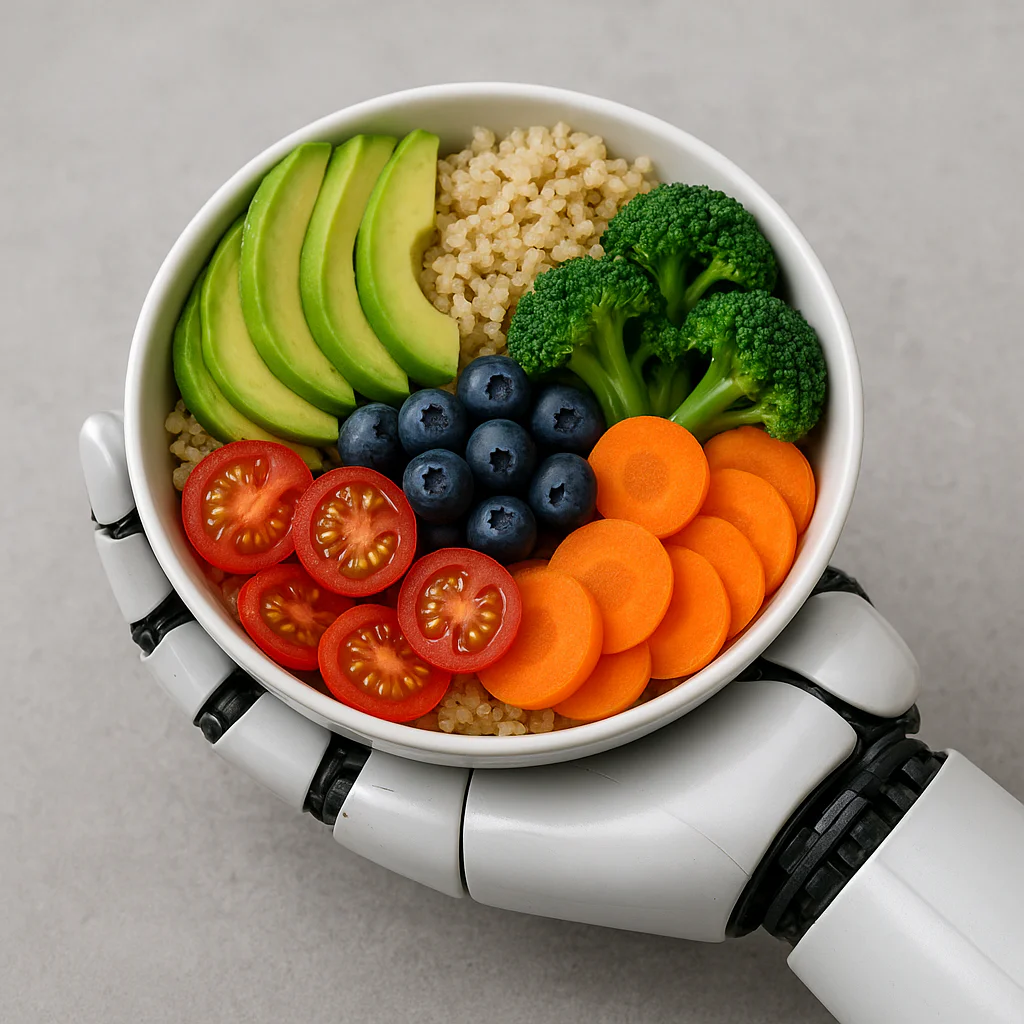

The secret to thriving isn’t a magic pill or a restrictive diet; it’s simply filling your plate with nutrient-dense whole foods like legumes, vibrant vegetables, and healthy fats. When you prioritize healthy food that your body recognizes as fuel, you unlock sustained energy, better digestion, and a sharper mind without the constant battle of willpower.
We’ve all been there: staring at a grocery aisle, overwhelmed by labels promising “low-fat” or “superfood” status, only to end up with a cart full of processed junk. One study revealed that over 60% of packaged foods contain hidden added sugars, turning what looks like a healthy choice into a metabolic trap.
Imagine swapping your morning sugary cereal for a bowl of oats topped with blueberries and walnuts. Within days, you’d likely notice your afternoon slump vanishing and your focus sharpening. This isn’t about perfection; it’s about making small, powerful shifts that compound over time.
Key Takeaways
- Nutrient Density Wins: Focus on foods packed with vitamins, minerals, and fiber relative to their calorie count, such as legumes, leafy greens, and berries.
- Variety is Vital: No single food provides everything you need; aim for a rainbow of colors to ensure a broad spectrum of phytonutrients.
- Whole Over Processed: Choose whole foods in their natural state to avoid hidden sugars, unhealthy fats, and inflammatory additives found in ultra-processed items.
- Balance Beats Restriction: You don’t need to eliminate entire food groups; a sustainable approach includes lean proteins, complex carbs, and healthy fats in every meal.
Table of Contents
- ⚡️ Quick Tips and Facts
- 🕰️ A Brief History of Human Nutrition and the Evolution of Healthy Food
- 🥗 The Ultimate Guide to Nutrient-Dense Foods: What Actually Counts as Healthy?
- 🍎 1. Fresh Fruits and Beries: Nature’s Candy with a Side of Fiber
- 🥚 2. Eggs: The Perfect Protein Package You’ve Been Underestimating
- 🥩 3. Lean Meats and Poultry: Building Blocks for Muscle and Metabolism
- 🥜 4. Nuts and Seeds: Tiny Powerhouses of Healthy Fats and Micronutrients
- 🥦 5. Vibrant Vegetables: The Colorful Cornerstone of a Balanced Diet
- 🐟 6. Fish and Seafood: Omega-3 Rich Delights for Brain and Heart Health
- 🌾 7. Whole Grains: Complex Carbs That Fuel Your Day Without the Crash
- 🍞 8. Artisanal Breads and Fermented Grains: Beyond the White Loaf
- 🫘 9. Legumes and Pulses: The Budget-Friendly Superstars of Plant Protein
- 🥛 10. Dairy and Alternatives: Calcium, Probiotics, and the Great Lactose Debate
- 🫒 1. Healthy Fats and Oils: Separating the Good from the Bad
- 🥔 12. Tubers and Starchy Roots: Why Potatoes Deserve a Second Chance
- 🍎 13. Apple Cider Vinegar: The Trendy Tonic or Just Hype?
- 🍫 14. Dark Chocolate: The Guilt-Free Treat That Loves You Back
- 🛒 Smart Shopping: How to Read Labels and Avoid Hidden Sugars
- 🍳 Meal Prep Mastery: Planning Your Week for Maximum Nutrition
- 🚫 Common Myths Debunked: Carbs, Fats, and the Truth About “Diet” Foods
- 🌱 Special Diets: Adapting Healthy Eating for Keto, Vegan, and Paleo Lifestyles
- 🧠 The Psychology of Eating: How to Build Sustainable Habits
- 📊 Nutrient Comparison Tables: Visualizing Your Daily Intake
- 🏆 Conclusion
- 🔗 Recommended Links
- ❓ Frequently Asked Questions
- 📚 Reference Links
⚡️ Quick Tips and Facts
Before we dive into the deep end of the nutritional ocean, let’s hit the pause button and grab a life raft of essential truths. You might think you know what “healthy” means, but the data often tells a different story.
- Nutrient Density is King: It’s not just about calories; it’s about how much bang you get for your buck. A study published in The American Journal of Clinical Nutrition ranked legumes and vegetables as the most nutrient-dense food groups, beating out even some meats and grains.
- The “Superfood” Trap: There is no single magic bullet. As the Dietary Guidelines for Americans 2020-2025 state, “No one food can provide all the nutrients you need.” Variety is the only true superpower.
- The Sugar Sneak: Did you know that 60% of packaged foods contain added sugars? Even “healthy” items like granola bars and flavored yogurts can be sugar bombs.
- Fiber is Non-Negotiable: Most adults get less than half the recommended daily fiber (25g for women, 38g for men). This is a primary driver of gut health issues and metabolic slowdown.
- Hydration Matters: Sometimes thirst masks itself as hunger. Before reaching for that snack, try drinking a glass of water.
If you’re feeling overwhelmed by where to start, don’t worry. We’ve got a step-by-step roadmap coming up. For a quick start, check out our 🥗 How to Eat Healthy Food Everyday: The 10-Step Guide (2026) to get your daily habits on track immediately.
🕰️ A Brief History of Human Nutrition and the Evolution of Healthy Food

You might think “healthy eating” is a modern obsession, but our ancestors were the original nutritionists. They didn’t have apps or calorie counters; they had survival.
The Hunter-Gather Blueprint
For 9% of human history, we ate what we could hunt, gather, or grow. This diet was naturally high in fiber, moderate in protein, and low in processed sugars. We didn’t have the option to eat a bag of chips; we had to chase a deer or dig for a root. This evolutionary pressure shaped our metabolism.
The Agricultural Shift
Around 10,0 years ago, the Agricultural Revolution changed everything. We started farming grains. Suddenly, we had a steady food supply, but the diet shifted. We traded diverse forage for monocultures of wheat and rice. While this allowed populations to boom, it also introduced new deficiencies and digestive issues.
The Industrial Age and the Rise of “Junk”
Fast forward to the 20th century. The invention of refined flour, high-fructose corn syrup, and hydrogenated oils created a food environment our genes never evolved to handle. We went from eating whole foods to eating “food-like substances.”
Why does this matter?
Our bodies are still running on “Hunter-Gather” software in a “Fast Food” world. This mismatch is the root cause of many modern chronic diseases. Understanding this history helps us realize that “healthy” isn’t a fad; it’s a return to our biological roots.
🥗 The Ultimate Guide to Nutrient-Dense Foods: What Actually Counts as Healthy?
So, what makes a food “healthy”? Is it low fat? Low carb? Organic?
At Virtual Personal Trainer™, we look at nutrient density. This is the ratio of nutrients (vitamins, minerals, fiber, protein) to calories. A food can be low in calories but offer zero nutrition (like diet soda), or high in calories but packed with life-giving nutrients (like avocados).
The Nutrient Density Scorecard
A 2021 study scoring foods on 54 attributes revealed a surprising hierarchy. Here is how the major food groups stack up in terms of nutrient density:
| Rank | Food Category | Key Nutrients | Why It Wins |
|---|---|---|---|
| 1 | Legumes | Fiber, Plant Protein, Iron, Folate | The ultimate budget-friendly superfood. |
| 2 | Vegetables | Vitamins A, C, K, Potassium, Magnesium | High volume, low calorie, massive micronutrient load. |
| 3 | Fruits | Antioxidants, Fiber, Vitamin C | Nature’s candy with a fiber safety net. |
| 4 | Fish & Seafood | Omega-3s, Iodine, Selenium, High-Quality Protein | Brain and heart health champions. |
| 5 | Dairy | Calcium, Vitamin D, Probiotics | Bone health and gut microbiome support. |
| 6 | Meat & Eggs | Bioavailable Iron, B12, Complete Protein | Essential for muscle repair and energy. |
| 7 | Grains | Fiber, B Vitamins, Magnesium | Energy fuel, but quality varies wildly. |
| 8 | Fats & Oils | Essential Fatty Acids, Vitamin E | Necessary for hormone production, but calorie-dense. |
The Takeaway: Don’t fixate one group. The goal is a rainbow plate. If you only eat meat, you miss out on fiber. If you only eat veggies, you might lack B12. Balance is the secret sauce.
🍎 1. Fresh Fruits and Beries: Nature’s Candy with a Side of Fiber
Let’s be honest: we all crave something sweet. The good news? Fruit is the only sweet food that comes with a built-in delivery system for fiber and water, which slows down sugar absorption.
Why Beries are the MVPs
If you’re looking for the ultimate antioxidant boost, look no further than the berry family.
- Blueberries: Often called the “king of antioxidants.” They are packed with anthocyanins, which fight inflammation and may improve brain function.
- Strawberries: Low in carbs but high in Vitamin C and manganese.
- Raspberries & Blackberries: Fiber powerhouses. One cup of raspberries has a whopping 8 grams of fiber.
The Avocado Anomaly
Technically a fruit, the avocado is unique because it’s loaded with monounsaturated fats rather than sugar. It’s creamy, satisfying, and great for heart health.
- Pro Tip: Swap mayonnaise for mashed avocado on your sandwich. You get the creaminess without the inflammatory seed oils.
Other Fruit Stars
- Apples: High in pectin, a soluble fiber that feeds good gut bacteria.
- Citrus (Oranges, Grapefruit): Vitamin C bombs that support immunity and collagen production.
- Banas: The portable energy bar. Great for pre-workout potassium.
Wait, what about the sugar?
You might be thinking, “But fruit has sugar!” Yes, it has fructose, but it’s packaged with fiber, water, and phytonutrients. Your body handles this sugar very differently than it does the refined sugar in a soda. As long as you aren’t juicing everything and drinking 5 liters of orange juice a day, whole fruit is healthy.
🥚 2. Eggs: The Perfect Protein Package You’ve Been Underestimating
For decades, eggs were the villain. “Too much cholesterol!” the headlines screamed. Then, science did a 180. Now, we know that for most people, dietary cholesterol (like in eggs) has a minimal impact on blood cholesterol.
The Nutritional Powerhouse
One large egg contains:
- 6g of high-quality protein (all 9 essential amino acids).
- Choline: Critical for brain health and cell membrane integrity.
- Lutein & Zeaxanthin: Antioxidants that protect your eyes from blue light and aging.
- Vitamin D: Rare in foods, but abundant in egg yolks.
How to Eat Them
- Boiled: The ultimate grab-and-go snack.
- Poached: Great for a low-fat breakfast with avocado toast.
- Scrambled: Use a little olive oil or butter and throw in some spinach.
Brand Spotlight: Look for Pasture-Raised or Organic eggs if possible. Chickens that roam on grass produce eggs with higher levels of Omega-3s and Vitamin E. Brands like Vital Farms are popular for this.
The Yolk Question: Should you eat the yolk? YES. That’s where all the vitamins and healthy fats are. The white is just protein. Don’t throw away the good stuff!
🥩 3. Lean Meats and Poultry: Building Blocks for Muscle and Metabolism
Meat gets a bad rap, but quality protein is essential for building muscle, repairing tissue, and keeping you full. The key is choosing lean, unprocessed cuts.
Chicken Breast: The Classic
- Why it’s great: Extremely high in protein, low in fat, and versatile.
- Best for: Meal prep, grilling, stir-fries.
- Tip: Don’t overcook it! Dry chicken is sad chicken. Use a meat thermometer to hit 165°F (74°C).
Lean Beef: The Iron Giant
- Why it’s great: One of the best sources of heme iron (easily absorbed by the body) and Vitamin B12.
- Best cuts: Sirloin, tenderloin, or 95% lean ground beef.
- Caution: Consume in moderation. The Dietary Guidelines suggest limiting red meat to reduce saturated fat intake, but it doesn’t mean eliminate it.
Turkey and Game Meats
- Turkey: Similar to chicken but often leaner. Great for sandwiches.
- Bison/Venison: Lower in fat and higher in iron than beef. If you can find them, they are excellent alternatives.
Brand Spotlight: Applegate Farms offers organic, uncured meats that avoid nitrates and nitrites, which are linked to health risks when consumed in excess.
Myth Buster: “Meat causes cancer.”
The WHO classifies processed meats (bacon, sausages, deli meats) as carcinogens. Unprocessed red meat is only “probably carcinogenic” and the risk is dose-dependent. Eating a steak once a week is very different from eating bacon every morning.
🥜 4. Nuts and Seeds: Tiny Powerhouses of Healthy Fats and Micronutrients
Nuts and seeds are calorie-dense, which scares some people off. But they are also satiety kings. A small handful can keep you full for hours.
The Top Contenders
- Almonds: High in Vitamin E and magnesium. Great for skin health.
- Walnuts: The only nut with a significant amount of Alpha-Linolenic Acid (ALA), a plant-based Omega-3.
- Chia Seeds: 1 ounce provides nearly 10 grams of fiber. They expand in water, making them great for puddings.
- Brazil Nuts: Just two nuts provide your entire daily requirement of selenium, crucial for thyroid function.
- Peanuts: Technically legumes, but nutritionally similar to nuts. High in protein and antioxidants.
How to Consume
- Raw vs. Roasted: Raw is fine, but dry-roasted without oil is also good. Avoid those drenched in sugar or excessive salt.
- Nut Buters: Look for “10% nuts” on the label. No added sugar, no palm oil. Justin’s and MaraNatha are good brands to check out.
Warning: If you have a nut allergy, obviously avoid these. Also, watch your portion size. A serving is about 1 ounce (a small handful), not the whole bag.
🥦 5. Vibrant Vegetables: The Colorful Cornerstone of a Balanced Diet
If there is one food group you can eat in unlimited quantities, it’s non-starchy vegetables. They are low in calories but high in volume, fiber, and micronutrients.
The Color Code
- Green (Kale, Spinach, Broccoli): High in Vitamin K, folate, and magnesium. Broccoli is a cruciferous vegetable containing sulforaphane, a compound with potent anti-cancer properties.
- Red (Tomatoes, Bell Peppers): Rich in lycopene and Vitamin C. Tomatoes are technically fruits, but we eat them like veggies!
- Orange/Yellow (Carots, Sweet Potatoes): Packed with beta-carotene, which converts to Vitamin A for eye health.
- Purple (Eggplant, Red Cabbage): High in anthocyanins, which support brain health.
Preparation Matters
- Raw: Great for crunch and preserving heat-sensitive vitamins (like Vitamin C).
- Steamed/Roasted: Enhances flavor and makes some nutrients (like lycopene in tomatoes) more bioavailable.
- Sautéed: Cooked in a little healthy fat (olive oil) to help your body absorb fat-soluble vitamins (A, D, E, K).
Brand Spotlight: Green Giant and Birds Eye offer frozen vegetables that are flash-frozen at peak ripeness, often retaining more nutrients than “fresh” produce that has sat in a truck for weeks.
🐟 6. Fish and Seafood: Omega-3 Rich Delights for Brain and Brain Health
Fish is the ultimate brain food. The Omega-3 fatty acids (EPA and DHA) found in oily fish are essential for reducing inflammation and supporting cognitive function.
The Heavy Hitters
- Salmon: The star of the show. Wild-caught salmon is leaner and has a better Omega-3 to Omega-6 ratio than farmed, but both are good.
- Sardines: Small, oily, and safe from mercury accumulation. They are also a great source of calcium if you eat the bones.
- Mackerel & Herring: Very high in Omega-3s.
- Shrimp & Shellfish: Low in fat, high in protein and zinc.
Safety First
- Mercury: Large predatory fish like shark, swordfish, and king mackerel have high mercury levels. Stick to smaller fish like salmon, sardines, and trout.
- Sourcing: Look for MSC Certified (Marine Stewardship Council) to ensure sustainable fishing practices.
Brand Spotlight: Wild Planet and Bumble Bee offer high-quality canned tuna and salmon that are tested for mercury and sustainably sourced.
Why not just take a pill?
While fish oil supplements are good, getting nutrients from whole food is always superior. The matrix of nutrients in fish works synergistically in ways a pill can’t replicate.
🌾 7. Whole Grains: Complex Carbs That Fuel Your Day Without the Crash
Carbs aren’t the enemy. Refined carbs are. Whole grains retain the bran and germ, providing fiber, B vitamins, and minerals.
The Best Grains
- Oats: Contain beta-glucans, a fiber that lowers cholesterol and feeds gut bacteria. Great for breakfast.
- Quinoa: A complete protein (all 9 amino acids) and gluten-free.
- Brown Rice: More nutritious than white rice, with a nuty flavor and chewy texture.
- Barley & Buckwheat: Excellent sources of fiber and magnesium.
How to Choose
Avoid “enriched” or “white” flour products. Look for the word “Whole” as the first ingredient.
Brand Spotlight: Bob’s Red Mill is a go-to for high-quality whole grains, flours, and baking mixes.
The Gluten Question: Unless you have Celiac disease or a diagnosed gluten sensitivity, there is no need to avoid gluten. Whole wheat is a healthy part of a balanced diet.
🍞 8. Artisanal Breads and Fermented Grains: Beyond the White Loaf
Bread has a bad reputation, but not all bread is created equal. The problem is white bread, which spikes blood sugar and offers little nutrition.
What to Look For
- Sprouted Grains: Sprouting breaks down anti-nutrients and makes minerals more absorbable. Ezekiel Bread is the gold standard here.
- Sourdough: The fermentation process lowers the glycemic index and can make the bread easier to digest for some people.
- Seed Breads: Breads loaded with flax, chia, and sunflower seeds add fiber and healthy fats.
Brand Spotlight: Dave’s Killer Bread and Food for Life (makers of Ezekiel Bread) are excellent choices for nutrient-dense loaves.
Homemade is Best: If you have the time, making your own sourdough or sprouted grain bread gives you total control over ingredients.
🫘 9. Legumes and Pulses: The Budget-Friendly Superstars of Plant Protein
Legumes are the unsung heroes of the healthy food world. They are cheap, shelf-stable, and incredibly nutritious.
The Lineup
- Lentils: Cook quickly (no soaking needed) and are great in soups and stews.
- Chickpeas (Garbanzo Beans): Versatile for humus, salads, or roasting.
- Black Beans & Kidney Beans: High in fiber and protein.
- Green Beans: The unripe variety, eaten as a vegetable.
Preparation Tip
Dried beans need to be soaked and cooked thoroughly to remove toxins (like lectins) and reduce gas. Canned beans are a convenient alternative; just rinse them to remove excess sodium.
Brand Spotlight: Goya and Bush’s Best offer a wide variety of canned beans. Look for “Low Sodium” versions if you are watching your salt intake.
🥛 10. Dairy and Alternatives: Calcium, Probiotics, and the Great Lactose Debate
Dairy is a polarizing topic. For some, it’s a calcium goldmine. For others, it causes bloating.
The Dairy Stars
- Greek Yogurt: High in protein and probiotics. Choose plain, unsweetened versions to avoid added sugar.
- Chese: Nutrient-dense. 1 ounce of cheese has as much protein as 1 cup of milk.
- Milk: A good source of Vitamin D and calcium.
The Alternatives
- Almond Milk: Low calorie, but often low in protein.
- Soy Milk: The only plant milk that is a complete protein.
- Oat Milk: Creamy and great for coffee, but higher in carbs.
Brand Spotlight: Chobani (Greek Yogurt), Silk (Plant Milks), and Kite Hill (Dairy-free cheese) are popular choices.
Lactose Intolerance: If dairy upsets your stomach, try lactose-free versions or fermented dairy like yogurt and kefir, which have lower lactose levels.
🫒 1. Healthy Fats and Oils: Separating the Good from the Bad
Fat is essential for hormone production and nutrient absorption. The key is choosing the right type.
The Good Fats
- Extra Virgin Olive Oil (EVO): The cornerstone of the Mediterranean diet. High in monounsaturated fats and antioxidants. Use for low-heat cooking or dressings.
- Avocado Oil: High smoke point, great for roasting and frying.
- Coconut Oil: Contains MCTs (medium-chain triglycerides). Use in moderation as it can raise LDL cholesterol.
The Bad Fats
- Trans Fats: Found in partially hydrogenated oils. Avoid completely.
- Refined Seed Oils: Soybean, corn, and canola oils are high in Omega-6s and often processed with harsh chemicals. Use sparingly.
Brand Spotlight: Bertoli and California Olive Ranch for EVO. Chosen Foods for Avocado Oil.
🥔 12. Tubers and Starchy Roots: Why Potatoes Deserve a Second Chance
Potatoes are often demonized, but they are actually quite healthy when prepared correctly.
The Benefits
- Potatoes: High in potassium (more than bananas!) and Vitamin C. They have a high satiety index, meaning they keep you full longer than pasta or rice.
- Sweet Potatoes: Packed with beta-carotene and fiber.
How to Eat Them
- Baked or Boiled: Best methods.
- Cooling: Leting cooked potatoes cool creates resistant starch, which acts like fiber and feeds good gut bacteria.
- Avoid: Deep-frying (French fries) or smothering in butter and sour cream.
🍎 13. Apple Cider Vinegar: The Trendy Tonic or Just Hype?
Apple Cider Vinegar (ACV) has been a health trend for years. Does it work?
The Claims
- Blood Sugar Control: Some studies suggest ACV can improve insulin sensitivity and lower blood sugar spikes after meals.
- Digestion: May help with acid reflux for some (though it can worsen it for others).
The Verdict
It’s not a magic cure, but it can be a useful tool. Dilute 1-2 tablespoons in a large glass of water before meals. Don’t drink it straight; it can damage tooth enamel and your esophagus.
Brand Spotlight: Brag is the most famous brand, offering organic, unfiltered ACV with “the mother.”
🍫 14. Dark Chocolate: The Guilt-Free Treat That Loves You Back
Who says healthy food can’t be delicious? Dark chocolate (70% cocoa or higher) is loaded with flavonoids, which improve heart health and brain function.
How to Enjoy
- Portion Control: A square or two is enough. It’s high in calories.
- Quality: Look for high cocoa content and minimal sugar.
Brand Spotlight: Lindt Excellence (70%, 85%, 90%) and Ghirardelli are widely available and high quality.
🛒 Smart Shopping: How to Read Labels and Avoid Hidden Sugars
Walking into a grocery store can feel like navigating a minefield. Here’s how to stay safe.
The Label Detective
- Check the Ingredient List: It should be short and recognizable. If you can’t pronounce it, put it back.
- Watch for Added Sugars: Look for names like high-fructose corn syrup, cane juice, maltose, dextrose, and “evaporated cane juice.”
- Serving Sizes: Manufacturers often list serving sizes that are tiny (e.g., 1/3 cup) to make the calorie count look lower.
The “Healthy” Trap
- “Fat-Free”: Often loaded with sugar to make up for flavor.
- “Multigrain”: Doesn’t mean whole grain. Check the first ingredient.
- “Natural”: A meaningless marketing term.
🍳 Meal Prep Mastery: Planning Your Week for Maximum Nutrition
Eating healthy is hard when you’re hungry and tired. Meal prep is the solution.
Step-by-Step Guide
- Pick a Day: Sunday is classic.
- Choose a Theme: Mediterranean, Asian, or Mexican.
- Cook in Bulk: Roast a tray of veggies, grill a batch of chicken, cook a pot of quinoa.
- Portion Out: Store in glass containers for grab-and-go meals.
Pro Tip: Don’t try to prep every single meal. Just prep your lunches and breakfasts. Diners can be flexible.
🚫 Common Myths Debunked: Carbs, Fats, and the Truth About “Diet” Foods
Let’s clear the air on some persistent myths.
- Myth: “Carbs make you fat.”
Truth: Excess calories make you fat. Carbs are the body’s preferred energy source. - Myth: “All fats are bad.”
Truth: Healthy fats are essential. Trans fats and excessive saturated fats are the problem. - Myth: “Diet foods help you lose weight.”
Truth: Many “diet” foods are ultra-processed and can mess with your hunger hormones. Whole foods are better.
🌱 Special Diets: Adapting Healthy Eating for Keto, Vegan, and Paleo Lifestyles
Healthy eating isn’t one-size-fits-all.
- Keto: High fat, very low carb. Focus on meat, fish, eggs, and low-carb veggies.
- Vegan: No animal products. Focus on legumes, tofu, nuts, seeds, and whole grains.
- Paleo: Mimics the hunter-gather diet. Meat, fish, veggies, fruits, nuts. No grains or dairy.
Virtual Personal Trainer™ Tip: Our AI coaches can help you tailor these diets to your specific needs, ensuring you don’t miss out on essential nutrients.
🧠 The Psychology of Eating: How to Build Sustainable Habits
You can have the best diet plan in the world, but if you can’t stick to it, it’s useless.
- Start Small: Don’t overhaul your life overnight. Add one vegetable to dinner.
- Mindful Eating: Slow down. Chew your food. Listen to your hunger cues.
- The 80/20 Rule: Eat healthy 80% of the time, and enjoy your favorite treats 20% of the time. This prevents burnout.
📊 Nutrient Comparison Tables: Visualizing Your Daily Intake
To help you visualize, here is a quick comparison of common foods:
| Food Item | Calories | Protein (g) | Fiber (g) | Key Nutrient |
|---|---|---|---|---|
| Chicken Breast (3oz) | 140 | 26 | 0 | B12, Selenium |
| Salmon (3oz) | 175 | 17 | 0 | Omega-3, Vit D |
| Quinoa (1 cup cooked) | 2 | 8 | 5 | Magnesium, Iron |
| Broccoli (1 cup) | 5 | 3 | 5 | Vitamin C, K |
| Almonds (1oz) | 164 | 6 | 3.5 | Vitamin E, Magnesium |
| Blueberries (1 cup) | 84 | 1 | 4 | Anthocyanins |
🏆 Conclusion

So, what’s the secret to healthy eating? It’s not a magic pill, a specific diet, or a superfood. It’s balance, variety, and consistency.
We started this journey by asking, “What actually counts as healthy?” The answer is simple: whole, nutrient-dense foods that fuel your body and satisfy your taste buds. Whether it’s the fiber in legumes, the Omega-3s in salmon, or the antioxidants in blueberries, every food group has a role to play.
Remember the story of the hunter-gather? We are still wired for that lifestyle. By choosing whole foods over processed ones, we are aligning our diet with our biology.
Your Next Step: Don’t try to change everything today. Pick one section from this guide—maybe swap your morning cereal for eggs, or add a serving of veggies to your dinner—and stick with it. Small changes lead to big results.
If you need help creating a personalized plan that fits your lifestyle, budget, and taste preferences, our Virtual Personal Trainer™ AI coaches are ready to help. We don’t just give you a list of foods; we build a sustainable strategy for your life.
Ready to transform your health? Let’s get cooking!
🔗 Recommended Links
Top Picks for Healthy Eating Essentials
- Check Price on: Amazon – Extra Virgin Olive Oil | Walmart – Extra Virgin Olive Oil | California Olive Ranch Official
- Check Price on: Amazon – Organic Quinoa | Walmart – Organic Quinoa | Bob’s Red Mill Official
- Check Price on: Amazon – Wild Caught Salmon | Walmart – Wild Caught Salmon | Wild Planet Official
- Check Price on: Amazon – Organic Greek Yogurt | Walmart – Organic Greek Yogurt | Chobani Official
- Check Price on: Amazon – Dark Chocolate 70%+ | Walmart – Dark Chocolate 70%+ | Lindt Official
- Check Price on: Amazon – Sprouted Grain Bread | Walmart – Sprouted Grain Bread | Food for Life Official
Books for Further Reading
- The Omnivore’s Dilemma by Michael Pollan – A deep dive into our food systems.
- How Not to Die by Michael Greger, MD – Evidence-based nutrition guide.
- In Defense of Food by Michael Pollan – Simple rules for eating well.
❓ Frequently Asked Questions
How can I use a virtual online coach to track my healthy food intake and stay motivated?
Virtual online coaches, like those powered by AI at Virtual Personal Trainer™, allow you to log meals via photo or text. The AI analyzes your intake, provides real-time feedback on nutrient balance, and sends motivational nudges based on your progress. Unlike static apps, an AI coach adapts to your changing needs, offering personalized tips when you slip up and celebrating your wins.
What are the key benefits of using an AI-powered virtual coach for healthy food planning?
The main benefits are personalization and adaptability. An AI coach doesn’t just give a generic plan; it learns your preferences, allergies, and schedule. It can suggest recipes based on what’s in your fridge, adjust portion sizes as you lose or gain weight, and provide instant answers to nutrition questions 24/7.
How does a virtual online coach provide personalized nutrition recommendations?
By analyzing your input data (age, weight, activity level, goals, and food logs), the AI creates a dynamic nutrition profile. It uses algorithms to calculate your specific caloric and macronutrient needs, then suggests foods that fit those parameters while respecting your taste preferences.
Can an AI-powered virtual coach help me develop healthy eating habits?
Absolutely. Habit formation requires consistency and feedback. An AI coach tracks your streaks, identifies patterns (like late-night snacking), and offers strategies to break bad habits. It acts as a constant accountability partner, making the process less lonely and more manageable.
What are the top healthy food trends for improving overall wellness?
Current trends include plant-forward eating, fermented foods for gut health, and resistant starch (like cooled potatoes and legumes). There’s also a shift towards regenerative agriculture products, which focus on soil health and biodiversity.
How can I create a personalized healthy meal plan using an online coach?
Start by inputing your goals and dietary restrictions into the platform. The AI will generate a weekly meal plan with recipes and a shopping list. You can then tweak the plan based on your schedule, and the AI will adjust the rest of the week accordingly.
What are the best healthy foods to eat for weight loss?
Focus on high-volume, low-calorie foods like leafy greens, berries, lean proteins, and legumes. These foods keep you full on fewer calories. Avoid liquid calories and highly processed snacks.
What are the 20 healthiest foods?
While individual needs vary, the top 20 generally include: Salmon, Spinach, Blueberries, Broccoli, Avocado, Eggs, Almonds, Sweet Potatoes, Oats, Quinoa, Greek Yogurt, Chicken Breast, Lentils, Chia Seeds, Walnuts, Garlic, Tomatoes, Carots, Dark Chocolate, and Olive Oil.
What food should I eat everyday?
You should aim to eat a variety of vegetables and fruits every day. Including a source of protein and healthy fats at each meal is also crucial for sustained energy and satiety.
What is the best healthy food to eat everyday?
There is no single “best” food. However, leafy green vegetables and berries are consistently ranked as some of the most nutrient-dense foods you can eat daily.
What are 25 healthy foods?
In addition to the top 20, add: Sardines, Kale, Brown Rice, Beans, Turkey, Flaxseds, Brussels Sprouts, Peppers, Onions, and Mushrooms.
What are the top 10 healthy foods?
- Salmon, 2. Spinach, 3. Blueberries, 4. Broccoli, 5. Avocado, 6. Eggs, 7. Almonds, 8. Sweet Potatoes, 9. Oats, 10. Quinoa.
What is the healthiest meal to eat?
A balanced meal containing a lean protein (like grilled chicken or tofu), a complex carb (like quinoa or sweet potato), and a large portion of colorful vegetables, dressed with olive oil.
What are the 10 healthiest foods to eat?
See the “Top 10” list above.
Which is the healthy food?
“Healthy food” is a category, not a single item. It refers to any whole food that provides essential nutrients without excessive added sugars, unhealthy fats, or sodium.
What are the 20 most healthy foods?
See the “20 healthiest foods” list above.
What are the 10 most healthy foods?
See the “Top 10” list above.
📚 Reference Links
- Dietary Guidelines for Americans 2020-2025: U.S. Department of Agriculture
- America’s Healthy Food Financing Initiative (HFFI): The Reinvestment Fund
- Nutrient Density Study: The American Journal of Clinical Nutrition
- Sustainable Seafood: Marine Stewardship Council (MSC)
- Apple Cider Vinegar Research: National Center for Complementary and Integrative Health
- Virtual Personal Trainer™ Diet and Nutrition: Virtual Personal Trainer™ Diet & Nutrition Category
- Virtual Personal Trainer™ AI in Fitness: Virtual Personal Trainer™ AI Category