Support our educational content for free when you buy through links on our site. Learn more
🥗 How to Eat Healthy Food Everyday: The 10-Step Guide (2026)
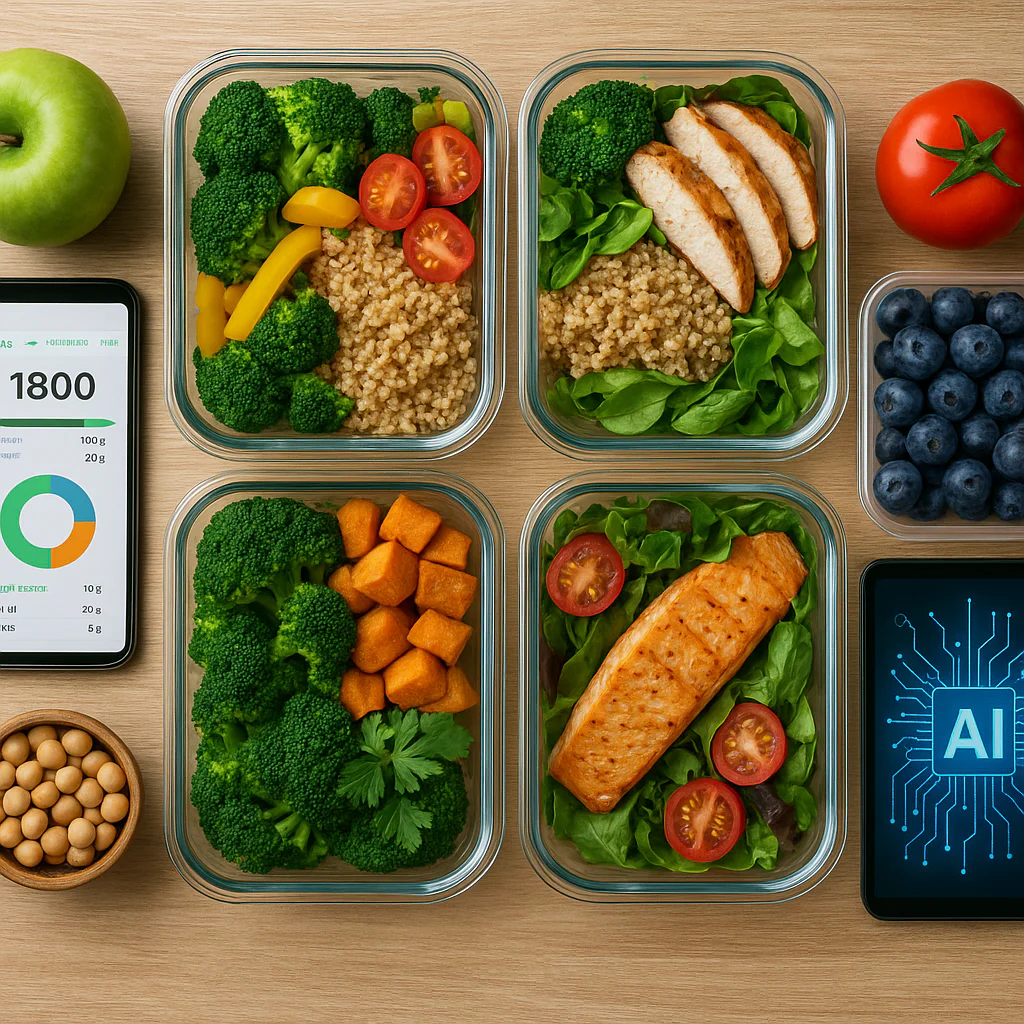
Let’s be real: the internet is drowning in conflicting nutrition advice. One day eggs are the devil, the next they’re a superfood. It’s enough to make you want to just order a pizza and call it a day. But here’s the secret the experts don’t always shout from the rooftops: eating healthy every day isn’t about perfection; it’s about consistency. We’ve seen countless clients transform their lives not by adopting a restrictive, miserable diet, but by mastering the art of small, sustainable swaps. Did you know that over 70% of the sodium we consume comes from processed foods, not the salt shaker? That’s just one of the hidden traps we’ll expose in this guide.
In this comprehensive deep dive, we’re stripping away the jargon to give you a practical, no-nonsense roadmap to fueling your body right. From decoding confusing food labels to mastering the “add, don’t subtract” mindset, we cover everything you need to know to make healthy eating a seamless part of your daily routine. We’ll even reveal the specific meal prep hacks that save hours in the kitchen and the psychological tricks to stop emotional eating in its tracks. Ready to stop guessing and start thriving? Let’s get started.
Key Takeaways
- Consistency beats perfection: Small, sustainable changes yield better long-term results than extreme, short-term diets.
- Prioritize whole foods: Focus on colorful fruits, vegetables, lean proteins, and high-fiber carbohydrates while minimizing ultra-processed items.
- Master the art of planning: Strategic meal prep and smart grocery shopping are the secret weapons against impulse eating.
- Hydrate and move: Water is often mistaken for hunger, and regular physical activity is essential for metabolic health.
- Adopt a flexible mindset: Allow yourself treats in moderation to build a positive, lasting relationship with food.
Table of Contents
- ⚡️ Quick Tips and Facts
- 📜 The Evolution of Eating: A Brief History of Healthy Nutrition
- 🥗 Mastering the Art of Meal Planning for Daily Success
- 🍎 1. Load Up on Colorful Fruits and Vegetables
- 🍞 2. Choose High-Fiber Starchy Carbohydrates Wisely
- 🐟 3. Prioritize Lean Proteins and Omega-3 Rich Fish
- 🥑 4. Swap Saturated Fats for Heart-Healthy Unsaturated Fats
- 🍬 5. Tame Your Sugar Cravings Without Losing Your Mind
- 🧂 6. Slash Sodium Intake to Boost Blood Pressure Health
- 💧 7. Hydrate Like a Pro: Water, Tea, and Beyond
- 🍳 8. Never Skip Breakfast: Fueling Your Morning Metabolism
- 🏃 9. Move Your Body: The Synergy of Diet and Exercise
- 🛒 Smart Grocery Shopping: Navigating the Aisles Like a Nutritionist
- 🍱 Meal Prep Mastery: Batch Cooking for Busy Lives
- 🍽️ Portion Control Hacks: Eating Less Without Feeling Deprived
- 🚫 Common Pitfalls: Why Your Healthy Eating Plan Might Be Failing
- 🧠 The Psychology of Eating: Building Sustainable Habits
- 🌱 Special Diets: Adapting Healthy Eating to Vegan, Keto, and Gluten-Free Lifestyles
- 📊 Nutrient Density vs. Calorie Counting: Which Strategy Wins?
- 🍫 The Truth About “Healthy” Processed Foods and Supermarket Traps
- 👩 🍳 10 Simple Recipes to Kickstart Your Healthy Eating Journey
- 💡 Quick Tips and Facts Recap
- ✅ Conclusion
- 🔗 Recommended Links
- ❓ FAQ: Your Burning Questions About Healthy Eating Answered
- 📚 Reference Links
⚡️ Quick Tips and Facts
Before we dive into the deep end of nutritional science, let’s get the lowdown on the absolute essentials. If you only remember three things from this entire guide, make it these:
- Consistency beats perfection. You don’t need to eat a kale salad for every meal to be “healthy.” One bad meal won’t ruin your progress, just as one salad won’t save you. It’s the long-term pattern that counts.
- Whole foods are your best friends. The closer a food is to its natural state, the better it usually is for you. If it comes in a box with a list of ingredients longer than your arm, proceed with caution.
- Hydration is the silent hero. Often, what you think is hunger is actually thirst. Before you reach for that snack, grab a glass of water.
| Nutrient | Why It Matters | Quick Win |
|---|---|---|
| Fiber | Keeps digestion smooth and blood sugar stable. | Swap white bread for whole grain. |
| Protein | Builds muscle and keeps you full. | Add a handful of nuts or an egg to snacks. |
| Water | Boosts metabolism and energy. | Drink a glass before every meal. |
| Healthy Fats | Supports brain health and hormone balance. | Use olive oil instead of butter. |
Did you know? According to the NHS, most adults in the UK consume too many calories, too much saturated fat, sugar, and salt, while missing out on fruit, vegetables, and fiber. It’s a global trend, not just a local one!
📜 The Evolution of Eating: A Brief History of Healthy Nutrition

You might think “eating healthy” is a modern fad invented by influencers with perfect abs, but the concept is as old as humanity itself. However, our relationship with food has taken a wild ride.
For most of human history, food was about survival. Our ancestors were hunter-gathers, eating whatever they could find: lean meats, wild plants, nuts, and seeds. Their diet was naturally high in protein and fiber, and low in sugar and processed fats. Then came the Agricultural Revolution. We started farming, which meant we could store food, but it also introduced grains and dairy as staples.
Fast forward to the 20th century, and things went off the rails. The rise of ultra-processed foods changed everything. Suddenly, we had cheap, shelf-stable, hyper-palatable foods loaded with sugar, salt, and unhealthy fats. The CDC notes that today, over 70% of sodium intake in the US comes from packaged and prepared foods, not the salt shaker on your table.
The Virtual Personal Trainer™ Perspective:
We’ve seen clients struggle because they try to eat like a 1950s housewife (too much processed meat) or a 190s fitness guru (too much low-fat, high-sugar junk). The secret? Go back to basics. Focus on the “Eat Real Food” guideline. As the first YouTube video in our research series suggests, the goal is to prioritize “whole, unprocessed foods in their natural state most of the time.”
“Good nutrition is about consistently choosing healthy foods and beverages.” — CDC
But how do we actually do that in a world of fast food and 24-hour delivery? That’s where we come in. We’re going to break down exactly how to navigate the modern food landscape without losing your mind.
🥗 Mastering the Art of Meal Planning for Daily Success
Let’s be honest: Willpower is a finite resource. If you wait until you’re starving and standing in front of an open fridge to decide what to eat, you’re going to grab the easiest, most calorie-dense option. That’s why meal planning isn’t just for people with too much time; it’s a survival tactic for busy people.
The “No-Brainer” Planning Strategy
- Pick Your Proteins: Choose 2-3 protein sources for the week (e.g., chicken breast, lentils, salmon).
- Stock the Veggies: Buy a mix of fresh and frozen vegetables. Frozen is often just as nutritious and saves time!
- Carb Base: Decide on your starch (brown rice, quinoa, sweet potatoes).
- Flavor It Up: Grab spices, herbs, and healthy fats (olive oil, avocado).
Pro Tip: Don’t try to plan every single meal for the next month. Start with breakfast and dinner for the week. Lunch can be leftovers!
If you’re feeling overwhelmed, check out our guide on 🥗 The 4 Healthy Diets That Actually Work (2026) to find a framework that fits your lifestyle.
Why Meal Prep Works
- Saves Money: You buy exactly what you need, reducing food waste.
- Saves Time: Cooking in bulk is faster than cooking daily.
- Reduces Stress: No more “What’s for dinner?” panic at 6 PM.
🍎 1. Load Up on Colorful Fruits and Vegetables
The “5 A Day” rule isn’t just a catchy slogan; it’s a lifeline. But here’s the catch: variety is key. Different colors represent different phytonutrients.
- Red: Lycopene (great for heart health) – Tomatoes, watermelon.
- Orange/Yellow: Beta-carotene (good for eyes) – Carots, sweet potatoes, oranges.
- Green: Folate and iron – Spinach, broccoli, kale.
- Blue/Purple: Anthocyanins (brain health) – Blueberries, eggplant.
- White: Alicin (immune support) – Garlic, onions, cauliflower.
The “Add, Don’t Subtract” Mindset
Instead of thinking, “I can’t eat pizza,” think, “I’m going to add a massive side salad to my pizza.” This shifts your focus from restriction to abundance.
Portion Sizes That Actually Matter
- Fresh/Frozen/Canned: 80g (about 3 heaped tablespoons or one medium fruit).
- Dried Fruit: 30g (keep this to mealtimes to avoid sugar spikes).
- Juice/Smoothie: 150ml (limit to one glass a day due to sugar content).
“Eating 5 portions is not as hard as it sounds.” — NHS
Real Talk: We had a client, Sarah, who thought she was eating healthy because she drank a green smoothie every morning. But she was drinking 50ml of it, which was basically a sugar bomb. We switched her to eating a whole apple and a handful of spinach instead. Her energy levels skyrocketed, and her cravings vanished.
👉 Shop Fresh Produce on:
🍞 2. Choose High-Fiber Starchy Carbohydrates Wisely
Let’s bust a myth right now: Carbs are not the enemy. In fact, gram for gram, carbohydrates provide fewer than half the calories of fat. The problem isn’t the carb; it’s the type of carb.
The Fiber Factor
Fiber is the unsung hero of digestion. It keeps you full, stabilizes blood sugar, and feeds your gut microbiome.
- Whole Grains: Brown rice, quinoa, oats, wholewheat pasta.
- Starchy Veggies: Potatoes (eat the skin!), sweet potatoes, corn.
- Legumes: Beans, lentils, chickpeas.
The “White vs. Whole” Showdown
| Feature | Refined Carbs (White Bread, White Rice) | Whole Grains (Brown Rice, Whole Wheat) |
|---|---|---|
| Fiber Content | Low | High |
| Blood Sugar Impact | Spikes quickly | Slow, steady release |
| Satiety | Low (you get hungry fast) | High (stay full longer) |
| Nutrients | Stripped during processing | Retained naturally |
Actionable Tip: When buying bread, look for “10% whole wheat” or “whole grain” as the first ingredient. If “enriched wheat flour” is first, put it back.
🐟 3. Prioritize Lean Proteins and Omega-3 Rich Fish
Protein is the building block of life. It repairs muscle, builds tissue, and keeps you feeling satisfied. But not all proteins are created equal.
The Fish Factor
The NHS recommends eating at least 2 portions of fish per week, with one being oily fish.
- Oily Fish: Salmon, mackerel, sardines, trout. These are packed with Omega-3 fatty acids, which are crucial for heart and brain health.
- White Fish: Cod, haddock, tuna (fresh or canned in water). Great lean protein sources.
Warning: Canned and smoked fish can be high in salt. Always check the label!
Plant-Based Powerhouses
If you’re vegetarian or vegan, don’t worry. You can get plenty of protein from:
- Legumes: Lentils, chickpeas, black beans.
- Soy: Tofu, tempeh, edame.
- Nuts and Seeds: Almonds, chia seeds, hemp seeds.
Protein Quality Check:
While animal proteins are “complete” (containing all essential amino acids), plant proteins can be combined to form complete proteins. For example, rice and beans or hummus and wholewheat pita.
🥑 4. Swap Saturated Fats for Heart-Healthy Unsaturated Fats
Fat has been demonized for decades, but we need fat to survive! The key is choosing the right kind.
The Fat Hierarchy
- Unsaturated Fats (The Good Guys):
Monounsaturated: Olive oil, avocados, nuts.
Polyunsaturated: Omega-3s (fish, flaxseds) and Omega-6s (sunflower oil). - Saturated Fats (The “Limit” Guys):
- Found in fatty meat, butter, cheese, cream, and coconut oil.
Limit: Men should have no more than 30g per day; women no more than 20g.
- Trans Fats (The “Avoid” Guys):
- Found in some processed foods, fried foods, and baked goods.
Action: Avoid completely.
The Swap Strategy:
- Instead of butter, use olive oil or avocado oil.
- Instead of cream, try Greek yogurt or conut milk (in moderation).
- Instead of fatty cuts of beef, choose lean cuts or skinless poultry.
👉 Shop Healthy Fats on:
🍬 5. Tame Your Sugar Cravings Without Losing Your Mind
Sugar is everywhere. It’s in bread, pasta sauce, yogurt, and even “healthy” granola bars. The CDC warns that excessive added sugar contributes to obesity, type 2 diabetes, and heart disease.
Free Sugars vs. Natural Sugars
- Natural Sugars: Found in fruit and milk. These come with fiber and nutrients. Eat them!
- Free Sugars: Added sugars, honey, syrups, and sugars in fruit juices. Limit these.
How to Cut Back:
- Read Labels: Look for “Total Sugars” and “Added Sugars.” If a food has more than 5g of sugar per 10g, it’s high.
- Flavor Your Water: Add lemon, lime, cucumber, or berries instead of sugary sodas.
- Sweeten Naturally: Use mashed bananas or dates in baking instead of white sugar.
- Ditch the Syrups: Skip the flavored syrups at coffee shops. Try black coffee or add a splash of milk.
The “Fun Food” Balance
As mentioned in the first YouTube video, don’t label foods as “good” or “bad.” It’s okay to have a treat. The goal is balance. If you love chocolate, have a small piece and enjoy it mindfully.
🧂 6. Slash Sodium Intake to Boost Blood Pressure Health
Salt is essential, but most of us are eating way too much. High sodium intake raises blood pressure, increasing the risk of heart disease and stroke.
The Hidden Salt Trap
About 75% of the salt we eat comes from processed foods, not the salt shaker.
- High-Sodium Culprits: Bread, pizza, deli meats, canned soups, sauces, and savory snacks.
The 6g Rule:
Adults should have no more than 6g of salt per day (about 1 teaspoon).
- High Salt: More than 1.5g per 10g.
- Low Salt: 0.3g or less per 10g.
Actionable Tips:
- Cook from Scratch: This gives you full control over salt.
- Rinse Canned Foods: Rinsing beans and vegetables can remove up to 40% of the sodium.
- Use Herbs and Spices: Flavor your food with garlic, onion, paprika, and herbs instead of salt.
💧 7. Hydrate Like a Pro: Water, Tea, and Beyond
Thirst is often mistaken for hunger. If you’re feeling a craving, drink a glass of water first and wait 10 minutes.
How Much Do You Need?
The general rule is 6 to 8 glasses of fluid a day. This includes water, tea, coffee, and milk.
- Best Choices: Water, lower fat milk, herbal tea.
- Limit: Sugary soft drinks and fruit juices (max 150ml/day).
Signs You’re Dehydrated:
- Dark yellow urine.
- Dry mouth.
- Fatigue or headaches.
- Dizziness.
Pro Tip: If you struggle to drink enough water, try infused water. Add slices of lemon, cucumber, or mint for a refreshing twist without the sugar.
🍳 8. Never Skip Breakfast: Fueling Your Morning Metabolism
There’s a myth that skipping breakfast helps with weight loss. The NHS debunks this: skipping breakfast doesn’t necessarily help you lose weight and can lead to overeating later in the day.
What Makes a Healthy Breakfast?
A good breakfast should be high in fiber, low in fat, sugar, and salt.
- Great Options:
- Wholegrain cereal with semi-skimed milk and fruit.
- Oatmeal topped with berries and nuts.
- Scrambled eggs on wholewheat toast.
- Greek yogurt with honey and seeds.
The “No-Brainer” Breakfast:
If you’re in a rush, grab a piece of fruit and a handful of nuts. It’s better than nothing!
🏃 9. Move Your Body: The Synergy of Diet and Exercise
You can’t out-train a bad diet, but you can’t have optimal health without movement. The NHS emphasizes that regular exercise reduces the risk of serious health conditions and improves wellbeing.
The Balance
- To Lose Weight: Eat fewer calories and be more active.
- To Maintain: Balance your intake with your activity level.
Simple Ways to Move More:
- Take the stairs instead of the elevator.
- Go for a 30-minute walk after dinner.
- Try a Home-based Workout from our library.
- Join a local sports club or dance class.
Remember: Exercise isn’t just about burning calories; it’s about feling good. It boosts your mood, reduces stress, and improves your sleep.
🛒 Smart Grocery Shopping: Navigating the Aisles Like a Nutritionist
Grocery shopping is where the battle is won or lost. If you walk in hungry, you’ll buy junk. If you walk in with a list, you’ll stick to your plan.
The Golden Rules of Shopping
- 👉 Shop the Perimeter: This is where the fresh produce, meat, and dairy are. The middle aisles are full of processed foods.
- Read the Label: Check for sugar, salt, and saturated fat.
- Don’t Buy What You Won’t Eat: If you buy a bag of chips, you’ll eat it. If you buy a bag of spinach, you might forget it. Plan accordingly.
- Buy Frozen: Frozen fruits and vegetables are just as nutritious as fresh and often cheaper.
Label Reading Cheat Sheet:
- High in Sugar: >2.5g total sugars per 10g.
- Low in Sugar: ≤5g total sugars per 10g.
- High in Salt: >1.5g salt per 10g.
- Low in Salt: ≤0.3g salt per 10g.
🍱 Meal Prep Mastery: Batch Cooking for Busy Lives
Meal prep is the secret weapon of the healthy eater. It saves time, money, and stress.
How to Start
- Pick a Day: Sunday is the classic choice.
- Choose Your Recipes: Pick 2-3 recipes that use similar ingredients.
- Prep in Bulk: Cook large batches of rice, quinoa, and protein. Chop veggies and store them in containers.
- Portion Out: Divide meals into individual containers for the week.
Pro Tip: Invest in good quality glass containers. They last longer and don’t stain like plastic.
👉 Shop Meal Prep Containers on:
🍽️ Portion Control Hacks: Eating Less Without Feeling Deprived
You don’t need to count calories to eat healthy. You just need to control your portions.
The Plate Method
- 1/2 Plate: Vegetables and fruits.
- 1/4 Plate: Lean protein.
- 1/4 Plate: Starchy carbohydrates.
- Small side: Healthy fats.
Visual Cues:
- Protein: Size of your palm.
- Carbs: Size of your fist.
- Veggies: Two fists.
- Fats: Size of your thumb.
The “Smaller Plate” Trick:
Use smaller plates and bowls. It tricks your brain into thinking you’re eating more than you actually are.
🚫 Common Pitfalls: Why Your Healthy Eating Plan Might Be Failing
Even the best plans can fail if you fall into these traps.
The “All or Nothing” Trap
Thinking that one bad meal ruins your whole week. It doesn’t. Just get back on track with the next meal.
The “Healthy” Food Trap
Buying foods labeled “low-fat” or “sugar-free” that are actually loaded with other unhealthy ingredients. Always read the label.
The “Too Much” Trap
Eating too much of a “healthy” food. Nuts, avocados, and olive oil are healthy, but they are also high in calories. Moderation is key.
🧠 The Psychology of Eating: Building Sustainable Habits
Changing your diet isn’t just about food; it’s about mindset.
Mindful Eating
- Slow Down: Chew your food slowly and savor the flavors.
- No Distractions: Don’t eat while watching TV or scrolling on your phone.
- Listen to Your Body: Eat when you’re hungry, stop when you’re full.
Self-Compassion
Be kind to yourself. If you slip up, don’t beat yourself up. Acknowledge it, learn from it, and move on. As the first YouTube video suggests, “Perfection isn’t necessary, and small, consistent shifts are key.”
🌱 Special Diets: Adapting Healthy Eating to Vegan, Keto, and Gluten-Free Lifestyles
Healthy eating isn’t one-size-fits-all. You can adapt these principles to any lifestyle.
Vegan
- Focus: Legumes, tofu, tempeh, nuts, seeds, and whole grains.
- Watch Out: Vitamin B12, iron, and calcium. Consider supplements if needed.
Keto
- Focus: High fat, moderate protein, very low carb.
- Watch Out: Ensure you’re getting enough fiber and micronutrients from low-carb veggies.
Gluten-Free
- Focus: Naturally gluten-free foods like rice, quinoa, potatoes, fruits, and veggies.
- Watch Out: Many processed “gluten-free” foods are high in sugar and fat.
📊 Nutrient Density vs. Calorie Counting: Which Strategy Wins?
There’s an ongoing debate: Should you count calories or focus on nutrient density?
The Verdict
Focus on nutrient density. If you eat nutrient-dense foods (vegetables, lean proteins, whole grains), you’ll naturally eat the right amount of calories. Counting calories can be tedious and lead to an unhealthy relationship with food.
Nutrient Density Score:
- High: Leafy greens, berries, lean meats, fish.
- Low: Soda, candy, white bread, fried foods.
🍫 The Truth About “Healthy” Processed Foods and Supermarket Traps
The food industry is clever. They use words like “natural,” “organic,” and “gluten-free” to make you think a product is healthy. But often, it’s just marketing.
The “Health Halo” Effect
Just because a food is labeled “healthy” doesn’t mean it’s good for you.
- Granola Bars: Often high in sugar and fat.
- Flavored Yogurts: Loaded with added sugar.
- Vegie Chips: Often fried and high in sodium.
The Solution: Cook from scratch. If you can’t pronounce the ingredients, don’t buy it.
👩 🍳 10 Simple Recipes to Kickstart Your Healthy Eating Journey
Ready to get cooking? Here are 10 simple, delicious, and healthy recipes to get you started.
- Overnight Oats: Oats, milk, chia seeds, and berries.
- Quinoa Salad: Quinoa, chickpeas, cucumber, tomatoes, and lemon dressing.
- Grilled Salmon: Salmon filet, asparagus, and lemon.
- Chicken Stir-Fry: Chicken breast, broccoli, bell peppers, and soy sauce.
- Lentil Soup: Lentils, carrots, celery, and tomatoes.
- Avocado Toast: Wholewheat toast, mashed avocado, and poached egg.
- Greek Yogurt Parfait: Greek yogurt, honey, and nuts.
- Sweet Potato Fries: Sweet potato, olive oil, and paprika.
- Tuna Salad: Tuna, celery, onion, and Greek yogurt.
- Vegie Omelet: Eggs, spinach, mushrooms, and cheese.
👉 Shop Ingredients on:
💡 Quick Tips and Facts Recap
Let’s do a quick recap of the most important points:
- Eat a variety of colorful fruits and vegetables.
- Choose whole grains over refined carbs.
- Prioritize lean proteins and oily fish.
- Swap saturated fats for unsaturated fats.
- Limit added sugars and salt.
- Stay hydrated with water.
- Don’t skip breakfast.
- Move your body regularly.
- Plan your meals and shop smart.
- Be kind to yourself and focus on consistency.
Remember, healthy eating is a journey, not a destination. Start small, make changes you can stick with, and enjoy the process!
For more tips and resources, check out our Diet and Nutrition category or explore our Fitness Guides to complement your healthy eating habits. And if you’re ready to take your fitness to the next level, try our AI In Fitness Industry tools for personalized coaching!
✅ Conclusion

So, we’ve traveled from the hunter-gather caves of our ancestors to the neon-lit aisles of modern supermarkets. We’ve debunked the myth that carbs are the devil, exposed the “health halo” of processed snacks, and learned that consistency beats perfection every single time.
Remember the question we posed at the start: Is it actually possible to eat healthy every day without living in a kale field or spending your entire life in the kitchen?
The answer is a resounding YES.
It’s not about being perfect. It’s about making better choices 80% of the time. It’s about swapping that sugary soda for sparkling water with a squeeze of lemon. It’s about adding a handful of spinach to your pasta sauce. It’s about listening to your body and fueling it with the vibrant, colorful, nutrient-dense foods it craves.
Our Confident Recommendation:
Don’t try to overhaul your entire life overnight. Pick one strategy from this guide—maybe it’s the “Plate Method” for portion control, or maybe it’s committing to “5 A Day” with a focus on variety. Master that for a week. Then add another. Healthy eating is a marathon, not a sprint.
If you find yourself stuck in a rut or unsure how to tailor these general principles to your specific body type and goals, that’s where Virtual Personal Trainer™ steps in. Our AI-powered virtual coaches don’t just give you a generic PDF; they analyze your lifestyle, preferences, and goals to create a dynamic, adaptable nutrition plan that evolves with you.
Ready to stop guessing and start thriving?
- Explore our Diet and Nutrition hub for more deep dives.
- Check out our AI In Fitness Industry section to see how technology is revolutionizing personal health.
- Start your journey today with a personalized plan from Virtual Personal Trainer™.
🔗 Recommended Links
Essential Books for Your Journey
- “How Not to Die” by Michael Greger, M.D. – A comprehensive guide to preventing and reversing disease through nutrition.
- Find on Amazon
- “The Whole30” by Melissa Hartwig Urban and Dallas Hartwig – A 30-day reset to change your relationship with food.
- Find on Amazon
- “In Defense of Food” by Michael Pollan – The classic “Eat food. Not too much. Mostly plants.” philosophy.
- Find on Amazon
Kitchen Essentials for Healthy Eating
- High-Quality Glass Food Storage Containers – Perfect for meal prepping without the plastic toxins.
👉 Shop Pyrex on: Amazon | Walmart | Pyrex Official - Extra Virgin Olive Oil – The gold standard for healthy fats.
👉 Shop Bertoli on: Amazon | Walmart | Bertoli Official - High-Speed Blender – For smoothies, soups, and nut buters.
👉 Shop Vitamix on: Amazon | Walmart | Vitamix Official - Digital Food Scale – Essential for accurate portion control.
👉 Shop Etekcity on: Amazon | Walmart
❓ FAQ: Your Burning Questions About Healthy Eating Answered

How can I use AI-powered nutrition coaching to create a customized healthy eating plan that fits my lifestyle and preferences?
AI-powered coaching, like the technology behind Virtual Personal Trainer™, analyzes your unique data points: your activity level, dietary restrictions, taste preferences, and even your schedule. Unlike static diet plans, an AI coach adapts in real-time. If you tell it you’re too busy to cook on Tuesdays, it suggests 10-minute meal prep ideas or healthy takeout options. It removes the guesswork by calculating your specific caloric and macronutrient needs, ensuring the plan is not just “healthy” in theory, but sustainable in your actual life.
Can a virtual online coach provide personalized nutrition advice and recommendations based on my dietary needs?
Absolutely. A virtual online coach acts as a 24/7 nutritionist in your pocket. Whether you have specific medical conditions (like diabetes or hypertension), follow a vegan lifestyle, or have food allergies, these coaches can tailor recommendations accordingly. They can suggest substitutions (e.g., swapping dairy fortified almond milk) and monitor your progress, adjusting the plan as your body changes. This level of personalization is often more accessible and affordable than traditional one-one dietitian appointments.
What are the top 5 healthy foods that I should include in my diet for optimal nutrition and wellness?
While variety is key, these five powerhouses should be staples in almost every healthy diet:
- Leafy Greens (Spinach, Kale): Packed with vitamins A, C, K, and iron.
- Beries (Blueberries, Strawberries): Loaded with antioxidants and fiber.
- Fatty Fish (Salmon, Mackerel): The best source of Omega-3 fatty acids for heart and brain health.
- Legumes (Lentils, Chickpeas): Excellent plant-based protein and fiber sources.
- Nuts and Seeds (Almonds, Chia Seeds): Healthy fats and essential minerals.
How does a virtual online coach powered by AI help me stay on track with my daily healthy eating goals?
Accountability is the biggest hurdle in healthy eating. AI coaches provide:
- Real-time Feedback: Log a meal, and get instant feedback on your macros.
- Behavioral Nudges: Reminders to drink water or take a walk when your activity drops.
- Progress Tracking: Visual charts showing your consistency over time.
- Motivational Support: Encouragement when you slip up, helping you get back on track without guilt.
It turns the abstract goal of “eating healthy” into a series of manageable, daily actions.
What are some simple and delicious healthy snack ideas that can be prepared in under 10 minutes?
- Apple Slices with Almond Butter: A perfect balance of fiber and healthy fat.
- Greek Yogurt with Beries: High protein and antioxidants.
- Hummus and Vegie Sticks: Crunchy, savory, and nutrient-dense.
- Hard-Boiled Eggs: Pre-boil a batch for the week; grab one with a pinch of salt.
- Trail Mix: A small handful of unsalted nuts and dried fruit (watch the portion!).
How can I meal plan and prep healthy meals for the week ahead using AI-powered tools?
AI tools can generate a weekly meal plan based on your preferences and what’s in season. They can then create a shopping list automatically, organized by grocery store aisle to save time. Some advanced tools even provide step-by-step cooking instructions and can adjust recipes based on the number of servings you need. This eliminates the “what’s for dinner?” panic and ensures you always have healthy options ready.
What are the best healthy foods to eat for breakfast to boost energy and productivity?
Avoid sugary cereals that cause a crash. Instead, opt for:
- Oatmeal with nuts and seeds: Provides slow-release energy.
- Egs and whole-grain toast: High protein keeps you full.
- Greek yogurt parfait: Protein and probiotics for gut health.
- Smoothies with spinach and protein powder: A quick, nutrient-dense start.
The goal is a balance of protein, fiber, and healthy fats to stabilize blood sugar.
What is the healthiest meal you can eat?
There is no single “healthiest” meal, as needs vary by individual. However, a balanced plate is the gold standard:
- 50% Vegetables: Colorful variety.
- 25% Lean Protein: Fish, chicken, tofu, or legumes.
- 25% Whole Grains/Starchy Veg: Quinoa, brown rice, or sweet potato.
- Healthy Fat: A drizzle of olive oil or avocado.
This combination ensures a wide spectrum of nutrients and sustained energy.
Read more about “🥗 The 4 Healthy Diets That Actually Work (2026)”
What is a healthy daily food routine?
A healthy routine isn’t about rigid rules; it’s about patterns:
- Morning: Hydrate + Protein-rich breakfast.
- Miday: Balanced lunch with veggies and lean protein.
- Afternoon: Healthy snack if hungry (fruit, nuts).
- Evening: Lighter dinner, focusing on veggies and protein, avoiding heavy carbs late at night.
- Throughout: Drink water consistently.
Read more about “🥗 What Should I Be Eating Everyday? The 2026 Ultimate Guide”
What is a healthy way to eat everyday?
The healthiest way to eat is mindfully. This means:
- Eating slowly and savoring flavors.
- Listening to hunger and fullness cues.
- Choosing whole, unprocessed foods most of the time.
- Allowing yourself flexibility for treats without guilt.
It’s about building a positive relationship with food, not viewing it as an enemy.
Read more about “Eat Healthy Every Day & Lose Weight: 15 Foods That Make It Easier … 🍎”
How do I start being healthy?
Start small. Don’t try to change everything at once.
- Add, don’t subtract: Add a serving of veggies to your dinner.
- Hydrate: Drink a glass of water before every meal.
- Move: Take a 10-minute walk after lunch.
- Sleep: Prioritize 7-8 hours of rest.
Consistency in these small habits creates massive results over time.
Read more about “🥗 What is the Proper Healthy Diet? 12 Pillars for 2026”
Is it possible to eat healthy everyday?
Yes, it is absolutely possible. It requires planning, awareness, and a shift in mindset. By focusing on whole foods, managing portions, and using tools like AI coaching to stay on track, you can make healthy eating a seamless part of your daily life. It’s not about perfection; it’s about progress.
Read more about “Is it possible to eat healthy everyday?”
📚 Reference Links
- NHS – Eating a Balanced Diet: Comprehensive guide on the 5 main food groups and the Eatwell Guide.
- https://www.nhs.uk/live-well/eat-well/how-to-eat-a-balanced-diet/eating-a-balanced-diet/
- NHS – Eight Tips for Healthy Eating: Practical advice on portion sizes, sugar, salt, and hydration.
- https://www.nhs.uk/live-well/eat-well/how-to-eat-a-balanced-diet/eight-tips-for-healthy-eating/
- CDC – Healthy Eating Tips: Guidelines on whole foods, limiting added sugars, and sodium reduction.
- https://www.cdc.gov/nutrition/features/healthy-eating-tips.html
- British Heart Foundation – Saturated Fat: Detailed information on reducing saturated fat intake.
- https://www.bhf.org.uk/informationsupport/heart-matters-magazine
- American Heart Association – Salt and Sodium: Resources on managing sodium intake for heart health.
- https://www.heart.org/en/healthy-living/healthy-eating/eat-smart/sodium
- Virtual Personal Trainer™ – Diet and Nutrition: Our expert articles on nutrition strategies.
- https://www.virtualpersonaltrainer.co/category/diet-and-nutrition/
- Virtual Personal Trainer™ – AI in Fitness Industry: How AI is transforming personal health coaching.
- https://www.virtualpersonaltrainer.co/category/ai-in-fitness-industry/