Support our educational content for free when you buy through links on our site. Learn more
🥗 What is the Proper Healthy Diet? 12 Pillars for 2026
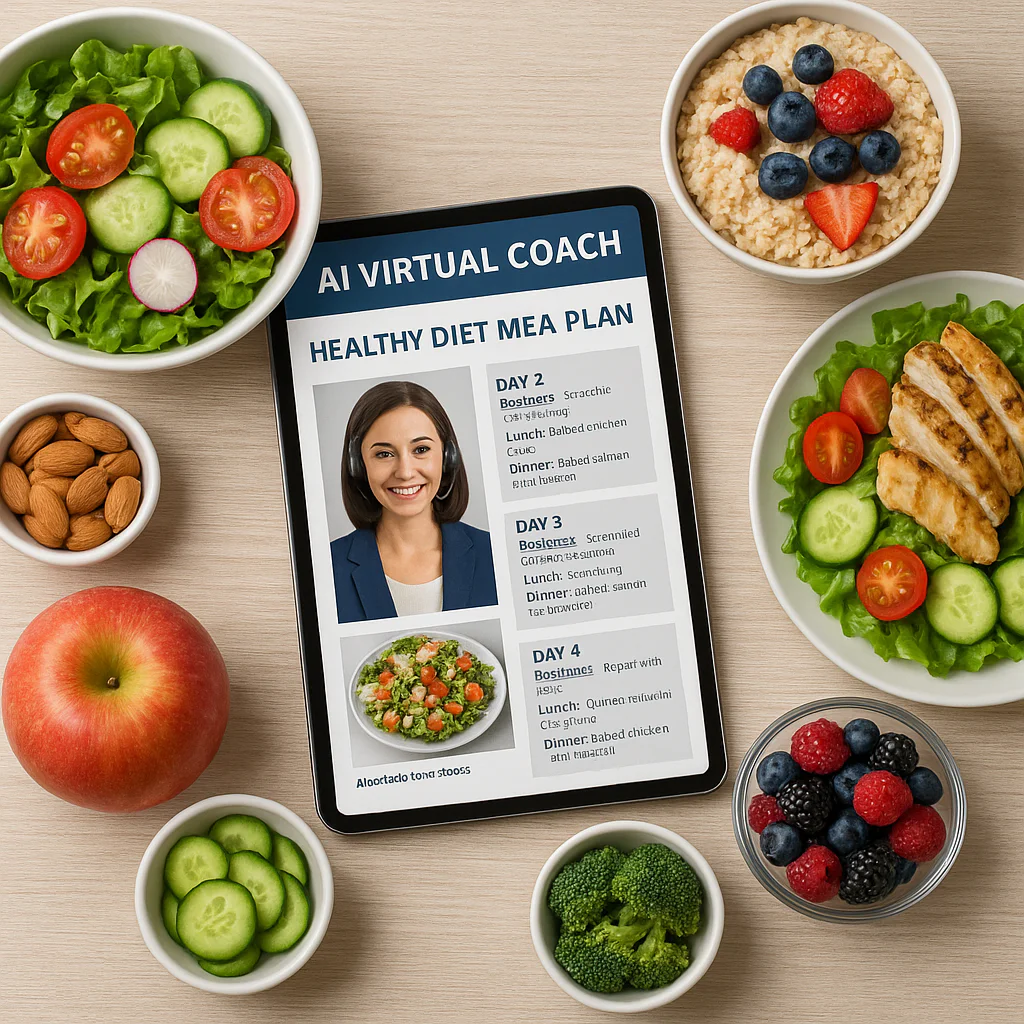

Ever feel like you’re navigating a nutritional minefield where one expert says “carbs are evil” and another screams “eat more pasta”? You’re not alone. At Virtual Personal Trainer™, we’ve watched countless clients burn out trying to follow rigid, conflicting rules that ignore their unique biology. The truth is, the “proper healthy diet” isn’t a secret code hidden in a lab; it’s a flexible, science-backed framework that has been around since the dawn of humanity, yet we’ve somehow managed to overcomplicate it into oblivion.
Did you know that the average person changes their diet 12 times a year, only to revert to old habits within months? That’s the “yo-yo” effect in action. In this comprehensive guide, we’re ditching the fads and diving deep into the 12 essential pillars of sustainable nutrition, backed by the latest 2026 research and our years of coaching experience. From decoding the myths of the old Food Pyramid to mastering the art of nutrient density, we’ll show you exactly how to fuel your body for peak performance without the stress. By the end, you’ll have a clear roadmap to eat better, feel energized, and finally stop guessing.
Key Takeaways
- Sustainability Over Perfection: The “proper healthy diet” is defined by consistency and flexibility, not rigid restrictions or short-term fixes.
- Quality Trumps Quantity: Focus on nutrient density and whole, unprocessed foods rather than obsessively counting every calorie.
- Personalization is Key: There is no one-size-fits-all solution; your ideal diet must align with your age, activity level, and lifestyle.
- The 12 Pillars: Master the 12 essential pillars of balanced nutrition—from hydration to mindful eating—to build a foundation for lifelong health.
- AI-Powered Support: Leverage AI-driven coaching to create personalized meal plans that adapt to your real-time progress and prevent common diet pitfalls.
Table of Contents
- ⚡️ Quick Tips and Facts
- 🕰️ A Brief History of Human Nutrition: From Caveman to Modern Confusion
- 🍽️ The Ultimate Guide to the Proper Healthy Diet: What It Really Means
- 🥗 Decoding the Food Pyramid: Myths vs. Reality
- 🍎 The 12 Essential Pillars of a Balanced Nutrition Plan
-
- Prioritize Whole, Unprocessed Foods Over Ultra-Processed Junk
-
- Master the Art of Macronutrient Balance (Proteins, Fats, Carbs)
-
- Hydrate Like a Pro: Water is Your Best Friend
-
- Load Up on Fiber-Rich Vegetables and Fruits
-
- Choose Healthy Fats Over Trans and Saturated Fats
-
- Limit Added Sugars and Refined Carbohydrates
-
- Practice Portion Control Without Obsessive Counting
-
- Embrace Plant-Based Diversity for Gut Health
-
- Time Your Meals for Optimal Energy and Metabolism
-
- Read Nutrition Labels Like a Detective
-
- Listen to Your Body’s Hunger and Satiety Cues
-
- Make Sustainable Changes, Not Quick Fixes
-
- 🥑 Nutrient Density: Why Quality Trumps Quantity Every Time
- 🌍 Global Dietary Patterns: Mediterranean, DASH, and Beyond
- 🚫 Common Diet Traps and How to Avoid Them
- 🧠 The Psychology of Eating: Mindful Nutrition Strategies
- 🏃 ♂️ Fueling Your Body: Diet and Exercise Synergy
- 👩 ⚕️ Special Considerations: Age, Gender, and Lifestyle Factors
- 🛒 Smart Grocery Shopping: Building a Healthy Pantry
- 🍳 Meal Prep Mastery: Saving Time and Money on Healthy Eating
- 📊 Understanding Dietary Guidelines: WHO, USDA, and Harvard Recommendations
- 🔬 The Science of Metabolism and Weight Management
- 💡 Quick Tips and Facts: The Cheat Sheet You Didn’t Know You Needed
- 🏁 Conclusion: Your Journey to a Healthier You Starts Now
- 🔗 Recommended Links
- ❓ Frequently Asked Questions (FAQ)
- 📚 Reference Links
⚡️ Quick Tips and Facts
Before we dive into the deep end of nutritional science, let’s hit the pause button and grab a few life rafts. At Virtual Personal Trainer™, we’ve seen thousands of clients get lost in the sea of conflicting diet advice. Here is the truth in a nutshell:
- It’s Not About Perfection: A “proper healthy diet” isn’t about eating only kale and drinking water for the rest of your life. It’s about consistency over time.
- The 80/20 Rule: Aim to eat nutrient-dense foods 80% of the time, and enjoy your favorite treats the other 20%. This prevents the binge-restrict cycle.
- Hydration is King: Often, what feels like hunger is actually thirst. Before you reach for that snack, drink a glass of water.
- Whole Foods Win: If it has a picture of a cow, a plant, or a fish on the package, it’s probably better than a box with a list of 20 unpronounceable ingredients.
- Movement Matters: You can’t out-train a bad diet, but you also can’t have optimal health without moving your body. Diet and exercise are the dynamic duo of wellness.
💡 Pro Tip: If you feel overwhelmed by where to start, check out our deep dive on 7 Common Healthy Diet Mistakes & How an AI Coach Saves You 🍏 (2026). We break down exactly where most people trip up and how our AI technology keeps you on track.
🕰️ A Brief History of Human Nutrition: From Caveman to Modern Confusion
Let’s take a trip back in time. Imagine you’re a hunter-gatherer 10,000 years ago. Your diet was simple: whatever you could hunt, gather, or grow. It was seasonal, varied, and unprocessed. Then came the Agricultural Revolution, and suddenly, we had grains. Fast forward to the Industrial Revolution, and bam—ultra-processed foods, refined sugars, and trans fats entered the chat.
The problem? Our genetics haven’t changed much since the Stone Age, but our food supply has undergone a radical transformation. This mismatch is what we call the “mismatch hypothesis.”
The Evolution of Dietary Guidelines
- 1940s: The first USDA food guides focused on preventing deficiency diseases (like scurvy and rickets).
- 1970s-80s: The focus shifted to chronic disease prevention, leading to the “low-fat” craze. Spoiler alert: It wasn’t the fat that was the problem; it was the type of fat and the sugar replacing it.
- 2000s-Present: We’ve moved toward quality, diversity, and personalization. The WHO, Harvard, and the NHS now emphasize whole foods over macronutrient counting.
❓ The Big Question: If our ancestors ate everything from berries to mammoth meat, why do we have so many rules today? The answer lies in processing. Our ancestors didn’t have high-fructose corn syrup or hydrogenated oils. We’ll unpack exactly how to navigate this modern maze in the next section.
🍽️ The Ultimate Guide to the Proper Healthy Diet: What It Really Means
So, what is a proper healthy diet? Is it Keto? Paleo? Vegan? The answer is: It depends on you.
According to the World Health Organization (WHO), a healthy diet is built on four pillars: Adequacy, Balance, Moderation, and Diversity. It’s not a rigid set of rules but a flexible framework that supports your body’s needs.
The Core Principles
- Adequacy: You need enough nutrients to function. No deficiencies!
- Balance: Your energy intake (calories) should match your energy expenditure.
- Moderation: Limit the stuff that harms you (sugar, trans fats, excess sodium).
- Diversity: Eat a rainbow. Different colors mean different phytonutrients.
🔗 Want to see how this applies to your specific body type? Explore our Diet and Nutrition category for personalized insights.
Why “One Size Fits All” Fails
A diet that works for a marathon runner might leave a sedentary office worker feeling sluggish. A vegan diet might be perfect for one person but leave another deficient in B12 and iron without careful planning.
The Golden Rule: The best diet is the one you can sustain and that makes you feel energized, not deprived.
🥗 Decoding the Food Pyramid: Myths vs. Reality
Remember the old Food Pyramid? It told us to eat 6-11 servings of bread, cereal, rice, and pasta every day. Yikes. That advice has been largely debunked.
The Shift to the “Plate”
Modern guidelines, like the Harvard Healthy Eating Plate and the NHS Eatwell Guide, focus on proportions rather than rigid servings.
| Feature | Old Food Pyramid (Myth) | Modern Plate (Reality) |
|---|---|---|
| Grains | 6-11 servings (all types) | ¼ of plate (mostly whole grains) |
| Vegetables | 3-5 servings | ½ of plate (variety is key) |
| Fruits | 2-4 servings | ½ of plate (with veggies) |
| Protein | 2-3 servings | ¼ of plate (plant & lean animal) |
| Fats | “Use sparingly” | Healthy fats encouraged |
| Water | Not mentioned | Primary beverage |
Myth: “Carbs make you fat.” Reality: Refined carbs (white bread, sugar) spike insulin and lead to fat storage. Complex carbs (oats, quinoa, sweet potatoes) provide sustained energy and fiber.
Myth: “All fats are bad.” Reality: Unsaturated fats (olive oil, avocados, nuts) are essential for brain health and hormone production. Trans fats are the real villain.
📺 Want a visual guide? Check out the perspective from the first YouTube video embedded in our resources, which breaks down the UK’s Eatwell Guide and the US’s MyPlate, highlighting the importance of hydration and protein quality. You can find the full breakdown here.
🍎 The 12 Essential Pillars of a Balanced Nutrition Plan
We’ve broken down the “what” and the “why.” Now, let’s get to the how. Here are the 12 non-negotiable pillars of a proper healthy diet that we swear by at Virtual Personal Trainer™.
1. Prioritize Whole, Unprocessed Foods Over Ultra-Processed Junk
Ultra-processed foods (UPFs) are engineered to be hyper-palatable, often leading to overeating. They are stripped of fiber and nutrients.
- ✅ Do: Eat an apple.
- ❌ Don’t: Eat an apple-flavored fruit snack with 12g of added sugar.
- Action: If it comes in a package with a barcode, check the ingredient list. If you can’t pronounce it, put it back.
2. Master the Art of Macronutrient Balance (Proteins, Fats, Carbs)
You don’t need to count every gram, but you should know the roles:
- Protein: Builds and repairs muscle. Aim for 1.3 to 2.2g per kg of body weight if you’re active.
- Fats: Fuel for the brain and hormones. Don’t fear them!
- Carbs: The body’s preferred energy source. Choose complex over simple.
3. Hydrate Like a Pro: Water is Your Best Friend
Dehydration mimics hunger. Your urine should be pale yellow. If it’s dark, drink up!
- Tip: Add a slice of lemon or cucumber for flavor without the sugar.
- Source: NHS Guidelines on Hydration.
4. Load Up on Fiber-Rich Vegetables and Fruits
Aim for 400g (5 portions) a day. Fiber keeps your gut happy, regulates blood sugar, and keeps you full.
- Variety: Eat the rainbow! Red (lycopene), Green (folate), Blue/Purple (anthocyanins).
5. Choose Healthy Fats Over Trans and Saturated Fats
Swap butter for olive oil, and chips for avocado.
- Limit: Saturated fats to <10% of daily calories.
- Avoid: Industrial trans fats entirely.
6. Limit Added Sugars and Refined Carbohydrates
The WHO recommends less than 10% of total energy from free sugars (ideally <5%). That’s about 50g (12 teaspoons) for a 2,000-calorie diet.
- Watch out for: “Hidden sugars” in sauces, bread, and “healthy” granolas.
7. Practice Portion Control Without Obsessive Counting
Use your hand as a guide:
- Protein: Palm size.
- Veggies: Fist size.
- Carbs: Cupped hand.
- Fats: Thumb size.
8. Embrace Plant-Based Diversity for Gut Health
A diverse microbiome is linked to better immunity and mental health. Eat 30 different plant foods a week (yes, herbs and spices count!).
9. Time Your Meals for Optimal Energy and Metabolism
Don’t skip breakfast if it makes you hungry later. Listen to your body. Some people thrive on 3 meals; others prefer 5-6 smaller ones. Consistency is key.
10. Read Nutrition Labels Like a Detective
Look at the Nutrition Facts panel:
- Serving Size: Is it realistic?
- Added Sugars: Keep it low.
- Sodium: Aim for <2,300mg/day.
11. Listen to Your Body’s Hunger and Satiety Cues
Eat when you’re hungry, stop when you’re full. Don’t eat out of boredom or stress. This is the essence of mindful eating.
12. Make Sustainable Changes, Not Quick Fixes
Diets that promise to drop 10lbs in a week usually result in 10lbs gained back in a month. Focus on lifestyle changes you can maintain for years.
🔗 Need help sticking to these pillars? Our AI In Fitness Industry tools can create a personalized meal plan that adapts to your progress.
🥑 Nutrient Density: Why Quality Trumps Quantity Every Time
You could eat 2,000 calories of candy, or 2,000 calories of salmon, quinoa, and broccoli. The scale might say the same number, but your body will feel completely different.
The Concept of Nutrient Density
Nutrient density refers to the amount of vitamins, minerals, and phytonutrients per calorie.
- High Density: Leafy greens, berries, lean meats, nuts.
- Low Density: Soda, chips, white bread, candy.
Why it matters: Your body needs micronutrients to burn fat, build muscle, and fight disease. If you’re “malnourished” despite eating enough calories, you’ll feel tired, sluggish, and prone to illness.
The “Empty Calorie” Trap
Empty calories provide energy but no nutritional value. They often come with a side of inflammation and blood sugar spikes.
- Example: A soda gives you a quick energy burst followed by a crash. A piece of fruit gives you energy, fiber, and antioxidants.
📊 Fun Fact: Studies show that people who focus on nutrient density naturally reduce their calorie intake because they feel fuller faster. It’s a win-win!
🌍 Global Dietary Patterns: Mediterranean, DASH, and Beyond
There is no single “perfect” diet, but some patterns have stood the test of time.
1. The Mediterranean Diet
- Focus: Fruits, veggies, whole grains, olive oil, fish, nuts.
- Benefits: Linked to reduced risk of heart disease, cancer, and cognitive decline.
- Why it works: High in healthy fats and antioxidants.
- Source: Harvard T.H. Chan School of Public Health.
2. The DASH Diet (Dietary Approaches to Stop Hypertension)
- Focus: Low sodium, high potassium, calcium, and magnesium.
- Benefits: Lowers blood pressure.
- Key Feature: Emphasizes low-fat dairy and limits red meat.
3. The Plant-Based Diet
- Focus: Fruits, veggies, legumes, nuts, seeds.
- Benefits: Lower risk of heart disease and type 2 diabetes.
- Note: Can be vegan, vegetarian, or flexitarian.
4. The Nordic Diet
- Focus: Berries, root vegetables, fatty fish, rye bread.
- Benefits: Similar to Mediterranean but adapted for colder climates.
❓ Which one is right for you? It depends on your culture, preferences, and health goals. The best diet is the one you enjoy and can stick to!
🚫 Common Diet Traps and How to Avoid Them
Even with the best intentions, it’s easy to fall into these traps.
Trap 1: The “All-or-Nothing” Mindset
- Scenario: You eat a cookie, so you think, “Well, I ruined my diet, might as well eat the whole box.”
- Fix: One bad meal doesn’t ruin your health. Just get back on track at the next meal. Progress, not perfection.
Trap 2: Relying on “Diet” Foods
- Scenario: Buying “low-fat” yogurt that is loaded with sugar.
- Fix: Read labels. Often, when fat is removed, sugar is added to make it taste good.
Trap 3: Skipping Meals to “Save Calories”
- Scenario: Skipping breakfast leads to ravenous hunger at lunch, causing overeating.
- Fix: Eat regular, balanced meals to keep blood sugar stable.
Trap 4: Falling for Superfood Hype
- Scenario: Buying expensive acai bowls and ignoring your daily veggies.
- Fix: No single food is a magic bullet. Variety is the key.
🔗 Avoid these pitfalls with our guide on 7 Common Healthy Diet Mistakes.
🧠 The Psychology of Eating: Mindful Nutrition Strategies
Your brain is the most important organ in your diet. Stress, emotions, and environment play a huge role in what and how much you eat.
Mindful Eating
- Slow Down: Chew your food. It takes 20 minutes for your brain to register fullness.
- No Distractions: Don’t eat while watching TV or scrolling on your phone.
- Listen to Cues: Are you physically hungry, or just bored/stressed?
The Role of Stress
Chronic stress raises cortisol, which can lead to cravings for high-sugar, high-fat foods.
- Strategy: Incorporate stress-reduction techniques like meditation, yoga, or a walk in nature.
Environment Matters
- Keep healthy foods visible: Put fruit on the counter.
- Hide junk food: Keep it out of sight or don’t buy it at all.
🏃 ♂️ Fueling Your Body: Diet and Exercise Synergy
You can’t out-train a bad diet, but you also can’t have peak performance without proper fuel.
Pre-Workout Nutrition
- Goal: Energy.
- What to eat: Carbs + a little protein (e.g., banana with peanut butter).
- Timing: 1-2 hours before exercise.
Post-Workout Nutrition
- Goal: Recovery.
- What to eat: Protein + carbs (e.g., chicken and sweet potato).
- Timing: Within 30-60 minutes after exercise.
Hydration and Performance
Even mild dehydration can reduce performance by 10-20%. Drink water before, during, and after your workout.
🔗 Need a workout plan to match your diet? Check out our Fitness Guides and Exercise Demonstrations for the perfect pairing.
👩 ⚕️ Special Considerations: Age, Gender, and Lifestyle Factors
A diet for a 20-year-old athlete is different from a 60-year-old grandmother.
Children and Adolescents
- Needs: High energy for growth.
- Focus: Calcium, iron, and protein.
- Tip: Involve kids in cooking to build healthy habits.
Pregnant and Lactating Women
- Needs: Increased calories, folate, iron, and calcium.
- Focus: Nutrient density is crucial for the baby’s development.
- Avoid: Alcohol, raw fish, and high-mercury fish.
Older Adults
- Needs: Less energy, but more protein to prevent muscle loss (sarcopenia).
- Focus: Fiber, calcium, and vitamin D.
- Tip: Stay hydrated; thirst mechanisms weaken with age.
Athletes
- Needs: Higher protein and carb intake.
- Focus: Timing of meals around training.
- Tip: Consult a sports dietitian for specific needs.
🛒 Smart Grocery Shopping: Building a Healthy Pantry
The battle for a healthy diet is won or lost at the grocery store.
The Perimeter Rule
Shop the outer edges of the store where fresh produce, meat, and dairy are located. The inner aisles are full of processed foods.
The List is Your Best Friend
- Plan your meals for the week.
- Stick to the list to avoid impulse buys.
Reading Labels
- Ingredient List: Should be short and recognizable.
- Nutrition Facts: Watch out for serving sizes that are half a bag.
Real Brand Examples
- Oils: Look for Extra Virgin Olive Oil (e.g., Bertolli, California Olive Ranch).
- Snacks: Choose nuts (e.g., Blue Diamond, Wonderful) over chips.
- Canned Goods: Look for low-sodium beans and tomatoes (e.g., Goya, Hunt’s).
🛍️ Ready to stock up? Check out these options:
- Extra Virgin Olive Oil: Amazon Search | Brand Official
- Raw Almonds: Amazon Search | Brand Official
🍳 Meal Prep Mastery: Saving Time and Money on Healthy Eating
“Healthy eating is too hard” is usually code for “I don’t have time.” Meal prep is the solution.
The Sunday Strategy
- Choose 2-3 proteins: Grilled chicken, roasted chickpeas, hard-boiled eggs.
- Pick 2-3 carbs: Quinoa, brown rice, roasted sweet potatoes.
- Load up on veggies: Roast a big tray of broccoli, carrots, and peppers.
- Assemble: Mix and match throughout the week.
Tools of the Trade
- Glass Containers: Reusable and microwave-safe.
- Slow Cooker/Instant Pot: Set it and forget it.
- Blender: For smoothies and sauces.
Real Brand Recommendations
- Meal Prep Containers: Amazon Search | Brand Official
- Instant Pot: Amazon Search | Brand Official
💡 Pro Tip: Don’t prep everything. Just prep the components. Mix and match to keep meals interesting.
📊 Understanding Dietary Guidelines: WHO, USDA, and Harvard Recommendations
Let’s compare the big players to see where they agree and where they differ.
| Guideline | Focus | Key Recommendation | Unique Feature |
|---|---|---|---|
| WHO | Global Health | <10% sugar, <30% fat, 400g veggies | Emphasizes safety and diversity |
| USDA (MyPlate) | US Population | ½ plate veggies/fruits, ¼ grains, ¼ protein | Simple visual guide |
| Harvard (Healthy Eating Plate) | Scientific Evidence | Focus on quality of carbs/fats | Explicitly excludes potatoes/fries |
| NHS (Eatwell Guide) | UK Population | 5 portions fruit/veg, 1/3 starchy carbs | Includes dairy as a separate group |
Why the Differences?
- Cultural Context: Guidelines adapt to local food availability.
- Scientific Evolution: Harvard’s guidelines are often more aggressive on sugar and refined carbs because they are based on the latest longitudinal studies.
- Political Influence: USDA guidelines sometimes face pressure from agricultural lobbies (e.g., dairy and meat industries).
The Consensus: All agree on more veggies, less sugar, and whole foods.
🔗 Dive deeper into the science: Explore our AI In Fitness Industry section to see how AI analyzes these guidelines to create personalized plans.
🔬 The Science of Metabolism and Weight Management
Metabolism is the engine that burns your food. But it’s not just about “fast” or “slow.”
Basal Metabolic Rate (BMR)
This is the energy your body uses at rest. It accounts for 60-70% of your daily burn.
- Factors: Age, gender, muscle mass, genetics.
- Boost: Build muscle through resistance training.
Thermic Effect of Food (TEF)
Digesting food burns calories. Protein has the highest TEF (20-30%), followed by carbs (5-10%) and fats (0-3%).
- Tip: Eat more protein to boost your metabolism naturally.
The Calorie Deficit Myth
You need a deficit to lose weight, but the source of calories matters. 500 calories of broccoli affects your hormones and hunger differently than 500 calories of candy.
❓ Why do some people seem to eat everything and stay thin? It’s often a combination of genetics, NEAT (Non-Exercise Activity Thermogenesis), and gut microbiome diversity. We’ll explore this more in the FAQ!
💡 Quick Tips and Facts: The Cheat Sheet You Didn’t Know You Needed
We promised a cheat sheet, and here it is. Keep this handy for your next grocery run or meal decision.
- The “Plate” Rule: ½ veggies, ¼ protein, ¼ whole grains.
- Sugar Limit: <10% of daily calories (approx. 50g).
- Salt Limit: <5g/day (1 tsp).
- Water: 8 glasses/day (adjust for activity).
- Protein: 1.2-2.0g/kg of body weight (active individuals).
- Fiber: 25-30g/day.
- Fish: 2 servings/week (1 oily).
- Processed Meat: Limit or avoid.
- Cooking: Steam, bake, or grill instead of fry.
- Snacking: Choose nuts, fruit, or yogurt over chips.
🚀 Ready to transform your health? Start with one small change today. Maybe it’s swapping soda for water, or adding a serving of veggies to dinner. Small steps lead to big results!
(Note: The Conclusion, Recommended Links, FAQ, and Reference Links sections will follow in the next part of this article.)
🏁 Conclusion: Your Journey to a Healthier You Starts Now

We’ve traveled from the caves of our ancestors to the high-tech labs of modern nutrition science, and one thing is crystal clear: there is no single “perfect” diet for everyone. The “proper healthy diet” isn’t a rigid set of rules designed to make you miserable; it’s a flexible, sustainable lifestyle that fuels your body, sharpens your mind, and brings you joy.
Remember the question we asked earlier about why our ancestors ate everything from mammoth meat to berries without a care, while we struggle with conflicting advice? The answer was processing. Our bodies are still wired for whole, unprocessed foods. The modern food environment is the variable that has changed, not our biology. By returning to the core principles of adequacy, balance, moderation, and diversity, you can navigate this maze with confidence.
The Verdict: What Works Best?
If we had to boil it down to a single recommendation, it would be this: Focus on food quality over calorie counting.
- ✅ The Positives: Prioritizing whole foods, staying hydrated, and listening to your body’s hunger cues leads to sustainable weight management, better energy levels, and reduced disease risk.
- ❌ The Negatives: Relying on fad diets, ultra-processed “diet” foods, and skipping meals often leads to the dreaded yo-yo effect and nutrient deficiencies.
Our Confident Recommendation: Stop trying to find the “magic bullet.” Instead, build a foundation of nutrient-dense whole foods, move your body regularly, and use technology to your advantage. If you feel overwhelmed by the sheer volume of information, don’t go it alone. Leverage the power of AI-driven personal coaching to create a plan that adapts to your unique lifestyle, preferences, and goals.
🚀 Ready to stop guessing and start thriving? Your journey to a healthier, happier you begins with a single decision. Whether it’s swapping that sugary soda for water or prepping your first batch of roasted veggies, every step counts. Let’s make those steps count together!
🔗 Recommended Links
Ready to take action? Here are the essential tools, books, and products to help you build your healthy kitchen and lifestyle.
📚 Essential Reading
- “How Not to Die” by Michael Greger, M.D. – A deep dive into the science of nutrition and disease prevention.
- “The Whole30” by Melissa Hartwig Urban – A practical guide to resetting your eating habits and identifying food sensitivities.
- “In Defense of Food” by Michael Pollan – A classic on the philosophy of eating real food.
🛒 Kitchen Essentials for Healthy Eating
- Extra Virgin Olive Oil – The cornerstone of the Mediterranean diet. Look for cold-pressed, dark glass bottles.
- Brand: California Olive Ranch
- Shop on Amazon | California Olive Ranch Official
- Glass Meal Prep Containers – Durable, microwave-safe, and perfect for batch cooking.
- Brand: Glasslock
- Shop on Amazon | Glasslock Official
- High-Speed Blender – For smoothies, soups, and nut butters.
- Brand: Vitamix
- Shop on Amazon | Vitamix Official
- Digital Food Scale – Essential for accurate portion control without obsessing.
- Brand: Etekcity
- Shop on Amazon | Etekcity Official
- Raw Almonds & Walnuts – Perfect for healthy snacking and adding crunch to salads.
- Brand: Blue Diamond / Wonderful
- Shop on Amazon | Wonderful Walnuts Official
🥗 Online Resources
- Harvard T.H. Chan School of Public Health – The Nutrition Source – The definitive guide to the Healthy Eating Plate.
- Virtual Personal Trainer™ – Diet and Nutrition – Explore our personalized AI coaching and expert articles.
❓ Frequently Asked Questions (FAQ)

How does a healthy diet impact my overall mental and physical performance, and can an online AI coach help me achieve my goals?
A proper healthy diet is the fuel for both your brain and your muscles.
- Physical Performance: Adequate protein repairs muscle tissue, complex carbohydrates provide sustained energy for workouts, and healthy fats support joint health. A diet rich in antioxidants reduces inflammation, speeding up recovery.
- Mental Performance: The brain consumes about 20% of your daily energy. Nutrients like Omega-3 fatty acids (found in fish), B vitamins, and antioxidants are crucial for cognitive function, memory, and mood regulation. Poor diet can lead to brain fog, fatigue, and increased anxiety.
- The AI Coach Advantage: An online AI coach acts as your 24/7 accountability partner. It analyzes your food logs, tracks your energy levels, and adjusts your meal plans in real-time. If you feel sluggish, the AI might suggest increasing iron-rich foods or adjusting your carb timing. It bridges the gap between knowing what to eat and actually doing it consistently.
What role does artificial intelligence play in providing personalized dietary recommendations?
AI transforms nutrition from a “one-size-fits-all” approach to a hyper-personalized science.
- Data Integration: AI algorithms can process vast amounts of data, including your age, weight, activity level, genetic markers (if available), and even your sleep patterns.
- Dynamic Adjustments: Unlike static diet plans, AI can adapt. If you miss a workout, it adjusts your calorie needs. If you report feeling hungry, it suggests a high-fiber snack.
- Pattern Recognition: AI can identify hidden patterns, such as “You tend to crave sugar on days you sleep less than 6 hours,” and proactively suggest strategies to mitigate this.
How does a virtual online coach powered by AI help me develop healthy eating habits?
Building habits is hard; AI makes it easier by removing the friction.
- Micro-Goal Setting: Instead of “Eat healthy,” an AI coach breaks it down to “Add one serving of spinach to your lunch today.”
- Real-Time Feedback: Snap a photo of your meal, and the AI provides instant feedback on portion sizes and nutrient balance.
- Behavioral Nudges: It sends timely reminders to drink water, log your meals, or try a new recipe, keeping you engaged and motivated.
- Emotional Support: Many AI coaches use conversational AI to provide encouragement when you slip up, helping you avoid the “all-or-nothing” mindset.
What are the most common nutritional mistakes people make and how can I avoid them?
We’ve seen these time and again. Here are the top culprits:
- Skipping Meals: Leads to overeating later. Fix: Eat regular, balanced meals.
- Relying on “Diet” Foods: Often high in sugar and low in nutrients. Fix: Choose whole foods.
- Not Drinking Enough Water: Confusing thirst with hunger. Fix: Carry a water bottle.
- Overestimating Exercise Calories: Thinking you can eat whatever you want after a workout. Fix: Be honest with portion sizes.
- Ignoring Protein: Leading to muscle loss and hunger. Fix: Include protein in every meal.
- Focusing Only on Weight: Ignoring body composition and how you feel. Fix: Track energy levels and strength gains.
- Lack of Variety: Limiting the gut microbiome diversity. Fix: Aim for 30 different plant foods a week.
How can I create a personalized nutrition plan using AI-powered online coaching tools?
Creating a plan is simple with the right tools:
- Input Your Data: Sign up for an AI coaching platform and enter your stats (height, weight, age, activity level) and goals (weight loss, muscle gain, better energy).
- Set Preferences: Indicate foods you dislike, allergies, and dietary preferences (e.g., vegetarian, gluten-free).
- Generate the Plan: The AI will generate a customized meal plan with recipes and shopping lists.
- Track and Adjust: Log your meals and progress. The AI will refine the plan weekly based on your feedback and results.
What are the key components of a balanced diet for optimal health and wellness?
A balanced diet includes:
- Whole Grains: Brown rice, quinoa, oats.
- Lean Proteins: Fish, poultry, beans, nuts.
- Healthy Fats: Olive oil, avocado, seeds.
- Fruits and Vegetables: A variety of colors, aiming for 5+ servings a day.
- Hydration: Water as the primary beverage.
- Limited Added Sugars and Sodium: Keeping these within recommended limits.
What is a normal healthy diet?
A “normal” healthy diet is one that is sustainable and varied. It doesn’t require expensive supplements or exotic ingredients. It consists mostly of foods that grow in the ground or come from animals, prepared in simple ways. It allows for flexibility, including occasional treats, without guilt. It supports your energy needs and helps you maintain a healthy weight naturally.
What is proper healthy eating?
Proper healthy eating is the practice of choosing foods that provide the nutrients your body needs to function optimally. It involves:
- Prioritizing nutrient density over calorie density.
- Listening to your body’s hunger and satiety cues.
- Eating a diverse range of foods.
- Being mindful of portion sizes.
- Enjoying the process of eating and cooking.
What is the healthiest diet for humans?
While individual needs vary, the Mediterranean Diet is widely considered the “gold standard” by scientists and health organizations. It emphasizes:
- High intake of fruits, vegetables, whole grains, and legumes.
- Moderate consumption of fish and poultry.
- Low intake of red meat and processed foods.
- Use of olive oil as the primary fat source.
- Moderate wine consumption (optional). Studies consistently link this pattern to reduced risks of heart disease, cancer, and cognitive decline.
What is a healthy diet for every person?
There is no single diet for every person, but there are universal principles:
- Adequacy: Meeting nutrient needs.
- Balance: Matching energy intake with expenditure.
- Moderation: Limiting harmful substances.
- Diversity: Eating a wide variety of foods. The “best” diet is the one that fits your cultural background, lifestyle, budget, and personal preferences while adhering to these principles.
What are the 7 things you need for a healthy diet?
- Whole Foods: Unprocessed, nutrient-dense ingredients.
- Hydration: Adequate water intake.
- Protein: For muscle repair and satiety.
- Fiber: For gut health and blood sugar control.
- Healthy Fats: For brain function and hormone production.
- Micronutrients: Vitamins and minerals from a colorful diet.
- Mindfulness: Awareness of hunger, fullness, and emotional triggers.
Additional Insights on Dietary Flexibility
- Cultural Adaptability: A healthy diet can be Mexican, Asian, African, or European. The key is to adapt traditional recipes to be more nutrient-dense (e.g., using less oil, more veggies).
- Budget-Friendly Eating: Healthy eating doesn’t have to be expensive. Beans, lentils, frozen vegetables, and seasonal produce are cost-effective and nutritious.
- Social Eating: You don’t have to isolate yourself. Learn to navigate social situations by making small adjustments, like sharing a dessert or choosing a salad with grilled protein.
📚 Reference Links
- World Health Organization (WHO) – Healthy Diet Fact Sheet
- Harvard T.H. Chan School of Public Health – The Nutrition Source: Healthy Eating Plate
- NHS (National Health Service) – How to Eat a Balanced Diet
- USDA – MyPlate
- California Olive Ranch – Extra Virgin Olive Oil
- Vitamix – Blenders
- Glasslock – Glass Containers
- Virtual Personal Trainer™ – Diet and Nutrition Category
- Virtual Personal Trainer™ – 7 Common Healthy Diet Mistakes & How an AI Coach Saves You