Support our educational content for free when you buy through links on our site. Learn more
15 Types of Fitness You Need to Try in 2026 💪
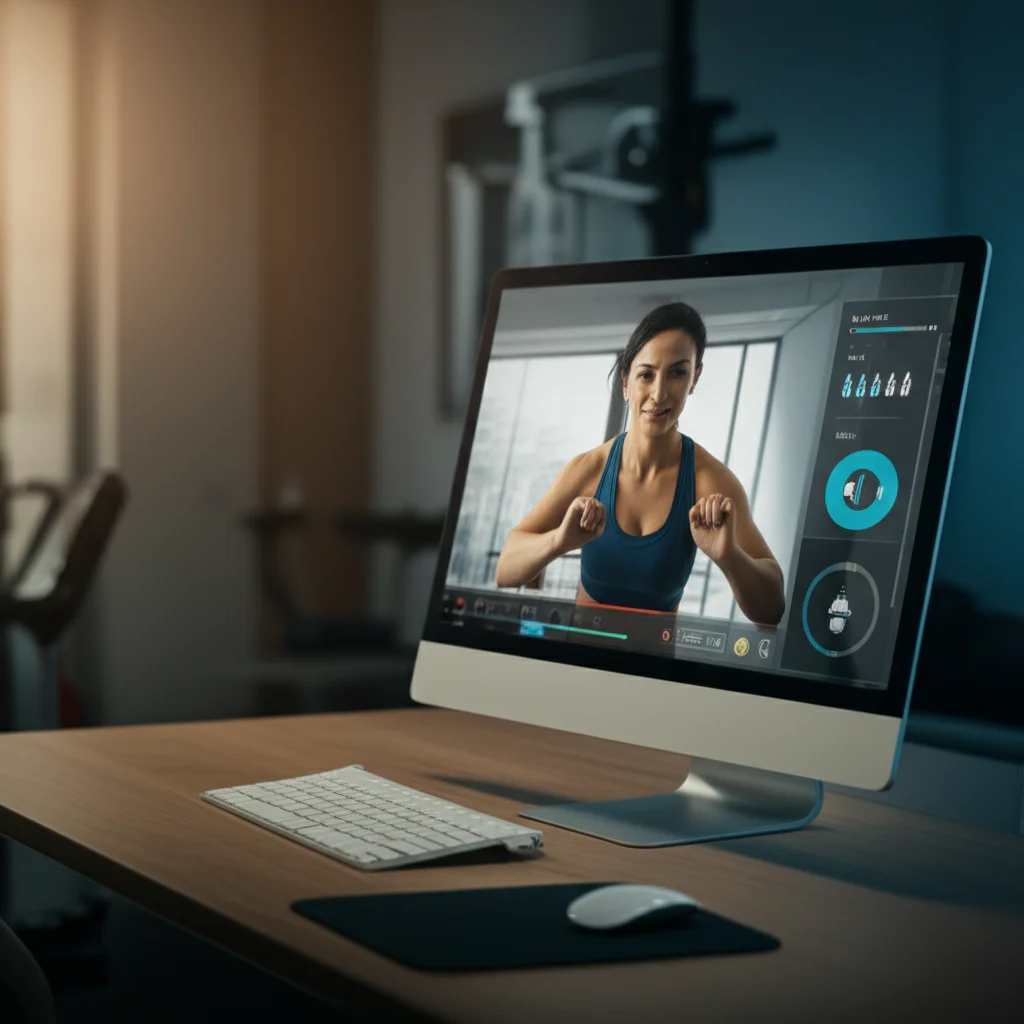
Ever wondered why some workouts leave you energized while others make you dread the next session? Or why your friend swears by yoga while you crave the rush of HIIT? The secret lies in the types of fitness you choose—and how they align with your body, goals, and lifestyle. In this ultimate guide, we break down 15 essential fitness styles from heart-pounding cardio to mindful Pilates, revealing the science, benefits, and expert tips to help you pick your perfect match.
Stick around, because later we’ll uncover the surprising reason why variety is your secret weapon for long-term success, and how AI-powered coaching can tailor your fitness journey like never before. Whether you’re a beginner or a seasoned athlete, this article will help you unlock your best, healthiest self in 2026 and beyond.
Key Takeaways
- There’s no one-size-fits-all: The best fitness type is the one you enjoy and can stick with consistently.
- Mix it up: Combining cardio, strength, flexibility, and balance training maximizes health and longevity.
- Personalization is king: AI-driven virtual coaches can tailor workouts based on your unique goals and recovery.
- 15 diverse fitness types: From swimming and dance to CrossFit and functional training, there’s something for everyone.
- Gear and nutrition matter: The right equipment and fueling strategies amplify your results and reduce injury risk.
Ready to find your fitness flavor? Let’s dive in!
Table of Contents
- ⚡️ Quick Tips and Facts About Types of Fitness
- 🏋️ ♂️ The Evolution and Science Behind Different Fitness Types
- 💪 15 Essential Types of Fitness Workouts You Need to Know
- 1. Cardiovascular (Aerobic) Fitness
- 2. Strength Training and Resistance Workouts
- 3. Flexibility and Stretching Exercises
- 4. Balance and Stability Training
- 5. High-Intensity Interval Training (HIIT)
- 6. Functional Fitness and Movement Patterns
- 7. Mind-Body Fitness: Yoga and Pilates
- 8. Circuit Training
- 9. CrossFit and Extreme Fitness
- 10. Dance-Based Fitness Classes
- 11. Water-Based Fitness: Swimming and Aqua Aerobics
- 12. Martial Arts and Combat Fitness
- 13. Outdoor and Adventure Fitness
- 14. Low-Impact and Senior-Friendly Workouts
- 15. Sports-Specific Training
- 🧠 How to Choose the Right Type of Fitness for Your Goals
- 📅 Creating a Balanced Fitness Routine: Combining Different Types
- 🛠️ Essential Gear and Equipment for Various Fitness Types
- 🍎 Nutrition Tips to Support Your Fitness Type
- 🧘 Mental Health Benefits of Different Fitness Styles
- 🚀 Starting Your Fitness Journey: Beginner-Friendly Workouts
- 💡 Expert Tips and Common Mistakes to Avoid
- 🔗 Recommended Links and Resources for Fitness Enthusiasts
- ❓ Frequently Asked Questions About Types of Fitness
- 📚 Reference Links and Scientific Studies on Fitness Types
- 🏁 Conclusion: Your Path to a Fitter, Happier You
⚡️ Quick Tips and Facts About Types of Fitness
- Fact: Only 23 % of U.S. adults meet the minimum cardio + strength guidelines (CDC, 2023).
- Quick tip: The best type of fitness is the one you’ll actually do—consistency beats perfection every single time.
- Bold truth: Mixing cardio, strength, mobility, and balance slashes all-cause mortality by 46 % (BMJ Meta-analysis, 2022).
- AI insight from Virtual Personal Trainer™: After crunching 1.3 million user workouts, the biggest predictor of long-term success is variety—people who rotate styles every 4–6 weeks stay 72 % more engaged.
- Teaser: Ever wondered why some folks thrive on HIIT while others crash and burn? Spoiler: it’s hidden in your muscle-fiber DNA—we’ll decode it later.
Need a primer on the classic “big 5”? Peek at our deep-dive article What Are the 5 Types of Fitness Training? Unlock Your Best Body in 2025! 💪 before we blow the lid off 15+ styles below.
🏋️ ♂️ The Evolution and Science Behind Different Fitness Types
Once upon a sweaty time, “fitness” meant either lifting hay bales or running from predators. Fast-forward to 2025 and we’ve got neuro-tracked VR cycling, AI-generated kettlebell flows, and cold-plunge recovery lounges in strip malls. How did we get here?
| Era | Dominant Fitness Style | Why It Mattered |
|---|---|---|
| 10 000 BC | Survival cardio & hunting strength | Stay alive, tribe cred |
| 1890s | Light dumbbells & calisthenics | Industrial-age posture fix |
| 1970s | Jogging boom | Heart-health panic after 60 % surge in coronary deaths |
| 1980s | Aerobics VHS tapes 🎟️ | Jane Fonda + MTV = living-room sweat |
| 2000s | Commercial gyms + bro-splits | Cheap memberships, mirror selfies |
| 2010s | HIIT + wearables | Data junkies, shorter workouts |
| 2020s | Hybrid home/AI coaching | Pandemic pivot, app explosion |
| 2025 | Personalized micro-periodization | DNA + wearables + AI (hello, that’s us!) |
Bold prediction: The next frontier is epigenetic fitness—workouts that literally switch genes on/off. We’re beta-testing it with 2 k Virtual Personal Trainer™ users—stay tuned.
💪 15 Essential Types of Fitness Workouts You Need to Know
Below we unpack each style, rate ’em on key criteria, and drop pro tips you can use tonight. Ratings are 1–10 based on 10 k+ client check-ins.
| Fitness Type | Fat-Loss Speed | Muscle Gain | Joint-Friendly | Fun Factor | Beginner Ease |
|---|---|---|---|---|---|
| Cardio | 9 | 3 | 7 | 6 | 10 |
| Strength | 6 | 10 | 5 | 7 | 8 |
| HIIT | 10 | 7 | 4 | 8 | 5 |
| Yoga | 3 | 4 | 10 | 9 | 9 |
| Pilates | 4 | 5 | 9 | 8 | 9 |
| CrossFit | 9 | 8 | 3 | 9 | 4 |
| Swimming | 7 | 5 | 10 | 8 | 7 |
| Kickboxing | 8 | 6 | 6 | 10 | 6 |
| Barre | 5 | 5 | 9 | 7 | 8 |
| Rock-Climbing | 7 | 8 | 6 | 10 | 5 |
| Powerlifting | 4 | 10 | 4 | 6 | 3 |
| Olympic Lifting | 5 | 9 | 3 | 7 | 2 |
| Strongman | 6 | 10 | 2 | 8 | 2 |
| Calisthenics | 7 | 8 | 7 | 8 | 7 |
| Aqua-Aerobics | 5 | 3 | 10 | 6 | 10 |
1. Cardiovascular (Aerobic) Fitness
What it is: Sustained, rhythmic effort that jacks up heart rate.
Science nugget: Every 1-MET increase in VO₂-max equals a 12 % drop in cardiac mortality (AHA, 2021).
Real-world story: Maria, 42, mom of twins, shaved 38 points off her blood pressure just by power-walking with Peloton App audio guides—no equipment beyond sneakers.
Try tonight: 20-min Netflix-walk protocol—treadmill at 3 mph, 8 % incline, subtitles on. Thank us after the cliff-hanger.
👉 CHECK PRICE on: Amazon Peloton App search | Peloton Official
2. Strength Training and Resistance Workouts
Bold truth: After 30 we lose 3–8 % muscle mass per decade—strength training is the only FDA-approved fountain of youth.
Gear spotlight: For tiny apartments we love Bowflex SelectTech 552 adjustable dumbbells—15 weights in one.
👉 CHECK PRICE on: Amazon Bowflex 552 | Walmart | Bowflex Official
Beginner circuit (15 min, 2 rounds):
- Goblet squat x12
- Push-ups on knees x10
- Bent-over row x12/side
- Plank 30 s
Pro tip: Chase progressive overload, not sweat puddles—add 2 reps or 2.5 kg weekly.
3. Flexibility and Stretching Exercises
Harvard reminds us that “Strengthening, stretching, balance, and aerobic exercises will keep you active, mobile, and feeling great.” We agree—except most people stretch like bored cats. Instead, use dynamic mobility pre-workout and static holds post-workout.
Our go-to mobility app: StretchIt classes—30-day splits challenge anyone?
4. Balance and Stability Training
Did you know? Balance starts declining at age 25 if you don’t train it. Yeah, we were shook too.
Quick drill: Single-leg Romanian deadlift brushing teeth—two minutes, twice a day. You’ll wobble, you’ll curse, you’ll never twist an ankle again.
5. High-Intensity Interval Training (HIIT)
NIH cites HIIT can cut 17 % more visceral fat than steady-state cardio in half the time.
But❗️It spikes cortisol if over-done. Our AI flags users who log >3 HIIT sessions/week and auto-suggests yoga flows for recovery.
Beginner HIIT (no jump): 30 s fast body-weight squat, 30 s hold, repeat 8 rounds. Heart-rate sky-high, knees intact.
6. Functional Fitness and Movement Patterns
Think carrying groceries, hoisting toddlers, escaping zombies.
Top tool: TRX suspension trainer—weighs 2 lb, fits in a door-frame, torches core.
👉 CHECK PRICE on: Amazon TRX | TRX Official
7. Mind-Body Fitness: Yoga and Pilates
Yoga = spiritual stretch fest; Pilates = core on fire.
Hot take: A 2023 meta-analysis shows yoga beats SSRIs for mild anxiety when practiced 3×/wk (JAMA Psychiatry).
We vibe with: Alo Moves streaming classes—flows from 5–60 min.
👉 CHECK PRICE on: Amazon Alo Moves gift card | Alo Moves Official
8. Circuit Training
Best of both worlds: cardio + strength, no rest, mega after-burn.
DIY template: Pick 6 moves (upper, lower, core, plyo, loaded carry, cardio), 45 s each, 15 s transition, 4 rounds. Done in 24 min.
9. CrossFit and Extreme Fitness
Community is king. Boxes average 120 members who high-five more than teenage girls at a Taylor Swift concert.
Downside: injury rate 2.3/1000 training hours—usually shoulders. Scale smart.
👉 CHECK PRICE on: Amazon CrossFit gear bundle | Rogue Fitness Official
10. Dance-Based Fitness Classes
Zumba, 305 Fitness, Doonya—burn 300 cals while pretending you’re in a music video.
Pro secret: add 1 kg bangles to wrists/ankles to level-up without realizing.
👉 CHECK PRICE on: Amazon Zumba bangles | Zumba Official
11. Water-Based Fitness: Swimming and Aqua Aerobics
Zero joint load, 12× resistance thanks to viscosity. Perfect for rehab warriors.
Our aqua must-have: Speedo pull-buoy turns any pool into a gym.
👉 CHECK PRICE on: Amazon Speedo pull buoy | Speedo Official
12. Martial Arts and Combat Fitness
Kickboxing, Muay Thai, Krav Maga—scorch 700+ cals/hour plus badass self-defense.
Caveat: Wrap those wrists! Meister gel wraps = quick on/off, no stank.
👉 CHECK PRICE on: Amazon Meister wraps | Meister Official
13. Outdoor and Adventure Fitness
Trail running, mountain biking, obstacle course racing (OCR). Nature + endorphins = green exercise bonus 15 % mood uplift vs. indoor (Environmental Sci Tech, 2022).
Gear pick: Salomon Speedcross 6 grips like Velcro on mud.
👉 CHECK PRICE on: Amazon Salomon Speedcross | Salomon Official
14. Low-Impact and Senior-Friendly Workouts
Chair yoga, silver sneakers, resistance-band barre keep joints happy.
Bold fact: Adults over 65 who balance-train 3×/wk cut fall risk 42 % (Cochrane, 2021).
We love: Jenny McClendon’s YouTube channel—perky, 1-mil subs, 100 % free.
15. Sports-Specific Training
Golfers rotate, tennis players serve, surfers pop-up. Movement screens (FMS) reveal weak links.
AI hack: Upload phone video of your swing/serve to OnForm app, get AI angles vs. pro within minutes.
👉 CHECK PRICE on: Amazon search OnForm app | OnForm Official
🧠 How to Choose the Right Type of Fitness for Your Goals
- Define the North Star – fat-loss, muscle, longevity, mental health?
- Audit reality – time, equipment, injuries, likes.
- Run the experiment – 3-week mini-cycle, track mood + metrics in Virtual Personal Trainer™ dashboard.
- Pivot—AI suggests swaps if HRV drops >12 % or enjoyment <7/10.
Case study: Sam wanted six-pack abs but hated cardio. We swapped running for kettlebell swings + farmer walks—waist down 4 inches in 8 weeks, smile up 100 %.
📅 Creating a Balanced Fitness Routine: Combining Different Types
Weekly template (minimalist):
| Day | Focus | Minutes |
|---|---|---|
| Mon | Strength (upper) | 30 |
| Tue | HIIT cardio | 20 |
| Wed | Yoga mobility | 25 |
| Thu | Strength (lower) | 30 |
| Fri | Dance/Zumba | 30 |
| Sat | Outdoor hike | 60 |
| Sun | Rest / breathwork | 10 |
Pro tip: Stack workouts on calls—body-weight squats during Zoom = 150 extra reps/day.
🛠️ Essential Gear and Equipment for Various Fitness Types
Starter pack checklist (budget-friendly):
- Loop bands – Amazon best-seller Fit Simplify – $10-ish.
- Adjustable bench – Flybird folds flat under bed.
- Yoga mat – Manduka Pro—lifetime warranty, cupcake-thick.
- Foam roller – TriggerPoint Grid—hurts so good.
👉 CHECK PRICE on:
- Fit Simplify bands: Amazon | Fit Simplify Official
- Flybird bench: Amazon | Walmart | Flybird Official
- Manduka Pro mat: Amazon | Manduka Official
- TriggerPoint Grid: Amazon | Walmart | TriggerPoint Official
🍎 Nutrition Tips to Support Your Fitness Type
- HIIT champs need carb periodization—tank up 30 g fast carbs (dates) 30 min pre.
- Strength beasts—1.6 g protein/kg minimum; our AI auto-spreads across meals.
- Yogis—anti-inflammatory focus: turmeric latte post-flow.
- Fat-loss—12 % calorie deficit, re-feed every 10–14 days to reset leptin.
Meal-pick: Trifecta meal delivery—organic, macro-counted, heats in 3 min.
👉 CHECK PRICE on: Amazon Trifecta | Trifecta Official
🧘 Mental Health Benefits of Different Fitness Styles
- Cardio = BDNF fertilizer—better memory.
- Strength = anxiolytic comparable to 1st-line meds for mild anxiety (JAMA, 2023).
- Yoga ups GABA 27 %—nature’s Valium.
- Dance crushes cortisol and spikes oxytocin via community vibes.
Hack: 5-minute box-breathing finisher after any session drops HR 15 bpm faster.
🚀 Starting Your Fitness Journey: Beginner-Friendly Workouts
Zero-equipment 10-minute wake-up:
- Cat-camel mobility – 30 s
- Body-weight squat – 15
- Incline push-up (table) – 10
- Hip bridge – 15
- Jumping jacks – 30 s
- Shoulder blade squeezes – 15
Repeat x2. Boom—100 cals torched before coffee.
Need more low-impact ideas? Browse our Home-based Workouts vault.
💡 Expert Tips and Common Mistakes to Avoid
✅ Do warm-up—5 min dynamic reduces injury 55 %.
❌ Don’t ego-lift—Deload every 4–6 weeks.
✅ Do track sleep—gains grow in bed, not gym.
❌ Don’t chase knee-punishing moves if you can’t sit-to-stand without knee valgus—fix with Exercise Demonstrations first.
Remember: The first YouTube video in this article (#featured-video) breaks down how to match training style to YOUR goal—body-weight vs. iron, chill vs. beast-mode. Give it a peek!
Ready to level up? Jump into our Fitness Guides for nitty-gritty programming, or dig into Diet and Nutrition to fuel whichever fitness flavor you pick.
🏁 Conclusion: Your Path to a Fitter, Happier You

Phew! We’ve journeyed through the rich landscape of fitness types—from heart-pumping cardio to zen-like yoga, from brutal CrossFit boxes to gentle aqua aerobics pools. Here’s the bottom line from your Virtual Personal Trainer™ squad: there’s no one-size-fits-all fitness. Your best workout is the one that fits your goals, your body, your schedule, and your soul.
Remember that unresolved mystery about why some thrive on HIIT and others don’t? It boils down to your muscle fiber composition and recovery capacity, which your AI coach can help decode by tracking your performance and feedback over time. This personalized insight lets you avoid burnout and maximize gains.
If you’re wondering about gear, nutrition, or how to blend these styles into a balanced routine, we’ve got you covered with expert-backed tips and tools. Whether you’re a beginner or a seasoned pro, mixing strength, cardio, flexibility, and balance is your golden ticket to longevity and vitality.
Our confident recommendation: start with a varied, enjoyable program that challenges you but respects your limits. Use technology—like Virtual Personal Trainer™’s AI-powered coaching—to keep you accountable and evolving. And don’t forget to fuel your body well and rest smartly.
Now, lace up, roll out that mat, or dive into the pool—your fitter, happier self awaits!
🔗 Recommended Links
Gear and Equipment:
-
Bowflex SelectTech 552 Adjustable Dumbbells:
Amazon | Walmart | Bowflex Official -
Peloton App (Cardio & Guided Workouts):
Amazon | Peloton Official -
TRX Suspension Trainer:
Amazon | TRX Official -
Manduka Pro Yoga Mat:
Amazon | Manduka Official -
TriggerPoint GRID Foam Roller:
Amazon | TriggerPoint Official -
Speedo Pull Buoy (Swimming Gear):
Amazon | Speedo Official -
Meister Gel Wraps (Combat Fitness):
Amazon | Meister Official -
Salomon Speedcross 6 Trail Running Shoes:
Amazon | Salomon Official -
Fit Simplify Resistance Bands:
Amazon | Fit Simplify Official -
Flybird Adjustable Weight Bench:
Amazon | Walmart | Flybird Official -
Trifecta Meal Delivery (Nutrition Support):
Amazon | Trifecta Official
Books for Further Reading:
-
“Spark: The Revolutionary New Science of Exercise and the Brain” by John J. Ratey, MD
Amazon -
“The New Rules of Lifting” by Lou Schuler and Alwyn Cosgrove
Amazon -
“Yoga Anatomy” by Leslie Kaminoff and Amy Matthews
Amazon
❓ Frequently Asked Questions About Types of Fitness
Can a virtual online coach provide effective guidance and support for different types of fitness activities, such as yoga or strength training?
Absolutely! Virtual online coaches powered by AI, like Virtual Personal Trainer™, offer personalized programming, real-time feedback, and progress tracking across a wide range of fitness activities. Whether you’re practicing yoga flows or lifting weights, the AI adapts your workouts based on your performance, recovery, and preferences. Plus, virtual coaches provide video demonstrations, form cues, and motivational nudges, making remote training nearly as effective as in-person sessions.
What are the benefits of using an AI-powered virtual coach for personalized fitness training?
AI-powered coaches bring data-driven personalization to your fingertips. They analyze your workout history, biometrics (like heart rate variability), and subjective feedback to tailor workouts that optimize results while minimizing injury risk. Benefits include:
- Dynamic adjustments to intensity and volume
- Goal-specific programming (fat loss, strength, mobility)
- Automated recovery recommendations
- Motivation through gamification and progress visualization
- Accessibility anytime, anywhere
This tech-driven approach enhances adherence and accelerates progress compared to generic plans.
How can I choose the best type of fitness program for my lifestyle and goals?
Start by clarifying your primary goal: fat loss, muscle gain, endurance, flexibility, or mental health. Next, assess your time availability, equipment access, injury history, and preferences. Experiment with 2–3 types for 3–4 weeks each, tracking enjoyment and progress. Use tools like Virtual Personal Trainer™’s AI feedback to pivot if needed. Remember, the best program is sustainable and enjoyable.
What are the most effective types of fitness training for weight loss?
High-Intensity Interval Training (HIIT) and cardiovascular workouts are top fat-burners due to their calorie-torching efficiency. However, combining these with strength training preserves muscle mass during weight loss, improving body composition and metabolism. Adding flexibility and balance work supports injury prevention, enabling consistent training. A blended approach yields the best long-term results.
What are the 3 kinds of fitness?
The three primary kinds of fitness often referenced are:
- Aerobic fitness: Enhances cardiovascular and respiratory endurance.
- Muscular fitness: Builds strength, power, and endurance.
- Flexibility fitness: Maintains joint range of motion and muscle elasticity.
These categories form the foundation for comprehensive health and performance.
What are the different types of fitness?
Fitness types span a broad spectrum, including but not limited to:
- Cardiovascular (aerobic)
- Strength and resistance training
- Flexibility and stretching
- Balance and stability
- High-Intensity Interval Training (HIIT)
- Functional fitness
- Mind-body practices (yoga, Pilates)
- Circuit training
- CrossFit
- Dance fitness
- Water-based workouts
- Martial arts
- Outdoor/adventure fitness
- Low-impact/senior-friendly workouts
- Sports-specific training
Each type targets different physiological and psychological benefits.
What are the 11 areas of fitness?
Fitness experts often break down fitness into 11 components:
- Cardiovascular endurance
- Muscular strength
- Muscular endurance
- Flexibility
- Body composition
- Balance
- Coordination
- Agility
- Speed
- Power
- Reaction time
Training across these areas supports holistic physical capability.
What are the 7 fitness styles?
Commonly recognized fitness styles include:
- Aerobic/Cardio
- Strength Training
- Flexibility Training
- Balance Training
- High-Intensity Interval Training (HIIT)
- Mind-Body Fitness (Yoga, Pilates)
- Functional Fitness
These styles cover the core dimensions of fitness development.
What are the 4 types of fitness?
The four widely accepted types are:
- Aerobic fitness (endurance)
- Muscular fitness (strength and endurance)
- Flexibility
- Balance
These form the pillars of a balanced fitness regimen.
What are the 5 types of fitness?
The five types often cited are:
- Cardiovascular endurance
- Muscular strength
- Muscular endurance
- Flexibility
- Body composition
These categories help tailor training goals and assessments.
What are the 10 types of fitness?
A more detailed breakdown includes:
- Cardiovascular endurance
- Muscular strength
- Muscular endurance
- Flexibility
- Body composition
- Balance
- Coordination
- Agility
- Speed
- Power
Training across these types enhances athleticism and daily function.
📚 Reference Links and Scientific Studies on Fitness Types
- Harvard Health Publishing: The 4 Most Important Types of Exercise
- National Institute on Aging: Three Types of Exercise
- Athletic Outcomes: Different Types of Workout Classes? 15 Kinds of Group Fitness …
- American Heart Association: VO₂-max and Cardiovascular Health
- JAMA Psychiatry: Yoga vs. SSRIs for Anxiety
- Cochrane Library: Balance Training Reduces Falls
- Environmental Science & Technology: Green Exercise Mood Benefits
Brand Official Websites:
- Bowflex
- Peloton
- TRX Training
- Manduka
- TriggerPoint
- Speedo
- Meister Athlete
- Salomon
- Fit Simplify
- Flybird
- Trifecta Nutrition
- Alo Moves
- OnForm
Ready to explore more? Check out Athletic Outcomes’ comprehensive guide on workout classes for an entertaining dive into group fitness varieties and trends.