Support our educational content for free when you buy through links on our site. Learn more
15 Postbiotic Diet Strategies for Gut-Brain Health 🧠
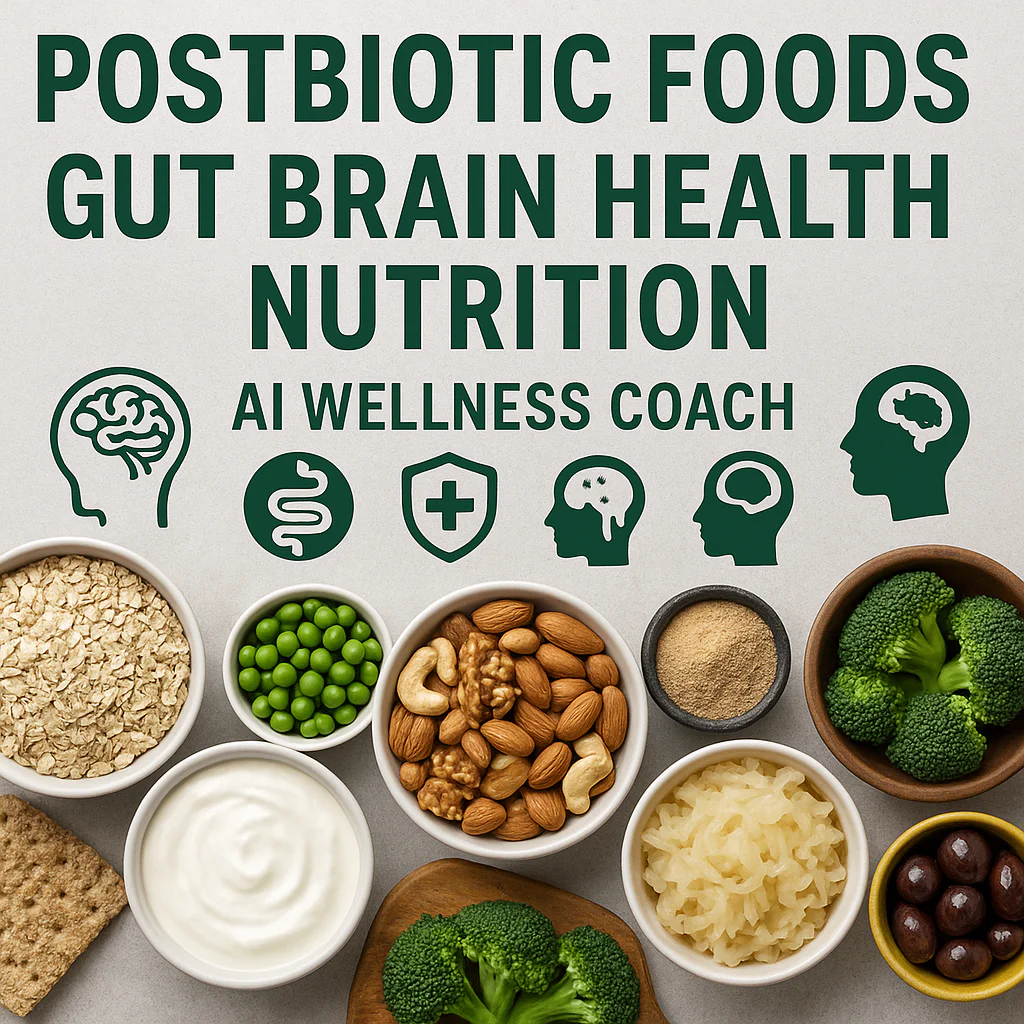
Postbiotic diet strategies for gut-brain health start with a diverse, fiber-rich eating pattern, not an expensive supplement. Feed your gut microbes with legumes, whole grains, vegetables, fruit, resistant starch, and polyphenols, then support the process with fermented foods, exercise, sleep, and stress management.
The reason is pleasantly practical: microbes transform parts of your diet into compounds such as short-chain fatty acids, including butyrate, that interact with the gut lining, immune system, metabolism, and nervous system. The International Scientific Association for Probiotics and Prebiotics also distinguishes formal postbiotics from the broader group of microbial metabolites often discussed in nutrition.
One of our Virtual Personal Trainer™ clients once added beans, oats, and berries to nearly every meal after hearing that “more fiber is always better.” By day three, their gut was composing a percussion solo. We scaled the changes back, introduced them gradually, and paired them with enough fluid. The lesson? Your microbes need good ingredients, but your digestive system also appreciates a sensible rollout.
Research on fermented foods, fiber, microbial metabolites, mood, and cognition is promising but still developing. A whole-food approach can support digestive and overall health, yet it should complement—not replace—medical care for persistent gastrointestinal symptoms, anxiety, depression, sleep disorders, or cognitive changes.
Key Takeaways
- Build a diverse, plant-forward diet: Include vegetables, berries, apples, legumes, oats, barley, nuts, seeds, herbs, and spices.
- Feed beneficial microbial activity: Fiber, resistant starch, and polyphenols can support production of compounds such as acetate, propionate, and butyrate.
- Add fermented foods if tolerated: Plain yogurt, kefir, kimchi, sauerkraut, tempeh, and miso can fit a gut-friendly eating pattern.
- Increase fiber slowly: Suden large portions of beans, bran, or inulin may cause bloating, gas, or diarrhea.
- Do not confuse metabolites with magic: Postbiotic pathways may influence gut-barier, immune, metabolic, and neural signaling, but they are not guaranteed treatments for mood or brain fog.
- Supplements are optional tools: Check the exact strain or compound, evidence, quality testing, possible interactions, and suitability for your health status.
- Lifestyle completes the strategy: Regular movement, restorative sleep, stress regulation, hydration, and consistent meals all support gut-brain health.
- Personalization matters: Your response depends on baseline diet, medications, digestive conditions, genetics, age, sleep, and stress.
- Track practical outcomes: Monitor bowel comfort, energy, mood, sleep, cravings, and meal consistency rather than obsessing over microbiome test scores.
- Get professional help for red flags: Blood in stool, severe pain, persistent vomiting, unexplained weight loss, neurological symptoms, or serious mood changes need clinical attention.
Table of Contents
- ⚡ Quick Tips and Facts: Postbiotic Diet Strategies for Gut-Brain Health
- 🧠 What Are Postbiotics? Definitions, Examples, and Why They Matter
- Postbiotics vs. Probiotics vs. Prebiotics
- Key Postbiotic Compounds: SCFAs, Lactate, Peptides, and Cell Components
- How Postbiotic Foods Differ From Postbiotic Supplements
- 🌿 The Gut-Brain Axis: How Digestion, Immunity, and Mood Connect
- The Vagus Nerve and Bidirectional Brain-Gut Communication
- Neurotransmiters, Hormones, and Microbial Metabolites
- The Gut Barrier, Blood-Brain Barrier, and Neuroinflammation
- 📚 The History and Science Behind Dietary Microbiota Research
- From Intestinal Flora to the Microbiome-Gut-Brain Axis
- What Human Studies Can and Cannot Prove
- 🥗 15 Postbiotic Diet Strategies for a Healthier Gut-Brain Connection
- 1. Eat a Diverse Range of Plant Foods Each Week
- 2. Increase Soluble and Prebiotic Fiber Gradually
- 3. Choose Resistant Starch for Butyrate Production
- 4. Add Fermented Foods With Live Cultures
- 5. Include Polyphenol-Rich Berries, Cocoa, Tea, and Herbs
- 6. Eat Omega-3-Rich Fish and Anti-Inflammatory Fats
- 7. Prioritize Legumes, Whole Grains, Nuts, and Seeds
- 8. Support Tryptophan Metabolism With Protein Variety
- 9. Pair Carbohydrates With Fiber, Protein, and Healthy Fat
- 10. Limit Ultra-Processed Foods and Excess Added Sugar
- 11. Reduce Excess Alcohol and Artificial Sweetener Exposure
- 12. Hydrate and Feed Your Microbes on a Consistent Schedule
- 13. Use Culinary Herbs and Spices for Microbial Diversity
- 14. Match Fermented and High-Fiber Foods to Your Tolerance
- 15. Combine Nutrition With Sleep, Exercise, and Stress Regulation
- 🍽️ Best Foods for Natural Postbiotic Production
- Foods That Support Short-Chain Faty Acids
- Foods Rich in Polyphenols and Microbiome-Friendly Compounds
- Fermented Foods to Try: Yogurt, Kefir, Kimchi, Sauerkraut, and Miso
- A Practical Postbiotic Grocery List
- 📊 How Diet Changes Microbiota Composition and Function
- Dietary Fiber, Microbial Diversity, and Metabolic Health
- Short-Chain Faty Acids and Colonocyte Energy
- Bile Acids, Microbial Enzymes, and Brain Signaling
- Dietary Patterns: Mediterranean, Plant-Forward, Nordic, and Ultra-Processed Diets
- 🧬 How the Microbiome May Influence Brain Function and Behavior
- Mood, Anxiety, Stress Resilience, and Emotional Regulation
- Cognition, Memory, Focus, and Mental Energy
- Sleep Quality, Circadian Rhythms, and Melatonin Pathways
- Appetite, Cravings, and the Gut-Brain Reward System
- 👶 Diet, Postbiotics, and the Gut-Brain Axis Across the Lifespan
- Pregnancy, Infancy, and Early Microbiome Development
- Children, Adolescents, and Developing Brain Health
- Adults, Aging, and Cognitive Resilience
- 🔥 Proposed Mechanisms Behind Postbiotic Gut-Brain Communication
- Immune Signaling and Inflammatory Regulation
- Vagal Signaling and Enteroendocrine Cells
- Microbial Metabolites and Neurotransmitter Precursors
- The Microbiome, Glucose Control, and Brain Energy
- Intestinal Permeability and Microbial Endotoxins
- 🧪 Postbiotic Supplements: Benefits, Strains, Dosing, and Safety
- Common Supplement Types: Heat-Killed Microbes, SCFAs, and Fermentation Products
- How to Evaluate Labels, Evidence, and Quality Testing
- Who May Benefit From a Supplement Trial
- Potential Side Effects, Interactions, and Contraindications
- Why Supplements Cannot Replace a High-Fiber Dietary Pattern
- 🗓️ A 7-Day Postbiotic Meal Plan for Gut-Brain Health
- Day 1: Oats, Berries, Lentils, and Yogurt
- Day 2: Resistant Starch, Beans, and Fermented Vegetables
- Day 3: Mediterranean Fish, Whole Grains, and Polyphenols
- Day 4: Kefir, Chickpeas, Cruciferous Vegetables, and Seeds
- Day 5: Tofu, Tempeh, Mushrooms, and Green Tea
- Day 6: Nuts, Apples, Barley, and Herb-Rich Meals
- Day 7: A Flexible Plant-Forward Meal Prep Day
- ⏱️ Timing, Meal Frequency, and How to Introduce Fiber Without Digestive Drama
- A Two-Week Gradual Fiber Increase
- How to Manage Bloating, Gas, Constipation, and Loose Stools
- When to Eat Fermented Foods and Resistant Starch
- 🧩 Responders and Nonresponders to Postbiotic Dietary Interventions
- Why Individual Microbiomes Respond Differently
- Genetics, Medication, Geography, and Existing Health Conditions
- How to Personalize a Gut-Brain Nutrition Experiment
- 🔍 Does the Microbiome Modify the Effects of Diet on Brain and Behavior?
- What Research Suggests About Cause and Effect
- Observational Studies vs. Randomized Clinical Trials
- Promising Findings That Still Need Stronger Evidence
- ⚠️ Common Postbiotic Diet Mistakes and Marketing Myths
- Mistaking Fermented Flavor for Proven Health Benefits
- Taking Too Much Fiber Too Quickly
- Believing One “Best” Microbiome Exists
- Relying on At-Home Microbiome Tests for Medical Answers
- ✅ Safety Checklist: When to Seek Professional Guidance
- Postbiotic Strategies for IBS, IBD, and Food Intolerances
- Considerations for Immunocompromised People
- Red-Flag Digestive and Neurological Symptoms
- Working With a Registered Dietitian or Clinician
- 💪 Lifestyle Habits That Amplify Gut-Brain Benefits
- Exercise and Microbial Metabolite Production
- Sleep, Stress, and the Microbiome
- Mindful Eating and the Cephalic Phase of Digestion
- 📝 How to Track Your Gut-Brain Response
- Digestive Symptoms and Bowel Regularity
- Mood, Stress, Energy, Focus, and Sleep Logs
- Simple Metrics That Beat Obsessive Data Collection
- 🔬 What the Future Holds for Postbiotic Nutrition Research
- Precision Nutrition and Personalized Microbiome Profiles
- Next-Generation Postbiotics and Targeted Metabolites
- Research Gaps in Mental Health and Cognitive Aging
- Conclusion
- Recommended Links
- FAQ
- What is a postbiotic diet?
- What foods naturally contain postbiotics?
- Can postbiotics improve mood and anxiety?
- Are postbiotics better than probiotics for gut-brain health?
- How long does it take to see benefits from a postbiotic diet?
- Can a postbiotic diet help with IBS symptoms?
- Should I take a postbiotic supplement?
- How much fiber should I eat for microbiome health?
- What is the best diet for the gut-brain axis?
- Reference Links
Quick Tips and Facts: Postbiotic Diet Strategies for Gut-Brain Health
The simplest definition is wonderfully unglamorous: a postbiotic is a useful substance made by microbes, or a preparation of inactivated microbes, that provides a health benefit. A postbiotic diet therefore focuses less on swallowing a magic capsule and more on feeding your resident microbes the raw materials they can transform into helpful compounds.
For a practical starting point, use our guide to a healthy diet alongside these gut-brain nutrition strategies. At Virtual Personal Trainer™, our trainers and health professionals use AI-supported coaching to help clients turn good intentions into repeatable meals, movement, sleep, and stress habits.
The 10-second version
- Eat plant variety: Aim toward a broad mix of vegetables, fruits, beans, lentils, whole grains, nuts, and seeds.
- Feed fermentation: Include foods such as plain yogurt, kefir, kimchi, sauerkraut, miso, or tempeh if tolerated.
- Support short-chain fatty acids: Fiber-fermenting microbes can produce acetate, propionate, and butyrate.
- Add polyphenols: Berries, extra-virgin olive oil, cocoa, green tea, coffee, herbs, and spices give microbes interesting chemistry homework.
- Go gradually: A sudden mountain of beans and inulin can turn your abdomen into a brass band.
- Limit ultra-processed foods: Particularly patterns high in refined starch, added sugar, saturated fat, and low fiber.
- Move, sleep, and downshift stress: The gut-brain axis is not a one-food vending machine.
- Treat supplements cautiously: Product quality and evidence vary by strain, formulation, dose, and health condition.
Fast facts worth remembering
| Fact | What it means for you |
|---|---|
| Fiber is fuel for microbes | Increase beans, oats, barley, vegetables, fruit, nuts, and seeds rather than chasing a single “superfood.” |
| Butyrate supports the colon lining | Resistant starch, whole grains, legumes, and diverse plant fibers may help nourish butyrate-producing communities. |
| Microbial composition is not the whole story | Two people can have different bacteria but produce similar metabolites, or similar bacteria with different activity. |
| Fermented foods are not interchangeable | Yogurt, kimchi, kombucha, and sauerkraut vary in microbes, acidity, sodium, sugar, and pasteurization. |
| Research is promising but unfinished | Much gut-brain evidence is observational or comes from animal models. It does not prove that one food treats depression, anxiety, or cognitive disease. |
| Your response may differ | Medication, baseline diet, age, health conditions, genetics, sleep, and stress can all shape results. |
The review in this peer-reviewed article on postbiotic diet strategies makes the most defensible recommendation: choose a whole-food, plant-rich dietary pattern rather than relying one nutrient, probiotic, or supplement. It also cautions that more clinical research is needed before firm therapeutic recommendations can be made.
A second perspective comes from Heart & Stroke’s guide to nurturing the gut-brain connection, which emphasizes dietary variety, fiber, fish, fermented foods, physical activity, stress management, and sleep. That is a sensible foundation, although it does not establish a specific postbiotic dose or branded product.
What Are Postbiotics? Definitions, Examples, and Why They Matter
The word postbiotic sounds like something that arrives after the probiotic has clocked out. That is not far off.
When gut microbes consume fermentable carbohydrates, polyphenols, and other dietary compounds, they create metabolites that can interact with the intestinal lining, immune system, metabolism, and nervous system. Formal postbiotic terminology is narrower than “anything microbes produce.” The International Scientific Association for Probiotics and Prebiotics (ISAPP) consensus statement defines a postbiotic as a preparation of inanimate microorganisms and/or their components that confers a health benefit on the host.
In everyday nutrition conversations, however, people often use “postbiotics” to describe microbial metabolites, including short-chain fatty acids. We will distinguish those ideas rather than toss them into one scientific smoothie.
Postbiotic metabolites versus formal postbiotic preparations
| Term | Plain-English meaning | Examples | Dietary relevance |
|---|---|---|---|
| Prebiotic | A substrate selectively used by microbes to provide a health benefit | Inulin, fructooligosaccharides, resistant starch, beta-glucans | Found in onions, garlic, oats, barley, legumes, and cooled potatoes |
| Probiotic | Live microorganisms that provide a health benefit when consumed in adequate amounts | Certain strains of Lactobacillus, Bifidobacterium, and Sacharomyces | Found in selected fermented foods and supplements |
| Postbiotic | A preparation of inanimate microbes or microbial components with a demonstrated benefit | Heat-treated cells, cell fragments, defined microbial preparations | Usually a supplement or specialized food ingredient |
| Microbial metabolite | A compound produced or modified by microbes | Butyrate, acetate, propionate, indole derivatives, phenolic metabolites | Encouraged through dietary patterns that feed microbial activity |
Practical takeaway: a “postbiotic diet” is best understood as a dietary pattern that supports beneficial microbial activity and metabolite production. It is not a legally standardized meal plan.
Key postbiotic compounds: SCFAs, lactate, peptides, and cell components
Short-chain fatty acids
The main short-chain fatty acids, or SCFAs, are:
- Acetate
- Propionate
- Butyrate
They are produced when microbes ferment certain fibers and resistant carbohydrates. Butyrate is particularly relevant to gut barrier biology because colon cells use it as an energy source. SCFAs also interact with immune cells, hormone-producing intestinal cells, and receptors involved in metabolism.
The National Institutes of Health Office of Dietary Supplements notes that dietary fiber supports bowel function and is associated with broader metabolic and cardiovascular benefits. The gut-brain implications are plausible, but a higher fecal SCFA measurement does not automatically equal better mood or cognition.
Tryptophan-derived compounds
Gut microbes can transform tryptophan into indole-related compounds. These compounds may influence:
- Intestinal barrier signaling
- Immune regulation
- Aryl hydrocarbon receptor activity
- Communication between intestinal cells and the nervous system
Tryptophan is also a precursor for serotonin and kynurenine pathways. However, the claim that “eating tryptophan directly raises brain serotonin” is far too simplistic. The body regulates several competing pathways, and peripheral serotonin does not simply march across the blood-brain barrier.
Polyphenol-derived metabolites
Many polyphenols are poorly absorbed in the upper digestive tract. Microbes can transform them into smaller compounds that may be more biologically available. Examples include:
- Urolithin metabolites from ellagitannins in foods such as pomegranate
- Phenolic acids from berries, coffee, tea, cocoa, and whole grains
- Equol from soy isoflavones in people whose microbiota can produce it
The catch is wonderfully inconvenient: not everybody produces the same metabolites from the same food.
Bile-acid metabolites
Microbes modify bile acids, which participate in digestion and signaling through receptors such as FXR and TGR5. These pathways connect dietary fat, metabolism, inflammation, and possibly nervous-system function.
That does not mean you should avoid all fat. It means fat quality, fiber intake, overall dietary pattern, and metabolic health matter more than simplistic “good fat/bad fat” slogans.
Postbiotics versus probiotics versus prebiotics
The three terms are often marketed as if they were rival superhero teams. In reality, they can cooperate.
A useful sequence is:
- Prebiotic substrate arrives: fiber, resistant starch, or polyphenol-containing food.
- Microbes use or transform it: fermentation and other metabolic reactions occur.
- Metabolites and microbial components interact with the host: the gut lining, immune cells, hormones, and nerves receive signals.
- Your behavior and health influence the system again: sleep, stress, medications, activity, and future food choices alter the microbial environment.
The first video’s perspective on prebiotics, probiotics, and postbiotics is broadly useful for beginners: prebiotics feed microbes, probiotics provide selected live microbes, and postbiotics are products of microbial activity. One correction is needed, though: postbiotics are not simply “byproducts of prebiotics and probiotics” in every scientific context. Formal definitions require a demonstrated benefit and a defined preparation.
How postbiotic foods differ from postbiotic supplements
A bowl of oats and berries gives you:
- Fiber
- Resistant starch or beta-glucans
- Polyphenols
- Vitamins and minerals
- Water and food structure
- Multiple substrates for multiple microbial groups
A supplement may offer:
- A defined inactivated strain or microbial component
- A concentrated metabolite
- A standardized ingredient
- More predictable labeling, at least in theory
But supplements can also offer:
- Less dietary diversity
- Limited long-term data
- Poor-quality manufacturing
- Vague “supports mood” language
- Interactions with medical conditions or treatments
Our recommendation: build the food pattern first. Consider a supplement only for a specific reason, using a product with transparent strain or ingredient identification and third-party quality information.
The Gut-Brain Axis: How Digestion, Immunity, and Mood Connect
The gut-brain axis is a two-way communication network involving:
- The central nervous system
- The enteric nervous system
- The vagus nerve
- The immune system
- Microbial metabolites
- Gut hormones
- The intestinal barrier
- The blood-brain barrier
- The hypothalamic-pituitary-adrenal, or HPA, stress axis
The Cleveland Clinic overview of the gut-brain connection describes this relationship as a communication system rather than a single anatomical cable. Your gut is not a tiny second brain wearing a lab coat, but it contains an extensive nervous system and responds to stress, food, inflammation, and hormones.
The vagus nerve and bidirectional brain-gut communication
The vagus nerve carries information in both directions, with a large share of its fibers sending signals from the body toward the brain. Signals can reflect:
- Gut stretch
- Nutrient presence
- Immune activity
- Hormone release
- Microbial metabolites
- Intestinal discomfort
This helps explain why a stressful meeting can alter bowel function, and why gastrointestinal distress can affect mood and concentration. It also explains why eating slowly, breathing calmly, and reducing mealtime stress may support digestion even before your microbes have had a chance to ferment breakfast.
Neurotransmiters, hormones, and microbial metabolites
Gut microbes may produce or influence compounds related to:
- GABA
- Dopamine precursors
- Serotonin pathways
- Acetate and propionate
- Tryptophan metabolites
- Bile-acid signaling
- GLP-1 and PYY
- Cortisol regulation through the HPA axis
This does not mean microbes manufacture a personalized bottle of serotonin that pours directly into your brain. The effects may occur indirectly through immune signaling, vagal communication, nutrient availability, and hormonal pathways.
A 2021 review in Nutrients describes these mechanisms while emphasizing that human causal evidence remains limited. That balanced view is more useful than social media claims that a single probiotic strain will “fix” your neurotransmiters.
The gut barrier, blood-brain barrier, and neuroinflammation
A healthy intestinal barrier helps control what passes from the gut into circulation. Tight-junction proteins, mucus, immune cells, and epithelial cells all contribute.
Dietary patterns low in fiber and high in ultra-processed foods may be associated with:
- Reduced microbial diversity
- Greater inflammatory signaling
- Altered mucus production
- Increased intestinal permeability in certain settings
- Less favorable metabolite profiles
The blood-brain barrier is another protective interface. Some microbial metabolites may influence its integrity, but most evidence linking postbiotics to blood-brain-barier protection comes from laboratory or animal research.
Translation for real life: eat in a way that supports the gut barrier, but do not treat a postbiotic diet as a replacement for medical evaluation of neurological symptoms, inflammatory bowel disease, depression, anxiety, or cognitive decline.
The History and Science Behind Dietary Microbiota Research
Gut research has moved from “bacteria are mostly germs” toward a more nuanced understanding: microbes can be helpful, harmful, neutral, or context-dependent.
Earlier research focused heavily on which organisms were present. Newer work increasingly asks:
- What genes do the microbes carry?
- What compounds do they produce?
- How do dietary substrates alter their activity?
- How does the host respond?
- Who benefits, and who does not?
That shift matters because two people can have different microbial communities yet produce similar metabolites. Conversely, similar microbial names can behave differently depending on diet, medications, and the intestinal environment.
From intestinal flora to the microbiome-gut-brain axis
The term “gut flora” remains common, but “microbiota” is more accurate because these communities include bacteria, archaea, fungi, and viruses. The microbiome can refer to the organisms plus their genetic material and functional potential.
Modern dietary microbiome research has highlighted:
- Plant diversity
- Fermentable carbohydrates
- Resistant starch
- Polyphenols
- Fermented foods
- Omega-3 fats
- Ultra-processed food exposure
- Medication effects, especially antibiotics
The 2021 review summarized in Postbiotic diet strategies for gut-brain health argues that whole-diet approaches are more realistic than focusing one ingredient. We agree. Human beings eat meals, not isolated microbial metabolites in a vacuum.
What human studies can and cannot prove
Observational studies can show
- Associations between dietary patterns and microbial features
- Links between fiber intake and health outcomes
- Corelations between fermented-food intake and inflammatory markers
- Population-level patterns
Randomized trials can better test
- Whether assigning a dietary intervention changes outcomes
- Whether changes persist
- Whether a comparison group improves too
- Whether the effect is clinically meaningful
Neither study type automatically proves
- That a specific bacterium caused a mood change
- That a supplement will work for everyone
- That one food reverses dysbiosis
- That a fecal microbiome test can diagnose mental illness
The evidence hierarchy matters. A mouse study showing butyrate changes behavior is interesting. A small human trial showing altered cortisol is more relevant. A large, well-controlled clinical trial showing improved functioning would be stronger still.
15 Postbiotic Diet Strategies for a Healthier Gut-Brain Connection
These strategies are designed to be practical, flexible, and compatible with a Mediterranean-style or generally plant-forward eating pattern. The goal is not dietary perfection. The goal is consistent substrate diversity.
1. Eat a diverse range of plant foods each week
Plant diversity gives your microbes a wider menu of fibers, resistant starches, minerals, and polyphenols.
Try rotating:
- Leafy greens
- Cruciferous vegetables
- Root vegetables
- Alliums such as onions and garlic
- Berries and citrus
- Apples and pears
- Beans, lentils, and chickpeas
- Oats, barley, rye, brown rice, and quinoa
- Almonds, walnuts, pistachios, pumpkin seeds, and flaxseed
- Fresh herbs and spices
A popular “30 plants per week” target can be motivating, but it is not a magical threshold. If you currently eat six plant foods, reaching ten or fifteen is meaningful progress.
Use a simple tally:
| Plant category | Examples | Weekly target |
|---|---|---|
| Vegetables | Broccoli, carrots, peppers, spinach | 8–12 types |
| Fruit | Berries, apples, oranges, kiwi | 4–7 types |
| Legumes | Lentils, chickpeas, black beans | 2–4 types |
| Whole grains | Oats, barley, rye, brown rice | 2–4 types |
| Nuts and seeds | Walnuts, chia, pumpkin seeds | 3–5 types |
| Herbs and spices | Parsley, cinnamon, turmeric, oregano | 5+ types |
If your cooking repertoire currently consists of “beige, beige, and slightly different beige,” start with one colorful addition per day.
2. Increase soluble and prebiotic fiber gradually
Prebiotic fibers include inulin-type fructans, fructooligosaccharides, galactooligosaccharides, pectin, and beta-glucans. Food sources include:
- Onions
- Garlic
- Leks
- Asparagus
- Jerusalem artichokes
- Oats
- Barley
- Apples
- Legumes
- Chicory root
The International Scientific Association for Probiotics and Prebiotics emphasizes that a prebiotic must be selectively utilized by microorganisms and provide a health benefit. “Contains fiber” is not automatically the same as “is a proven prebiotic.”
A gentle progression
- Add one fiber-rich food to breakfast.
- Add a half-cup serving of beans or lentils several times weekly.
- Increase vegetables at lunch and dinner.
- Drink enough fluid for your body and activity level.
- Hold each change for several days before adding another.
The Dietary Guidelines for Americans recommend meeting fiber needs through vegetables, fruits, whole grains, beans, peas, and lentils. Exact needs depend on age, sex, and calorie intake.
3. Choose resistant starch for butyrate production
Resistant starch escapes digestion in the small intestine and reaches the colon, where microbes can ferment it.
Food sources include:
- Cooked and cooled potatoes
- Cooked and cooled rice
- Oats
- Barley
- Green bananas
- Beans and lentils
- Pasta salad served chilled or reheated safely
Cooling changes some starch structure, but it does not transform a large portion of fries into a health food. Preparation still matters.
Safety note: cool cooked rice, potatoes, and pasta promptly and refrigerate them. Follow USDA food-safety guidance to reduce bacterial growth.
4. Add fermented foods with live cultures
Potential choices include:
- Plain yogurt with live cultures
- Kefir
- Kimchi
- Naturally fermented sauerkraut
- Miso
- Tempeh
- Kombucha with modest added sugar
- Some fermented cheeses
Read labels. A shelf-stable product may be heat-treated after fermentation, which can reduce live microbial content. That does not necessarily make it useless, but it changes what you are buying.
A large Stanford-led trial published in Cell found that a diet high in fermented foods was associated with reduced inflammatory markers and increased microbiome diversity in healthy adults. The study was valuable, but it was not proof that fermented foods cure depression or rebuild every person’s microbiome.
Start with:
- Two tablespoons of sauerkraut alongside a meal
- Half a cup of kefir
- Plain yogurt with berries
- One serving of miso soup
If symptoms flare, reduce the amount rather than declaring fermented foods your digestive nemesis forever.
5. Include polyphenol-rich berries, cocoa, tea, and herbs
Polyphenols are plant compounds found in:
- Blueberries, strawberries, raspberries, and blackberries
- Cocoa and dark chocolate
- Green tea and black tea
- Coffee
- Extra-virgin olive oil
- Grapes
- Citrus
- Herbs and spices
- Colorful vegetables
Choose unsweetened or minimally sweetened forms where practical. “Dark chocolate” still contains calories and may contain added sugar; it is not a loophole in the laws of nutrition.
A useful plate addition:
- Berries at breakfast
- Green tea in the afternoon
- Extra-virgin olive oil on vegetables
- Cinnamon in oats
- Turmeric, ginger, oregano, or rosemary in savory meals
Microbial conversion differs among individuals, so do not expect identical effects from the same polyphenol-rich food.
6. Eat omega-3-rich fish and anti-inflammatory fats
Good food sources include:
- Salmon
- Trout
- Sardines
- Mackerel
- Anchovies
- Walnuts
- Chia seeds
- Ground flaxseed
Use extra-virgin olive oil in place of some butter or highly processed fats. The American Heart Association supports fish as part of a heart-healthy eating pattern.
Omega-3 fats may influence inflammation and microbial patterns, but fish oil is not a guaranteed mood supplement. If you take anticoagulants, have surgery scheduled, or are considering high-dose supplements, discuss it with a clinician.
7. Prioritize legumes, whole grains, nuts, and seeds
These foods combine fiber, minerals, plant protein, and bioactive compounds.
Easy additions
- Lentils in tomato sauce
- Chickpeas in salads
- Black beans in tacos
- Oats at breakfast
- Barley in soup
- Walnuts over yogurt
- Chia in overnight oats
- Pumpkin seeds on roasted vegetables
If beans cause bloating, rinse canned beans thoroughly, begin with small portions, and try lentils or tofu. Soaking and pressure cooking can also improve tolerance.
8. Support tryptophan metabolism with protein variety
Tryptophan-rich foods include:
- Eggs
- Soy foods
- Dairy products
- Fish
- Poultry
- Pumpkin seeds
- Sesame seeds
- Oats
- Legumes
Rather than chasing tryptophan alone, distribute protein across meals and pair it with fiber-rich plants. A breakfast of Greek yogurt, oats, berries, and walnuts is more microbiome-supportive than an isolated protein shake followed by a fiberless day.
The Harvard T.H. Chan School of Public Health offers a useful framework: emphasize varied protein sources, especially plant proteins and fish, while limiting heavily processed meats.
9. Pair carbohydrates with fiber, protein, and healthy fat
Carbohydrates are not the villain in the gut-brain story. Refined, low-fiber carbohydrates eaten frequently and in large portions may be less helpful than intact, fiber-rich sources.
Build meals using this formula:
- Half the plate: vegetables or fruit
- Quarter of the plate: beans, fish, tofu, eggs, poultry, or another protein
- Quarter of the plate: oats, barley, brown rice, potatoes, or whole-grain bread
- Add: olive oil, avocado, nuts, seeds, or another unsaturated fat
This approach supports steadier energy, satiety, and fiber delivery. It also makes your meal less likely to resemble a vending machine having an identity crisis.
10. Limit ultra-processed foods and excess added sugar
Ultra-processed foods vary widely, so avoid defining them by one ingredient alone. A practical concern is the overall pattern:
- Low fiber
- High added sugar
- High sodium
- Refined starch
- Excess saturated fat
- Frequent emulsifiers or additives
- Large portions consumed quickly
The NOVA classification discussion from the Food and Agriculture Organization provides context on food processing categories, although classification systems have limitations.
You do not need to ban packaged foods. Use a frequency and substitution strategy:
- Replace sugary drinks with water or unsweetened tea.
- Add fruit instead of removing every dessert.
- Choose oats over a low-fiber sweetened breakfast pastry more often.
- Pair chips with a bean dip and vegetables rather than eating from the bag while scrolling.
11. Reduce excess alcohol and artificial sweetener exposure
Alcohol can affect sleep, mood, gut barrier function, and microbial composition. Artificial sweetener research is mixed and sweetener-specific. Some people tolerate them well; others notice gastrointestinal symptoms or increased cravings.
The World Health Organization states that no level of alcohol consumption is completely risk-free, while public health guidance varies by country.
Our practical advice:
- Keep alcohol occasional, not a nightly gut-brain experiment.
- Check whether sugar alcohols such as erythritol, sorbitol, or xylitol trigger bloating or diarrhea.
- Use unsweetened foods as your baseline.
- Do not assume “zero calories” means “biologically irrelevant.”
12. Hydrate and feed your microbes on a consistent schedule
Fiber needs fluid to move comfortably through the digestive tract. Hydration needs vary by body size, climate, exercise, diet, pregnancy, and medical conditions.
Helpful habits:
- Keep water visible.
- Drink with fiber-rich meals.
- Increase fluid when activity or heat increases.
- Avoid using thirst alone as a perfect guide during long exercise sessions.
Regular meal timing may help some people distinguish hunger from stress-driven snacking. There is no universal requirement to eat six times daily or to fast for a specific number of hours.
13. Use culinary herbs and spices for microbial diversity
Herbs and spices offer flavor and polyphenols without requiring a major meal overhaul.
Try:
- Garlic and onion
- Ginger
- Turmeric
- Cinnamon
- Rosemary
- Oregano
- Thyme
- Cumin
- Coriander
- Black pepper
- Green tea
Treat spices as useful ingredients, not prescribed medicines. Curcumin supplements can interact with medications and differ substantially from turmeric used in cooking.
14. Match fermented and high-fiber foods to your tolerance
A food can be theoretically beneficial and still be wrong for your current digestive capacity. People with IBS, inflammatory bowel disease, food allergies, or post-infectious gut symptoms may need personalization.
Consider:
- Smaller portions
- Cooked vegetables rather than large raw salads
- Oats or chia before large servings of bran
- Lentils before whole beans
- Lactose-free yogurt or kefir if lactose is an issue
- Lower-sodium fermented foods if blood pressure or kidney health is a concern
For IBS, a temporary low-FODMAP protocol may help identify triggers, but it should not become a permanently restrictive diet without professional guidance. The Monash University FODMAP resources explain the evidence-based approach.
15. Combine nutrition with sleep, exercise, and stress regulation
The gut-brain axis responds to lifestyle signals beyond food.
The World Health Organization’s physical activity guidance recommends adults accumulate at least 150 minutes of moderate-intensity activity weekly, plus muscle-strengthening work on two or more days when possible.
Supportive habits include:
- Brisk walking
- Resistance training
- Consistent sleep and wake times
- Morning light exposure
- Relaxed meals without constant work notifications
- Social connection
- Breathing exercises
- Time outdoors
Our Fitness Guides and Exercise Demonstrations can help you pair gut-supportive eating with realistic movement rather than trying to out-supplement an inactive, sleep-deprived routine.
Best Foods for Natural Postbiotic Production
No food contains a guaranteed “postbiotic effect.” The outcome depends on your microbiota, portion, preparation, meal pattern, and health context.
Foods that support short-chain fatty acids
| Food | Key substrate | Practical serving idea |
|---|---|---|
| Oats | Beta-glucans | Overnight oats with berries |
| Barley | Beta-glucans and fermentable fiber | Barley soup or grain bowl |
| Lentils | Soluble fiber and resistant starch | Lentil curry |
| Chickpeas | Fiber and resistant starch | Hummus or roasted chickpeas |
| Beans | Fermentable carbohydrates | Bean chili |
| Cooked and cooled potatoes | Resistant starch | Potato salad with olive oil |
| Green bananas | Resistant starch | Sliced into oats or smoothies |
| Apples | Pectin | Whole apple with nuts |
| Onions and garlic | Inulin-type fructans | Add to soups and stir-fries |
| Asparagus and leks | Prebiotic fibers | Roasted or sautéed side dish |
| Nuts and seeds | Fiber and polyphenols | Walnuts or chia over yogurt |
The Academy of Nutrition and Dietics provides practical high-fiber food guidance. Increase portions progressively, especially if your current fiber intake is low.
Foods rich in polyphenols and microbiome-friendly compounds
Berries
Berries provide anthocyanins, fiber, and vitamin C. Frozen berries count. Your microbes do not inspect the freezer door before getting to work.
Cocoa
Choose cocoa powder or dark chocolate with modest added sugar. Avoid treating chocolate bars as unlimited health supplements.
Tea and coffee
Coffee and tea contain polyphenols and may be associated with favorable health outcomes in observational studies. Caffeine can worsen anxiety, reflux, palpitations, or sleep for some people, so timing matters.
Extra-virgin olive oil
Olive oil supplies monounsaturated fat and phenolic compounds. Use it to dress vegetables, legumes, and whole grains.
Herbs and spices
These offer high flavor density and small but useful polyphenol contributions. They work best as part of a diverse diet, not as a replacement for vegetables.
Fermented foods to try: yogurt, kefir, kimchi, sauerkraut, and miso
| Food | What to check | Potential drawback |
|---|---|---|
| Plain yogurt | Live active cultures, low added sugar | Lactose intolerance or dairy allergy |
| Kefir | Unsweetened, refrigerated, live cultures | Tart flavor and possible bloating |
| Kimchi | Fermented, sodium content, spice level | High sodium or reflux symptoms |
| Sauerkraut | Refrigerated fermented version if live cultures matter | Salt and histamine sensitivity |
| Miso | Fermented soybean paste | High sodium |
| Tempeh | Fermented soy, minimally processed | Soy allergy |
| Kombucha | Added sugar, caffeine, acidity | Sugary products and reflux |
| Fermented cheese | Fermentation and portion size | Saturated fat and sodium |
“Fermented” does not equal “automatically healthy.” A sugary drink with a tiny amount of fermented tea is still a sugary drink.
A practical postbiotic grocery list
Produce
- Blueberries
- Apples
- Citrus
- Broccoli
- Cabbage
- Carots
- Spinach
- Onions
- Garlic
- Asparagus
- Mushrooms
- Sweet potatoes
Fiber-rich staples
- Oats
- Barley
- Brown rice
- Rye bread
- Lentils
- Chickpeas
- Black beans
- Green bananas
- Chia seeds
- Ground flaxseed
Protein and fats
- Salmon or sardines
- Plain yogurt or kefir
- Tofu or tempeh
- Eggs
- Walnuts
- Pumpkin seeds
- Extra-virgin olive oil
Fermented and polyphenol-rich extras
- Kimchi
- Sauerkraut
- Miso
- Green tea
- Coffee
- Unsweetened cocoa
- Cinnamon
- Ginger
- Turmeric
- Oregano
How Diet Changes Microbiota Composition and Function
Diet can alter the gut microbiota surprisingly quickly. Some shifts may occur within days, while stable changes require repeated exposure and a compatible environment.
Dietary fiber, microbial diversity, and metabolic health
Fiber is not one thing. It differs by:
- Solubility
- Fermentability
- Viscosity
- Particle size
- Food matrix
- Resistant starch content
- Amount consumed
That is why “I ate a salad” is not a full microbiome report. A salad provides different substrates than oats, beans, or cooled potatoes.
A high-fiber dietary pattern may support:
- Greater microbial richness
- More fermentation
- Increased SCFA production
- Improved stool bulk and regularity
- Better post-meal glucose control
- Greater satiety
But individual responses vary. Someone with a low baseline fiber intake may experience gas before benefits become comfortable. Someone with active intestinal inflammation may need a modified plan.
Short-chain fatty acids and colonocyte energy
Butyrate is a preferred fuel for many colonocytes. It may help:
- Support epithelial energy
- Influence tight-junction signaling
- Regulate immune activity
- Affect histone deacetylase activity
- Shape the local intestinal environment
Propionate and acetate also participate in metabolism and signaling. The gut does not produce one universally “good” SCFA in isolation; proportions, location, timing, and host context matter.
Bile acids, microbial enzymes, and brain signaling
Dietary fat stimulates bile release. Microbes then modify bile acids, producing molecules that can signal through host receptors.
This connects:
- Fat digestion
- Microbial enzyme activity
- Glucose regulation
- Immune signaling
- Liver metabolism
- Potential neural effects
Research into bile acids and brain health is evolving. We should resist turning this complex pathway into “eat more fat” or “avoid fat.”
Dietary patterns: Mediterranean, plant-forward, Nordic, and ultra-processed diets
| Dietary pattern | Likely strengths | Possible weaknesses |
|---|---|---|
| Mediterranean-style | Plant variety, legumes, olive oil, fish, whole grains | Can still be low fiber if interpreted loosely |
| Plant-forward omnivorous | Flexible, high fiber, includes fish or dairy if desired | Requires planning for protein and nutrients |
| Vegetarian | Often high in fiber and polyphenols | Highly processed vegetarian foods may reduce benefits |
| Vegan | Can provide abundant fiber and plant diversity | Requires attention to B12, iron, calcium, iodine, omega-3s |
| Nordic-style | Rye, oats, berries, root vegetables, fish | Availability and cultural fit vary |
| Very-low-carbohydrate | May improve some metabolic markers for selected people | Can reduce whole grains, legumes, and fermentable fiber |
| Western ultra-processed | Convenient and palatable | Often low in fiber and high in refined ingredients, sodium, and added sugar |
The strongest practical signal is not “Mediterranean foods contain a special bacterium.” It is that these patterns tend to deliver variety, fiber, unsaturated fats, and fewer ultra-processed foods.
How the Microbiome May Influence Brain Function and Behavior
The microbiome is one influence among many. Mood and cognition also reflect sleep, trauma, genetics, social support, medical conditions, medications, physical activity, and life circumstances.
Mood, anxiety, stress resilience, and emotional regulation
Human studies have reported associations between dietary quality, microbial metabolites, and mood. Small trials have found changes in stress symptoms or inflammatory markers after fermented-food or fiber interventions.
A fermented milk drink containing Lactobacillus casei Shirota was studied in medical students facing examination stress. Findings included changes in stress-related symptoms and cortisol patterns. That is interesting, but a student exam trial is not the same as a treatment guideline for generalized anxiety disorder.
Use nutrition as support, not substitution. If anxiety, depression, panic, or suicidal thoughts are affecting your functioning, seek qualified mental-health care promptly.
Cognition, memory, focus, and mental energy
High-fiber, nutrient-dense diets may support:
- Stable blood glucose
- Vascular health
- Lower inflammatory burden
- Adequate micronutrient intake
- Better bowel comfort
- More predictable energy
These effects can improve how you feel and function without proving that microbes directly enhanced memory. In older adults, the NU-AGE Mediterranean-style intervention was associated with preservation of certain microbial features and links with cognition, but cognitive improvement occurred in both intervention and control groups.
That is precisely why we need careful interpretation: a promising association is not a guaranteed cognitive upgrade.
Sleep quality, circadian rhythms, and melatonin pathways
Sleep loss can alter appetite, stress hormones, glucose handling, and potentially the microbiome. A low-fiber diet may also affect satiety and nighttime eating.
Try:
- A fiber-rich dinner that is not enormous
- Avoiding heavy meals immediately before bed
- Limiting caffeine late in the day
- Reducing alcohol, which can fragment sleep
- Keeping a consistent wake time
- Getting morning daylight
The Sleep Foundation discusses the relationship between nutrition, caffeine, alcohol, and sleep. Better sleep can improve food choices the next day, creating a useful loop.
Appetite, cravings, and the gut-brain reward system
Microbial fermentation can influence gut hormones such as GLP-1 and PYY. These hormones participate in satiety and glucose regulation.
In one short human study, inulin-type fructans increased satiety and reduced desire for sweet, salty, and fatty foods. The effect was not universal, and high doses can cause bloating.
For craving management:
- Eat adequate protein at meals.
- Include fiber-rich carbohydrates.
- Avoid long stretches of accidental under-eating.
- Sleep consistently.
- Notice stress-triggered cravings without moralizing them.
- Use a planned snack rather than waiting until you are ravenous.
Your microbes may influence appetite, but they do not make every food decision while wearing a tiny headset.
Diet, Postbiotics, and the Gut-Brain Axis Across the Lifespan
Pregnancy, infancy, and early microbiome development
Pregnancy and infancy are important periods for nutrition, immune development, and microbial exposure. However, parents should not interpret “gut-brain” language as pressure to purchase supplements.
Discuss dietary changes and supplements with an obstetric clinician or pediatrician. Breastfeeding, formula feeding, food introduction, antibiotic exposure, and family health history all matter, and individual decisions deserve respectful, evidence-based guidance.
Children, adolescents, and developing brain health
Children benefit from:
- Fruits and vegetables
- Whole grains
- Beans and lentils
- Yogurt or suitable alternatives
- Fish low in mercury
- Nuts and seeds where safe
- Adequate sleep and active play
Avoid imposing adult restrictive protocols, aggressive fasting, or unverified supplements. For children with persistent abdominal pain, constipation, diarrhea, food avoidance, or growth concerns, seek pediatric assessment.
Adults, aging, and cognitive resilience
Aging can involve:
- Reduced appetite
- Medication changes
- Lower dietary variety
- Reduced activity
- Constipation
- Dental limitations
- Social isolation
A realistic older-adult strategy might be:
- Oatmeal with berries and walnuts
- Lentil soup
- Yogurt or kefir
- Soft cooked vegetables
- Fish or tofu
- Adequate fluids
- Gentle resistance exercise
The goal is not to create an Instagram-perfect microbiome. It is to support nutrition, independence, bowel regularity, vascular health, and quality of life.
Proposed Mechanisms Behind Postbiotic Gut-Brain Communication
Immune signaling and inflammatory regulation
Fiber fermentation can generate signals that influence immune cells and regulatory T-cell activity. By contrast, some high-fat, low-fiber patterns may increase intestinal permeability and inflammatory signaling in certain experimental models.
Inflammation is not one switch. It is a network involving:
- Cytokines
- Immune-cell activation
- Barrier integrity
- Metabolic health
- Sleep
- Stress
- Adipose tissue
- Microbial products
This is why a diet shift can help one person feel better while producing minimal measurable change in another.
Vagal signaling and enteroendocrine cells
Enteroendocrine cells detect nutrients and microbial products, releasing hormones such as GLP-1 and PYY. Vagal afferents can transmit information about the gut environment to the brain.
These pathways may influence:
- Satiety
- Glucose control
- Nausea
- Stress responses
- Visceral sensitivity
- Mood-related signaling
The vagus nerve is not a magic “wellness button.” Stimulating one pathway does not override sleep deprivation, severe inflammation, or untreated mental illness.
Microbial metabolites and neurotransmitter precursors
Microbes can produce or modify compounds related to:
- GABA
- Glutamate
- Acetate
- Tryptophan metabolites
- Bile acids
- Phenolic acids
The biological effect depends on absorption, concentration, receptor activity, and host metabolism. “A microbe produces GABA” does not necessarily mean it raises brain GABA enough to treat anxiety.
The microbiome, glucose control, and brain energy
Post-meal glucose swings can affect energy, hunger, and concentration. Fiber, protein, movement, and meal composition can moderate those swings.
Try a simple sequence:
- Eat vegetables or a fiber-rich starter.
- Include protein.
- Add a minimally processed carbohydrate.
- Walk for 5–15 minutes after the meal.
- Observe energy and hunger over the next several hours.
This is not a cure for diabetes. People using insulin or glucose-lowering medication should discuss major dietary changes with their care team.
Intestinal permeability and microbial endotoxins
Some bacterial components, including lipopolysaccharide, can activate immune pathways if they cross compromised barriers. High-fat, low-fiber diets, metabolic disease, alcohol, infection, and inflammatory conditions may affect barrier function.
The phrase “leaky gut” is often used loosely online. For accurate evaluation, rely on a clinician rather than commercial food sensitivity panels or expensive “gut healing” packages.
Postbiotic Supplements: Benefits, Strains, Dosing, and Safety
There is no universally superior postbiotic supplement for gut-brain health. A product should be judged by what it contains, what benefit it has demonstrated, how it is tested, and whether it suits your health situation.
Common supplement types: heat-killed microbes, SCFAs, and fermentation products
Postbiotic products may include:
- Heat-treated microbial cells
- Cell-wall fragments
- Fermentation products
- Purified metabolites
- Inactivated strains
- Microbial lysates
- Combinations with prebiotic fibers
These are not interchangeable. A heat-treated preparation of one strain is not equivalent to a butyrate supplement, and neither is equivalent to live yogurt.
How to evaluate labels, evidence, and quality testing
Look for:
- Full species and strain identification
- Amount per serving
- Manufacturing and expiration information
- Storage instructions
- Third-party testing where available
- Transparent allergen information
- A clearly stated intended benefit
- Human clinical evidence for the exact formulation
Be skeptical of:
- “Detoxes the brain”
- “Repairs the gut in days”
- “Balances all hormones”
- “Guaranteed serotonin boost”
- “Clinically proven” without linked research
- A huge ingredient list with no amounts
For probiotic products, strain matters. The NIH Office of Dietary Supplements probiotic fact sheet explains why effects are strain-specific and why product claims should not be generalized.
Who may benefit from a supplement trial
A clinician may consider a supplement when:
- Food changes are insufficient or impractical
- A specific condition has evidence for a specific strain or formulation
- The person understands realistic benefits and risks
- The product has reliable quality information
- The trial has a defined duration and outcome to monitor
A supplement should not distract from treating celiac disease, inflammatory bowel disease, diabetes, depression, anxiety, sleep apnea, or medication-related gastrointestinal problems.
Potential side effects, interactions, and contraindications
Possible issues include:
- Gas and bloating
- Diarrhea or constipation
- Allergic reactions
- Sodium or sugar content in food-based products
- Medication interactions
- Infection risk in severely immunocompromised people
- Uncertain effects during pregnancy or serious illness
The Heart & Stroke article similarly recommends discussing probiotic supplements with a healthcare provider because the correct strain and quantity depend on the specific condition.
Why supplements cannot replace a high-fiber dietary pattern
A supplement rarely supplies:
- Food structure
- Multiple fiber types
- Polyphenols
- Micronutrients
- Satiety
- Cultural enjoyment
- Sustainable meal habits
Think of a supplement as a possible tool, not the entire toolbox. A capsule cannot compensate for a diet built around sugary drinks, little sleep, and no movement. It may be able to complement a good foundation, but it cannot impersonate one.
A 7-Day Postbiotic Meal Plan for Gut-Brain Health
This sample plan is flexible and not intended to treat disease. Adjust portions to your energy needs, activity, allergies, culture, and medical guidance.
Day 1: Oats, berries, lentils, and yogurt
- Breakfast: Oats, blueberries, chia seeds, and plain yogurt
- Lunch: Lentil soup with whole-grain bread and a side salad
- Dinner: Salmon, roasted broccoli, and cooled-then-reheated potatoes
- Snack: Apple with walnuts
Day 2: Resistant starch, beans, and fermented vegetables
- Breakfast: Vegetable omelet with rye toast
- Lunch: Black-bean bowl with brown rice, peppers, avocado, and kimchi
- Dinner: Tofu stir-fry with barley and mixed vegetables
- Snack: Kefir with cinnamon
Day 3: Mediterranean fish, whole grains, and polyphenols
- Breakfast: Greek yogurt, raspberries, oats, and pumpkin seeds
- Lunch: Chickpea, cucumber, tomato, parsley, and olive-oil salad
- Dinner: Sardines or trout with quinoa and leafy greens
- Drink: Green tea if caffeine is tolerated
Day 4: Kefir, chickpeas, cruciferous vegetables, and seeds
- Breakfast: Kefir smoothie with banana, spinach, oats, and ground flaxseed
- Lunch: Hummus, roasted vegetables, and whole-grain pita
- Dinner: Chickpea and cauliflower curry with brown rice
- Snack: Orange and a small handful of almonds
Day 5: Tempeh, mushrooms, and green tea
- Breakfast: Overnight oats with apple, cinnamon, and walnuts
- Lunch: Tempeh salad with cabbage, carrots, and sesame dressing
- Dinner: Mushroom-barley soup with a side of fermented vegetables
- Snack: Unsweetened cocoa mixed into yogurt
Day 6: Nuts, apples, barley, and herb-rich meals
- Breakfast: Whole-grain toast, eggs, avocado, and tomato
- Lunch: Barley and white-bean salad with herbs
- Dinner: Roasted chicken or tofu, sweet potato, and green beans
- Snack: Pear with pumpkin seeds
Day 7: A flexible plant-forward meal-prep day
- Breakfast: Oatmeal with mixed berries
- Lunch: Leftover grain, bean, and vegetable bowl
- Dinner: Vegetable and lentil stew with yogurt or a dairy-free cultured alternative
- Prep: Cook a grain, two vegetables, one legume, and a protein for the week
If this menu looks too ambitious, remove the fancy choreography. Start with oats, beans, vegetables, fruit, yogurt or kefir, and one fish meal. Consistency beats culinary heroics.
Timing, Meal Frequency, and How to Introduce Fiber Without Digestive Drama
A two-week gradual fiber increase
| Days | Focus | Example |
|---|---|---|
| 1–3 | Add one fruit and one extra vegetable daily | Apple plus cooked carrots |
| 4–6 | Add oats or barley | Oatmeal breakfast |
| 7–9 | Add a small legume portion | Quarter to half cup lentils |
| 10–12 | Add seeds or nuts | Chia or walnuts |
| 13–14 | Add a fermented food | Yogurt, kefir, or sauerkraut |
Keep a brief symptom log. Note:
- Bloating
- Gas
- Stool frequency
- Stool consistency
- Abdominal pain
- Energy
- Mood
- Sleep
How to manage bloating, gas, constipation, and loose stools
If bloating increases
- Reduce portion size.
- Choose cooked vegetables.
- Rinse canned legumes.
- Try lentils or tofu before larger beans.
- Avoid adding several new fibers at once.
- Check sugar alcohol intake.
- Walk after meals.
If constipation persists
- Increase fluid if appropriate.
- Add gradual fiber.
- Move daily.
- Establish a regular toilet routine.
- Seek medical advice if there is pain, bleeding, vomiting, weight loss, or sudden change.
If diarrhea occurs
- Pause the newest food.
- Review caffeine, alcohol, magnesium supplements, sugar alcohols, and very large fiber doses.
- Rehydrate.
- Seek care for blood, fever, dehydration, severe pain, or persistent symptoms.
When to eat fermented foods and resistant starch
There is no proven universal “best time.” You can:
- Add yogurt at breakfast.
- Serve sauerkraut with lunch.
- Use cooled potatoes or rice in a salad.
- Eat beans with dinner.
- Choose kefir as a snack.
If fermented foods trigger reflux or histamine-related symptoms, a smaller portion or different food may be more suitable.
Responders and Nonresponders to Postbiotic Dietary Interventions
The same dietary intervention can produce different results in different people. In the review summarized by PMC, fewer than 30% of participants achieved a desired outcome in some microbiota-targeted interventions. That figure is not a universal failure rate; it illustrates the variability of human response.
Why individual microbiomes respond differently
Response may depend on:
- Baseline microbial richness
- Existing fiber intake
- Enterotype or dominant microbial community
- Ability to produce urolithin A or equol
- Transit time
- Medication use
- Age and sex
- Physical activity
- Sleep and stress
- Genetics
- Food access and cultural pattern
A person eating a high-fiber diet may experience a smaller visible change than someone moving from a very low-fiber pattern. That does not mean the first person gained nothing; they may already have a supportive baseline.
Genetics, medication, geography, and existing health conditions
Antibiotics can temporarily alter microbial communities. Proton-pump inhibitors, metformin, laxatives, antidepressants, and other medicines can also affect the gut environment.
Do not stop prescribed medication to “protect your microbiome.” Discuss concerns with your clinician.
Geography, household exposure, sanitation, food traditions, and cooking methods also shape microbiota. A diet that works beautifully in one cultural setting may be impractical or nutritionally incomplete in another.
How to personalize a gut-brain nutrition experiment
Use a 14- to 28-day experiment:
- Choose one or two changes.
- Keep portions realistic.
- Maintain your usual medication unless advised otherwise.
- Track stool comfort, energy, sleep, mood, and cravings.
- Avoid changing ten variables at once.
- Review your results without expecting perfection.
- Keep what helps and remove what clearly does not.
Our AI in Fitness Industry resources explore how digital coaching can organize behavior data. AI can help spot patterns, but it cannot diagnose inflammatory bowel disease or interpret every symptom safely.
Does the Microbiome Modify the Effects of Diet on Brain and Behavior?
Possibly, yes. It is also possible that diet, sleep, metabolism, and inflammation influence the microbiome and brain simultaneously. Biology enjoys feedback loops more than tidy arrows.
What research suggests about cause and effect
Evidence supports several plausible pathways:
- Fiber changes microbial fermentation.
- Fermentation changes SCFAs.
- SCFAs affect gut barrier and immune signaling.
- Immune and metabolic signals influence the nervous system.
- Stress and sleep alter gut motility and microbial conditions.
- Brain signals alter digestive function and food choices.
But a plausible pathway is not proof of a specific clinical result.
Observational studies versus randomized clinical trials
Observational studies can identify patterns quickly but are vulnerable to:
- Healthy-user bias
- Reverse causation
- Self-report error
- Socioeconomic differences
- Medication confounding
- Lifestyle clustering
Randomized trials improve causal inference but may be:
- Small
- Short
- Difficult to blind
- Limited to healthy volunteers
- Dependent on imperfect dietary adherence
A careful article should acknowledge both. Anyone claiming that “the science proves” one branded food treats brain fog is skipping several chapters.
Promising findings that still need stronger evidence
Areas requiring more research include:
- Depression and anxiety outcomes
- Cognitive aging
- ADHD-related symptoms
- Sleep disorders
- Post-infectious gastrointestinal changes
- Mycotoxin exposure and postbiotic interventions
- Long-term safety of concentrated microbial metabolites
- Personalized dietary response prediction
The 2026 narrative review on dietary mycotoxins and the gut microbiome adds an important caution: microbial transformation is not always detoxification. A microbe may alter a compound without making it harmless. That is why food-safety controls are more reliable than trying to “detox” contamination after ingestion.
Common Postbiotic Diet Mistakes and Marketing Myths
Mistaking fermented flavor for proven health benefits
Pickles made with vinegar may not contain the same live microbes as naturally fermented pickles. Kombucha may contain sugar. Kimchi may be high in sodium. A fermented product can still fit your diet, but the label matters.
Taking too much fiber too quickly
The fastest route to abandoning a healthy plan is often a heroic first day:
- Bran cereal
- Three cups of beans
- Chicory-root bar
- Large raw salad
- Fiber supplement
- No extra fluid
Start smaller. Your gut microbes need time to adapt, and your social calendar may thank you.
Believing one “best” microbiome exists
Microbial diversity is generally a useful feature, but more diversity is not automatically better in every disease state. Composition and function matter, and context matters even more.
Relying on at-home microbiome tests for medical answers
Commercial tests can describe selected microbial DNA in a stool sample. They generally cannot provide a complete diagnosis or tell you exactly which diet will improve your mood.
Use them cautiously, if at all, and do not let a colorful dashboard overule symptoms, laboratory testing, or clinical evaluation.
Safety Checklist: When to Seek Professional Guidance
Postbiotic strategies for IBS, IBD, and food intolerances
Work with a gastroenterologist or registered dietitian if you have:
- IBS with significant food restriction
- Crohn’s disease
- Ulcerative colitis
- Celiac disease
- Recurrent diarrhea
- Severe constipation
- Suspected food allergy
- Unintentional weight loss
- Nutrient deficiencies
A high-fiber diet can be helpful for some people and poorly tolerated during an active flare for others. Timing and texture matter.
Considerations for immunocompromised people
Live probiotic products may require extra caution in people who are:
- Severely immunocompromised
- Hospitalized
- Using central venous catheters
- Undergoing intensive chemotherapy
- Recovering from major surgery
- Living with certain serious illnesses
The U.S. Food and Drug Administration and NIH provide safety context. Ask your medical team before using probiotics or concentrated postbiotic products.
Red-flag digestive and neurological symptoms
Seek prompt medical care for:
- Blood in stool
- Black stool
- Persistent vomiting
- Severe or worsening abdominal pain
- Fever with diarrhea
- Dehydration
- Unexplained weight loss
- New neurological weakness or confusion
- Suden severe headache
- Suicidal thoughts or inability to function
A postbiotic diet is not a substitute for urgent care. No amount of sauerkraut should delay an emergency evaluation.
Working with a registered dietitian or clinician
Professional guidance is especially useful when you need:
- A low-FODMAP elimination and reintroduction plan
- Diabetes medication adjustment
- Nutrient planning during pregnancy
- Support for eating-disorder recovery
- Food-allergy management
- A diet for kidney, liver, or cardiovascular disease
- Help interpreting symptoms after antibiotics
Lifestyle Habits That Amplify Gut-Brain Benefits
Exercise and microbial metabolite production
Regular activity is associated with favorable metabolic health and may influence microbial diversity and SCFA production. The response depends on intensity, duration, fitness, diet, and recovery.
A practical weekly template:
- 3–5 brisk walks
- 2 full-body resistance sessions
- 1–2 mobility sessions
- Daily light movement breaks
Use our Bodyweight Exercises if equipment or gym access is limited. Squats, wall push-ups, hinges, rows with resistance bands, and step-ups can build a surprisingly capable foundation.
Sleep, stress, and the microbiome
Chronic stress can alter gut motility, appetite, immune signaling, and microbial conditions. Sleep restriction can increase cravings and impair glucose regulation.
Try a short evening routine:
- Finish a large meal two to three hours before bed when practical.
- Reduce bright screens one hour before sleep.
- Keep the bedroom cool, quiet, and dark.
- Use slow breathing or gentle stretching.
- Keep wake time consistent.
Mindful eating and the cephalic phase of digestion
Digestion begins before food reaches the stomach. Sight, smell, chewing, and nervous-system state can influence digestive secretions and gut motility.
Try:
- Sitting down to eat
- Chewing more thoroughly
- Taking three slow breaths before the first bite
- Avoiding rushed meals over a keyboard
- Noticing fullness before reaching discomfort
This is not mystical. It is basic physiology plus a little mercy for your nervous system.
How to Track Your Gut-Brain Response
Digestive symptoms and bowel regularity
Track:
- Stool frequency
- Stool consistency using the Bristol Stool Form Scale
- Bloating
- Pain
- Urgency
- Reflux
- Food tolerance
Avoid scoring every sensation from 0 to 100. A simple yes/no or 1–5 scale is often more sustainable.
Mood, stress, energy, focus, and sleep logs
Record once daily:
| Metric | Question |
|---|---|
| Energy | Did I have steady energy today? |
| Mood | How was my overall mood? |
| Stress | How intense did stress feel? |
| Focus | Could I complete normal tasks? |
| Sleep | How long and how restorative was sleep? |
| Food | What major new food or supplement did I add? |
| Activity | Did I walk or train? |
If mood symptoms are significant, use validated tools with a professional rather than relying only on a food diary.
Simple metrics that beat obsessive data collection
A weekly review can ask:
- Did I eat five or more plant foods?
- Did I include legumes?
- Did I eat fermented food if tolerated?
- Did I move regularly?
- Did I sleep consistently?
- Did digestive symptoms improve, worsen, or stay the same?
- Did one change clearly help or hurt?
The best tracking system is the one you will still use next month.
What the Future Holds for Postbiotic Nutrition Research
Precision nutrition and personalized microbiome profiles
Future studies may combine:
- Dietary records
- Metagenomics
- Metabolomics
- Genetics
- Continuous glucose data
- Sleep data
- Symptom tracking
- Medication history
That could help predict who responds to inulin, resistant starch, polyphenols, fermented foods, or specific supplements.
AI may assist with pattern recognition, but prediction is not proof. A model can identify a correlation without explaining whether changing the food will change the outcome.
Next-generation postbiotics and targeted metabolites
Research is exploring:
- Defined microbial cell components
- Purified SCFAs
- Urolithin-related compounds
- Inactivated strains
- Encapsulated enzymes
- Targeted microbial consortia
- Enginered microbes
The 2026 Frontiers in Nutrition review discusses encapsulation, microbial enzymes, and next-generation probiotics, but also stresses strain-specific safety and the possibility that microbial transformation may produce active or harmful intermediates.
Research gaps in mental health and cognitive aging
High-priority questions include:
- Which postbiotic changes matter clinically?
- How durable are benefits?
- What dose and duration are necessary?
- Which foods work for which baseline microbiomes?
- Can postbiotic strategies complement psychotherapy or medication?
- What are the risks in older adults and people with complex illness?
- How do sex, age, ethnicity, geography, and medications affect response?
- Can dietary changes improve functioning, not just biomarkers?
Until those answers arrive, the most reliable plan remains refreshingly ordinary: eat more diverse plants, include suitable fermented foods, choose unsaturated fats and fish, limit ultra-processed foods, move your body, sleep, and personalize carefully.
Conclusion
The best postbiotic diet strategy is not a branded powder or a heroic fiber challenge. It is a diverse, plant-forward eating pattern that gives your gut microbes a steady supply of fermentable fibers, resistant starches, and polyphenols.
Our confident recommendation:
- Build meals around vegetables, fruit, legumes, whole grains, nuts, and seeds.
- Include fermented foods that you tolerate.
- Add fish or other omega-3-rich foods.
- Increase fiber slowly.
- Reduce frequent ultra-processed foods, excess alcohol, and sugary drinks.
- Pair nutrition with resistance training, aerobic activity, sleep, and stress regulation.
- Track your response without expecting a perfect microbiome.
- Use supplements only when there is a clear reason, transparent labeling, and professional guidance when needed.
The unresolved question from the beginning was whether you need a fancy postbiotic product to support gut-brain health. For most people, no. Food can provide the substrates, microbes, and nutrients that make a postbiotic-friendly pattern possible. A supplement may have a place, but it should be the supporting actor, not the star who demands a private trailer.
Recommended Links
For daily implementation, start with Virtual Personal Trainer™ resources on Diet and Nutrition, Fitness Guides, Exercise Demonstrations, Bodyweight Exercises, and AI in the Fitness Industry.
CHECK PRICE on food and gut-health resources:
- The Good Gut by Justin Sonnenburg and Erica Sonnenburg: Amazon | Publisher information
- Fiber Fueled by Will Bulsiewicz, MD: Amazon | Author’s official website
- The Mind-Gut Connection by Emeran Mayer, MD: Amazon | Author’s official website
- The Psychobiotic Revolution by Scott C. Anderson, John F. Cryan, and Ted Dinan: Amazon
👉 Shop fermented-food brands and ingredients:
- Lifeway Kefir: Amazon search | Lifeway Official Website
- Chobani Plain Greek Yogurt: Amazon search | Chobani Official Website
- GT’s Kombucha: Amazon search | GT’s Official Website
- Eden Foods Organic Miso: Amazon search | Eden Foods Official Website
- Bubbies Sauerkraut: Amazon search | Bubbies Official Website
👉 Shop selected supplements only after reviewing evidence and suitability:
- Culturelle Probiotic products: Amazon search | Culturelle Official Website
- Florastor products: Amazon search | Florastor Official Website
- VSL#3 products: Amazon search | VSL#3 Official Website
These products are not universal recommendations, and supplement quality, strain, medication interactions, and medical suitability matter.
FAQ
What foods are best for a postbiotic diet to support gut-brain health?
The strongest foundation is a varied, fiber-rich, plant-forward diet containing:
- Oats and barley
- Lentils, chickpeas, and beans
- Apples, berries, citrus, and green bananas
- Onions, garlic, asparagus, and leks
- Broccoli and other vegetables
- Walnuts, chia, flax, and pumpkin seeds
- Extra-virgin olive oil
- Salmon, sardines, trout, or other omega-3-rich fish
- Plain yogurt, kefir, kimchi, sauerkraut, tempeh, or miso if tolerated
These foods provide fermentable fiber, resistant starch, polyphenols, unsaturated fats, and—in fermented foods—microbes or microbial products.
A practical meal is lentil soup with barley, vegetables, olive oil, and a spoonful of fermented sauerkraut. It is not glamorous, but your microbes are not waiting for a ring light.
What should I eat first?
Start with one meal:
- Oats, berries, chia, and plain yogurt
- A lentil or bean lunch
- A vegetable-rich dinner with fish or tofu
Increase variety gradually if your current diet is low in fiber.
How can an AI-powered virtual coach create a personalized postbiotic diet plan?
An AI-powered virtual coach can organize information and suggest practical adjustments based on:
- Food preferences
- Allergies and intolerances
- Cultural eating patterns
- Cooking time
- Budget
- Training schedule
- Sleep patterns
- Digestive symptoms
- Fiber tolerance
- Meal consistency
At Virtual Personal Trainer™, our AI fitness resources focus on using technology to support adherence, planning, and feedback.
A safe workflow is:
- Collect baseline food and symptom information.
- Identify one realistic target, such as adding oats or beans.
- Generate meals that fit the person’s preferences.
- Introduce changes gradually.
- Track symptoms, energy, sleep, and bowel regularity.
- Adjust based on response.
- Escalate red flags to a qualified clinician.
AI should not diagnose IBS, celiac disease, depression, food allergy, or inflammatory bowel disease. It should also not recommend stopping medication or using supplements as treatment without professional oversight.
Can an AI coach prescribe a therapeutic diet?
No. It can help organize general nutrition education and habit support, but therapeutic diets require individualized clinical assessment, especially for diabetes, kidney disease, pregnancy, eating disorders, IBD, and severe food intolerance.
Which postbiotics may help reduce stress, anxiety, and brain fog?
The most discussed candidates include:
- Butyrate
- Acetate
- Propionate
- Tryptophan-derived indoles
- Polyphenol-derived metabolites
- Certain inactivated microbial preparations
However, no postbiotic should be presented as a proven universal treatment for anxiety or brain fog. Human evidence is still developing, and many findings come from animal, laboratory, or small pilot studies.
For stress support, prioritize:
- Regular meals with fiber and protein
- Adequate hydration
- Sleep consistency
- Exercise
- Social connection
- Evidence-based mental-health treatment when needed
Brain fog can result from sleep deprivation, anemia, thyroid disorders, medication effects, depression, long COVID, menopause, infections, and other medical issues. Persistent or severe symptoms deserve evaluation.
Does butyrate supplementation work as well as eating fiber?
Not necessarily. Fiber provides food structure, multiple substrates, minerals, and polyphenols, while a butyrate supplement provides one concentrated ingredient. The optimal dose, formulation, and clinical role of butyrate supplements remain unsettled.
Can a postbiotic diet improve sleep, mood, and cognitive function?
It may support these outcomes indirectly through:
- More stable energy
- Better bowel comfort
- Improved cardiometabolic health
- Reduced dietary inflammation
- Better nutrient intake
- Possible microbial and immune signaling
But the evidence does not establish that a postbiotic diet reliably treats insomnia, depression, anxiety, dementia, or ADHD.
A sensible plan includes:
- Fiber-rich meals
- Adequate protein
- Omega-3-rich foods
- Limited alcohol
- Caffeine timed away from bedtime
- Regular exercise
- Consistent sleep
If mood symptoms interfere with work, relationships, or safety, seek professional care rather than waiting for a dietary experiment to solve them.
What improvement should I expect first?
Digestive regularity or fullness may change before mood or cognition. Some people notice better energy from steadier meals; others notice little change. Benefits are individual and may take several weeks of consistent habits.
How do prebiotics, probiotics, and postbiotics work together for gut-brain health?
They can be viewed as a connected system:
- Prebiotics: supply substrates that selected microbes can use.
- Probiotics: provide specific live microorganisms when the strain and dose are appropriate.
- Postbiotics: refer formally to beneficial preparations of inactivated microbes or components; the term is also commonly used for microbial metabolites in general conversation.
A meal containing oats, berries, and yogurt combines:
- Prebiotic fiber from oats and berries
- Potential live cultures from yogurt
- Microbial metabolites that may be produced as the broader diet is fermented
But eating a probiotic food does not guarantee long-term colonization, and taking a prebiotic supplement does not guarantee a beneficial response.
Is more always better?
No. Large doses of fiber, fermented foods, or supplements can cause gastrointestinal symptoms. The correct amount depends on your starting point and health condition.
How can a virtual online AI coach track diet habits and gut-brain health progress?
A coach can track simple, meaningful measures:
- Plant-food variety
- Legume servings
- Fermented-food intake
- Water intake
- Stool comfort and regularity
- Bloating or abdominal pain
- Exercise
- Sleep duration and consistency
- Energy
- Mood and stress
- Caffeine and alcohol timing
A useful dashboard should show trends rather than punish missed meals. We recommend a weekly review:
- What improved?
- What worsened?
- What changed?
- What is worth keeping?
- Is there a symptom requiring clinical care?
AI can help identify that bloating appeared after adding a large dose of chicory-root fiber. It cannot determine whether the cause is IBS, celiac disease, infection, or another medical condition.
Should I use a microbiome test with an AI coach?
Treat home microbiome tests as optional information, not diagnostic truth. Results can vary by sample, laboratory, database, and interpretation. A food-and-symptom record is often more useful for day-to-day coaching.
Are postbiotic supplements necessary, or can diet provide enough gut-brain benefits?
For most healthy adults, a well-planned diet can provide the substrates and nutrients needed to support beneficial microbial activity. Supplements may be considered when:
- A specific product has human evidence for a specific goal
- Food access or tolerance is limited
- A clinician recommends a defined trial
- The label identifies the strain or active component clearly
Supplements are not automatically stronger because they are concentrated. They may also have side effects, uncertain long-term evidence, or poor quality control.
What should I ask before buying one?
Ask:
- What exact strain or compound is included?
- Is there human research on this formulation?
- What benefit was measured?
- How long did the study last?
- Is third-party testing available?
- Does it contain allergens, sugar, sodium, or unnecessary blends?
- Could it interact with my medications or condition?
Can fermented foods replace probiotic supplements?
Often, fermented foods are a sensible first choice because they also provide nutrients and food structure. However, fermented foods vary widely in microbial content and may not contain a strain studied for a specific condition.
For general dietary support, choose foods you enjoy and tolerate. For a diagnosed condition, ask a clinician whether a specific strain or formulation has evidence.
How quickly can diet change the gut microbiome?
Some microbial and metabolite changes can occur within days, but meaningful and sustainable outcomes usually require consistent dietary habits over weeks or longer. Symptoms can change quickly for reasons unrelated to microbiota, including fluid intake, meal size, stress, and bowel transit.
Do not judge a plan after one meal, and do not assume a four-day change is permanent.
Is a high-protein or ketogenic diet compatible with postbiotic gut-brain health?
It can be, but a very high-protein, very low-carbohydrate pattern may reduce legumes, whole grains, fruit, and other fermentable carbohydrate sources. Research summarized in the PMC review found that some ketogenic approaches altered microbial composition and metabolites, but clinical implications were uncertain.
If you follow a low-carbohydrate diet, include tolerated sources of:
- Non-starchy vegetables
- Nuts and seeds
- Berries
- Avocado
- Fermented foods
- Legumes if they fit your carbohydrate target
- Adequate protein without crowding out plant foods
People using diabetes medication should seek medical guidance before major carbohydrate changes.
Can a postbiotic diet help IBS?
It may help some people, especially through individualized fiber selection, regular meals, and reduced trigger exposure. However, high-FODMAP foods such as onions, garlic, wheat, legumes, and some fruits can worsen symptoms for some people.
A structured low-FODMAP elimination followed by reintroduction, ideally with a dietitian, can identify tolerance rather than creating permanent restriction. Seek care for bleeding, fever, weight loss, nocturnal symptoms, anemia, or severe pain.
Reference Links
- Postbiotic diet strategies for gut-brain health: peer-reviewed review at PubMed Central
- Dietary mycotoxins, gut microbiota, barriers, and postbiotic implications: Frontiers in Nutrition
- Nurturing your gut-brain connection for whole body health: Heart & Stroke
- ISAPP consensus definition and scope of postbiotics
- ISAPP prebiotic resources
- NIH Office of Dietary Supplements: Probiotics
- NIH Office of Dietary Supplements: Dietary Fiber
- Cleveland Clinic: Gut-brain connection
- Stanford fermented-food and fiber study in Cell
- World Health Organization: Physical activity
- World Health Organization: No level of alcohol consumption is risk-free
- USDA: Leftovers and food safety
- Dietary Guidelines for Americans
- American Heart Association: Fish and omega-3 fatty acids
- Harvard T.H. Chan School of Public Health: Protein
- Monash University FODMAP resources
- Academy of Nutrition and Dietics: High-fiber foods
- National Institute of Diabetes and Digestive and Kidney Diseases
- U.S. Food and Drug Administration: Probiotics and consumer health
- Virtual Personal Trainer™: Diet and Nutrition
- Virtual Personal Trainer™: Fitness Guides
- Virtual Personal Trainer™: Exercise Demonstrations
- Virtual Personal Trainer™: AI in Fitness Industry
- Virtual Personal Trainer™: Bodyweight Exercises
- Lifeway Kefir Official Website
- Chobani Official Website
- GT’s Living Foods Official Website
- Eden Foods Official Website
- Bubbies Official Website
- Culturelle Official Website
- Florastor Official Website
- VSL#3 Official Website