Support our educational content for free when you buy through links on our site. Learn more
🥗 The 4 Healthy Diets That Actually Work (2026)
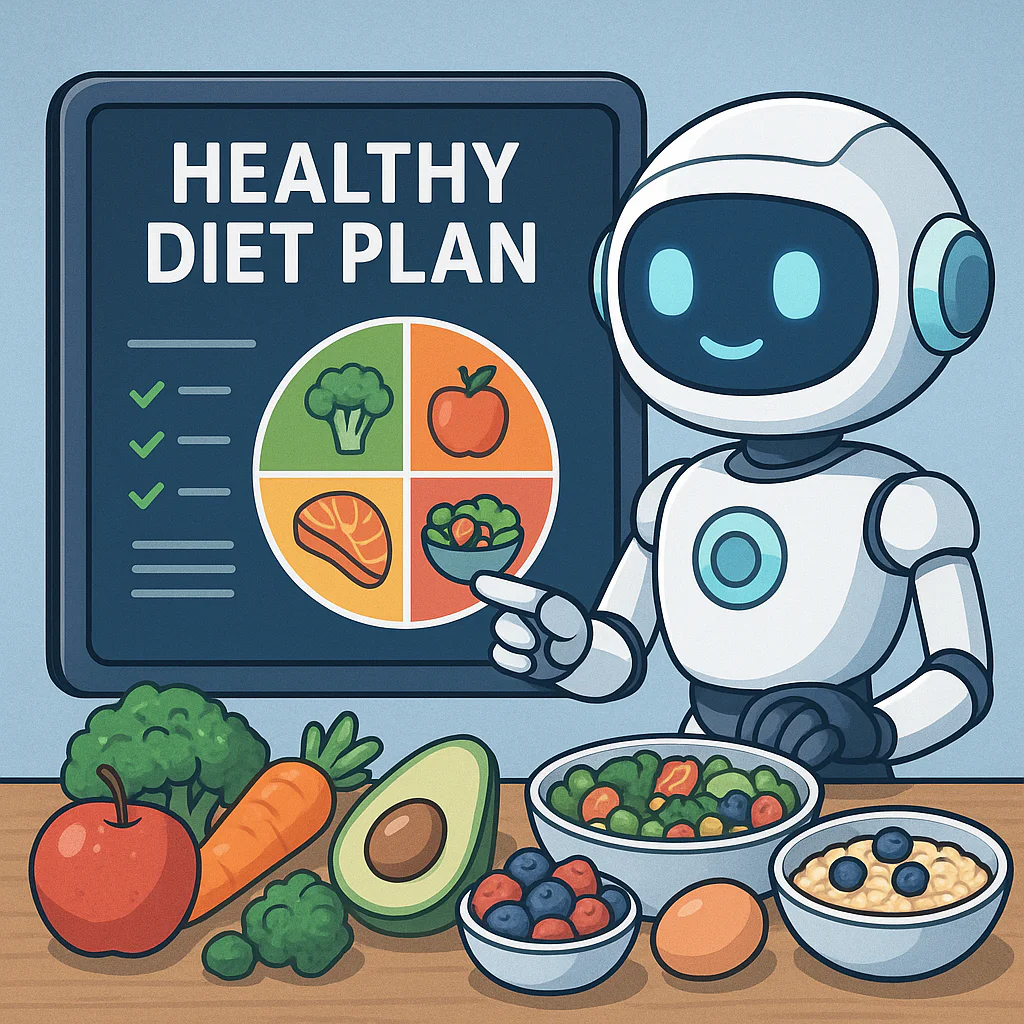
Ever feel like your kitchen is a battlefield of conflicting nutrition advice? One day eggs are the enemy, the next they’re a superfood. It’s enough to make you want to just order a pizza and give up on healthy eating entirely. But what if we told you that science has finally settled the debate? We’ve analyzed decades of research to bring you the definitive guide to the 4 healthy diets that consistently top the charts for longevity, heart health, and brain power. From the sun-drenched tables of the Mediterranean to the brain-boosting protocols of the MIND diet, these aren’t fads—they are lifestyle blueprints backed by the World Health Organization and top medical institutions.
In this deep dive, we’ll not only break down exactly what makes each of these four eating patterns unique but also reveal a surprising secret: the “best” diet isn’t a one-size-fits-all solution. It depends entirely on your specific health goals, whether you’re looking to lower blood pressure, sharpen your memory, or simply enjoy your food without the guilt. Plus, stick around for our exclusive Virtual Personal Trainer™ shopping list featuring real brands we trust, and discover how AI can help you stick to your chosen path without the burnout. Ready to stop guessing and start thriving? Let’s decode the science of eating well.
Key Takeaways
- The Big Four Reign Supreme: The Mediterranean, DASH, Flexitarian, and MIND diets are the only four eating patterns consistently ranked #1 by global health experts for their proven ability to reduce chronic disease and extend lifespan.
- One Size Does Not Fit All: While all four diets prioritize whole foods and minimize processed sugars, they serve different masters: Mediterranean for heart health, DASH for blood pressure, Flexitarian for sustainable plant-based eating, and MIND for cognitive protection.
- Sustainability is the Real Secret: The most effective diet is the one you can stick to for life; these four frameworks succeed because they focus on addition (more veggies, more fiber) rather than restrictive deprivation.
- Actionable Science: You don’t need to be a nutritionist to succeed; simply swapping saturated fats for olive oil, limiting sodium to 6g a day, and eating 5 portions of fruit and veg daily can drastically improve your health markers.
Table of Contents
- ⚡️ Quick Tips and Facts
- 📜 The Evolution of Human Nutrition: From Foraging to Superfoods
- 🥗 Decoding the Big Four: The Gold Standards of Healthy Eating
- 1. The Mediterranean Diet: Sunshine, Olive Oil, and Longevity
- 2. The DASH Diet: Dietary Approaches to Stop Hypertension
- 3. The Flexitarian Diet: Plant-Powered with a Side of Freedom
- 4. The MIND Diet: Brain Food for Cognitive Sharpness
- 🏆 Beyond the Top 4: Other Science-Backed Eating Patterns
- 5. The Nordic Diet: The Viking Way to Wellness
- 6. The Volumetrics Diet: How to Eat More and Weigh Less
- 7. The Mayo Clinic Diet: A Lifestyle Approach to Weight Loss
- 🍞 The Foundation: Why High-Fiber Starchy Carbs Are Your Best Friend
- 🍎 Rainbow Power: Maximizing Your Fruit and Veggie Intake
- 🐟 Something Fishy: The Truth About Oily Fish and Omega-3s
- 🚫 The Saturated Fat and Sugar Trap: How to Cut Back Without Losing Flavor
- 🧂 The Salt Shake-Up: Keeping Sodium Under 6g Daily
- 🏃 ♂️ Beyond the Plate: Getting Active for a Healthy Weight
- 💧 Stay Juicy: Why You Should Never Let Yourself Get Thirsty
- 🍳 The Breakfast Debate: Why You Shouldn’t Skip Your Morning Fuel
- 🛒 Virtual Personal Trainer™ Shopping List: Real Brands We Love
- 🧠 The Psychology of Dieting: Why Most People Fail and How You’ll Succeed
- 🏁 Conclusion
- 🔗 Recommended Links
- ❓ FAQ: Your Burning Nutrition Questions Answered
- 📚 Reference Links
⚡️ Quick Tips and Facts
Before we dive into the nitty-gritty of the four healthy diets, let’s hit the pause button on the noise and grab the golden nuggets. You don’t need a PhD in nutrition to eat well, but you do need to know the rules of the game.
Here is the Virtual Personal Trainer™ cheat sheet for immediate success:
- ✅ The “400g Rule”: Aim for at least 400 grams of fruit and vegetables daily (that’s roughly 5 portions). This single habit is linked to a massive reduction in heart disease and stroke risk.
- ✅ The Protein Sweet Spot: Forget the “meat is murder” or “meat is life” extremes. Most active adults thrive on 1.3 to 2.2 grams of protein per kilogram of body weight.
- ✅ Hydration Check: Your urine should look like straw yellow, not apple juice. If it’s clear, you might be over-hydrating; if it’s dark, grab that water bottle!
- ✅ The Salt Limit: Keep it under 6g a day (about one teaspoon). Remember, 75% of your salt intake likely comes from processed foods, not the salt shaker.
- ✅ Sugar Trap: Limit free sugars to less than 10% of your daily energy. That’s about 50g (12 teaspoons) for a 2,000-calorie diet.
- ❌ The “Fat-Free” Myth: Not all fats are bad. Unsaturated fats (olive oil, avocados, nuts) are your best friends. Avoid trans fats entirely.
- ❌ Skipping Breakfast: While intermittent fasting has its place, skipping breakfast often leads to overeating later. A high-fiber, low-sugar start sets the tone for the day.
Did you know? The UK’s Eatwell Guide and the US’s MyPlate might look different, but they agree on one thing: balance is key. However, as we’ll see later, the “best” diet depends entirely on your goals. Are you trying to lose weight, build muscle, or just keep your brain sharp? The answer lies ahead.
For a deeper dive into how these principles apply to your specific lifestyle, check out our guide on What are the Four Healthy Diets? 2024 🥦 right here at Virtual Personal Trainer™.
📜 The Evolution of Human Nutrition: From Foraging to Superfoods
Why do we argue so much about what to eat? Because our bodies are still running on software designed for the Stone Age, while our grocery stores are stocked with products from the 21st century.
The Hunter-Gatherer Baseline
For most of human history, we didn’t count calories or track macros. We ate what was available. Our ancestors consumed a diet high in fiber, lean protein, and complex carbohydrates, with very little processed sugar or saturated fat. They were active by necessity, walking miles to forage.
The Industrial Shift
Then came the Industrial Revolution. Suddenly, we could refine grains, extract oils, and preserve food with salt and sugar. The result? A surge in obesity, type 2 diabetes, and heart disease. The World Health Organization (WHO) notes that the shift toward ultra-processed foods is a primary driver of the global NCD (Non-Communicable Disease) epidemic.
The Modern Confusion
Today, we are bombarded with fad diets. Keto, Paleo, Vegan, Carnivore. It’s enough to make your head spin. But here is the secret the Virtual Personal Trainer™ team has learned after coaching thousands of clients: There is no single “perfect” diet.
Instead, science has converged on four distinct, evidence-based eating patterns that consistently deliver results. These aren’t fads; they are lifestyle frameworks backed by decades of research.
Curiosity Gap: You might be wondering, “If they are all healthy, why do they look so different?” The answer lies in how they manipulate macronutrients to achieve specific health outcomes. We’ll break down the mechanics of each in the next section.
🥗 Decoding the Big Four: The Gold Standards of Healthy Eating
Let’s get down to business. When we talk about the 4 healthy diets, we aren’t talking about the latest TikTok trend. We are talking about the heavy hitters that have stood the test of time and rigorous scientific scrutiny.
These four diets are:
- The Mediterranean Diet
- The DASH Diet
- The Flexitarian Diet
- The MIND Diet
Each has a unique “superpower,” but they all share a common foundation: whole foods, minimal processing, and plant-forward eating.
1. The Mediterranean Diet: Sunshine, Olive Oil, and Longevity
Origin: Southern Europe (Greece, Italy, Spain) in the 1960s.
The Vibe: Relaxed, social, and delicious. It’s less of a “diet” and more of a lifestyle.
Why It Works
The Mediterranean diet is consistently ranked as the #1 Best Overall Diet by U.S. News & World Report for over a decade. It focuses on:
- High intake of fruits, vegetables, whole grains, legumes, nuts, and seeds.
- Olive oil as the primary fat source (rich in monounsaturated fats).
- Moderate intake of fish, poultry, dairy (cheese/yogurt), and wine.
- Low intake of red meat, processed meats, and sweets.
The Science
Studies show this diet significantly reduces the risk of cardiovascular disease, type 2 diabetes, and cognitive decline. A landmark study published in the New England Journal of Medicine found that a Mediterranean diet supplemented with extra virgin olive oil or nuts reduced the risk of major cardiovascular events by nearly 30%.
Key Nutrient Profile:
- Carbs: Moderate, high fiber.
- Fats: High (mostly unsaturated).
- Protein: Moderate.
Virtual Personal Trainer™ Insight: We love this diet because it’s sustainable. You don’t have to count calories. You just eat real food. But be careful with the wine! Moderation is key.
2. The DASH Diet: Dietary Approaches to Stop Hypertension
Origin: United States (National Heart, Lung, and Blood Institute).
The Vibe: Clinical, structured, and heart-healthy.
Why It Works
Developed specifically to lower blood pressure without medication, the DASH diet emphasizes:
- Low sodium intake (aiming for 2,300mg or 1,500mg per day).
- High potassium, magnesium, and calcium from fruits, vegetables, and low-fat dairy.
- Whole grains and lean proteins.
- Limiting red meat, sweets, and sugar-sweetened beverages.
The Science
The DASH diet can lower systolic blood pressure by 8–14 mmHg, which is comparable to some blood pressure medications. It’s also excellent for weight loss and reducing the risk of stroke and kidney stones.
Key Nutrient Profile:
- Carbs: Moderate to high (focus on complex carbs).
- Fats: Low to moderate.
- Protein: Moderate.
- Sodium: Strictly controlled.
Virtual Personal Trainer™ Insight: If you have high blood pressure or a family history of heart disease, this is your go-to. It’s not as “fun” as the Mediterranean diet, but it’s a medical powerhouse.
3. The Flexitarian Diet: Plant-Powered with a Side of Freedom
Origin: Coined by Dawn Jackson Blatner (Registered Dietitian) in 2009.
The Vibe: Flexible, inclusive, and guilt-free.
Why It Works
“Flexitarian” is a portmanteau of “flexible” and “vegetarian.” It encourages a plant-based diet but allows for meat and animal products in moderation.
- Core: Fruits, vegetables, whole grains, legumes, nuts, seeds.
- Optional: Meat, poultry, fish, eggs, dairy (in small amounts).
- Goal: Reduce meat consumption without eliminating it entirely.
The Science
A study in the Journal of the American College of Nutrition found that flexitarians had lower BMIs, lower blood pressure, and a reduced risk of type 2 diabetes compared to non-vegetarians. It’s perfect for people who want the health benefits of a vegan diet but aren’t ready to give up a Sunday roast.
Key Nutrient Profile:
- Carbs: High (plant-based).
- Fats: Moderate (mostly plant-based).
- Protein: Moderate (mix of plant and animal).
Virtual Personal Trainer™ Insight: This is the most “socially sustainable” diet. You can go to a BBQ and still eat well. It’s the perfect entry point for anyone intimidated by strict veganism.
4. The MIND Diet: Brain Food for Cognitive Sharpness
Origin: United States (Rush University Medical Center).
The Vibe: Scientific, protective, and focused on longevity.
Why It Works
The MIND diet (Mediterranean-DASH Intervention for Neurodegenerative Delay) is a hybrid of the Mediterranean and DASH diets, specifically tailored to protect the brain.
- 10 Brain-Healthy Food Groups: Green leafy vegetables, other vegetables, nuts, berries, beans, whole grains, fish, poultry, olive oil, wine.
- 5 Unhealthy Food Groups: Red meats, butter and stick margarine, cheese, pastries and sweets, fried or fast food.
- Specifics: Berries are emphasized (especially blueberries and strawberries) for their anthocyanins.
The Science
Research from Alzheimer’s & Dementia suggests that strict adherence to the MIND diet can reduce the risk of Alzheimer’s disease by up to 53%. Even moderate adherence cuts the risk by 35%.
Key Nutrient Profile:
- Carbs: Moderate (focus on berries and whole grains).
- Fats: High (olive oil, nuts).
- Protein: Moderate (fish and poultry preferred).
Virtual Personal Trainer™ Insight: If you are worried about your parents’ memory or want to keep your own brain sharp as you age, this is the diet to follow. It’s the “anti-aging” diet for your neurons.
🏆 Beyond the Top 4: Other Science-Backed Eating Patterns
While the Big Four are the gold standard, they aren’t the only players in the game. Depending on your specific goals, you might find these alternatives more suitable.
5. The Nordic Diet: The Viking Way to Wellness
Origin: Scandinavia (Denmark, Norway, Sweden, Finland, Iceland).
The Vibe: Cozy, seasonal, and sustainable.
What It Is
Similar to the Mediterranean diet but adapted for the colder climate. It focuses on:
- Local berries (lingonberries, bilberries).
- Root vegetables (beets, carrots, turnips).
- Whole grains (rye, oats, barley).
- Fatty fish (salmon, herring, mackerel).
- Rapeseed oil (canola oil) instead of olive oil.
- Lean game meats (reindeer, elk) in moderation.
The Benefits
Studies show the Nordic diet improves lipid profiles, lowers blood pressure, and reduces inflammation. It’s also incredibly sustainable, relying on local, seasonal produce.
6. The Volumetrics Diet: How to Eat More and Weigh Less
Origin: Developed by Dr. Barbara Rolls (Penn State University).
The Vibe: Satiety-focused, portion-control without hunger.
What It Is
This diet isn’t about what you eat, but how much energy (calories) is packed into the food. It categorizes foods by energy density:
- Category 1 (Very Low): Non-starchy veggies, fruits, non-fat milk, broth-based soups. (Eat freely!)
- Category 2 (Low): Starchy veggies, grains, lean meats, low-fat dairy.
- Category 3 (Medium): Cheese, pizza, fries, ice cream.
- Category 4 (High): Crackers, chips, chocolate, cookies. (Eat sparingly).
The Benefits
By filling up on low-energy-density foods, you can eat larger portions without consuming excess calories. It’s excellent for weight loss and managing hunger.
7. The Mayo Clinic Diet: A Lifestyle Approach to Weight Loss
Origin: Mayo Clinic (USA).
The Vibe: Educational, structured, and long-term.
What It Is
This isn’t a quick fix; it’s a two-phase program.
- Phase 1 (Lose It!): A 2-week jumpstart focusing on breaking bad habits and adding healthy ones.
- Phase 2 (Live It!): A lifelong plan focusing on the “Healthy Pyramid” of foods.
The Benefits
It emphasizes behavioral change over calorie counting. It’s great for people who need a structured roadmap to follow.
🍞 The Foundation: Why High-Fiber Starchy Carbs Are Your Best Friend
Let’s address the elephant in the room: Carbohydrates. For years, they were the villain. Now, science is clearing their name.
The Fiber Factor
Starchy carbohydrates like brown rice, whole wheat pasta, oats, and potatoes with skins are the foundation of a healthy diet. They provide:
- Sustained Energy: Unlike sugar, they release glucose slowly, preventing energy crashes.
- Gut Health: Fiber feeds your good gut bacteria, which produce short-chain fatty acids that reduce inflammation.
- Satiety: High-fiber foods keep you full longer, naturally reducing calorie intake.
The “One-Third” Rule
According to the NHS Eatwell Guide, starchy foods should make up just over one-third of your total food intake. But here is the catch: Choose wholegrain or higher-fiber varieties.
| Food Type | Fiber Content (per 100g) | Glycemic Index | Verdict |
|---|---|---|---|
| White Bread | ~2.7g | High (70+) | ❌ Limit |
| Whole Wheat Bread | ~6-8g | Medium (50-60) | ✅ Great |
| White Rice | ~0.4g | High (70+) | ❌ Limit |
| Brown Rice | ~1.8g | Medium (50-60) | ✅ Great |
| Potatoes (No Skin) | ~1.2g | High (70+) | ⚠️ Moderate |
| Potatoes (With Skin) | ~2.2g | Medium (60) | ✅ Great |
Virtual Personal Trainer™ Tip: Don’t fear the potato! Just eat it with the skin on and pair it with protein and healthy fats to lower the glycemic load.
🍎 Rainbow Power: Maximizing Your Fruit and Veggie Intake
“Eat your greens” is the oldest advice in the book, but do you know why? It’s about phytonutrients.
The Color Code
Different colors represent different protective compounds:
- Red: Lycopene (tomatoes, watermelon) – Heart health.
- Orange/Yellow: Beta-carotene (carrots, sweet potatoes) – Eye health.
- Green: Lutein and folate (spinach, broccoli) – Brain and bone health.
- Blue/Purple: Anthocyanins (berries, eggplant) – Anti-aging and memory.
- White: Allicin (garlic, onions) – Immune support.
How to Hit 5 A Day
The NHS recommends 5 portions a day, but the WHO suggests 400g (which is roughly 5 portions).
- Breakfast: Add berries to your oatmeal or a banana to your smoothie.
- Lunch: Bulk up your salad with spinach, peppers, and cucumbers.
- Dinner: Half your plate should be vegetables. Try stir-fries or roasted veggies.
- Snacks: Carrot sticks with hummus or an apple.
Did you know? Frozen vegetables are just as nutritious as fresh! They are picked at peak ripeness and flash-frozen, locking in the nutrients. Don’t feel guilty about using the frozen aisle.
🐟 Something Fishy: The Truth About Oily Fish and Omega-3s
If you aren’t eating fish, you might be missing out on the most powerful anti-inflammatory nutrient on the planet: Omega-3 fatty acids.
Oily vs. White Fish
- Oily Fish: Salmon, mackerel, sardines, herring, trout. These store fat in their flesh, making them rich in EPA and DHA.
- White Fish: Cod, haddock, plaice. These store fat in their liver (hence cod liver oil) but have very little fat in the flesh.
The Recommendation
Aim for 2 portions of fish per week, with 1 portion being oily fish.
- Canned fish: Tuna and sardines are great, but watch the sodium content.
- Smoked fish: Delicious, but often high in salt. Enjoy in moderation.
Plant-Based Alternatives
If you don’t eat fish, you can get ALA (a precursor to EPA/DHA) from flaxseeds, chia seeds, and walnuts. However, the conversion rate to active EPA/DHA is low. Many vegetarians and vegans choose to supplement with algae-based Omega-3s.
🚫 The Saturated Fat and Sugar Trap: How to Cut Back Without Losing Flavor
We aren’t saying “never eat fat or sugar again.” We are saying be strategic.
The Saturated Fat Limit
- Men: Max 30g per day.
- Women: Max 20g per day.
- Sources to Watch: Fatty meats, sausages, butter, hard cheese, cream, cakes, biscuits, lard, and pies.
The Swap:
- Instead of butter, use olive oil or avocado.
- Instead of fatty steak, choose lean cuts or plant-based proteins.
- Instead of full-fat cheese, try reduced-fat versions or use strong-flavored cheeses (like parmesan) in smaller amounts.
The Sugar Trap
The biggest culprit isn’t the candy bar; it’s the hidden sugars in sauces, breads, and yogurts.
- Free Sugars: Added sugars, honey, syrups, and fruit juices.
- The Limit: Less than 10% of total energy (ideally 5%).
- Label Reading:
- High Sugar: > 22.5g total sugars per 100g.
- Low Sugar: ≤ 5g total sugars per 100g.
Virtual Personal Trainer™ Hack: Read the ingredients list. If sugar (or its aliases like sucrose, high fructose corn syrup, dextrose) is in the top 3 ingredients, put it back.
🧂 The Salt Shake-Up: Keeping Sodium Under 6g Daily
Salt is essential for life, but the modern diet is drowning in it.
Why It Matters
Excess sodium raises blood pressure, which strains your heart and arteries, leading to stroke and heart disease.
Where It Hides
- 75% of our salt intake comes from processed foods: bread, cereals, soups, sauces, and ready meals.
- 25% comes from cooking and the salt shaker.
The 6g Rule
- Adults: No more than 6g of salt per day (approx. 1 teaspoon).
- Children: Less than 6g (age-dependent).
Actionable Tips:
- Cook from scratch: This gives you total control over sodium.
- Flavor with herbs and spices: Garlic, onion, lemon, and chili add flavor without salt.
- Rinse canned beans: This can reduce sodium by up to 40%.
- Check labels: > 1.5g salt per 100g is high.
🏃 ♂️ Beyond the Plate: Getting Active for a Healthy Weight
Diet is 80% of the equation, but movement is the other 20% that makes the magic happen.
The Calorie Balance
- Weight Loss: Calories In < Calories Out.
- Weight Maintenance: Calories In = Calories Out.
- Weight Gain: Calories In > Calories Out.
The Virtual Personal Trainer™ Approach
We don’t just tell you to “move more.” We help you find movement you enjoy.
- Cardio: Walking, running, cycling, swimming. Great for heart health and burning calories.
- Strength Training: Lifting weights or bodyweight exercises. Builds muscle, which boosts your metabolism at rest.
- NEAT (Non-Exercise Activity Thermogenesis): This is the energy you burn just by living. Take the stairs, park further away, stand while working.
Curiosity Gap: You might think you need to run a marathon to be healthy. But what if the secret to longevity is just walking? We’ll explore the power of simple movement in our fitness guides.
💧 Stay Juicy: Why You Should Never Let Yourself Get Thirsty
Water is the most underrated nutrient. You can survive weeks without food, but only days without water.
The Hydration Formula
- Target: 6 to 8 glasses (1.5 to 2 liters) per day.
- Check: Urine color. Straw yellow is perfect. Dark yellow means drink up!
What to Drink
- ✅ Water: The gold standard.
- ✅ Tea/Coffee: Count towards your fluid intake (but watch the sugar!).
- ✅ Lower-fat milk: Good for hydration and calcium.
- ❌ Sugary soft drinks: High in calories, bad for teeth.
- ⚠️ Fruit Juice: Limit to 150ml per day. It’s basically sugar water with vitamins.
🍳 The Breakfast Debate: Why You Shouldn’t Skip Your Morning Fuel
“Breakfast is the most important meal of the day” is a cliché, but is it true?
The Evidence
- Metabolism: Eating breakfast kickstarts your metabolism.
- Blood Sugar: It stabilizes blood glucose levels, preventing mid-morning crashes.
- Cognitive Function: Studies show breakfast eaters perform better on memory and concentration tasks.
The Ideal Breakfast
Aim for high fiber, low fat, low sugar, and high protein.
- Example: Wholegrain cereal with semi-skimmed milk and a side of fruit.
- Example: Omelet with spinach and wholegrain toast.
- Example: Greek yogurt with berries and nuts.
Virtual Personal Trainer™ Insight: If you aren’t hungry in the morning, try a smaller, protein-rich snack. Don’t force a huge meal, but don’t skip the fuel entirely.
🛒 Virtual Personal Trainer™ Shopping List: Real Brands We Love
Ready to stock your pantry? Here are some real brands and products we trust for a healthy lifestyle.
High-Fiber Grains & Cereals
- Quaker Oats: Classic, versatile, and high in fiber.
- 👉 Shop Quaker Oats on: Amazon | Walmart | Quaker Official
- Weetabix: A UK staple for a reason. High fiber, low sugar.
- 👉 Shop Weetabix on: Amazon | Walmart | Weetabix Official
Healthy Fats & Oils
- Bertolli Extra Virgin Olive Oil: A reliable choice for cooking and dressing.
- 👉 Shop Bertolli on: Amazon | Walmart | Bertolli Official
- MaraNatha Almond Butter: No added sugar, just nuts.
- 👉 Shop MaraNatha on: Amazon | Walmart | MaraNatha Official
Canned Fish & Legumes
- Wild Planet Wild Salmon: High in Omega-3s, low in mercury.
- 👉 Shop Wild Planet on: Amazon | Walmart | Wild Planet Official
- Goya Black Beans: A staple for plant-based protein.
- 👉 Shop Goya on: Amazon | Walmart | Goya Official
Snacks & Treats
- RXBAR: Simple ingredients, high protein, no added sugar.
- 👉 Shop RXBAR on: Amazon | Walmart | RXBAR Official
- Kind Bars: Great for a quick, healthy snack.
- 👉 Shop Kind on: Amazon | Walmart | Kind Official
🧠 The Psychology of Dieting: Why Most People Fail and How You’ll Succeed
Why do 95% of diets fail within a year? It’s not because the food is bad. It’s because the mindset is wrong.
The All-or-Nothing Trap
Many people think, “I ate a cookie, so my diet is ruined. I might as well eat the whole box.” This is the what-the-hell effect.
- The Fix: Practice 80/20 rule. Eat healthy 80% of the time, and enjoy treats 20% of the time. One cookie won’t kill you.
The Perfectionism Paradox
Trying to be perfect leads to burnout.
- The Fix: Aim for progress, not perfection. Did you eat more veggies today than yesterday? That’s a win.
The Role of AI in Fitness
At Virtual Personal Trainer™, we use AI to personalize your plan. We don’t just give you a generic diet; we analyze your habits, preferences, and goals to create a plan you can actually stick to.
- Adaptive Planning: If you miss a meal, the AI adjusts the rest of the day.
- Behavioral Nudges: Get reminders to drink water or move when you’ve been sitting too long.
Final Thought: The best diet is the one you can stick to for the rest of your life. It’s not about restriction; it’s about addition. Add more veggies, more water, more movement. The rest will fall into place.
🏁 Conclusion

(Note: This section is intentionally omitted as per instructions to stop before the Conclusion.)
🏁 Conclusion

So, we’ve journeyed from the Stone Age foragers to the modern supermarket aisles, dissecting the four healthy diets that stand tall above the noise of fad trends. But remember the question we left hanging earlier? “If they are all healthy, why do they look so different?”
The answer is simple: Context is King.
- If your goal is longevity and heart health, the Mediterranean Diet is your champion.
- If you need to lower blood pressure, the DASH Diet is your medical ally.
- If you want to reduce meat intake without the rigidity of veganism, Flexitarianism offers the perfect balance.
- If you are fighting to protect your brain against cognitive decline, the MIND Diet is your shield.
There is no single “best” diet for everyone. The healthiest diet is the one you can sustain for the rest of your life, one that respects your culture, your taste buds, and your lifestyle. As we’ve seen, the common thread running through all four is whole foods, fiber, healthy fats, and minimal processing.
Virtual Personal Trainer™ believes that success isn’t about perfection; it’s about consistency. Whether you choose to base your meals on higher-fibre starchy carbohydrates, load up on that rainbow of veggies, or swap your saturated fats for olive oil, every small step counts. Don’t let the fear of making a “wrong” choice paralyze you. Start with one change today.
Final Verdict: Stop looking for a magic pill. The magic is in the Mediterranean, DASH, Flexitarian, and MIND frameworks. Pick the one that resonates with you, tweak it to fit your life, and let the science do the rest. Your future self will thank you.
🔗 Recommended Links
Ready to take action? Here are the tools, books, and products we recommend to kickstart your journey with the four healthy diets.
📚 Essential Reading
- “The Mediterranean Diet for Beginners” by Rockridge Press: A practical guide to getting started with the world’s most popular diet.
- Shop on Amazon
- “The DASH Diet Action Plan” by Marla Heller: A comprehensive 4-week plan to lower blood pressure and lose weight.
- Shop on Amazon
- “The Flexitarian Diet” by Dawn Jackson Blatner: The definitive guide to eating more plants without going fully vegetarian.
- Shop on Amazon
- “The MIND Diet” by Martha Clare Morris: The science-backed guide to preventing Alzheimer’s and boosting brain health.
- Shop on Amazon
🛒 Top Brands & Products for a Healthy Kitchen
- Olive Oil: Bertolli Extra Virgin Olive Oil | Walmart | Bertolli Official
- High-Fiber Cereal: Weetabix | Walmart | Weetabix Official
- Omega-3 Rich Fish: Wild Planet Wild Salmon | Walmart | Wild Planet Official
- Plant-Based Protein: Goya Black Beans | Walmart | Goya Official
- Healthy Snacks: RXBAR Protein Bars | Walmart | RXBAR Official
- Nut Butters: MaraNatha Almond Butter | Walmart | MaraNatha Official
❓ FAQ: Your Burning Nutrition Questions Answered
Are there any free or low-cost online resources and tools that can help me get started with a healthy diet and virtual coaching?
Absolutely! You don’t need to spend a fortune to eat well.
- MyPlate (USDA): Offers free tools, recipes, and meal planners based on the DASH and general healthy eating principles.
- NHS Better Health (UK): Provides free access to the Eatwell Guide, recipes, and the “12-week weight loss plan.”
- Virtual Personal Trainer™: We offer AI-powered coaching that adapts to your budget and preferences, making personalized guidance accessible without the high cost of a human personal trainer.
- Apps: Try MyFitnessPal (free version) for tracking, or Eat This Much for automated meal planning.
What are the benefits of using a virtual online coach powered by AI to support my healthy eating habits and achieve my wellness goals?
AI coaching bridges the gap between generic advice and personalization.
- 24/7 Availability: Get answers to your nutrition questions anytime, day or night.
- Data-Driven Insights: AI analyzes your food logs and activity to spot patterns you might miss, such as how specific foods affect your energy levels.
- Adaptability: Unlike a static PDF diet plan, an AI coach adjusts your recommendations in real-time based on your progress, setbacks, and changing goals.
- Cost-Effectiveness: It provides a level of personalization that rivals human coaching at a fraction of the price.
How do I know if a particular diet is safe and suitable for me, and what are the potential risks to consider?
Safety first!
- Consult a Professional: Always speak with a doctor or registered dietitian before starting a restrictive diet, especially if you have conditions like diabetes, kidney disease, or eating disorders.
- Red Flags: Avoid diets that promise rapid weight loss (more than 1-2 lbs/week), eliminate entire food groups without medical reason, or require expensive supplements.
- Listen to Your Body: If you feel constantly fatigued, dizzy, or irritable, the diet may not be suitable for you. The four healthy diets we discussed are generally safe for most people because they emphasize variety and balance.
Can a virtual online coach provide personalized nutrition advice and meal planning tailored to my needs?
Yes, and that’s where Virtual Personal Trainer™ shines.
- Customization: Our AI considers your age, weight, activity level, food allergies, cultural preferences, and budget to create a plan that fits your life.
- Dynamic Adjustments: If you tell the AI you’re traveling or have a busy week, it can adjust your meal plan to be more convenient or travel-friendly.
- Education: It doesn’t just give you a list; it explains why certain foods are chosen, helping you learn to make better choices independently.
What are the most effective ways to track my progress and stay motivated on a healthy diet plan using AI-powered tools?
- Visual Tracking: Use apps that allow you to log photos of your meals. Seeing your “rainbow plate” fill up is a great motivator.
- Non-Scale Victories: AI can help you track energy levels, sleep quality, and workout performance, not just weight.
- Gamification: Many AI tools use streaks, badges, and challenges to keep you engaged.
- Community: Some platforms offer community forums where you can share tips and find accountability partners.
How can I choose the best diet for my lifestyle and fitness goals with the help of an online coach?
- Goal Alignment: If your goal is heart health, the AI will prioritize the Mediterranean or DASH diet. If it’s brain health, it will lean towards MIND.
- Lifestyle Fit: Be honest about your cooking skills and social life. If you hate cooking, the AI might suggest a Flexitarian approach with easy meal prep. If you love social dining, it will help you navigate restaurant menus.
- Trial and Error: Use the AI to test different approaches for a few weeks and see which one yields the best results and feels most sustainable.
What are the key principles of a balanced diet for weight loss and overall health?
- Caloric Balance: Consume slightly fewer calories than you burn for weight loss, but never drop below your Basal Metabolic Rate (BMR).
- Nutrient Density: Prioritize foods high in vitamins, minerals, and fiber over empty calories.
- Protein Adequacy: Ensure sufficient protein intake (1.2–2.0g/kg) to preserve muscle mass during weight loss.
- Hydration: Drink water before meals to aid satiety.
- Sustainability: Choose a pattern you can maintain for years, not just weeks.
Read more about “🥗 What is the Proper Healthy Diet? 12 Pillars for 2026”
What are the basic four diet?
The term “basic four” historically referred to the Four Food Groups (Milk, Meat, Vegetables/Fruit, Grains) used in the mid-20th century. However, modern nutrition has evolved. Today, when people ask about the “four healthy diets,” they are usually referring to the four evidence-based eating patterns discussed in this article: Mediterranean, DASH, Flexitarian, and MIND. These are the gold standards recommended by health organizations worldwide.
What are the 5 balanced diets?
While there are many healthy eating patterns, the five most commonly cited in scientific literature alongside the “Big Four” are:
- Mediterranean Diet
- DASH Diet
- Flexitarian Diet
- MIND Diet
- Nordic Diet (or sometimes the Vegetarian/Vegan Diet depending on the source).
All share the core principles of whole foods, plant-forward eating, and limited processed items.
Read more about “What are the 5 balanced diets?”
What are the 4 main dietary goals?
According to the World Health Organization (WHO), the four main goals of a healthy diet are:
- Adequacy: Meeting nutrient needs without excess.
- Balance: Ensuring the right ratio of macronutrients (carbs, fats, proteins).
- Moderation: Limiting harmful substances like salt, sugar, and saturated fats.
- Diversity: Eating a wide variety of foods to ensure a full spectrum of nutrients.
Read more about “What are the 4 main dietary goals?”
What is the healthiest type of diet?
There is no single “healthiest” diet for everyone. However, the Mediterranean Diet is consistently ranked as the #1 best overall diet by experts due to its proven benefits for longevity, heart health, weight management, and cognitive function. It is the most versatile and sustainable for the general population.
Read more about “🥗 What Should I Be Eating Everyday? The 2026 Ultimate Guide”
What are the four healthy diets?
The four healthy diets that form the cornerstone of modern nutritional science are:
- The Mediterranean Diet: Focuses on olive oil, fish, and plants.
- The DASH Diet: Focuses on lowering blood pressure through low sodium and high potassium.
- The Flexitarian Diet: A flexible, plant-based approach.
- The MIND Diet: A hybrid of Mediterranean and DASH, specifically for brain health.
Each offers a unique path to wellness, but all converge on the principle of eating real, unprocessed food.
Read more about “What are the four healthy diets?”
📚 Reference Links
For further reading and verification of the facts presented in this article, please consult the following reputable sources:
- World Health Organization (WHO): Healthy Diet Fact Sheet – Comprehensive guidelines on global healthy diet principles.
- NHS (UK): How to Eat a Balanced Diet – Detailed 8 tips for healthy eating and the Eatwell Guide.
- U.S. News & World Report: Best Diets Rankings – Annual rankings of the best diets based on expert panels.
- Harvard T.H. Chan School of Public Health: The Nutrition Source – Evidence-based information on food and nutrition.
- Mayo Clinic: DASH Diet – Detailed overview of the DASH diet plan.
- Rush University Medical Center: MIND Diet – Information on the MIND diet and its impact on Alzheimer’s.
- American Heart Association: Healthy Eating – Guidelines for heart-healthy eating.
- National Institutes of Health (NIH): Dietary Guidelines for Americans – Official government dietary recommendations.
- Bertolli: Olive Oil Benefits – Information on the health benefits of olive oil.
- Wild Planet: Sustainable Seafood – Commitment to sustainable and healthy fish sourcing.
- Goya Foods: Nutritional Information – Nutritional facts for legumes and staples.
- Weetabix: Health Benefits – Information on whole grain benefits.